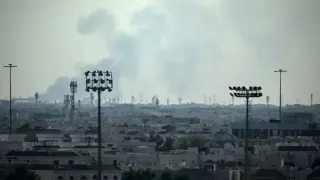
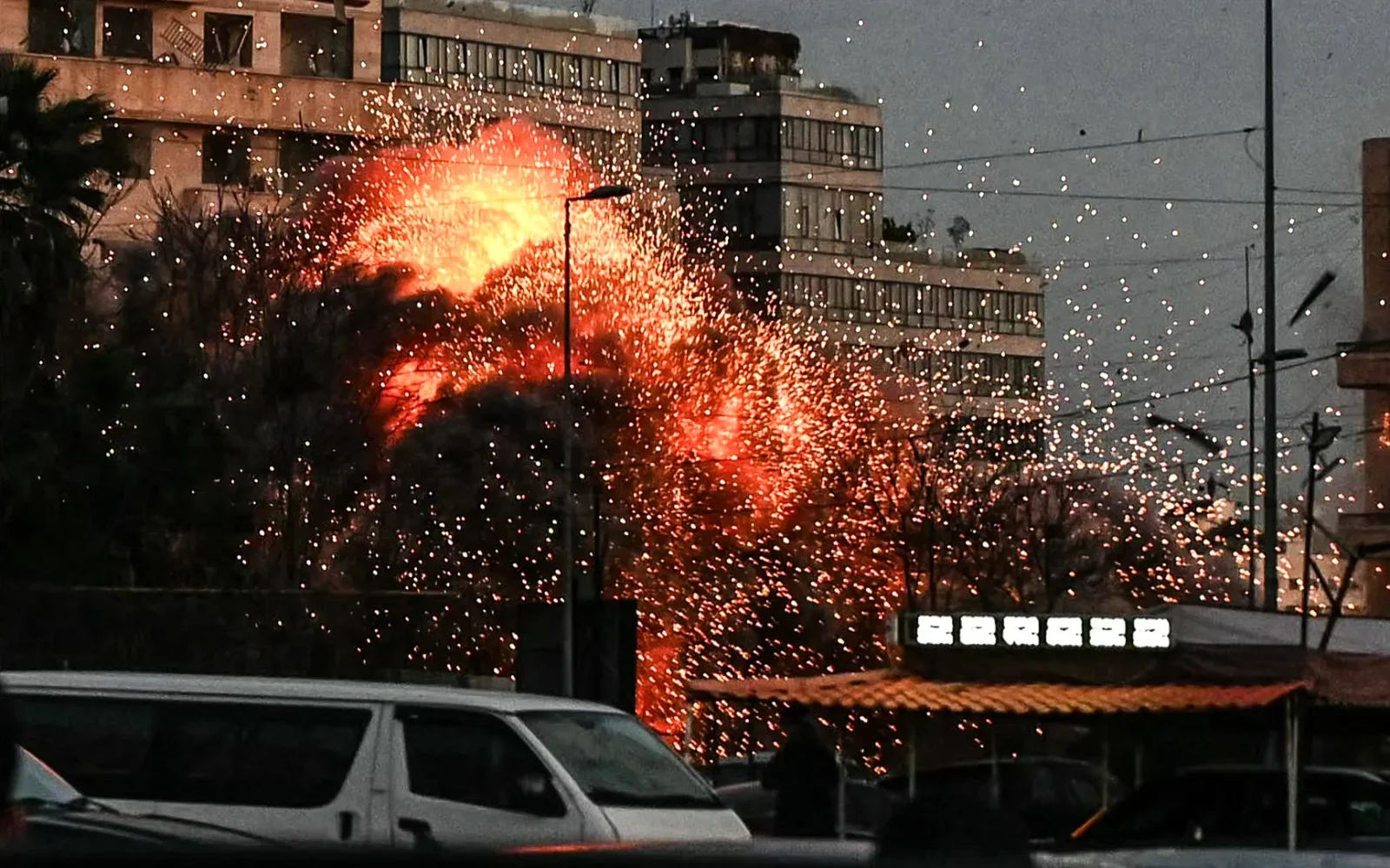
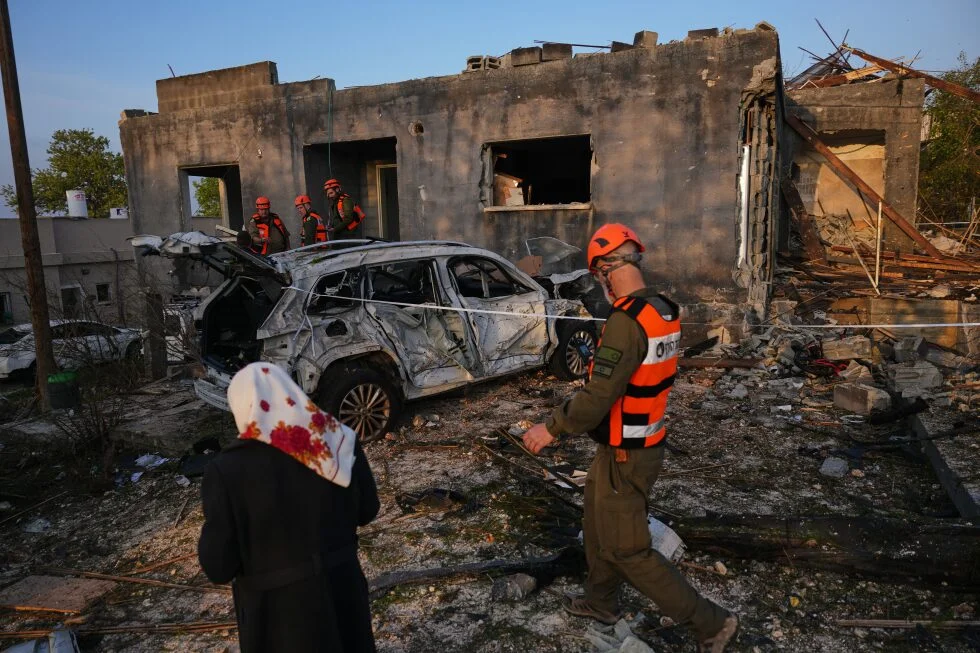
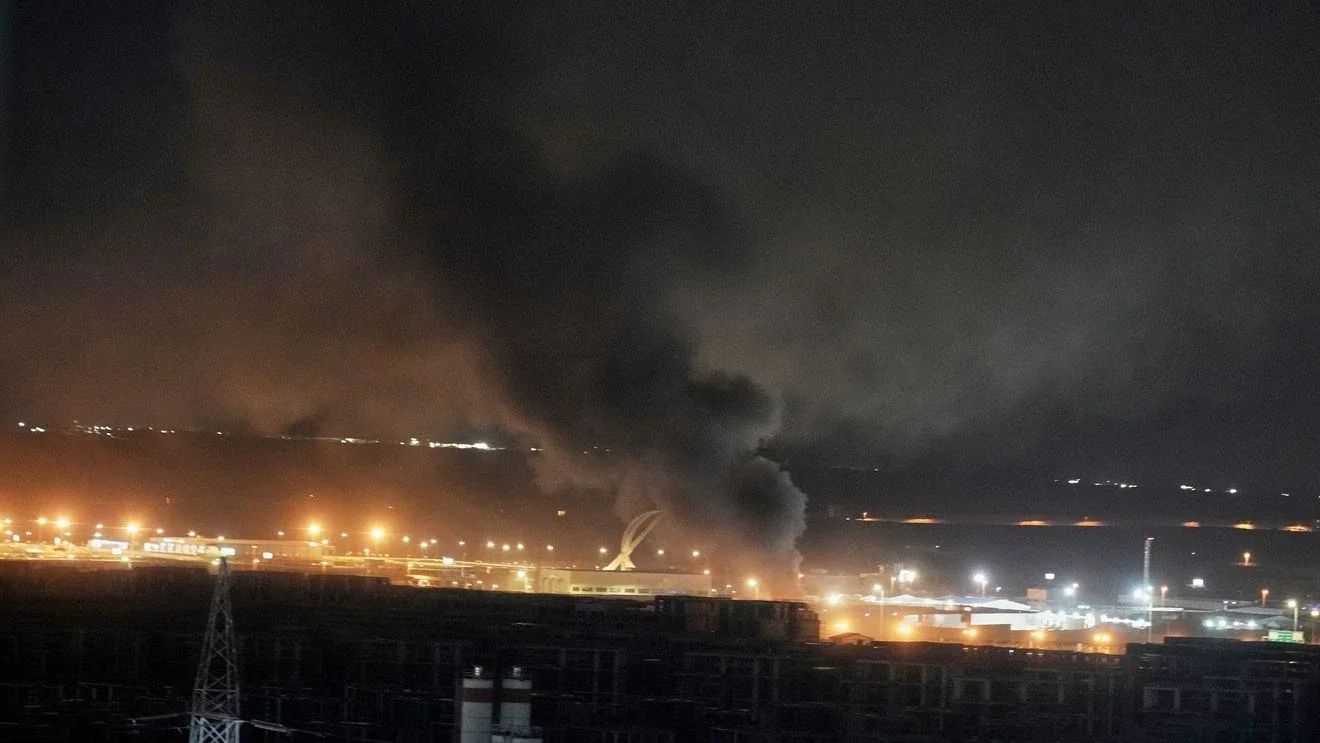
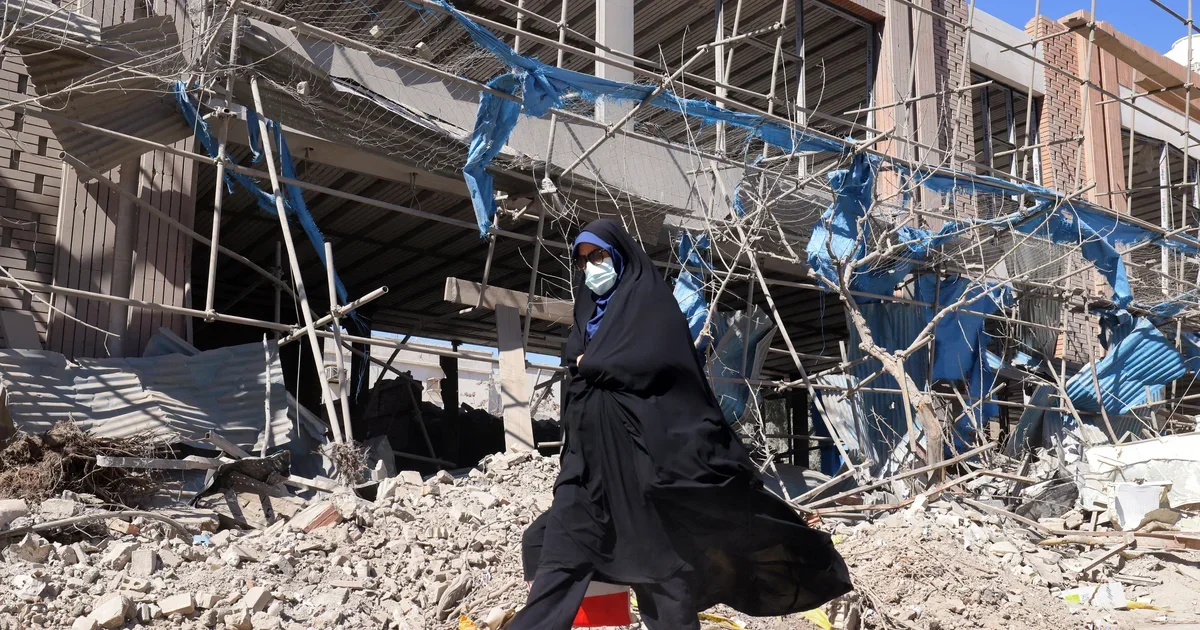
Iranian forces intensified attacks on U.S. Gulf allies as U.S. strikes on Iranian targets continued, hitting sites in Kuwait (Camp Arifjan, Ali Al Salem) and infrastructure such as a desalination plant; reports of injuries emerged, oil prices surged, and regional tensions threatened a broader confrontation with Saudi and other allies also affected.
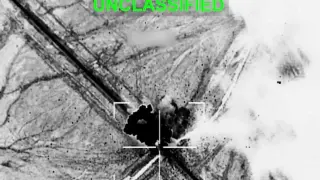
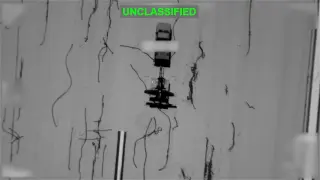
US forces conducted a seventh straight night of strikes on Iran to degrade its military capabilities, while Tehran warns of a full-scale offensive if attacks persist; explosions were reported in Yazd and Sirik, Iran accuses Washington of targeting civilian infrastructure, and the IRGC retaliated against US assets in Bahrain and elsewhere as Kuwait reports damage to a power and water plant, highlighting mounting humanitarian risks in the Gulf.
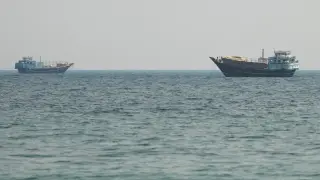
The United States launched a new round of strikes against Iran to degrade its ability to attack civilian mariners and ships in the Strait of Hormuz after Tehran claimed to have closed the waterway, escalating a regional confrontation that has drawn in Gulf states and pushed oil prices higher amid fears for energy shipments.
The Wall Street Journal reports the US is considering relocating and refurbishing Gulf bases, potentially moving some outposts to Israel after Iran retaliatory strikes damaged Bahrain’s naval facilities; the Pentagon has not publicly confirmed the extent of the damage. Domestically, public opinion has shifted against the Iran war, with polls showing many voters doubt it was worth it and concerns Iran will still develop nuclear weapons.
On day 19 of the US-Israel attack on Iran, Tehran vows revenge after Israeli strikes killed security chief Ali Larijani and Basij commander Gholamreza Soleimani, while Iran and allied groups escalate attacks on Israel and launch missiles and drones at Gulf states. The conflict has spilled over regionally with attacks in Saudi Arabia, Kuwait, Jordan and beyond, prompting emergency meetings and heightened security from Riyadh to Beirut. The toll in Iran is about 1,444 killed and 18,551 injured since Feb 28, and oil prices have surged as Brent tops around $108.60 and WTI nears $98 amid market jitters. US domestic politics show tension (Joe Kent resignation) and allied concerns; Israel says it struck Basij targets around Tehran, while airstrikes continue in Lebanon and Iraq with casualties and evacuations.
President Trump warns Iran as a new wave of attacks hits Gulf Arab states and Israel, after Iran’s leaders signaled leverage over the Strait of Hormuz, signaling heightened U.S. pressure amid escalating regional conflict.
Iran broadens its campaign with attacks on Bahrain’s Muharraq airport and Basra port, while drones hit near Dubai as US-Israeli strikes persist. The U.N. Security Council demands a halt to the attacks, and the conflict threatens Gulf oil routes, prompting major energy reserves releases by the IEA and the US. Fighting spreads to Lebanon and Jerusalem, causing casualties and mass displacement amid ongoing regional upheaval.
Iranian state media warned that as the Iran–Israel–US conflict spills into digital infrastructure, US tech giants including Google, Microsoft, Palantir, IBM, Nvidia, and Oracle could become targets, a claim tied to their regional cloud and data-centre operations amid recent AWS data-center disruptions in the UAE and Bahrain and ongoing contingency plans by firms.
Tehran endures its worst night of bombardment as Israel and the US press forward with strikes on Iran; Washington issues mixed timelines on the war’s duration while Tehran vows retaliation. Casualties in Iran exceed 1,200 civilians (including hundreds of children) with regional spillovers in Lebanon and the UAE, and WHO warns of respiratory risks from “black rain” as blackouts and damaged communications disrupt everyday life; global oil markets brace for potential disruption as the conflict intensifies.
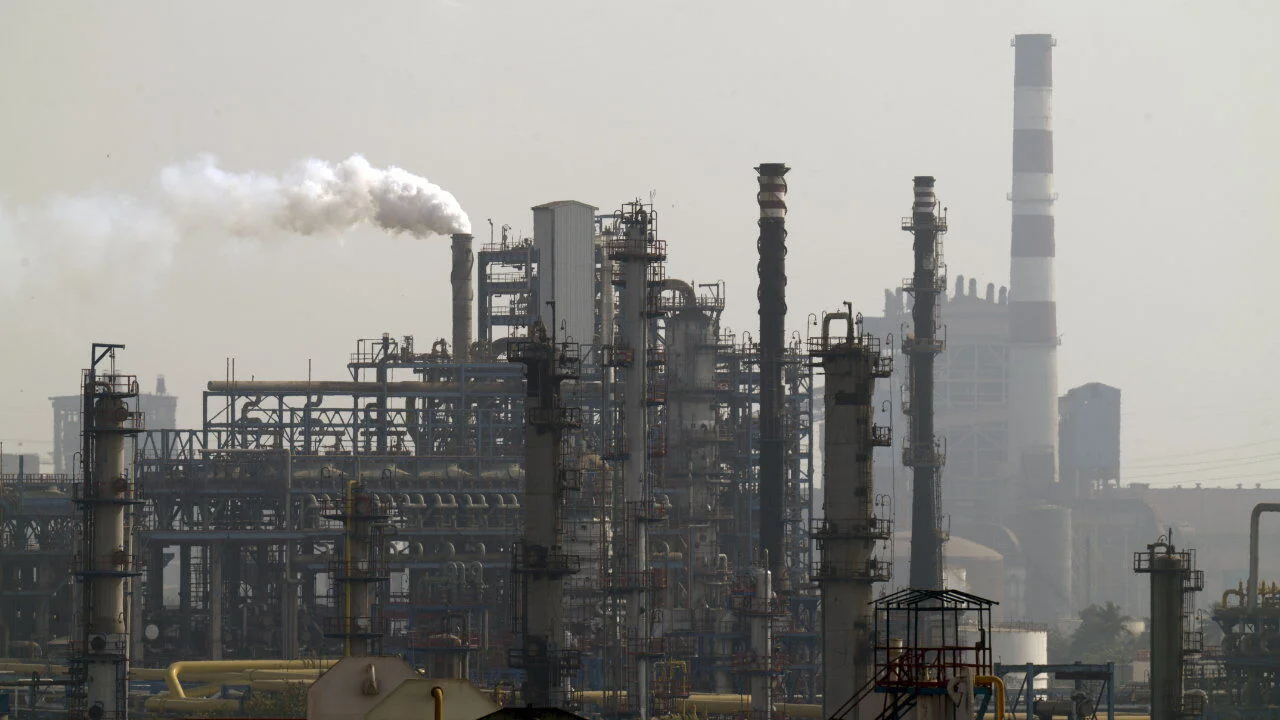
Brent crude has surged above $100 as seaborne Gulf oil exports stall amid the Iran–Israel conflict, pushing up petrol and natural-gas prices and triggering an energy panic across Asia that threatens regional growth and inflates costs as Gulf supply constraints ripple through global markets.
The U.S. International Development Finance Corporation announced a $20 billion rolling maritime reinsurance facility (covering hull, machinery, and cargo) for Gulf transit, coordinated with CENTCOM and Treasury, to restore confidence in maritime trade and keep oil, LNG, jet fuel, and fertilizer flowing amid tensions with Iran, with U.S. insurers partnering for rapid implementation.
Escalating cross-border strikes widen the Gulf crisis: Iran fires missiles and drones at Israel and targets Gulf states after U.S.-Israeli strikes, with Tehran accusing Washington and Tel Aviv of war crimes over attacks on a hospital and a girls’ school. Embassies and facilities are hit or threatened, evacuations are ordered, and U.S. and Israeli forces seek to destroy Iran’s missile launchers. President Trump declines to set a war timeline, signaling the campaign could last longer than initially projected.
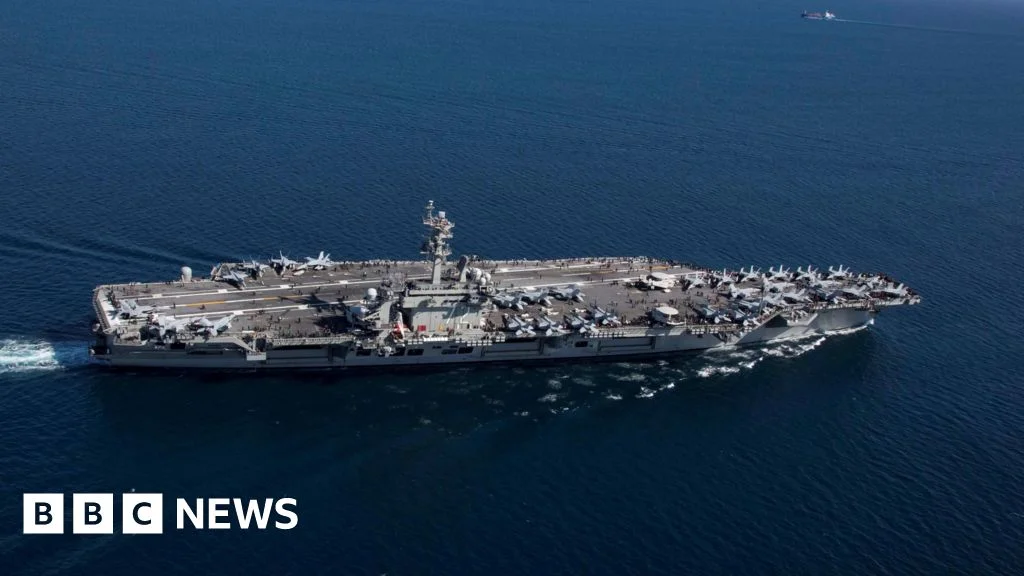
Trump warned Iran that time is running out to negotiate a nuclear deal as a large U.S. naval armada moves toward the Gulf, while Tehran called for dialogue and vowed to defend itself if pressed.
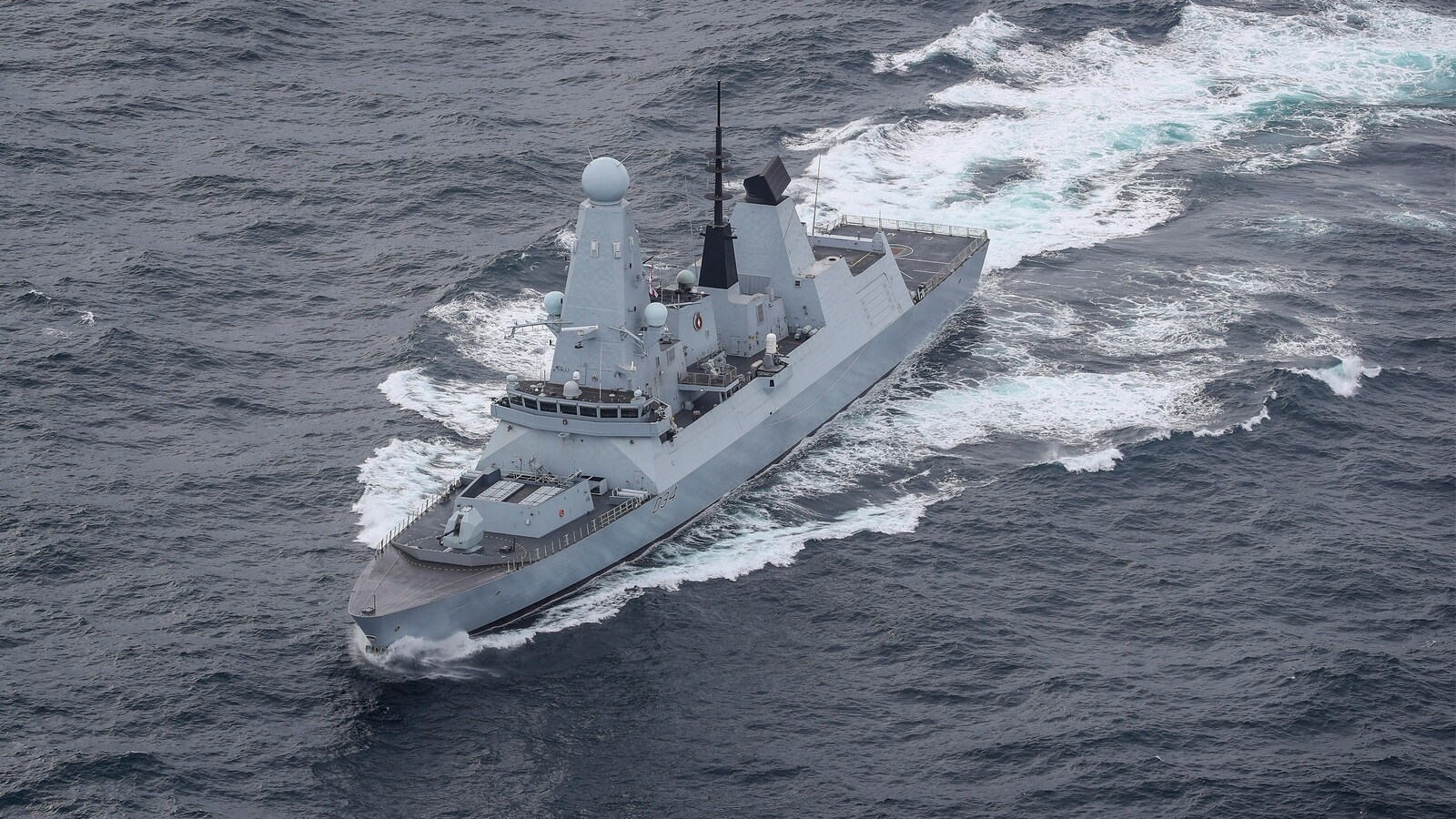
Two British Royal Navy warships collided in Bahrain Harbour, with no injuries reported. An investigation into the incident has been opened, and the Royal Navy is working with the U.S. Navy in the Gulf region to protect Red Sea shipping from attacks by Houthi forces based in Yemen, which have disrupted world trade. Rear Admiral Edward Ahlgren assured that a thorough investigation is underway and changes in procedure will be implemented to prevent further incidents.
The Gulf region, known for its high obesity rates, is experiencing a growing demand for weight-loss drugs like Ozempic. Originally developed as a treatment for Type 2 diabetes, Ozempic and its sister drug Wegovy have become popular off-label prescriptions for weight loss. The drugs work by slowing digestion, making patients feel full for longer periods. However, the surge in demand has led to shortages and calls for greater regulation. While these drugs have shown significant effectiveness in reducing body weight, there are concerns about potential side effects and the lack of medical supervision for those taking them without prescriptions.