Tag

Calorie Restriction

All articles tagged with #calorie restriction

Small Calorie Cut, Big Gains in Health and Longevity
health2 days ago

Small Calorie Cut, Big Gains in Health and Longevity

New CALERIE study findings suggest that reducing daily calories by about 10–15% can improve blood pressure, LDL cholesterol, and insulin levels, supporting healthier aging. Even though participants achieved roughly a 12% reduction rather than 25%, they saw meaningful health benefits and about 10% weight loss, with no drop in overall diet quality. The research points to sustainable, easy changes—like skipping a daily dessert or cutting sugary drinks—as practical ways to extend healthspan, while follow-up work will assess long-term effects across aging populations.

Calorie restriction: a double-edged path to aging and healthspan
science2 months ago

Calorie restriction: a double-edged path to aging and healthspan

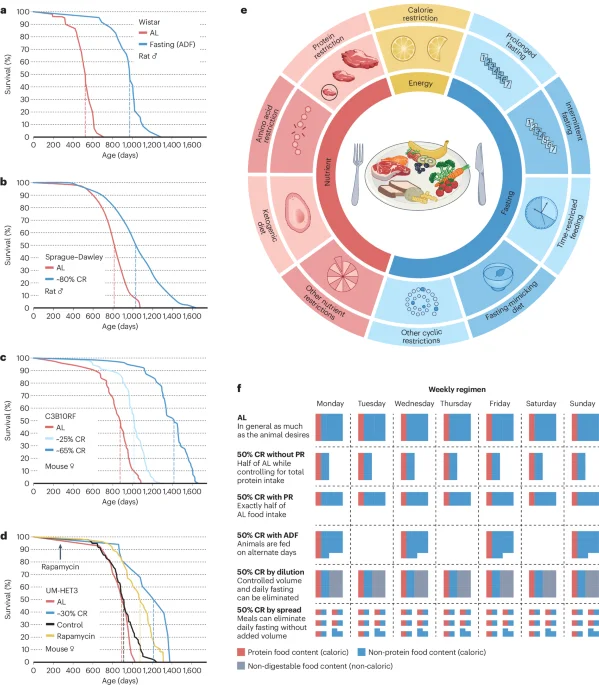
This Nature Aging review examines how different dietary restriction (DR) strategies—caloric, protein, fasting, and time-restricted regimens—affect aging and disease across mammals, highlighting common longevity pathways (autophagy, NAD+, AMPK, mTOR) and potential DR mimetics (FGF21, sirtuins, GLP-1). DR can improve healthspan and delay cancer, cardiovascular disease, and neurodegeneration in preclinical models, but effects vary by genotype, sex, species, and age at initiation, and DR may impair immune function and wound healing. The article discusses physiological adaptations (hunger, body temperature, fat loss) and translational challenges to humans, emphasizing the need for personalized approaches and cautious development of DR mimetics.

New Research Questions the Effectiveness of Intermittent Fasting for Weight Loss
health4 months ago

New Research Questions the Effectiveness of Intermittent Fasting for Weight Loss

A recent study questions the benefits of time-restricted intermittent fasting on metabolic and cardiovascular health, suggesting that calorie reduction, rather than timing, may be the key factor in health improvements. The study found no significant changes in health markers despite weight loss, highlighting the importance of calorie intake over fasting schedules.

Effective Diet Strategies for Managing Type 2 Diabetes and Obesity
health10 months ago

Effective Diet Strategies for Managing Type 2 Diabetes and Obesity

A recent study suggests that low-calorie diets, including the 5:2 diet, time-restricted eating, and continuous energy restriction, can help people with obesity and type 2 diabetes lose weight and improve blood sugar control, with the 5:2 diet showing slightly more benefits and higher adherence. Experts recommend choosing a dietary approach that fits individual lifestyles and preferences for better long-term success.

Revolutionary Aging Theory Challenges Time's Hold
science1 year ago

Revolutionary Aging Theory Challenges Time's Hold

The Pro-Aging Metabolic Reprogramming (PAMRP) theory suggests aging results from degenerative metabolic reprogramming, combining programmed and random processes. It emphasizes metabolism's role in aging and proposes that interventions like calorie restriction mimetics could potentially slow or reverse aging. While promising, further research is needed to validate the theory and explore its implications for anti-aging treatments.

"Revolutionary Exercise Pill Mimics Workout Benefits Without the Effort"
health-and-science2 years ago

"Revolutionary Exercise Pill Mimics Workout Benefits Without the Effort"

Researchers are making strides in the development of mimetics, experimental drugs that mimic the effects of exercise and calorie restriction in the body without the need for physical activity or dietary changes. These drugs have shown promising results in animal studies, with potential applications in preventing and treating conditions such as muscle loss, diabetes, heart failure, and neurodegenerative disorders. While not yet available for human use, several mimetics have moved into human trials, with the potential for FDA approval in the next 4-5 years. Mimetics could offer a way to extend healthspan and lifespan, preserve muscle, and provide health benefits without the need for strict dieting or exercise.

"The Military Diet: Pros, Cons, and Alternatives"
health-and-wellness2 years ago

"The Military Diet: Pros, Cons, and Alternatives"

The military diet plan involves three days of low-calorie meals followed by four days of eating whatever you want, with specific food recommendations for each day. While some claim to have lost weight quickly on this plan, experts warn of potential risks due to its restrictive nature and unhealthy food choices. The diet lacks scientific support and may lead to rapid weight regain, muscle loss, and an unhealthy relationship with food. While there are potential short-term benefits, such as enjoying certain foods and accommodating food allergies, the extreme calorie restriction is not considered a healthy or sustainable approach to weight loss.

12% Calorie Reduction: The Key to Healthier, Longer Lives
health2 years ago

12% Calorie Reduction: The Key to Healthier, Longer Lives

A new study published by the National Institute on Aging suggests that cutting calorie intake by 12% can lead to healthier and longer lives. The study found that calorie restriction not only boosts energy and rejuvenates muscles but also lowers inflammation and increases metabolism. By stimulating healthy aging genes, calorie restriction may delay the progression of age-related diseases in humans. The research confirms that calorie restriction affects the same gene pathways in humans as in animals, making it a powerful approach to preventing inflammation and promoting healthy aging.

The Impact of Calorie Restriction on Muscle Function in Humans
health2 years ago

The Impact of Calorie Restriction on Muscle Function in Humans

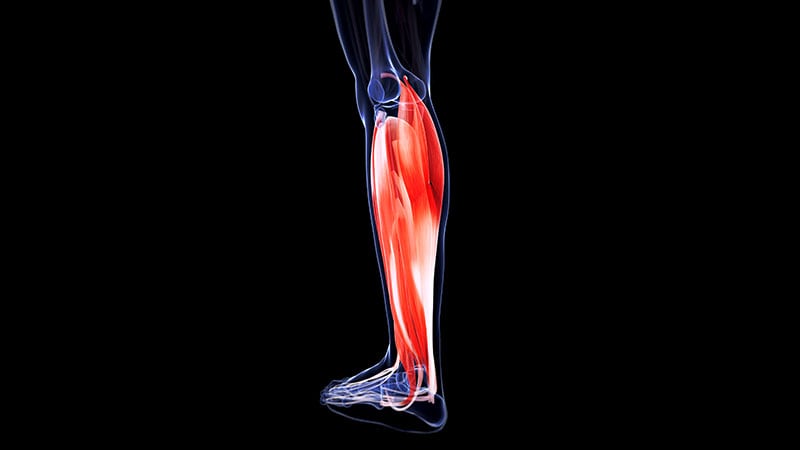
Calorie restriction in humans resulted in changes in muscle cells that are consistent with improved muscle health, suggesting that it could help preserve muscle function during aging. A study called CALERIE found that participants on calorie-restricted diets achieved a 12% reduction in calorie intake and a 10% weight reduction over two years, with minor loss of muscle mass but no significant decline in muscle strength. Gene expression analysis revealed that more than 1,000 genes were expressed differently between calorie-restricted and non-calorie restricted participants, with many of these genes being affected by calorie restriction in animal models. The affected genes were grouped into 53 biological pathways, including those related to muscle formation and repair, circadian clock regulation, and aging. These findings suggest that moderate calorie restriction may prevent age-related declines in muscle function in humans.