Tag

Holocene

All articles tagged with #holocene

Global Ocean Warmth Surpasses Records, Tracing Back to the Last Interglacial
science2 days ago

Global Ocean Warmth Surpasses Records, Tracing Back to the Last Interglacial

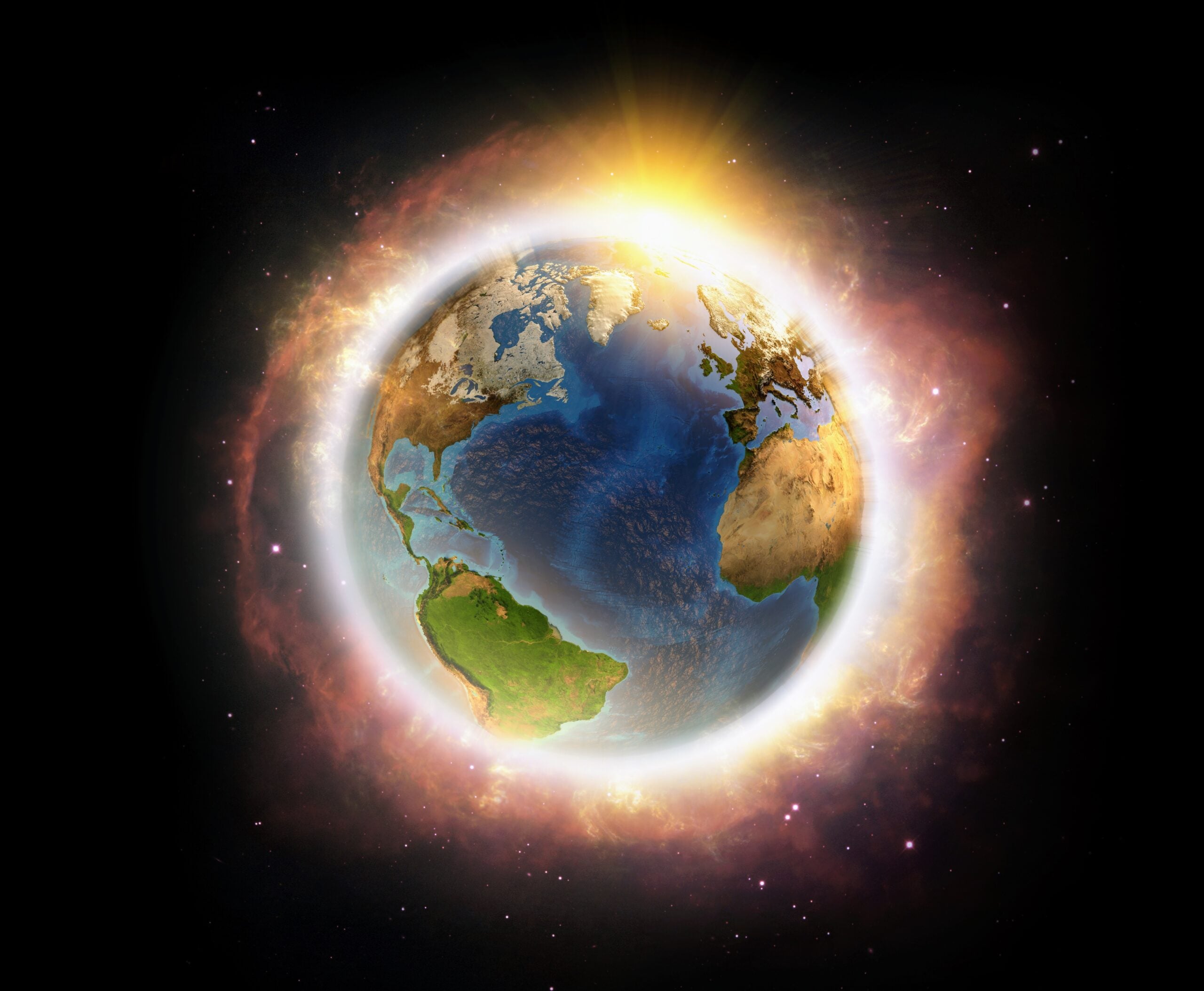
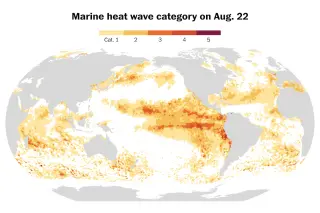
Global sea-surface temperatures surged to a new high—nearly 70°F—likely the warmest in the Holocene and possibly since the last interglacial ~125,000 years ago, driven by a powerful El Niño. Widespread marine heat waves cover large swaths of the oceans (NOAA: ~42% of oceans), especially the Pacific, contributing to extreme weather including storms like Hurricane Lala and spikes in rainfall in the U.S. and heat in Europe.


The Green Sahara’s 20,000-year rhythm: how orbital cycles once turned North Africa lush
science1 month ago

The Green Sahara’s 20,000-year rhythm: how orbital cycles once turned North Africa lush

Earth’s orbital precession creates a roughly 19,000–23,000-year cycle that can pull monsoons deep into North Africa, turning the Sahara into grasslands, wetlands and lakes and even hosting hippos and crocodiles. The last humid phase occurred in the Holocene (about 14,500–5,000 years ago) as a mosaic landscape, not a rainforest, ending gradually as conditions dried. Evidence comes from lake sediments, sapropels, river records and archaeology. Future green periods are not guaranteed and depend on multiple factors, including ice sheets, dust, sea temperatures and human warming—proving the Sahara is not permanently dry.

Antarctica's Past Collapse Signals Future Climate Risks
science8 months ago

Antarctica's Past Collapse Signals Future Climate Risks

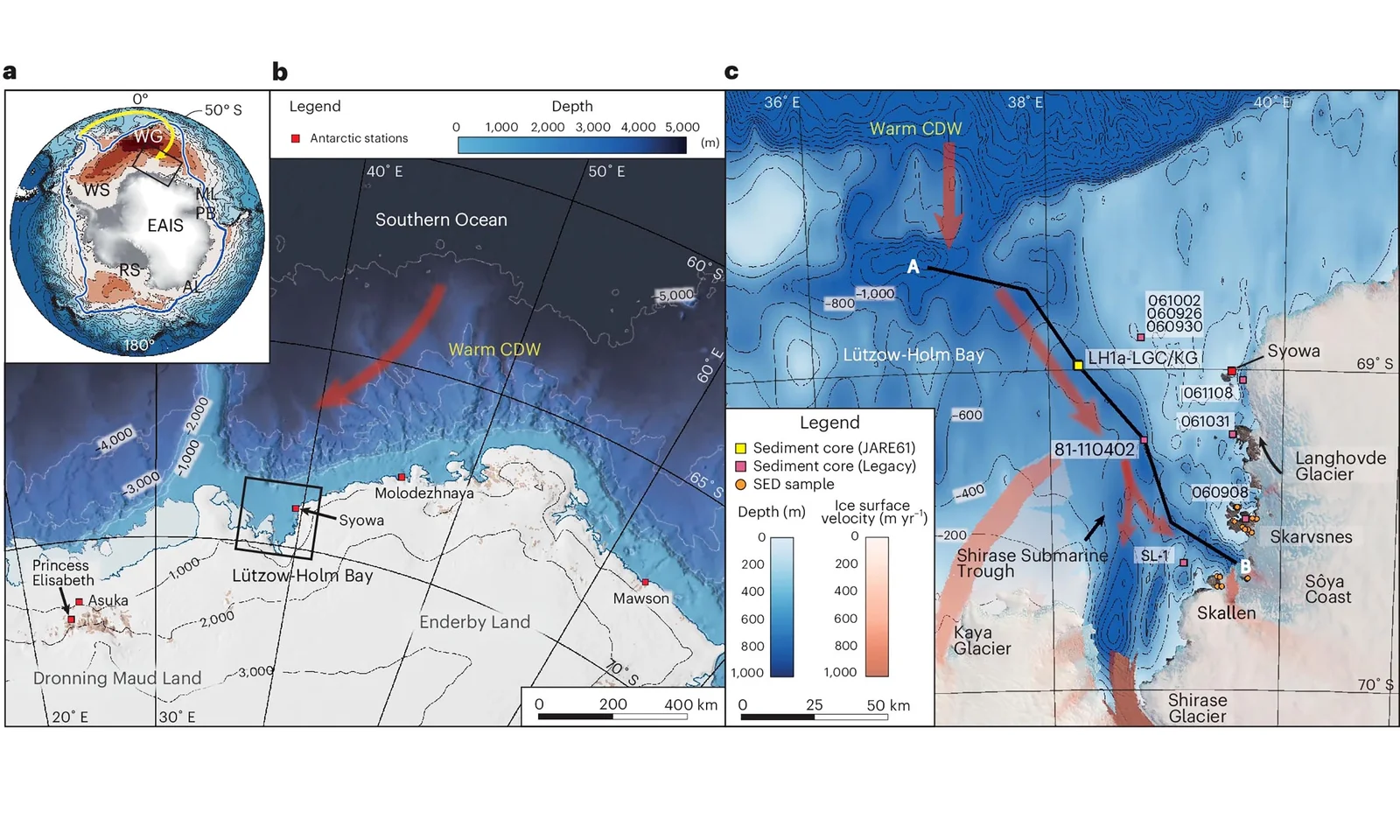
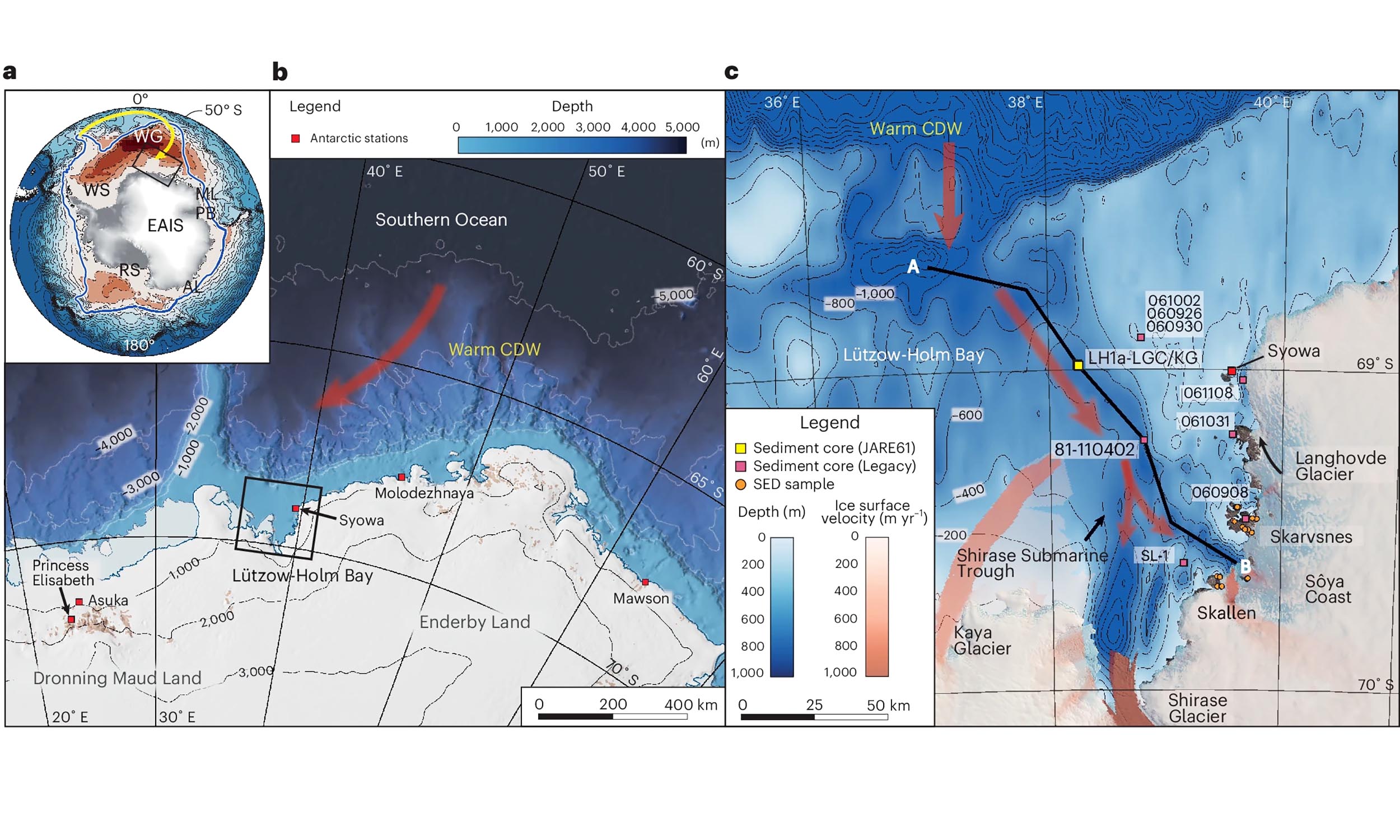
About 9,000 years ago, a rapid collapse of part of Antarctica's East Antarctic Ice Sheet occurred due to warm ocean currents, leading to significant ice loss and potential implications for future sea level rise as modern warming may trigger similar feedback mechanisms. The study highlights the role of warm deep water and meltwater feedbacks in accelerating ice sheet disintegration, emphasizing the importance of understanding ocean-ice interactions in predicting future sea level changes.

Antarctic Ice History Offers Insights for Today's Climate Challenges
science8 months ago

Antarctic Ice History Offers Insights for Today's Climate Challenges

About 9,000 years ago, a rapid collapse of part of Antarctica's East Antarctic Ice Sheet occurred due to warm ocean currents, leading to significant ice loss and potential implications for future sea level rise as modern warming may trigger similar events. The study highlights the role of warm deep water and meltwater feedbacks in accelerating ice sheet disintegration, emphasizing the importance of understanding ocean-ice interactions in predicting future sea level changes.

"Record-Breaking Ancient Volcanic Eruption Near Japan"
science-and-environment2 years ago

"Record-Breaking Ancient Volcanic Eruption Near Japan"

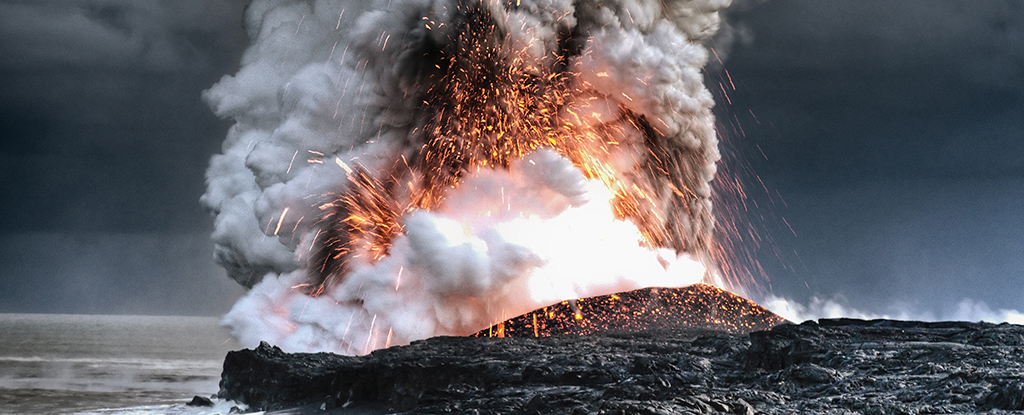
Scientists have confirmed the largest volcanic eruption in the Holocene, occurring around 7,300 years ago at the Kikai Caldera near Japan's Kyūshū island. By analyzing sediment samples and using seismic imaging, researchers estimated that the Kikai-Akahoya eruption covered an area of 4,500 square kilometers, making it the largest volcanic eruption of the Holocene. Understanding past super eruptions is crucial for predicting and preparing for future volcanic events, as they have significant global and historical impacts.

"Geologists Reject Anthropocene Epoch Declaration"
climate2 years ago

"Geologists Reject Anthropocene Epoch Declaration"

A panel of scientists has voted against officially declaring the start of the Anthropocene, a proposed new epoch of geologic time defined by humanity's impact on the planet. The decision means that, according to current geologic timelines, the Earth remains in the Holocene, which began 11,700 years ago. The proposed declaration would have significant implications for scientific terminology and understanding of human-induced changes to the planet for generations to come.

"The Anthropocene: Humanity's Dominance in Earth's New Era"
earth-science3 years ago

"The Anthropocene: Humanity's Dominance in Earth's New Era"

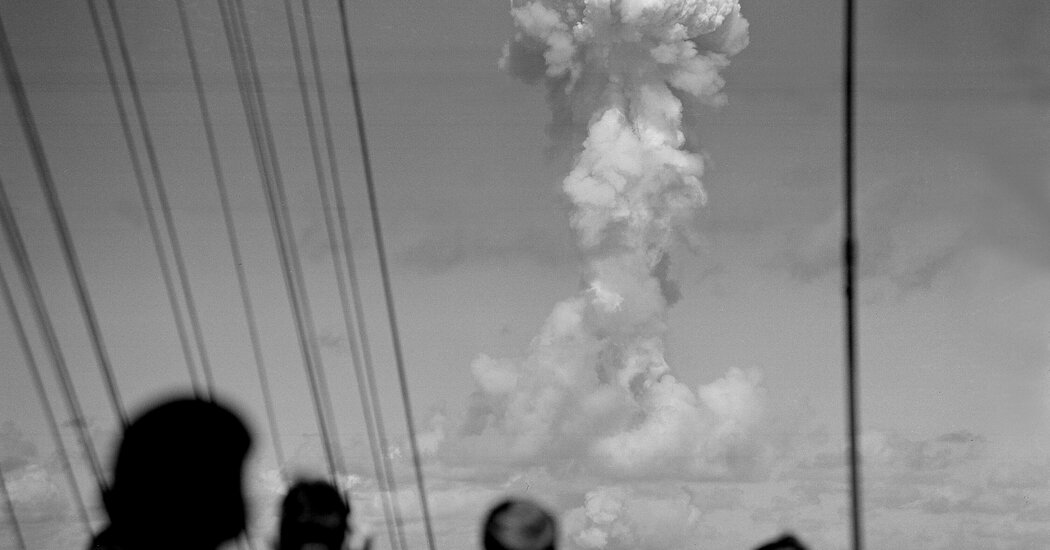
Scientists have concluded that human activities have propelled the Earth out of the stability of the Holocene epoch and into a new geological epoch called the Anthropocene. This proposed epoch, characterized by humanity's enormous impact on the planet, marks a dramatic escalation in various indicators of human influence, such as greenhouse gas concentrations, microplastic pollution, invasive species, and radioactive traces from atomic bomb testing. The exact location of the "golden spike," a geological repository that exemplifies the Anthropocene epoch, will be announced soon. However, the formal acceptance of the Anthropocene by the International Commission on Stratigraphy and the International Union of Geological Sciences is still uncertain, as some scientists argue that it does not meet the technical criteria for inclusion in the official geological timeline.

Deep-sea corals disprove ocean currents' role in atmospheric CO2 rise.
earth-science3 years ago

Deep-sea corals disprove ocean currents' role in atmospheric CO2 rise.

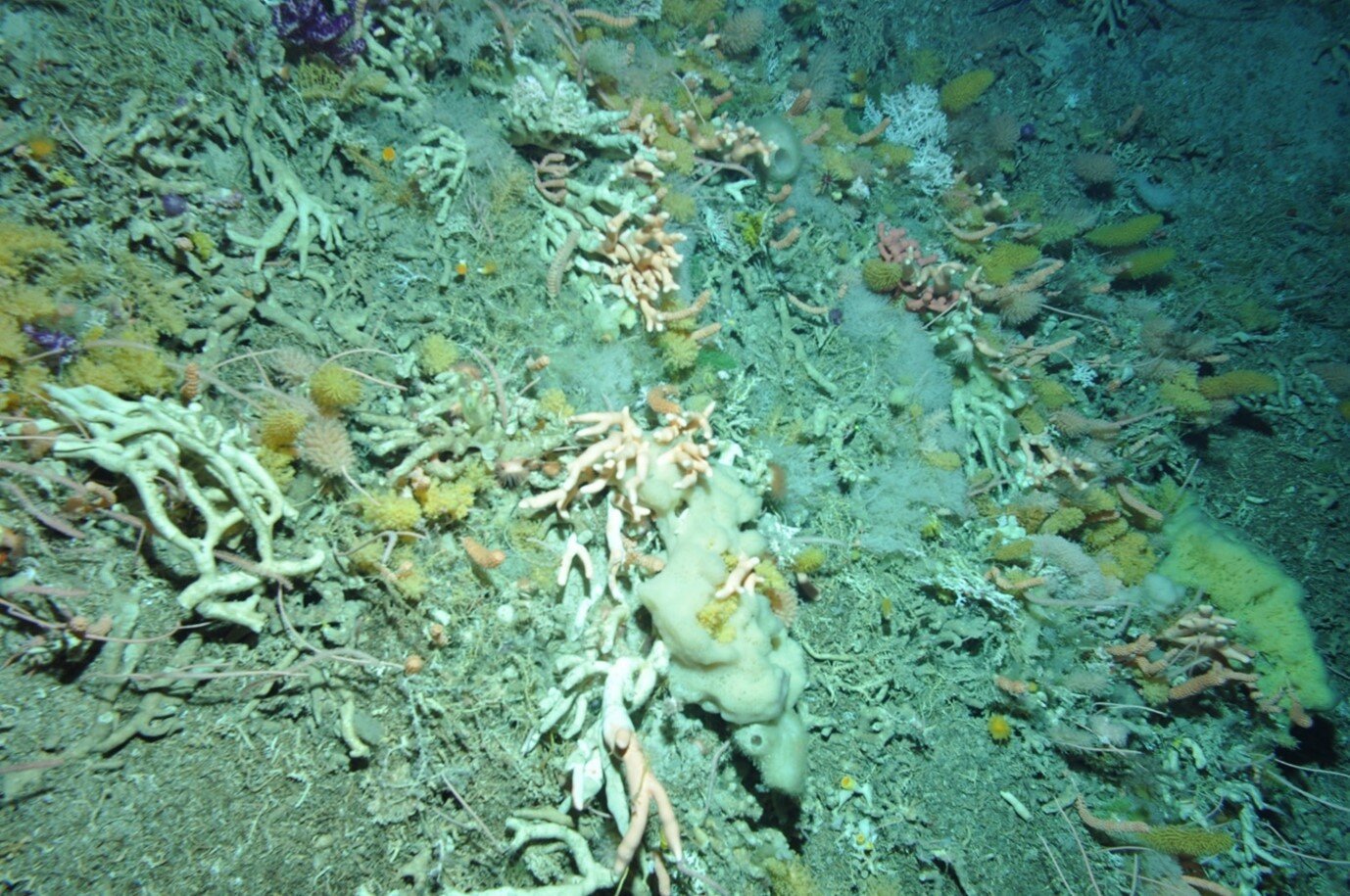
A study led by the University of Bristol and Nanjing University has found that ocean currents did not contribute to the increase in global levels of carbon dioxide in the air over the past 11,000 years. The study examined deep-sea corals to shed light on the history of ocean chemistry and found that long-term polar ocean mixing between surface and deep water remained relatively stable. The researchers propose that biogeochemical cycles that redistribute nutrients and carbon in the ocean and on land may have influenced the rise in atmospheric CO2 levels during the Holocene.