Tag

Lancet

All articles tagged with #lancet

Australian Study Links Persistent BV to Microbiome Failure and Partner Re-infection
health1 month ago

Australian Study Links Persistent BV to Microbiome Failure and Partner Re-infection

Australian researchers identified two distinct pathways for recurrent bacterial vaginosis (BV): failure to clear the infection during treatment and re-infection from partners. Published in The Lancet, the study of 188 couples found that while concurrent partner treatment reduced recurrence by over 60%, approximately one-third of women did not achieve optimal vaginal microbiome recovery after a week of antibiotics, making them nearly three times more likely to relapse within four weeks.


The 10,000-Step Goal Is Marketing, Not Science: 7,000 Is the Real Health Target
health-and-wellness3 months ago

The 10,000-Step Goal Is Marketing, Not Science: 7,000 Is the Real Health Target

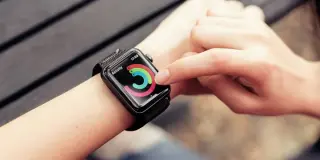
The widely cited 10,000-step daily goal originated from a 1960s Japanese marketing campaign for the Manpo-kei pedometer, not medical research. A 2025 Lancet Public Health review of over 160,000 adults found that major health benefits, including reduced risks of heart disease, cancer, and premature death, are achieved at approximately 7,000 steps per day. Benefits for most conditions plateau after this threshold, except for dementia, which continues to improve with higher activity. Experts emphasize consistency over fixed targets, noting that increasing steps from 2,000 to 4,000 already improves cardiovascular health. Sustainable habits, such as brisk walking and strength training, are more effective than chasing arbitrary numbers.

Tiny Brain, Huge Ventricles: A Surprising Case Behind Leg Weakness
health5 months ago

Tiny Brain, Huge Ventricles: A Surprising Case Behind Leg Weakness

A 44-year-old man in France presented with two weeks of left‑leg weakness. Neuroimaging showed an abnormally small brain (about half the average size) with massive fluid buildup and extremely dilated ventricles pushing brain tissue against the skull, a state likely causing his weakness. He had a history of an infancy shunt that was removed at 14. Doctors drained the excess fluid and inserted a new intracranial shunt, with his neurological exams improving over weeks. Neuropsych tests placed his IQ at about 75 and remained unchanged. The Lancet case report uses this vignette to reflect on human brain growth and its drivers, illustrating how a very small brain can be linked to significant clinical changes when ventricles are enlarged.

PCOS Rebrands as PMOS to spotlight endocrine-metabolic ovarian syndrome
health6 months ago

PCOS Rebrands as PMOS to spotlight endocrine-metabolic ovarian syndrome

Global experts publish in The Lancet a multiyear, multistakeholder process renaming polycystic ovary syndrome (PCOS) to Polyendocrine Metabolic Ovarian Syndrome (PMOS) to avoid the cyst misnomer and better reflect its hormonal and metabolic features, with an eight‑stage plan—from dissemination and resource development to health‑system integration, policy alignment, and international guideline updates—aimed at clearer diagnosis and improved care.

Lancet retracts 1977 unsigned talc commentary after uncovering Johnson & Johnson ties
health8 months ago

Lancet retracts 1977 unsigned talc commentary after uncovering Johnson & Johnson ties

The Lancet has retracted a 1977 unsigned commentary on cosmetic talc after discovering the author was a paid Johnson & Johnson consultant, revealing an undeclared conflict of interest; editors say such unsigned pieces would not be published today, and the decision comes amid decades of talc-related litigation and ongoing debates over asbestos testing in cosmetics, including a FDA rule proposal later withdrawn in 2025.

New review finds cannabis medicines offer minimal relief for most mental health disorders
health8 months ago

New review finds cannabis medicines offer minimal relief for most mental health disorders

A Lancet-published review of 54 randomized trials (1980–2025, 2,477 participants) found cannabis-based medicines provide little to no benefit for most mental health and substance-use disorders such as anxiety, psychotic disorders, PTSD and opioid-use disorder; some limited benefits were seen for cannabis-use disorder withdrawal, Tourette’s tic severity, and certain autistic traits or insomnia, but overall the evidence quality is low and more high-quality trials are needed as medical cannabis use expands.

Antiseizure Drug Shows Promise as a Sleep Apnea Pill
health8 months ago

Antiseizure Drug Shows Promise as a Sleep Apnea Pill

A Phase II trial with 298 adults with untreated moderate-to-severe obstructive sleep apnea found that taking the old anticonvulsant sultiame before bed significantly reduced apnea episodes and improved sleep quality, with the highest dose yielding up to a 47% reduction in events. While promising for those who can’t tolerate CPAP, researchers say longer studies are needed to confirm durability and safety, as part of a broader move toward pill-based apnea treatments that includes other drugs in development like AD109 and tirzepatide.

Lancet survey puts Gaza war toll far above official counts in first 16 months
world9 months ago

Lancet survey puts Gaza war toll far above official counts in first 16 months

A Lancet Global Health study based on a representative survey of 2,000 Gaza families estimates more than 75,000 people were killed in the first 16 months of the Gaza war—about 25,000 more than Gaza’s health ministry reported at the time—with 42,200 of those deaths among women, children and the elderly. The research suggests 3-4% of Gaza’s population was killed violently and notes a substantial number of indirect deaths from the conflict, while stressing that official tallies may be undercounts and that full accounting will take time and significant resources.

Weekend Reads: Unethical vaccine trials, Lancet controversy, and how science learns from its errors
science9 months ago

Weekend Reads: Unethical vaccine trials, Lancet controversy, and how science learns from its errors

Retraction Watch’s weekend roundup highlights the CDC’s hepatitis B vaccine trial ethics concerns, The Lancet’s stance on a paper with falsified data, and broader discussions on how the scientific community corrects itself, along with a wide array of related retractions, fraud reporting, and publishing integrity stories.

Most statin side effects lack evidence, major meta-analysis finds
health9 months ago

Most statin side effects lack evidence, major meta-analysis finds

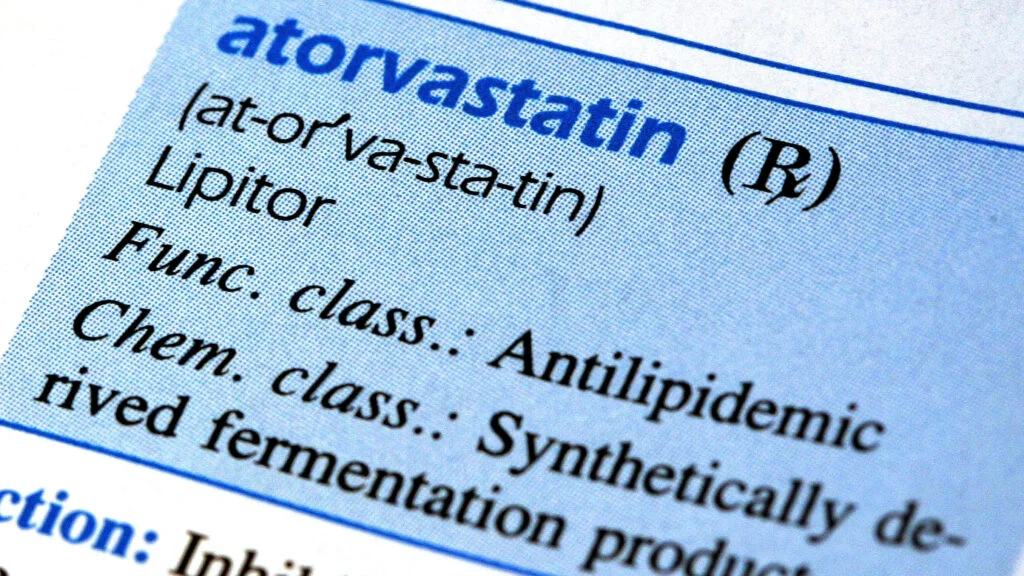
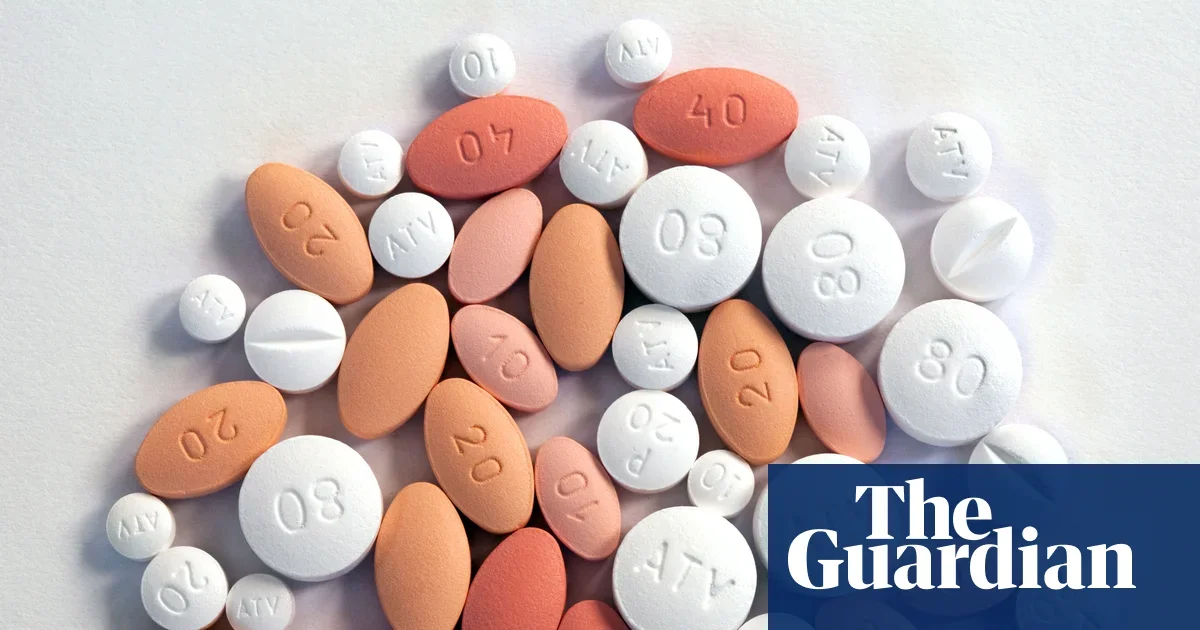
A Lancet meta-analysis of 19 large randomized trials (over 122,000 participants) finds that most reported statin side effects are not supported by reliable evidence, with real adverse effects being rare (about 1% muscle symptoms; rare rhabdomyolysis; small increases in liver tests and glucose for those near diabetes thresholds). The benefits remain substantial: roughly 25% lower risk of heart attack or stroke and meaningful LDL reductions, with inexpensive generic options (~$40/year). Updated PREVENT-based risk estimates could expand who should start statins, underscoring that fears of side effects should not unduly deter appropriate preventive therapy.

Lancet review finds statins far safer than warnings suggest
health9 months ago

Lancet review finds statins far safer than warnings suggest

A Lancet study reviewing trials of statins (over 120,000 participants) finds side effects are rare and not caused by statins, with minimal liver impact and only rare muscle or blood-sugar issues. The findings support updating patient leaflets, emphasize that statins significantly reduce LDL cholesterol and cardiovascular risk, and reinforce their role in preventing heart attacks and strokes.

Big statin side-effect list largely not caused by the drugs, study finds
health9 months ago

Big statin side-effect list largely not caused by the drugs, study finds

A Lancet meta-analysis of 19 randomized trials involving about 124,000 participants over roughly 4.5 years finds that 62 of the 66 side-effects listed for statins have no solid evidence of being caused by the drugs; only four (liver test changes, minor liver abnormalities, urine changes, tissue swelling) have evidence supporting them. Overall, the risk of side-effects is very small and the cardiovascular benefits of statins—reducing heart attacks, strokes and cardiovascular deaths—greatly outweigh harms, prompting calls to update labeling to better reflect the evidence and reassure patients and doctors.

New Lancet review reaffirms paracetamol safety in pregnancy, debunking autism claims
health10 months ago

New Lancet review reaffirms paracetamol safety in pregnancy, debunking autism claims

A Lancet review of 43 high-quality studies involving hundreds of thousands of pregnancies finds no evidence that paracetamol increases autism, ADHD, or developmental issues, even when accounting for genetics and family environment via sibling analyses, reinforcing that paracetamol remains a safe option for fever or pain during pregnancy when used as directed, and countering Trump-era claims linking it to autism.