Tag

Male Fertility

All articles tagged with #male fertility

Global 54% drop in testosterone over five decades, study finds
health-and-wellness3 days ago

Global 54% drop in testosterone over five decades, study finds

A large, multi-country meta-analysis of 118,593 men from 1972–2019 found total testosterone declined by 54% worldwide, averaging more than 1% per year and accelerating after 2000, beyond age-related declines; the researchers note obesity and metabolic syndrome could explain part of the drop and highlight potential roles for environmental chemicals, lifestyle factors, and other health trends, with implications for overall male hormonal health and fertility.

The Spermageddon Debate: What the Data Really Say About Male Fertility
science3 days ago

The Spermageddon Debate: What the Data Really Say About Male Fertility

The piece questions whether reports of a global male fertility crisis are overstated, noting that some regions show declines in sperm counts or testosterone while others do not and methodologies vary. It explains that environmental chemicals, pollution, and lifestyle may influence fertility, but there is no universal consensus on causes or the magnitude of declines, underscoring the need for robust, long‑term data before declaring a worldwide trend.

Global drop in men's testosterone over decades sparks fertility health alarm
health6 days ago

Global drop in men's testosterone over decades sparks fertility health alarm

Six longitudinal studies with 118,593 men from Israel, the US, Brazil, Finland and Denmark show total testosterone declined by about 54% from 1972 to 2019, with steeper falls after 2000. While obesity and metabolic syndrome likely explain part of the drop, researchers say environmental factors such as endocrine-disrupting chemicals and climate change could also contribute. The findings fuel debate about a male fertility crisis, but causality is not settled; reducing exposure to hazardous chemicals and addressing health factors are urged, and testosterone therapy can suppress sperm production.

Air pollution may reprogram sperm DNA, raising fertility concerns
health8 days ago

Air pollution may reprogram sperm DNA, raising fertility concerns

A large fertility study following over 2,000 men links exposure to outdoor pollutants (notably ozone and nitrogen dioxide) during sperm development to subtle DNA methylation changes in sperm that regulate gene activity. Researchers identified 39 pollution-associated DNA changes, including in the GNAS gene, suggesting a potential mechanism by which air pollution could affect fertility. However, a direct link to infertility has not been proven, and further work is needed to confirm clinical significance.

Sperm-Maxxing Buzz Triggers Real Talk on Male Fertility
health27 days ago

Sperm-Maxxing Buzz Triggers Real Talk on Male Fertility

Wellness influencers promoting supplements and 'sperm-maxxing' hacks are drawing attention to male fertility, but doctors warn much of the online guidance is unproven or risky; real gains come from medical evaluation (hormone tests, semen analysis) and proven lifestyle changes—weight, sleep, smoking, exercise, and avoiding heat exposure—while factors like age and environmental toxins also matter. Testosterone therapy can hinder fertility, and zinc/folate supplements haven’t consistently improved outcomes, though the trend has at least increased men’s engagement with reproductive health.

Cannabis use linked to lower sperm quality in men, experts say
health2 months ago

Cannabis use linked to lower sperm quality in men, experts say

Cannabis use, especially heavy and chronic use, may impair male fertility by lowering sperm count and mobility and altering reproductive hormones; human studies link cannabis to reduced semen quality, though evidence is mixed; experts say stopping cannabis for at least three months before attempting conception can improve fertility, highlighting that male infertility is common and under‑evaluated.

Frequent ejaculation linked to a small fertility boost, study finds
health3 months ago

Frequent ejaculation linked to a small fertility boost, study finds

A large meta-analysis across human and non-human studies shows that regular ejaculation helps prevent rapid deterioration of stored sperm, with longer abstinence associated with increased DNA damage and reduced motility. The findings suggest a modest fertility benefit from frequent ejaculation and hint that ejaculation timing could influence IVF success; current guidelines allowing up to seven days between samples may warrant revision.

Common Parasite May Significantly Reduce Male Fertility by Destroying Sperm
health1 year ago

Common Parasite May Significantly Reduce Male Fertility by Destroying Sperm

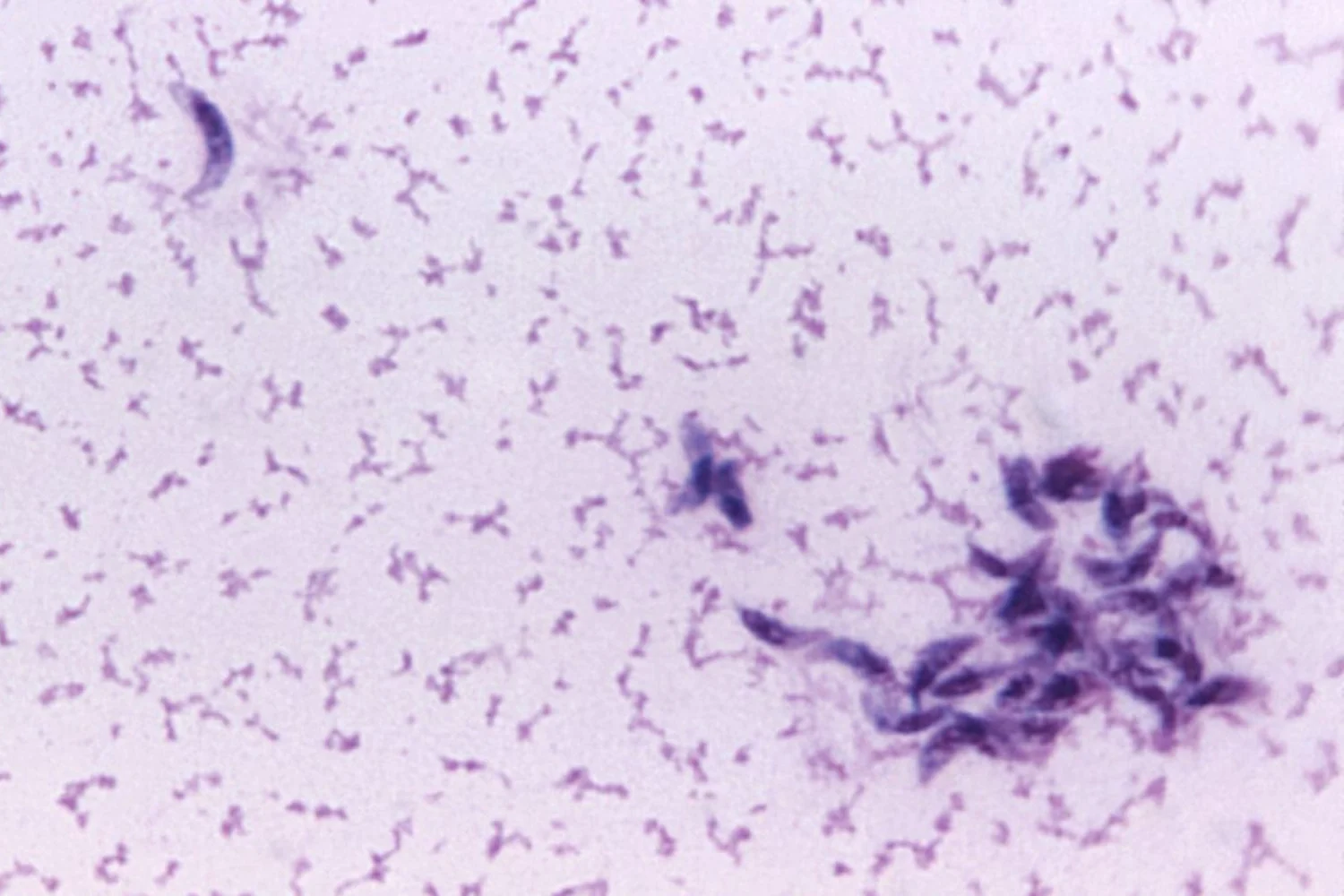
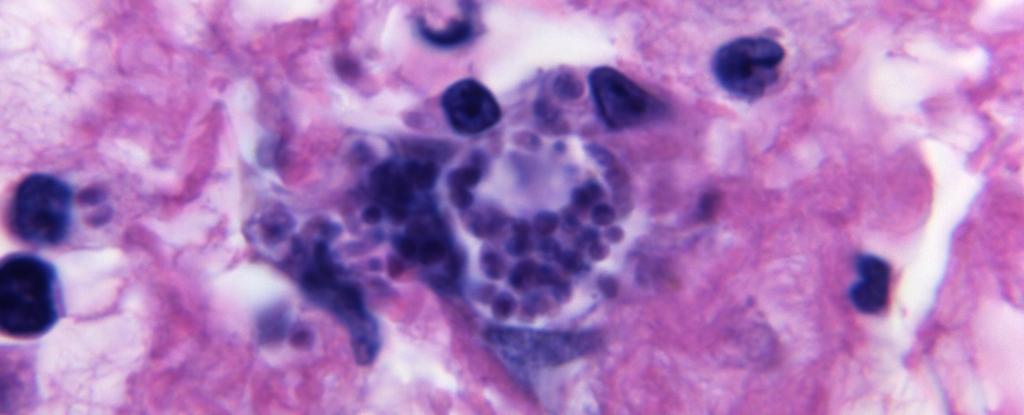
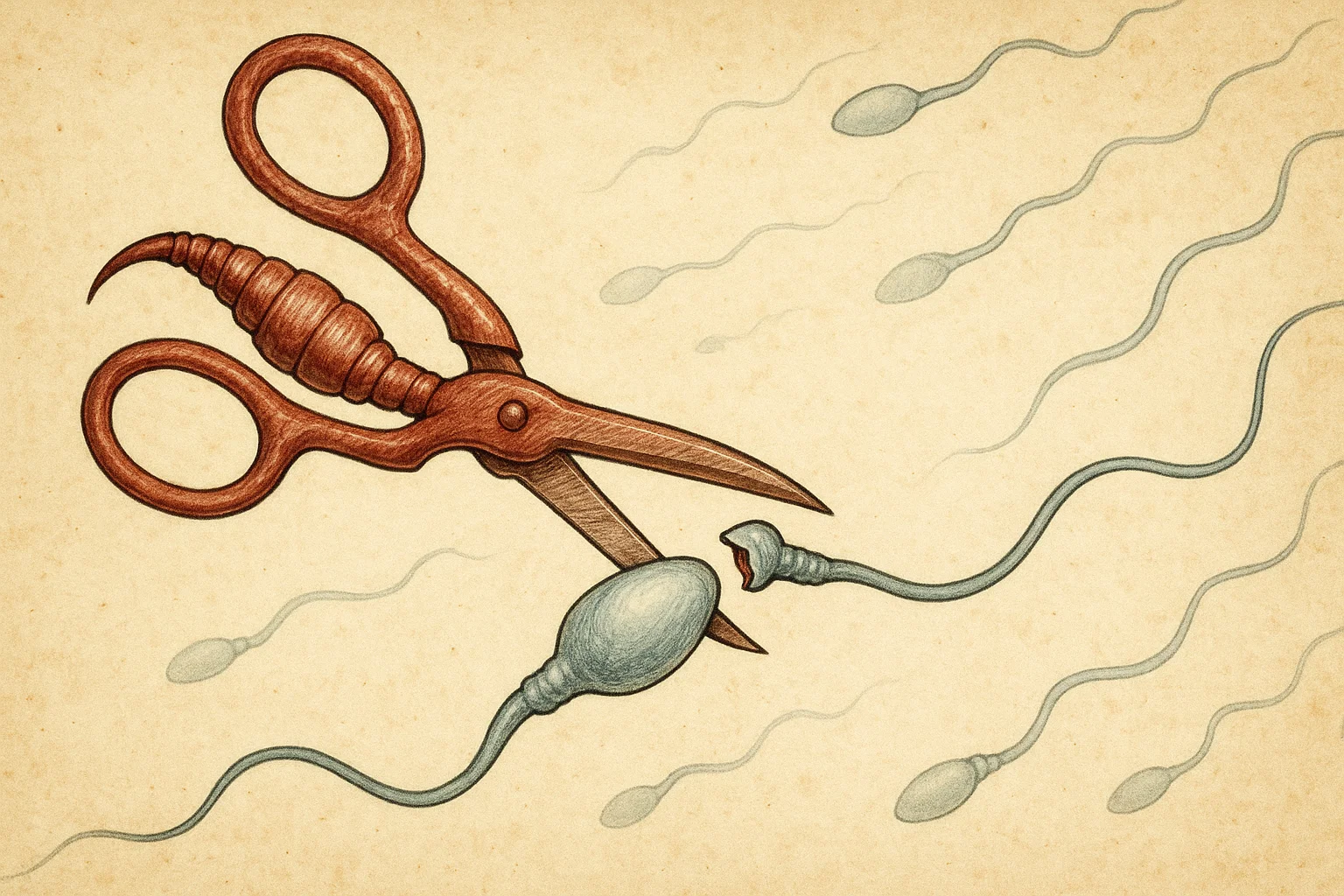
A recent study suggests that the parasite Toxoplasma gondii can directly damage human sperm by causing decapitation and deformities, potentially contributing to global male infertility trends. The parasite can infect male reproductive organs, and exposure may be linked to reduced sperm quality, although more research is needed to confirm this connection. Preventative measures include proper hygiene, cooking meat thoroughly, and avoiding raw foods.

Parasite Infecting 50% of People May Decapitate Human Sperm
health1 year ago

Parasite Infecting 50% of People May Decapitate Human Sperm

A recent study suggests that the parasite Toxoplasma gondii can directly damage human sperm by causing decapitation and deformities, potentially contributing to declining male fertility rates worldwide. The parasite infects many people globally and can target reproductive organs, raising concerns about its impact on human fertility, although more research is needed. Preventative measures include proper food handling and hygiene practices.

Parasite in Cat Poop Can Quickly Destroy Human Sperm
health1 year ago

Parasite in Cat Poop Can Quickly Destroy Human Sperm

A recent study shows that the parasite Toxoplasma gondii can directly damage human sperm, potentially contributing to declining male fertility rates, by decapitating sperm cells within five minutes of contact. The parasite infects various organs, including reproductive organs, and is widespread globally, emphasizing the importance of prevention measures such as proper food handling and hygiene.

Microplastics Detected in Human Testicles, Raising Health Concerns
health2 years ago

Microplastics Detected in Human Testicles, Raising Health Concerns

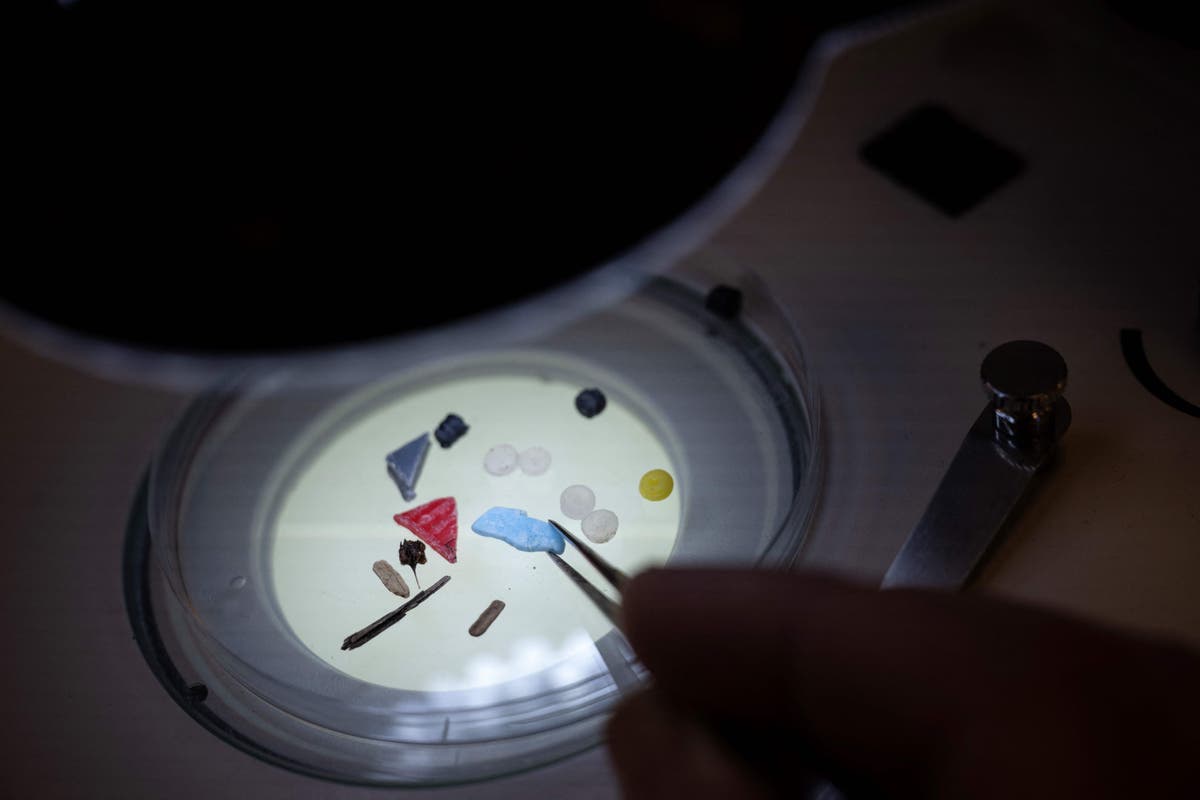
A study published in the Journal of Toxicological Studies has found microplastics in human and dog testicles, raising concerns about potential impacts on sperm quality and male fertility. Microplastics, which enter the body through food, air, and various products, can accumulate in organs and disrupt hormone signaling. Experts recommend reducing exposure by avoiding plastic containers and practicing good hygiene to mitigate health risks.

Microplastics Ubiquitous in Human and Dog Testicles, Study Finds
healthenvironment2 years ago

Microplastics Ubiquitous in Human and Dog Testicles, Study Finds

Scientists at the University of New Mexico have discovered microplastics in every testicle sample from both dogs and humans, raising concerns about male fertility. The study found that higher levels of PVC in canine tissue correlated with lower sperm counts, suggesting that microplastics could interfere with reproductive health. The findings highlight the pervasive presence of microplastics and the urgent need to address plastic pollution to protect future generations.

Microplastics Found in Human Testicles, Raising Health Concerns
health2 years ago

Microplastics Found in Human Testicles, Raising Health Concerns

Recent research suggests that microplastics may be a hidden factor contributing to the global decline in sperm counts, which have dropped by 1.2% per year from 1973 to 2018. A study found significant concentrations of microplastics in human testicles, raising concerns about their potential impact on male fertility. While experts acknowledge the presence of microplastics in the body, they stress that more research is needed to understand their effects on sperm production and quality. Reducing exposure to microplastics may help, but the exact implications remain uncertain.

health2 years ago

"Improving Male Fertility: Antioxidant-Rich Foods and Lifestyle Factors"

Male infertility is a growing concern, with 30-50% of cases attributed to factors like varicocele, smoking, and nutritional deficiencies. Oxidative stress, caused by an imbalance between free radicals and antioxidants, can harm sperm DNA and fertility. Antioxidant-rich foods such as nuts, seeds, turmeric, ginger, green tea, leafy greens, berries, and garlic can help improve sperm quality and protect against oxidative damage, offering natural methods to enhance male fertility.