Tag

Metal Enrichment

All articles tagged with #metal enrichment

Scorpions Get Metallic Armor: Metals Harden Stingers and Claws
science28 days ago

Scorpions Get Metallic Armor: Metals Harden Stingers and Claws

Researchers mapped metal distribution (zinc, manganese, iron) in the stingers and pincers of 18 scorpion taxa from the Smithsonian using high‑resolution imaging. They found intentional metal enrichment: zinc at the stinger tip to harden the spear, manganese lower down to improve flexibility and vibration absorption, and iron in claw denticles to boost abrasion resistance. Patterns vary with species’ hunting vs. defensive use, with zinc enrichment higher in weaker, slender claws and an inverse relationship between stinger and claw zinc levels, suggesting evolutionary allocation of metals to the weapon most used. The study also notes intra‑species variation and life‑stage differences remain to be explored.

Scorpions’ Claws and Stingers Harbor Metals, Study Finds
science1 month ago

Scorpions’ Claws and Stingers Harbor Metals, Study Finds

A Smithsonian-led study analyzing 18 scorpion species finds metals, especially zinc and manganese, are embedded in their pincers and stingers and vary by species in a way that reflects an evolutionary trade-off between durability and leverage; the research, using electron microscopy and X-ray fluorescence, suggests metal enrichment is widespread among scorpions and lays groundwork for broader comparisons and future questions about diet and gender differences, with the findings published in the Journal of the Royal Society Interface.

Cosmic teens grow up fast: JWST reveals rapid maturity of early galaxies
astronomy4 months ago

Cosmic teens grow up fast: JWST reveals rapid maturity of early galaxies

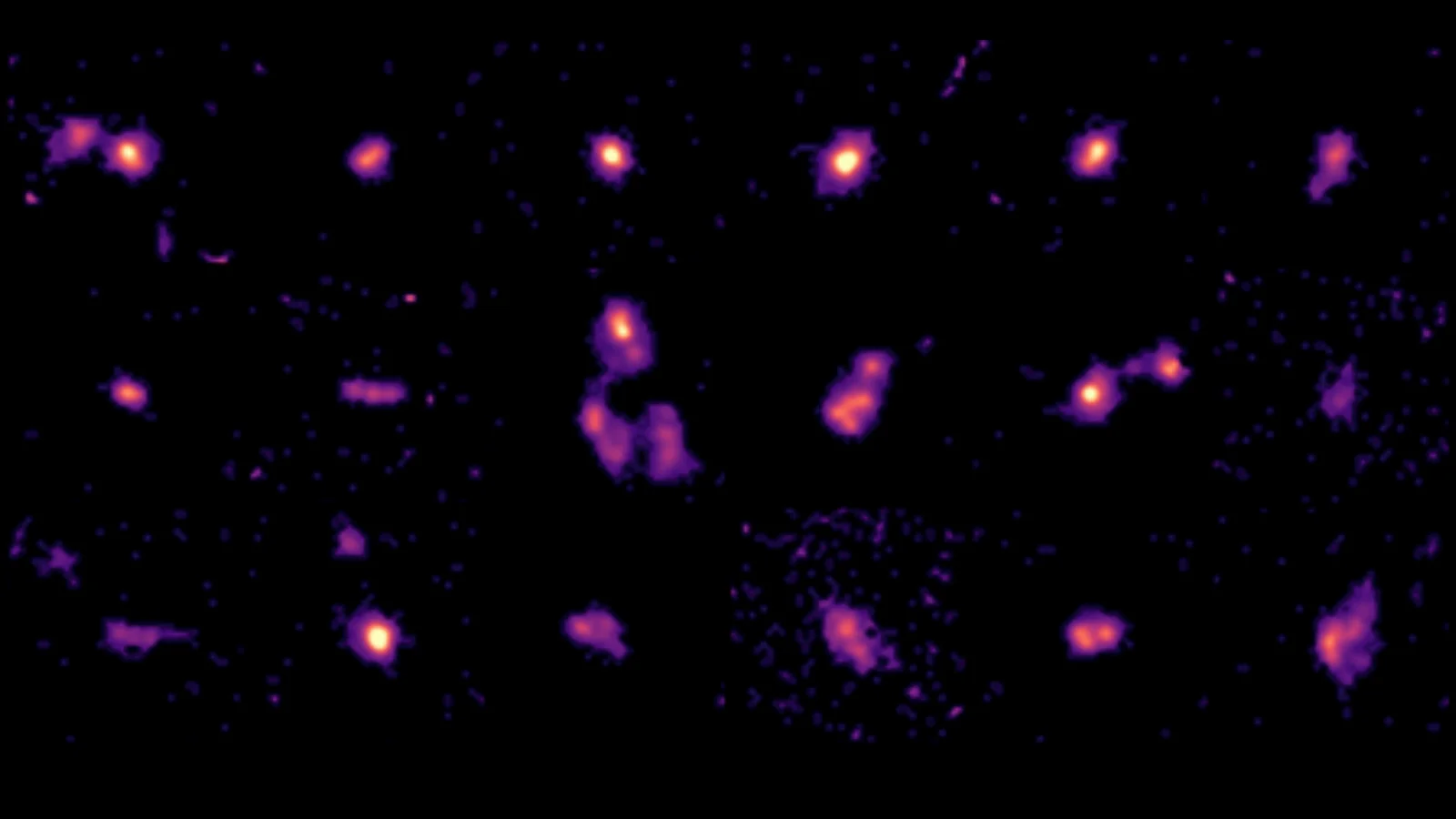
Astronomers using the James Webb Space Telescope (with Hubble and ALMA) observed 18 galaxies about 12.5 billion light-years away and found they were rapidly forming stars and already metal-rich (carbon, oxygen), with rotating disks and vigorously accreting supermassive black holes—indicating structural and chemical maturity far earlier than models had predicted.