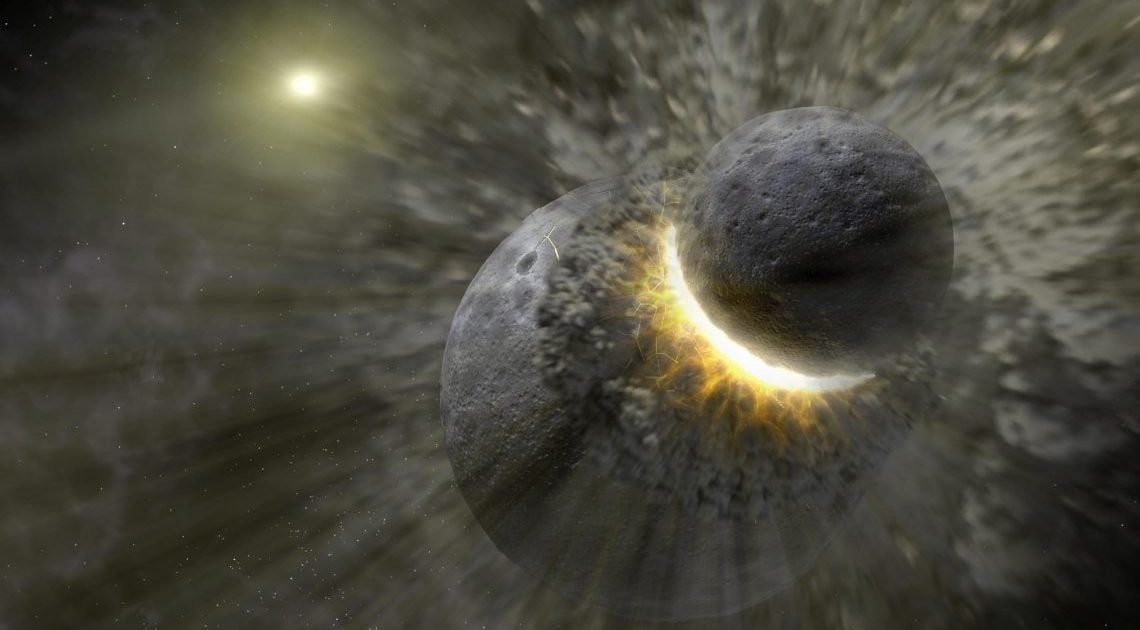
Moon could form in just five hours after Earth-Theia collision, study suggests
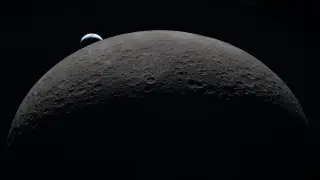
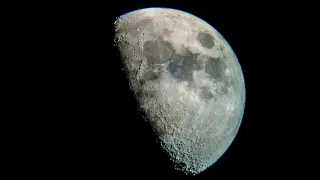
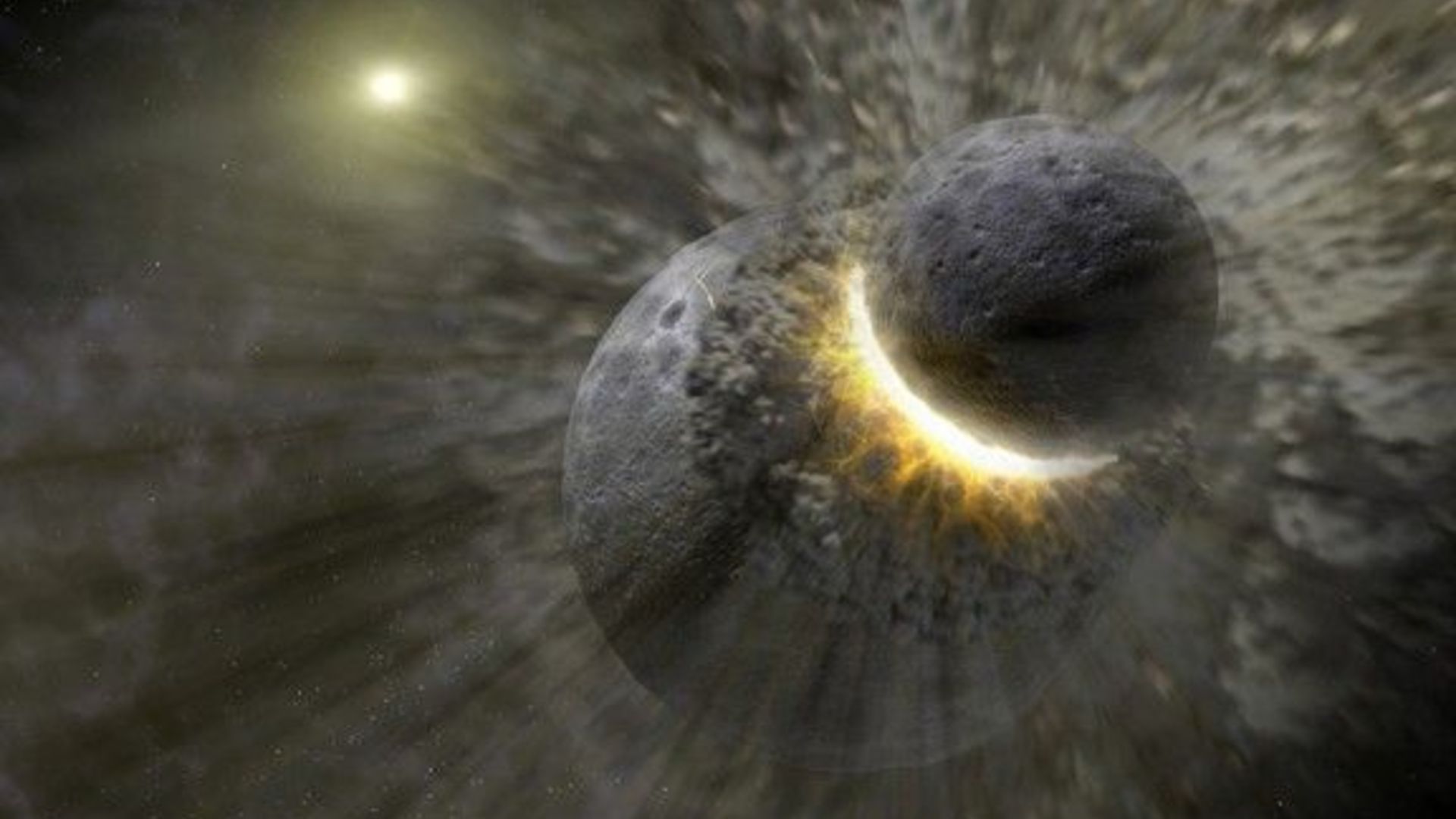
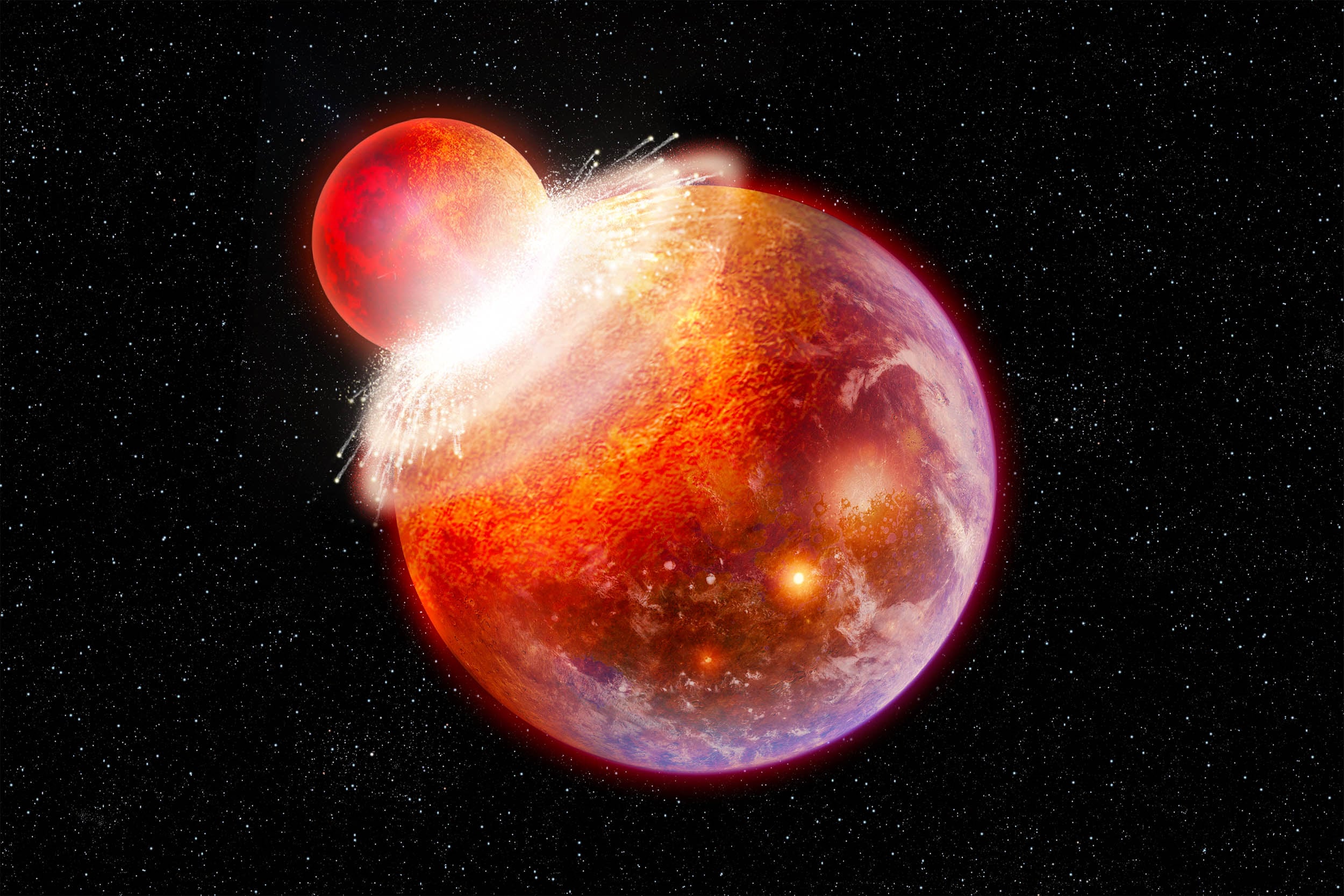
A new simulation-based study suggests the Moon could have formed in as little as five hours after the giant impact between early Earth and a Mars-sized protoplanet called Theia, depending on extreme temperatures and the material strength of both bodies. If correct, this rapid formation would rewrite timelines for lunar genesis and highlight how rock strength affects debris accretion in planetary collisions, with implications for exomoon searches and understanding other ancient impacts.