Tag

Naked Eye

All articles tagged with #naked eye

Apophis 2029: Naked-eye asteroid flyby that will skim Earth
space8 days ago

Apophis 2029: Naked-eye asteroid flyby that will skim Earth

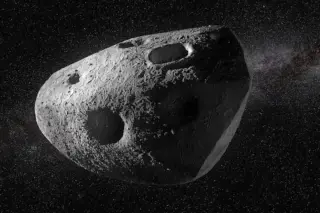
A 375-meter asteroid named Apophis will pass about 31,600 kilometers from Earth on 13 April 2029, closer than geostationary satellites and bright enough to be seen with the naked eye by up to two billion people across Europe, Africa and western Asia. It's a safe flyby with no collision risk for at least a century, and space agencies plan missions OSIRIS-APEX and Ramses to study the encounter and improve understanding of asteroid structure and planetary defence.

Apophis: Naked-eye near-Earth visitor set for a historic 2029 pass
science2 months ago

Apophis: Naked-eye near-Earth visitor set for a historic 2029 pass

NASA says the 1,230-foot asteroid Apophis, nicknamed the God of chaos, will skim past Earth in 2029 at about 20,000 miles (roughly 32,000 kilometers) away — closer than many satellites and potentially visible to the naked eye in the Eastern Hemisphere if weather cooperates. There is no risk to Earth, and radar observations have ruled out impact for at least a century. ESA plans to deploy the Rapid Apophis Mission to study its gravity-induced effects, and Apophis will return in 2036 at a much safer distance.

Guide to Spotting Bright Comets Lemmon and Others This October
science9 months ago

Guide to Spotting Bright Comets Lemmon and Others This October

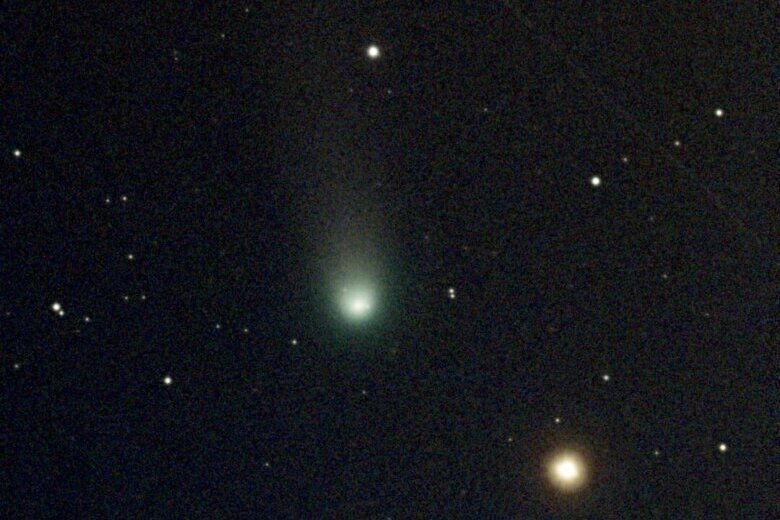
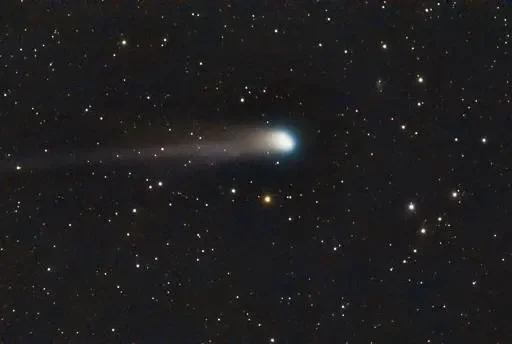
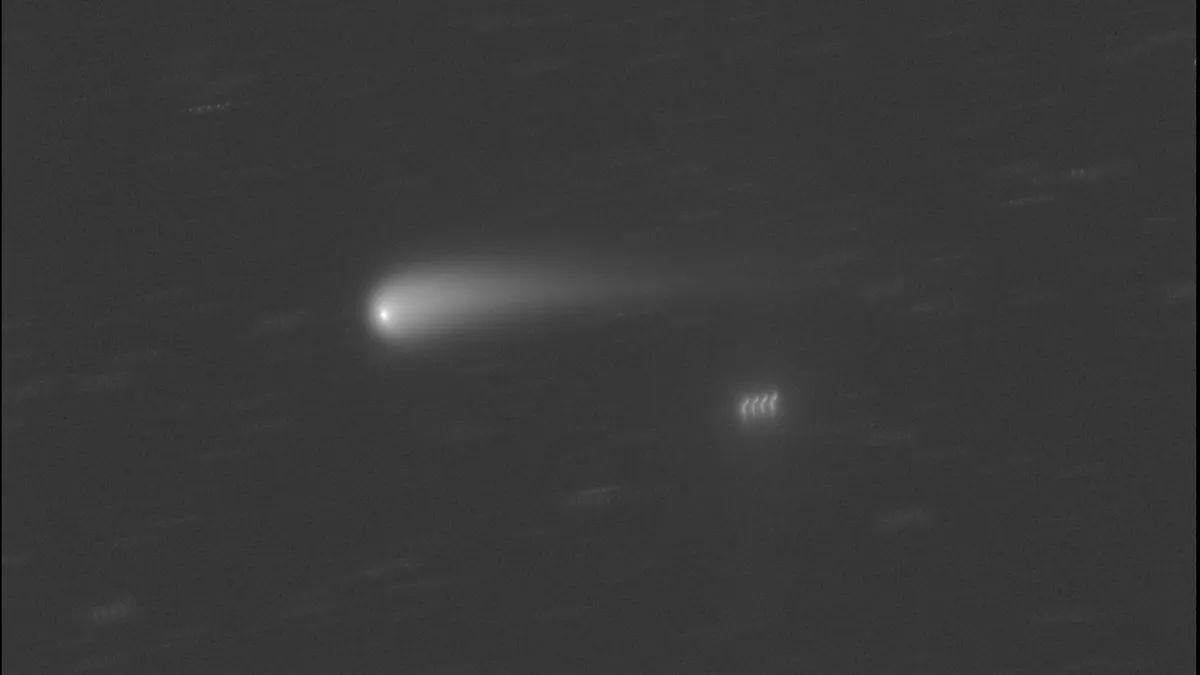
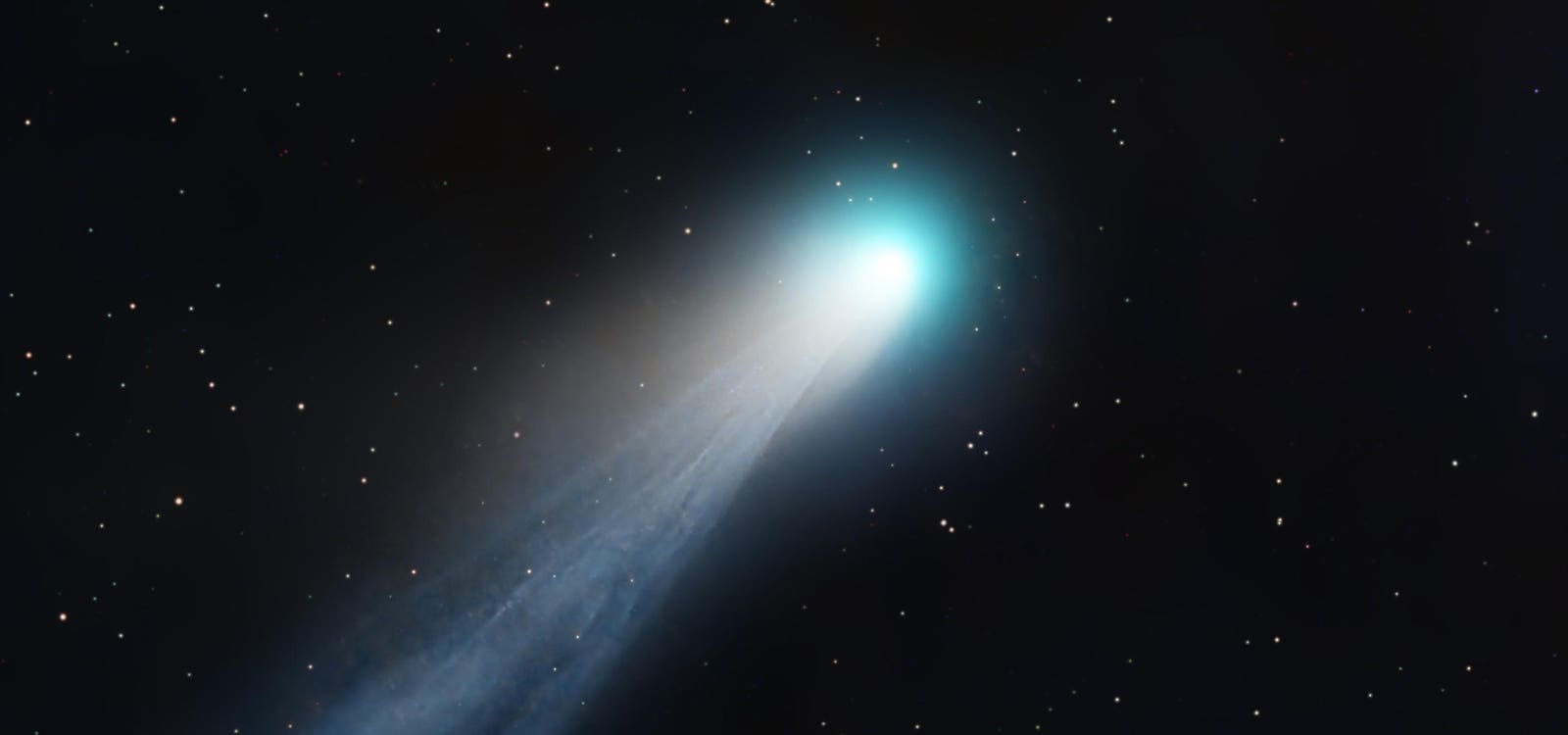
Comet C/2025 A6 Lemmon is becoming bright enough to be visible to the naked eye in the coming days, offering a great opportunity for sky watchers to observe it with minimal equipment, especially in dark, clear skies before dawn or after sunset. The comet's brightness is expected to increase through October and possibly November, and viewers are encouraged to use telescopes, binoculars, and cameras for a better experience.

"Rare Comet C/2023 A3 to Illuminate Earth’s Sky"
science-and-space2 years ago

"Rare Comet C/2023 A3 to Illuminate Earth’s Sky"

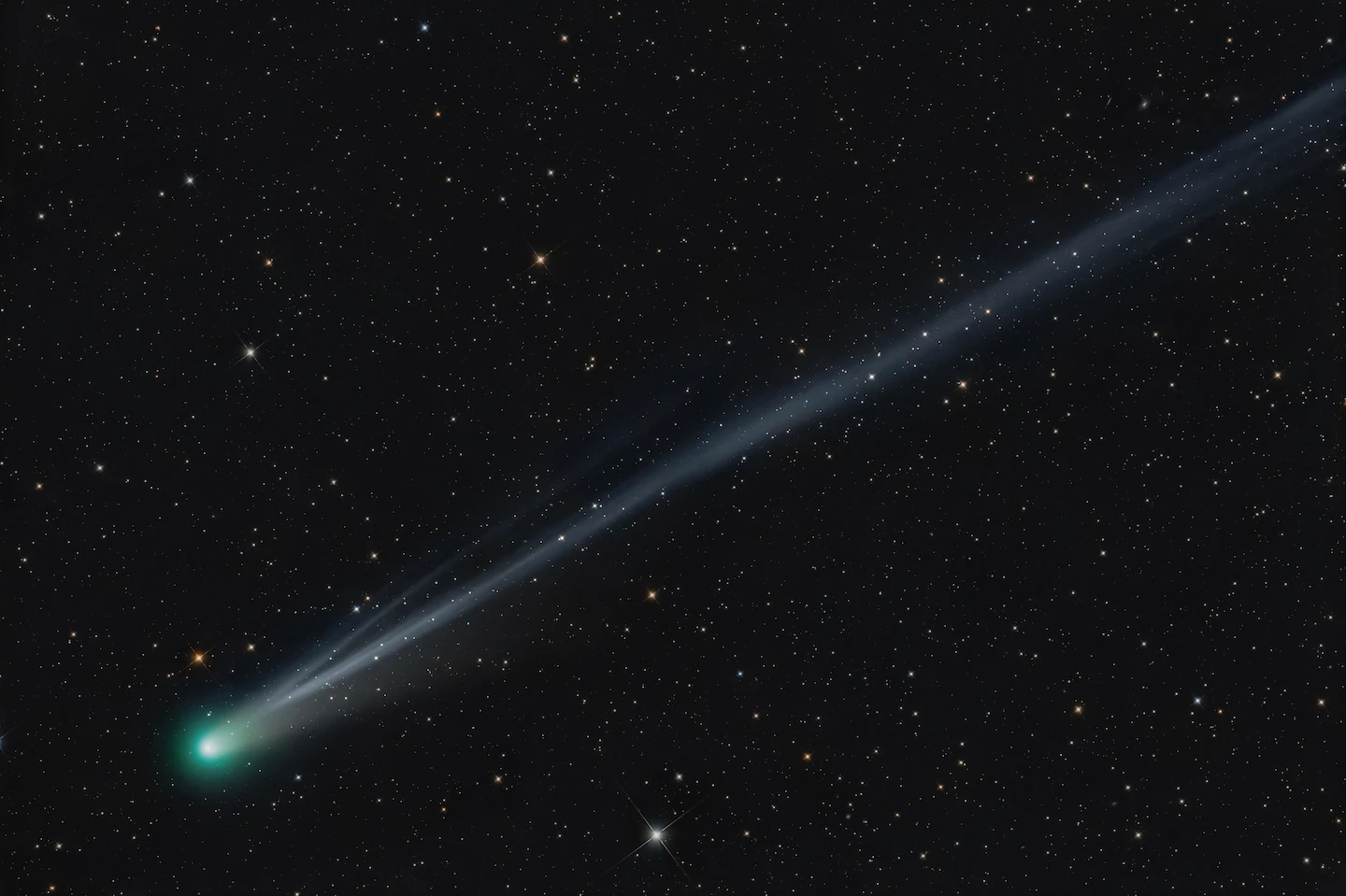
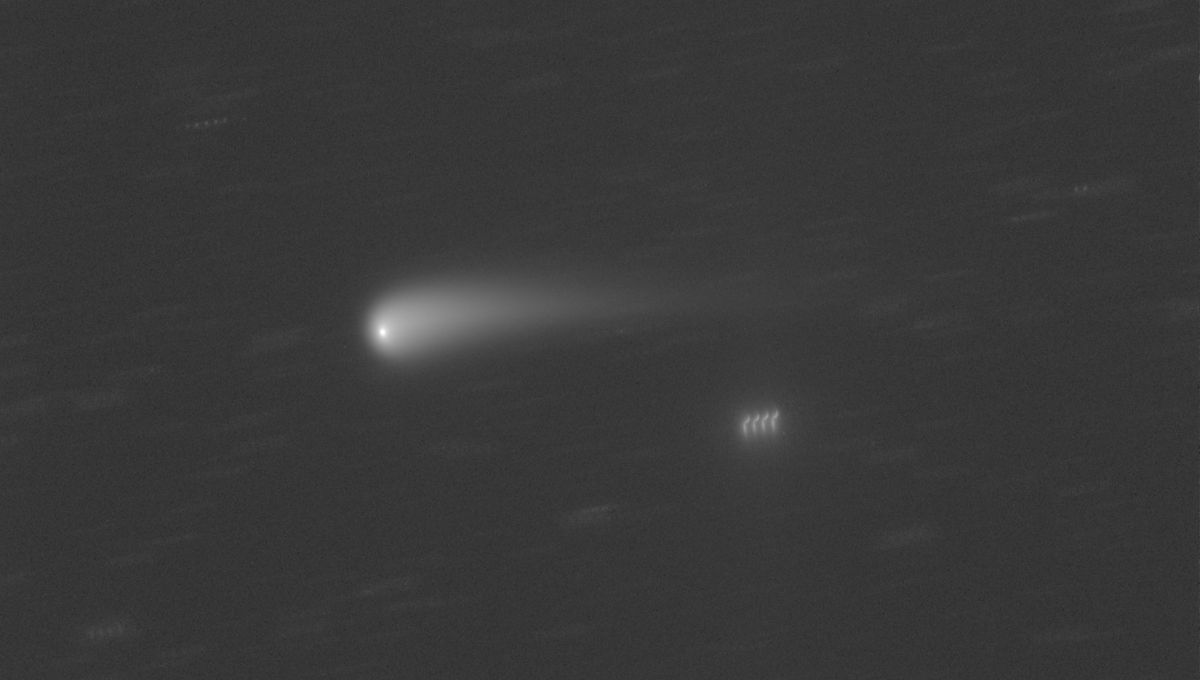
Comet C/2023 A3 (Tsuchinshan-ATLAS) may become visible to the naked eye in October 2024, potentially brightening to first or second magnitude and developing a notable tail. However, as a first-time visitor from the Oort cloud, its brightness could falter, making its visibility uncertain. Observers in the Southern Hemisphere will track its progress this summer.