46,000-Year-Old Nematodes Come Back to Life From Siberian Permafrost
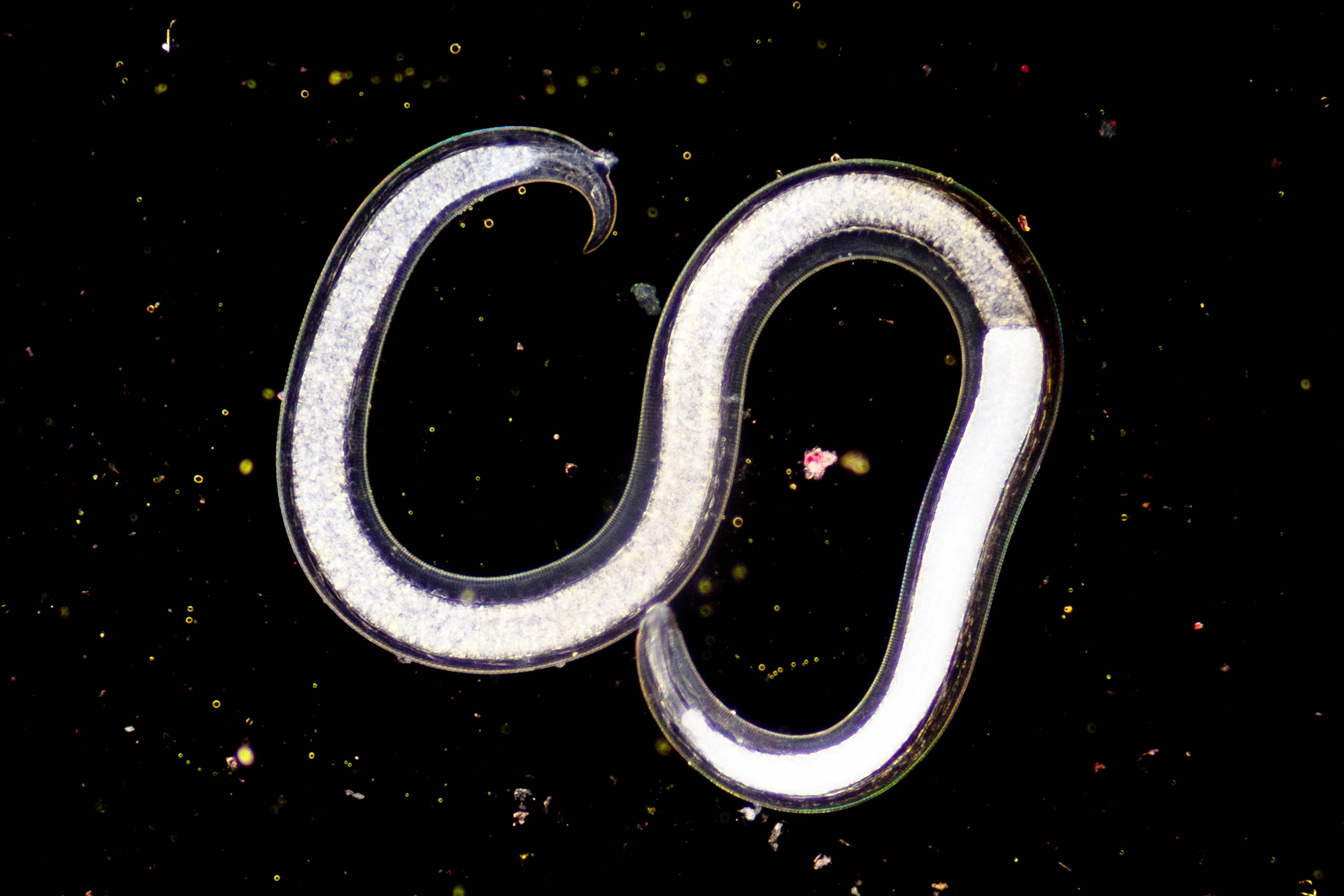
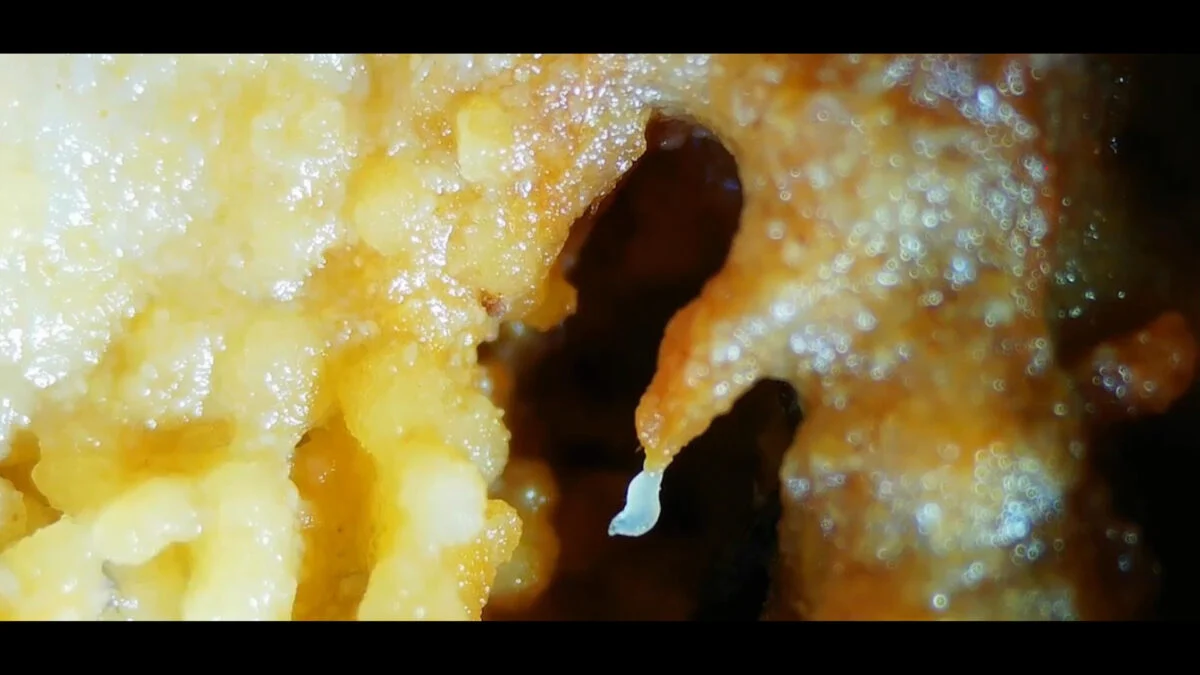
Scientists revived Panagrolaimus kolymaensis, a 46,000-year-old nematode from Siberian permafrost; after thawing it briefly survived and then reproduced asexually for 100+ laboratory generations, with cryptobiosis and trehalose helping its cells endure freezing. The finding, reported in PLoS Genetics, offers new insights into evolutionary timelines, generation variability, and the potential to study resurrected ancient lineages for biodiversity and extinction-prevention research.