Metabolism Decides Survival in Earth's Great Ocean Catastrophe
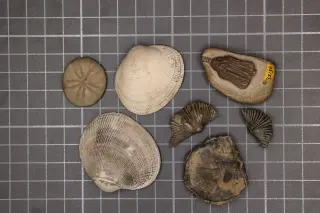
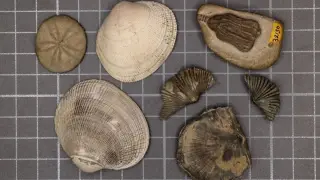
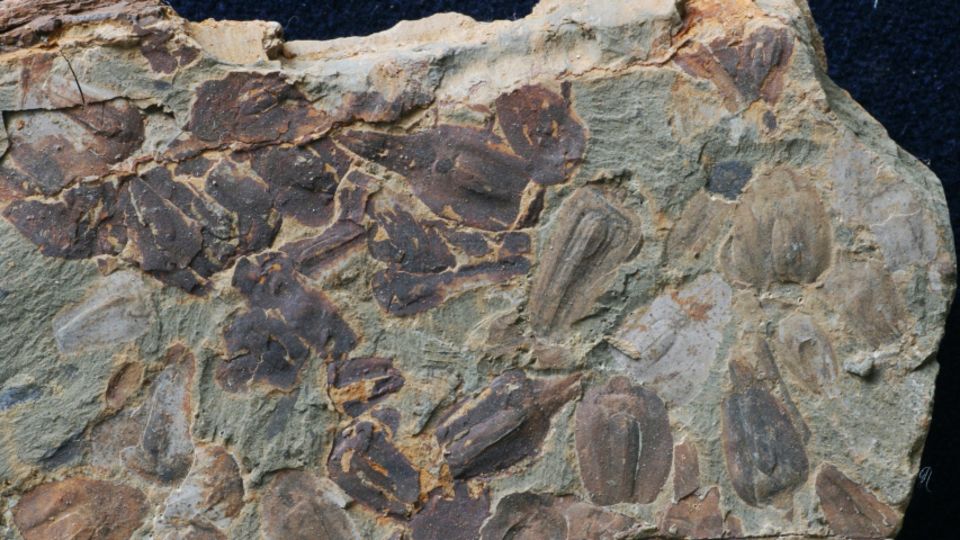
A Stanford-led study of the end-Permian mass extinction (the Great Dying) finds that survival hinged on metabolism: species with faster metabolisms could cope with warmer, oxygen-poor oceans, while slow-metabolizing brachiopods perished, leaving mollusks, fish, and echinoderms to dominate. The research links oxygen demand to warming and acidification, suggesting metabolism as a predictor of which modern ocean species may endure or vanish under current climate change.