Tag

Oort Cloud

All articles tagged with #oort cloud

Ancient Oort Cloud Visitor C/2025 R3 PANSTARRS Graces the Night Sky
science16 days ago

Ancient Oort Cloud Visitor C/2025 R3 PANSTARRS Graces the Night Sky

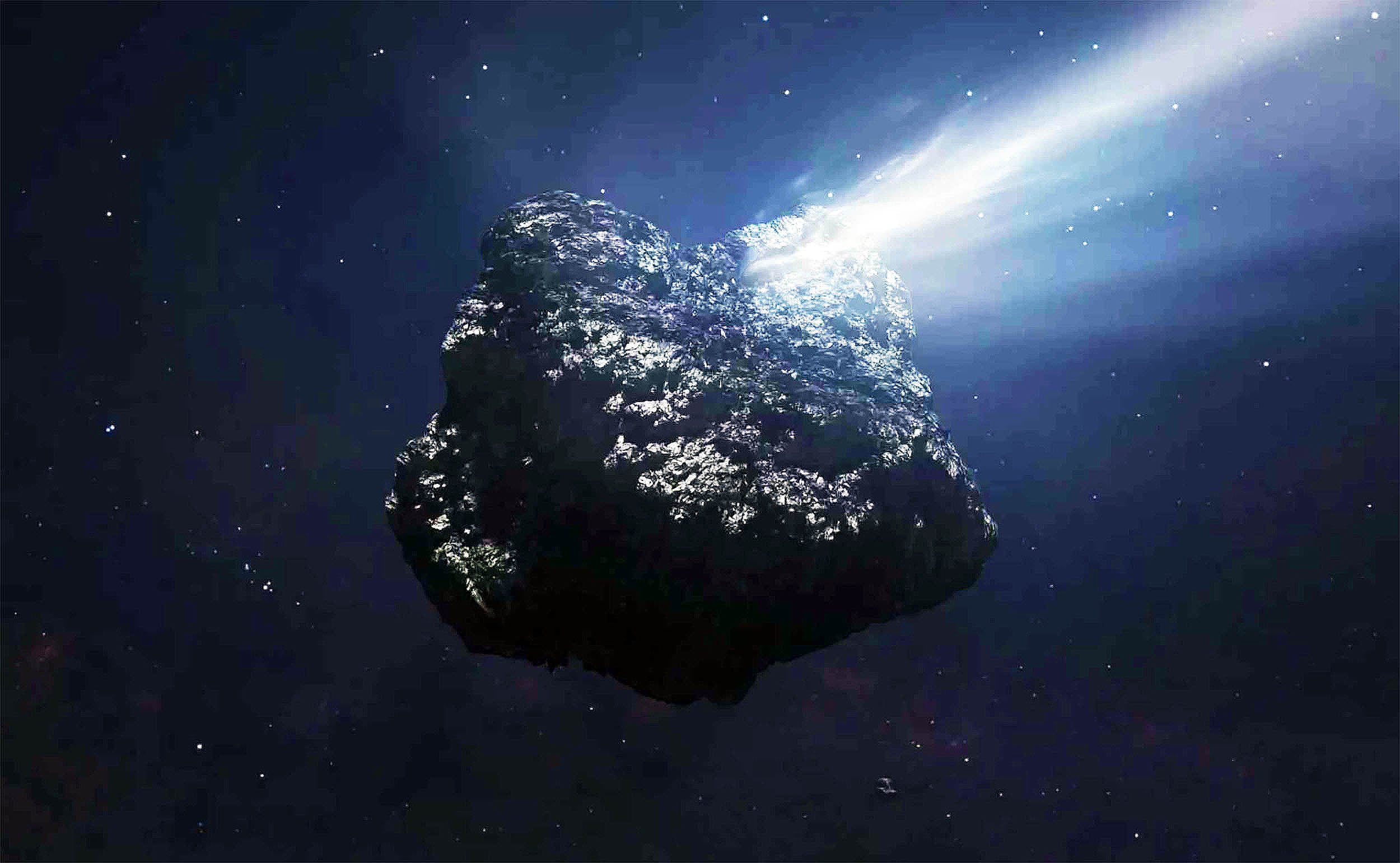
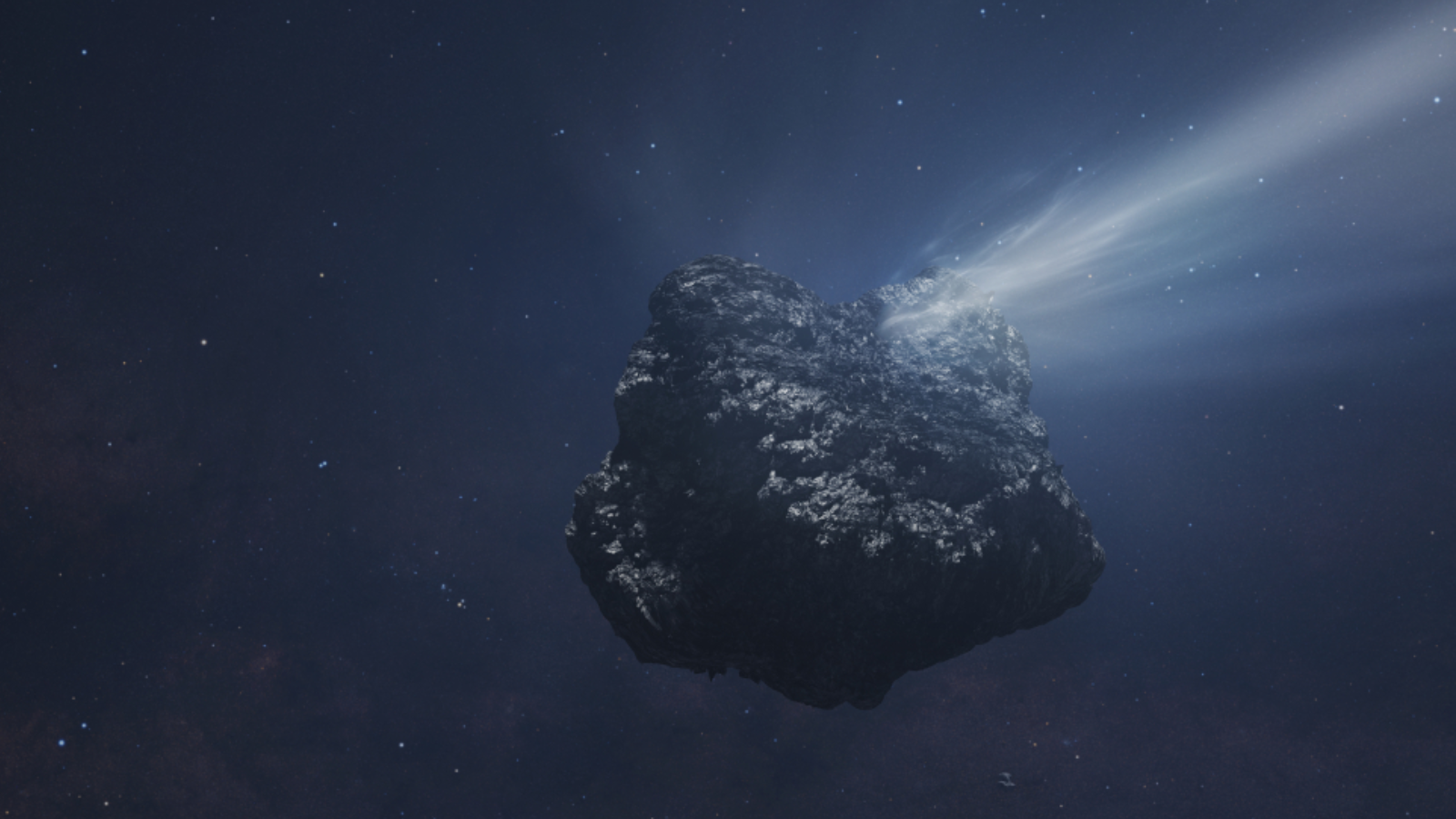
A newly spotted long-period comet, C/2025 R3 PANSTARRS, likely from the Oort Cloud, has been visible for weeks in the northern hemisphere and is not expected to return for about 170,000 years. Its fleeting appearance offers a rare glimpse of the solar system’s earliest materials, helping scientists study planetesimals and the building blocks that may have seeded Earth, before gravitational forces potentially eject it from the system.

Distant Solar System Visitor Illuminates Our Origins
space17 days ago

Distant Solar System Visitor Illuminates Our Origins

Astronomers say comet C/2025 R3 PANSTARRS — a long-period visitor likely from the Oort Cloud — has been visible in the northern hemisphere for weeks, offering a rare glimpse at material from the solar system's birth. With such comets taking extremely elongated orbits, this one may not return for around 170,000 years, making its current pass a unique opportunity to study early solar-system building blocks and clues about how planets formed, as gravitational interactions could eventually eject it from the system.

Hubble snapshots real-time breakup of distant comet C/2025 K1 ATLAS
space2 months ago

Hubble snapshots real-time breakup of distant comet C/2025 K1 ATLAS

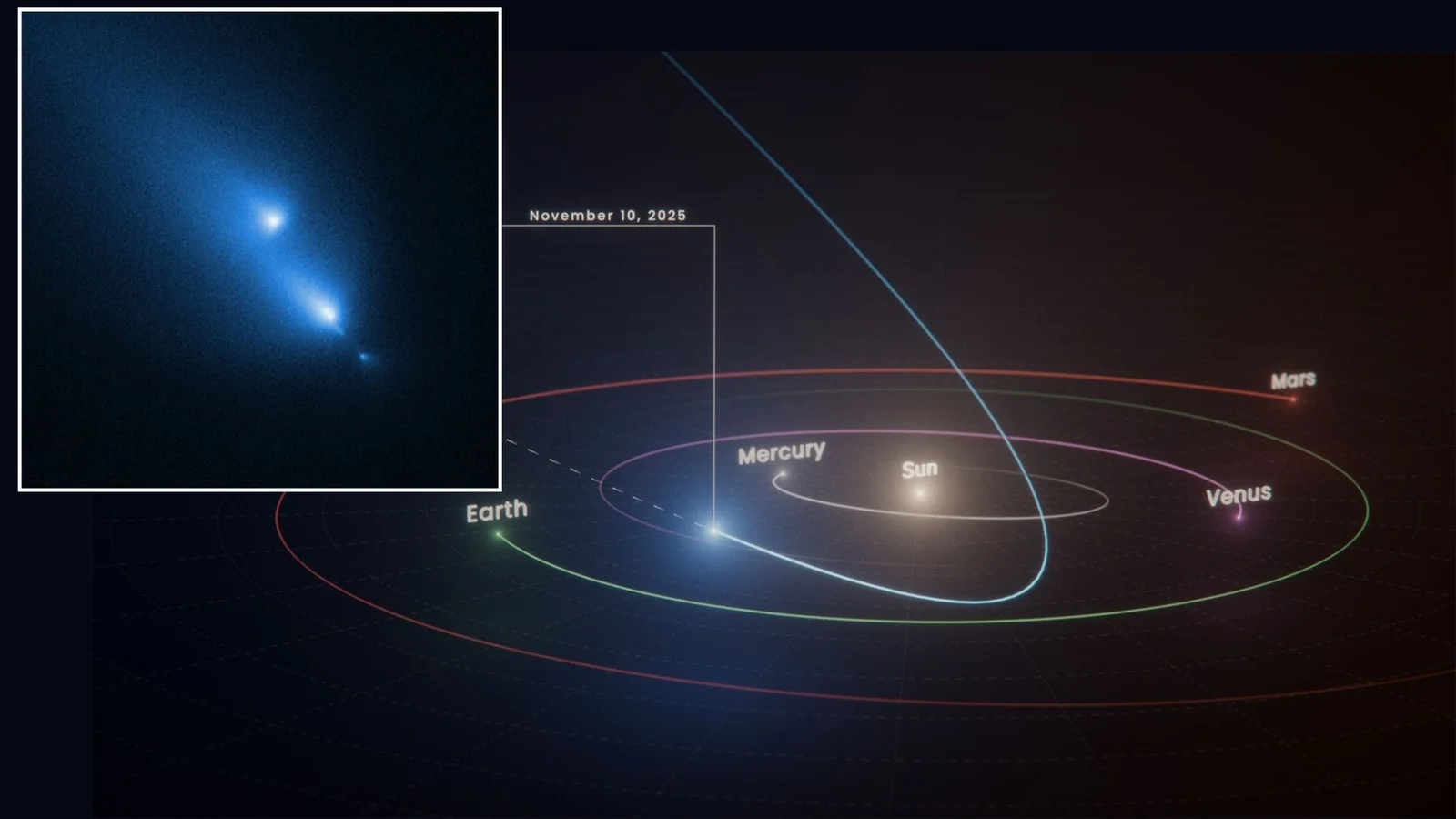
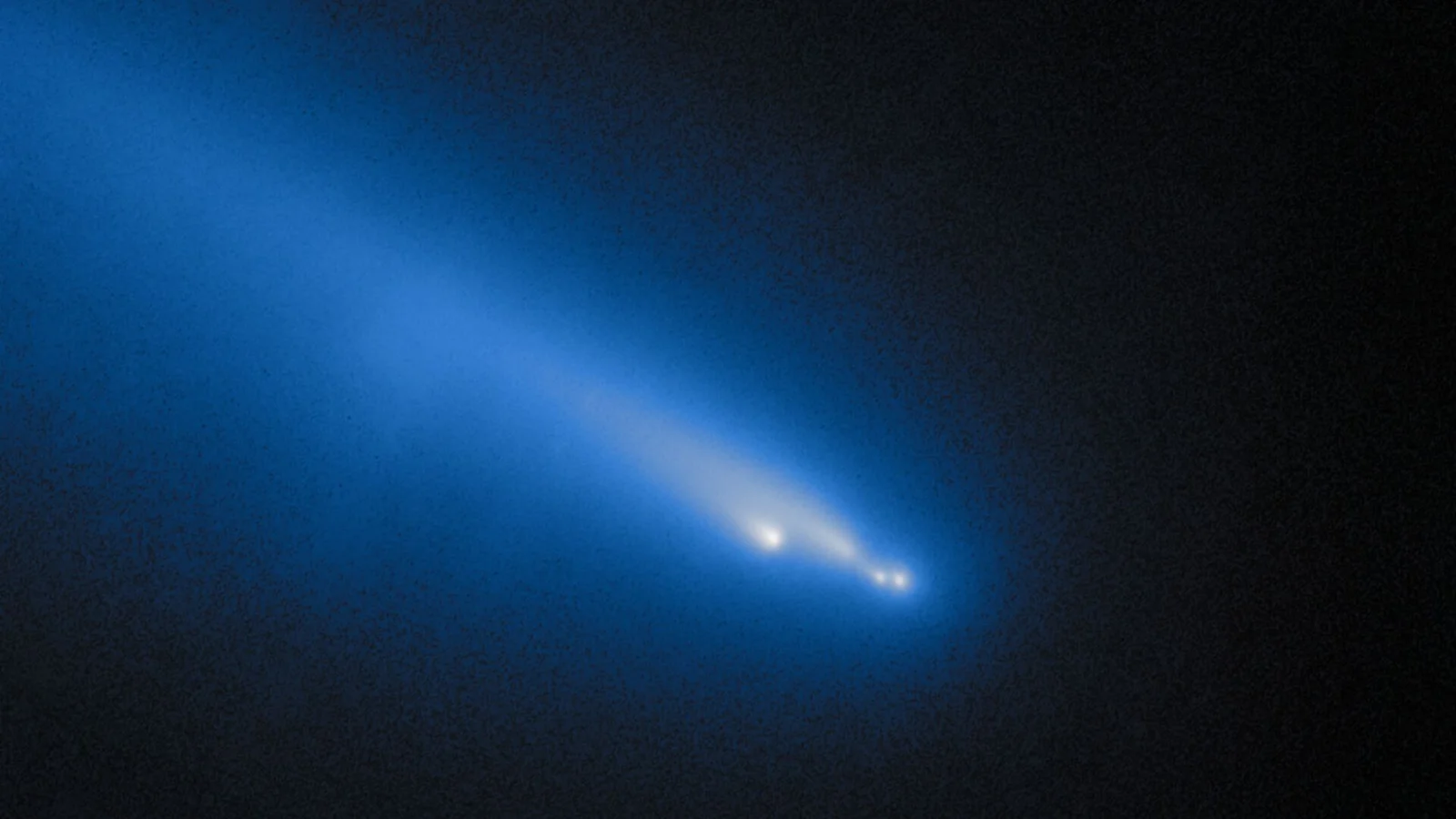
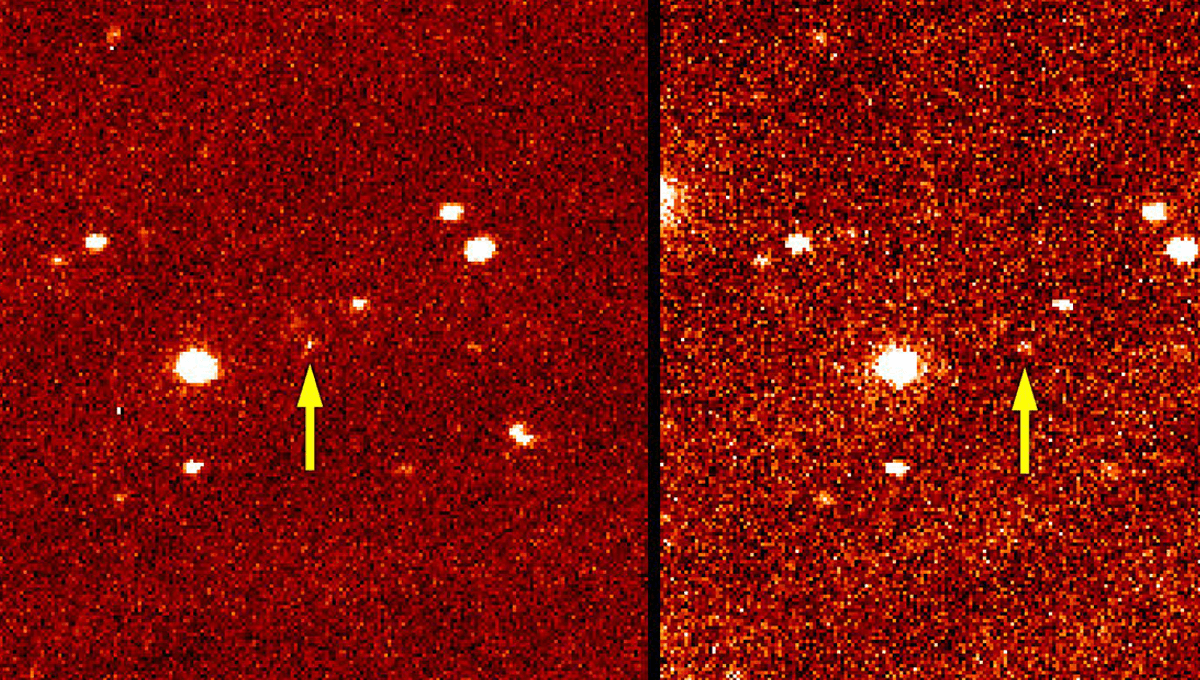
NASA’s Hubble Space Telescope captured, in real time, the fragmentation of the long‑period comet C/2025 K1 (ATLAS) after its near‑Sun passage, identifying at least four fragments over three days (Nov. 8–10, 2025) with one fragment fragmenting again; breakup began about a week earlier as heating and stress from perihelion likely exposed dust layers. K1, ~8 km across and from the distant Oort Cloud, was discovered by ATLAS in May 2025. The observations, described in a 2026 Icarus paper, offer rare insight into the physics of comet surfaces and dust production during disintegration.

Astronomers Discover Largest Oort Cloud Comet Ever
science7 months ago

Astronomers Discover Largest Oort Cloud Comet Ever

Astronomers have discovered that the largest Oort Cloud comet, C 2014 UN271, is active far from the Sun, venting carbon monoxide gas at over a billion miles away, challenging previous assumptions about comet dormancy in the outer solar system. Using ALMA, they observed jets and activity driven by volatile ices, providing new insights into comet evolution and the early solar system materials. The comet will approach the Sun in 2031, offering opportunities to study how its activity changes as it warms.

First Molecular Jet Detected on Giant Comet Nearing Inner Solar System
science10 months ago

First Molecular Jet Detected on Giant Comet Nearing Inner Solar System

Astronomers using ALMA have observed for the first time a molecular jet of carbon monoxide emanating from the giant comet Bernardinelli-Bernstein, which is about 140 km wide and located over 1.5 billion miles from the Sun. This discovery challenges previous assumptions about comet activity in the outer solar system and provides new insights into the behavior of distant celestial bodies from the Oort Cloud, especially as it approaches the Sun in 2031.

Stellar Flybys and Their Impact on Earth's Climate History
science11 months ago

Stellar Flybys and Their Impact on Earth's Climate History

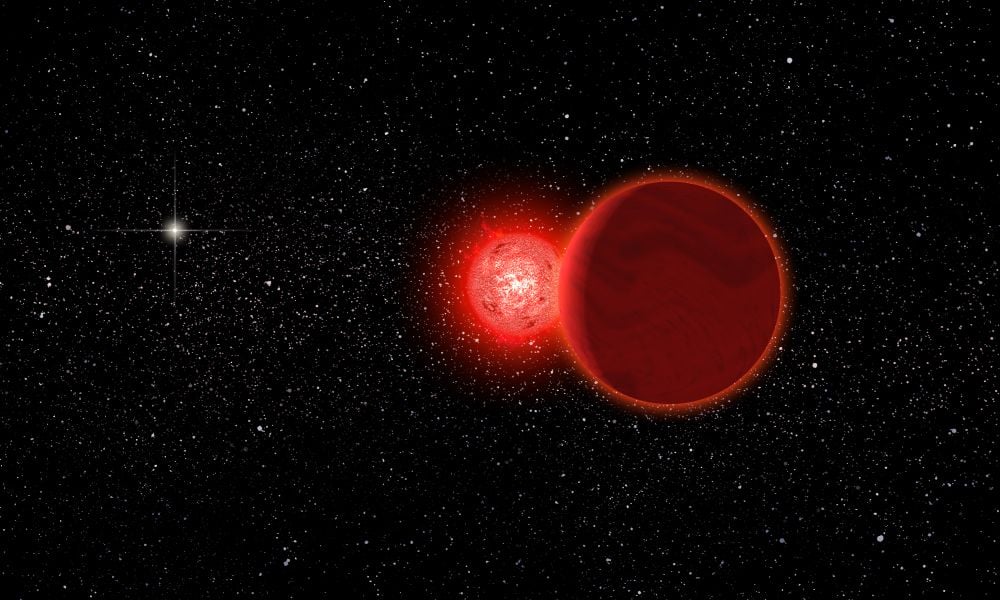
Recent research suggests that stellar flybys have likely not influenced Earth's past climate changes over the last 56 million years, challenging earlier hypotheses. Using comprehensive solar system models, scientists found no significant impact of passing stars on Earth's orbital stability or climate events like the Paleocene-Eocene Thermal Maximum, emphasizing the importance of detailed modeling in understanding celestial influences on our planet.

Planetarium Discovery Promises New Insights into the Solar System
science11 months ago

Planetarium Discovery Promises New Insights into the Solar System

An accidental discovery during a planetarium show revealed a spiral structure in the Oort Cloud, challenging the traditional view of it as a spherical shell. This spiral, caused by the galactic tide affecting distant icy bodies, could reshape our understanding of the solar system's outer regions, although confirming this will be challenging with current technology.