Tag

Osedax

All articles tagged with #osedax

Antarctic Whale Fall Reveals Hidden Deep-Sea Food Web
science1 month ago

Antarctic Whale Fall Reveals Hidden Deep-Sea Food Web

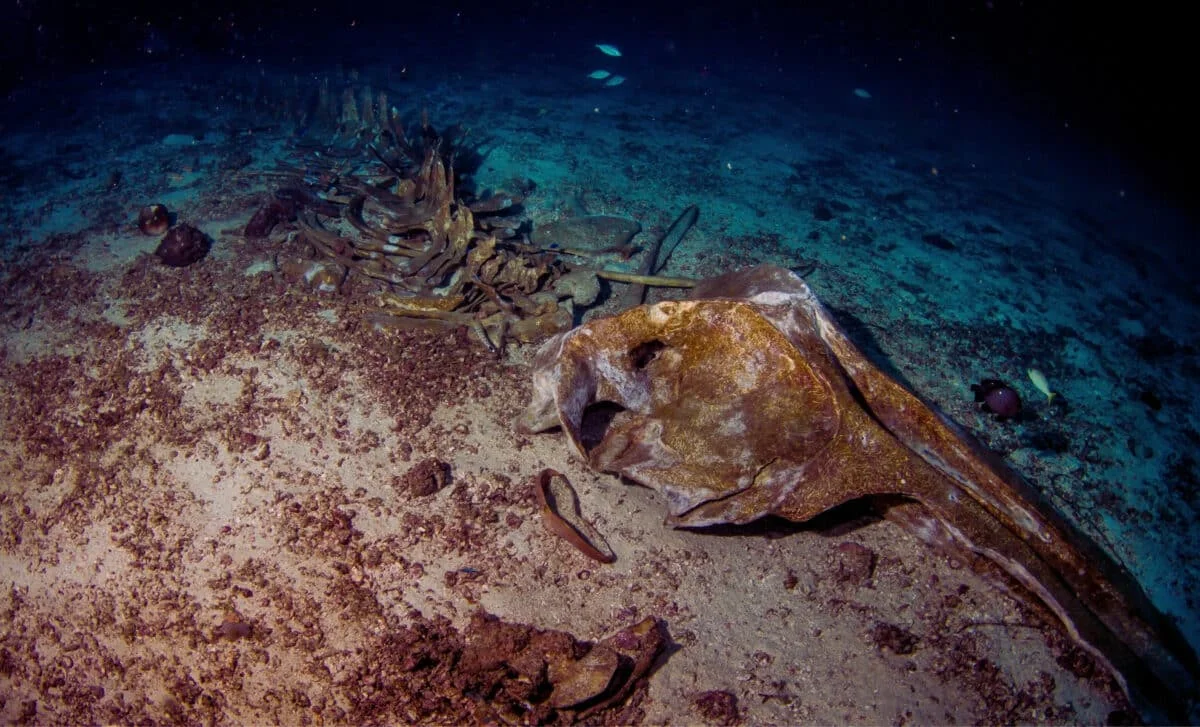
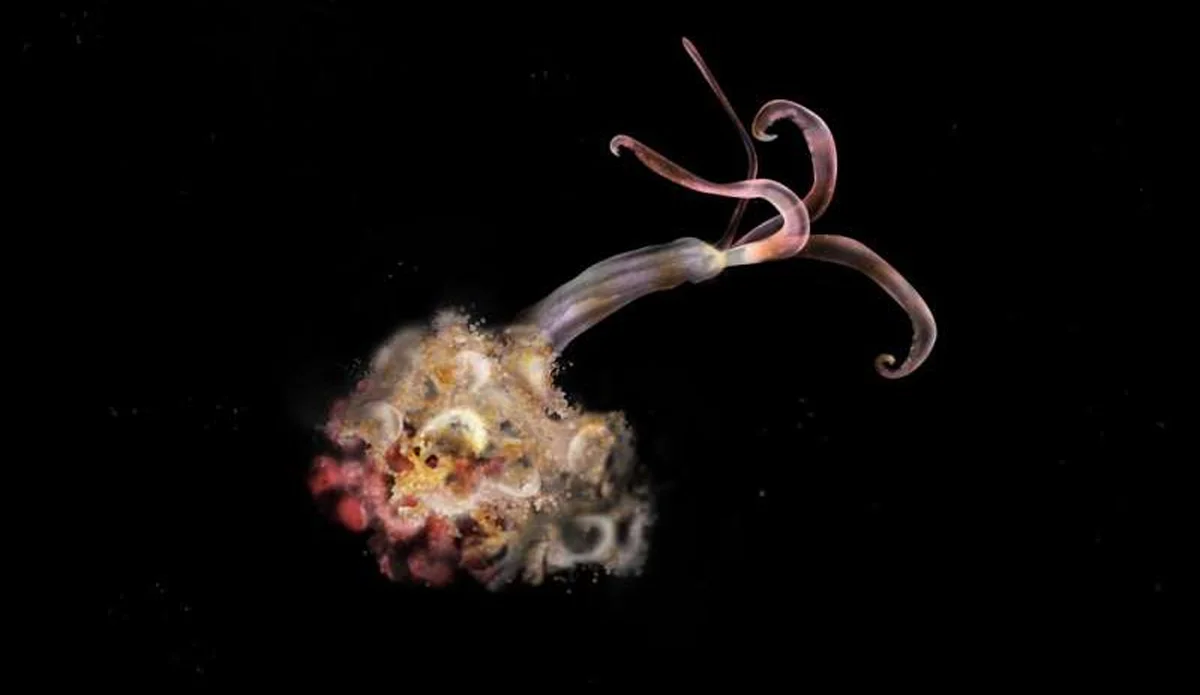
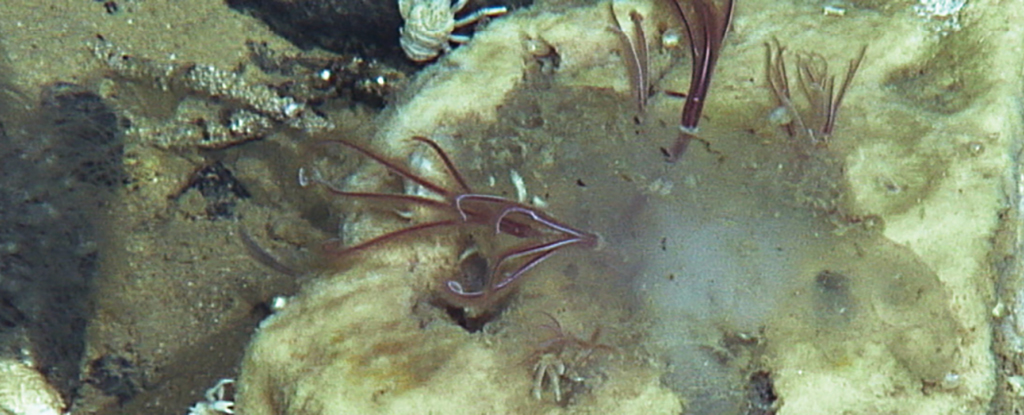
A 10.7-meter Antarctic minke whale skeleton found at 1,444 meters near the South Sandwich Islands marks the first natural whale fall observed in Antarctic waters. In the sulfophilic stage, bacteria on decomposing bones generate chemical energy that sustains a new deep-sea community, including nine previously unknown species and bone-eating Osedax worms, with colonization linked to bone lipid content via the oil-gradient hypothesis. The ecosystem is powered by chemosynthesis rather than sunlight, and decomposition can take years to decades; researchers also note unresolved questions on how such isolated prey sources are located in the vast ocean and how whale falls connect to hydrothermal-vent habitats in polar regions.

Whale Falls Spark Hidden Deep-Sea Ecosystems
science2 months ago

Whale Falls Spark Hidden Deep-Sea Ecosystems

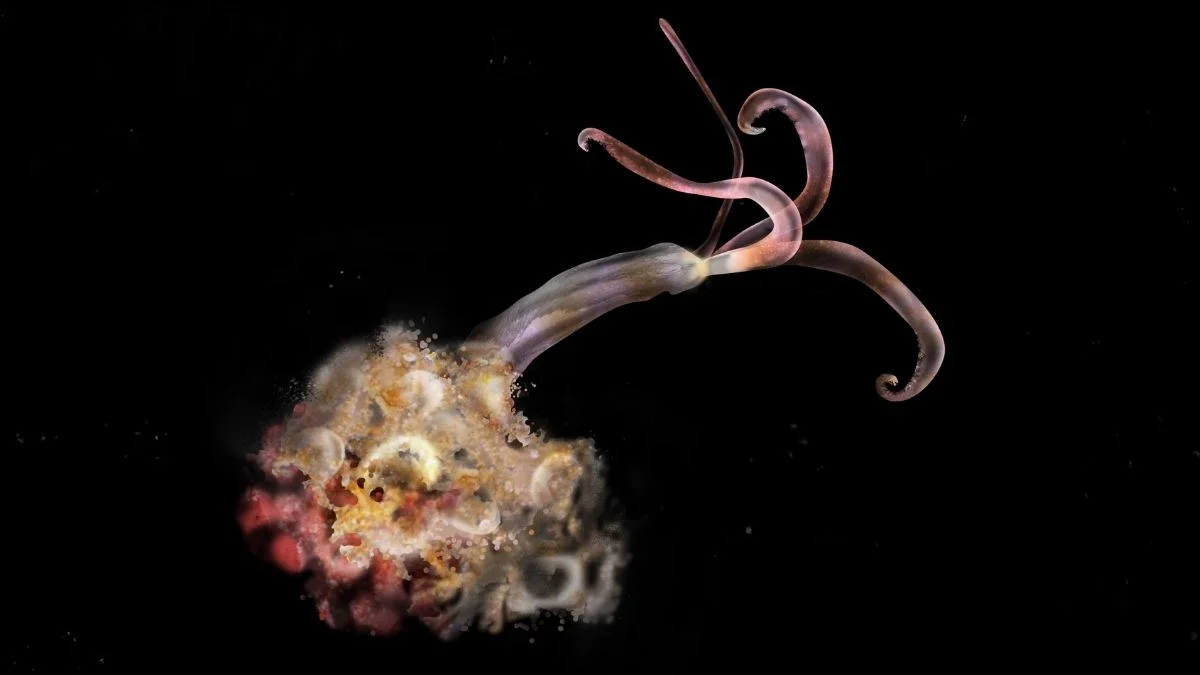
When a whale carcass sinks to the deep ocean, it becomes a long-lasting, multi-stage feast: initial scavengers strip flesh, bone‑eating worms (Osedax) and bone‑eating snot‑flowers bore into bone, and later sulphur‑loving chemoautotrophs sustain a thriving community for decades, turning a single whale into a whole new ecosystem and aiding the dispersal of specialized deep‑sea life.

A Decade of Seafloor Silence: Deoxygenation Disrupts Deep-Sea Recycling
science3 months ago

A Decade of Seafloor Silence: Deoxygenation Disrupts Deep-Sea Recycling

Scientists using the NEPTUNE observatory monitored Barkley Canyon for nearly 10 years and found an unexpected absence of decay activity around whale bones and wood, lacking typical scavengers and bone-eating organisms. The results suggest ocean deoxygenation and expanding oxygen minimum zones are suppressing the deep-sea recyclers (Osedax, Xylophaga), potentially slowing organic decomposition and nutrient cycling with ripple effects on the broader food web.