Registered dietitian Natalie Rizzo confirms that peanut butter can be a healthy daily staple due to its protein and unsaturated fat content, provided consumers select simple-ingredient varieties and strictly adhere to a two-tablespoon serving size to manage calorie intake.
A six-month study at Deakin University followed 120 adults aged 65+, living independently and at risk of falls, who consumed about three tablespoons of peanut butter daily. Those in the peanut butter group improved lower-body muscle power, as shown by the five-times sit-to-stand test (about 1.23 seconds faster), but walking speed and overall strength did not improve. The group also increased protein and healthy fat intake without gaining weight. Researchers say peanut butter can be a convenient part of a broader program (including resistance and balance training) to help reduce fall risk, though the effect is modest. The study, published in the Journal of Cachexia, Sarcopenia and Muscle, was funded by The Peanut Institute.
A six-month Melbourne study found that adults aged 66–89 who consumed 43g (about 3 tablespoons) of peanut butter daily improved their sit-to-stand speed, indicating increased muscle power, without weight gain; researchers say peanut butter could be an affordable, accessible aid to mobility alongside resistance training.
A voluntary recall of peanut butter products produced by Ventura Foods LLC has been expanded to 40 states after blue plastic pieces were found in a filter. The FDA upgraded the recall to Class II in February 2025, indicating temporary or reversible health effects are possible. Affected items include various single-serve peanut butter products and peanut butter with grape jelly or jam, distributed by Poco Pac and partners such as US Foods and Dyma Brands.
More than 20,000 peanut butter products manufactured by Ventura Foods have been recalled across 40 states after blue plastic fragments were found in a production filter. The FDA classified the recall as Class II, indicating a low risk of serious injury. Affected items include creamy peanut butter packets and multi-pack cups sold under various private-label brands. Consumers should check labels and follow retailer or manufacturer guidance on returns or disposal, and seek medical advice if concerned.
The FDA issued a recall for three Ventura Foods-produced peanut butter products after detecting blue plastic foreign material, affecting jars sold across 40 states. The recall was reclassified to Class II on Feb 12, 2026. There is no FDA-mandated remedy, but customers can obtain refunds by returning recalled jars to the place of purchase; a full list of affected items is in the recall report.
A Michigan Golden Retriever named Comet wows social media by dragging an empty peanut-butter jar to her owner, then performing a comical 'prayer' dance and pleading eyes to beg for a refill, in a clip that has gone viral with thousands of likes.
A US doctor suggests that eating peanut butter two hours before bed may help improve sleep quality due to its tryptophan, healthy fats, and magnesium content, which can promote relaxation and deeper rest. However, it may not work for everyone and should be tried as a low-risk, diet-based alternative to medication.
Eating a spoonful of peanut butter before bed may promote better sleep due to its content of tryptophan and magnesium, which have calming effects and can improve sleep quality, while also helping to stabilize blood sugar levels through healthy fats. However, it may not be suitable for everyone.
Research shows that introducing eggs and peanut butter to babies around six months old significantly reduces the risk of developing allergies to these foods by 12 months, supporting updated guidelines that challenge previous advice to delay such foods.
Eating 1-2 tablespoons of peanut butter daily can lower the risk of cancer, diabetes, and heart disease due to its rich content of healthy fats, antioxidants, fiber, and essential nutrients, making it a simple, affordable addition to a healthy diet.
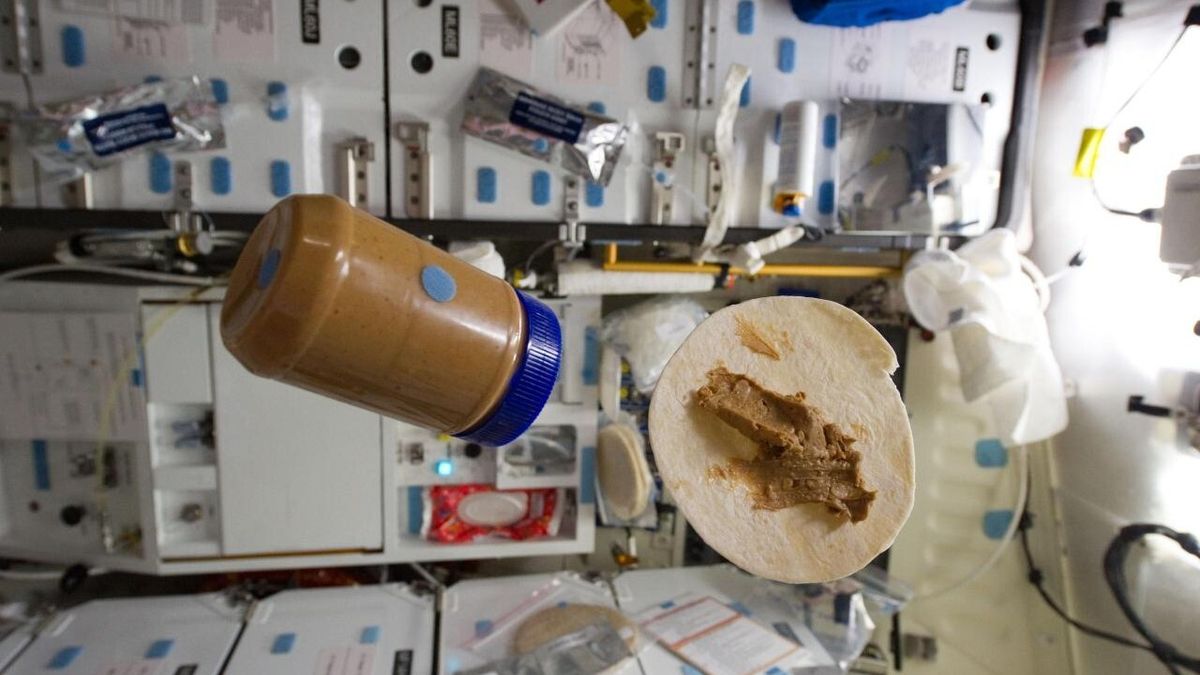
The departing Ax-3 astronaut crew left a surprise for the International Space Station (ISS) crew by leaving behind some peanut butter in the airlock entrance as they undocked and headed back to Earth. Peanut butter has been a staple of astronaut food for decades, and it was a special treat for the ISS crew, as the Ax-3 mission coincided with National Peanut Butter Day. This gesture adds to the history of peanuts and peanut butter in space, dating back to the Gemini and Apollo programs, and continues to be a part of space missions, including the ISS.
A food enthusiast tried the viral 3-ingredient strawberry chocolate bark and found it simple to make and delicious, rating it 8.5/10. They suggested freezing it overnight for better results, omitting flaky salt if using salted peanut butter, and using a less dark chocolate for a more preferred taste.
Registered dietitian Amy Goodson explains that while peanut butter is a good source of protein and healthy fats, consuming it in excess can lead to a caloric surplus and weight gain. Moderation is key, and incorporating peanut butter into a healthy diet involves being mindful of portion sizes and overall calorie intake. Goodson recommends measuring high-calorie foods like peanut butter to manage calories and emphasizes the importance of enjoying it in moderation within one's total daily calorie needs.
Awesome Games Done Quick featured a historic speedrun by Peanut Butter, a Shiba Inu, who used a custom-made controller and treats to play Gyromite. Despite some hiccups, Peanut Butter impressed viewers with his run, raising funds for the Prevent Cancer Foundation. The event continues with more exciting runs, showcasing the creativity and dedication of the gaming community.