Tag

Piezo1

All articles tagged with #piezo1

Shinbone Compression Triggers Brain Repair via Blood-Borne Signals
science7 days ago

Shinbone Compression Triggers Brain Repair via Blood-Borne Signals

Researchers at Southern Medical University in China found that applying rhythmic pressure to the shinbone of mice and pigs with brain injuries significantly improved survival and neurological recovery. The study, published in Nature Neuroscience, demonstrates a bidirectional 'bone-brain axis' where mechanical stimulation of bone cells releases protective chemicals into the bloodstream that reduce inflammation and promote neuron repair in the brain.
Shin Tapping May Heal Brain Injuries via Bone Protein Signal
science7 days ago

Shin Tapping May Heal Brain Injuries via Bone Protein Signal

Researchers at Southern Medical University discovered that rhythmic tapping on the shin bones of mice and pigs with brain injuries can accelerate neural recovery. The study, published in Nature Neuroscience, shows that this mechanical stimulation reduces cell loss, promotes neuron growth, and improves motor function. The healing effect relies on the PIEZO1 protein in bone cells, which opens ion channels in response to pressure, sending signals to the brain. Animals lacking this protein showed no benefits, confirming the bone-to-brain communication pathway.

Brain wiring revealed: tissue stiffness steers neural signals through Piezo1
science7 months ago

Brain wiring revealed: tissue stiffness steers neural signals through Piezo1

New findings show brain tissue stiffness triggers production of chemical guidance cues via the mechanosensitive Piezo1, linking mechanical forces to neuronal wiring; Piezo1 also helps maintain tissue structure by regulating cell adhesion proteins, suggesting mechanical cues actively shape brain development and may influence disease.

Piezo1 Identified as Exercise Sensor Linking Movement to Bone Strength
science7 months ago

Piezo1 Identified as Exercise Sensor Linking Movement to Bone Strength

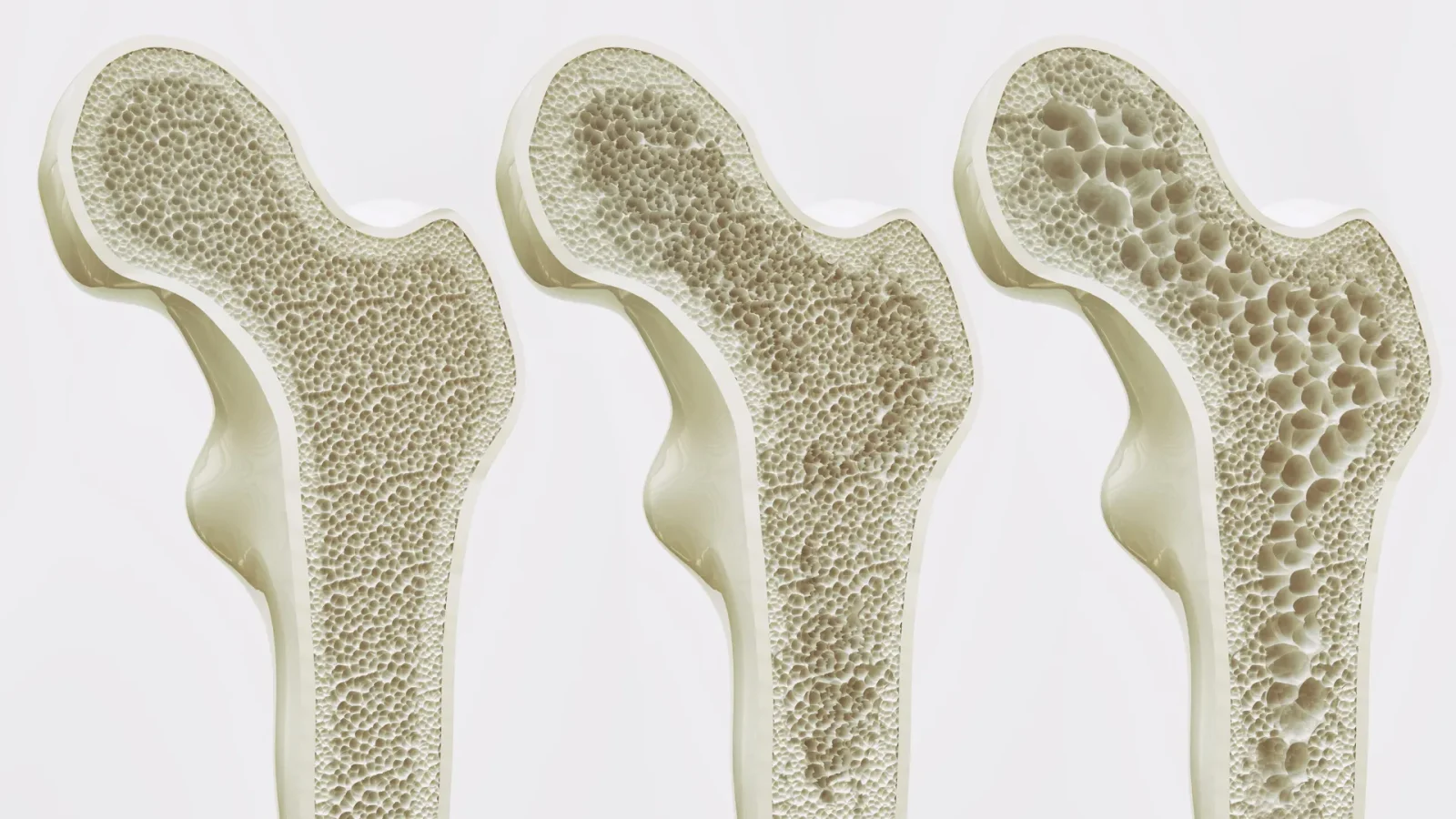
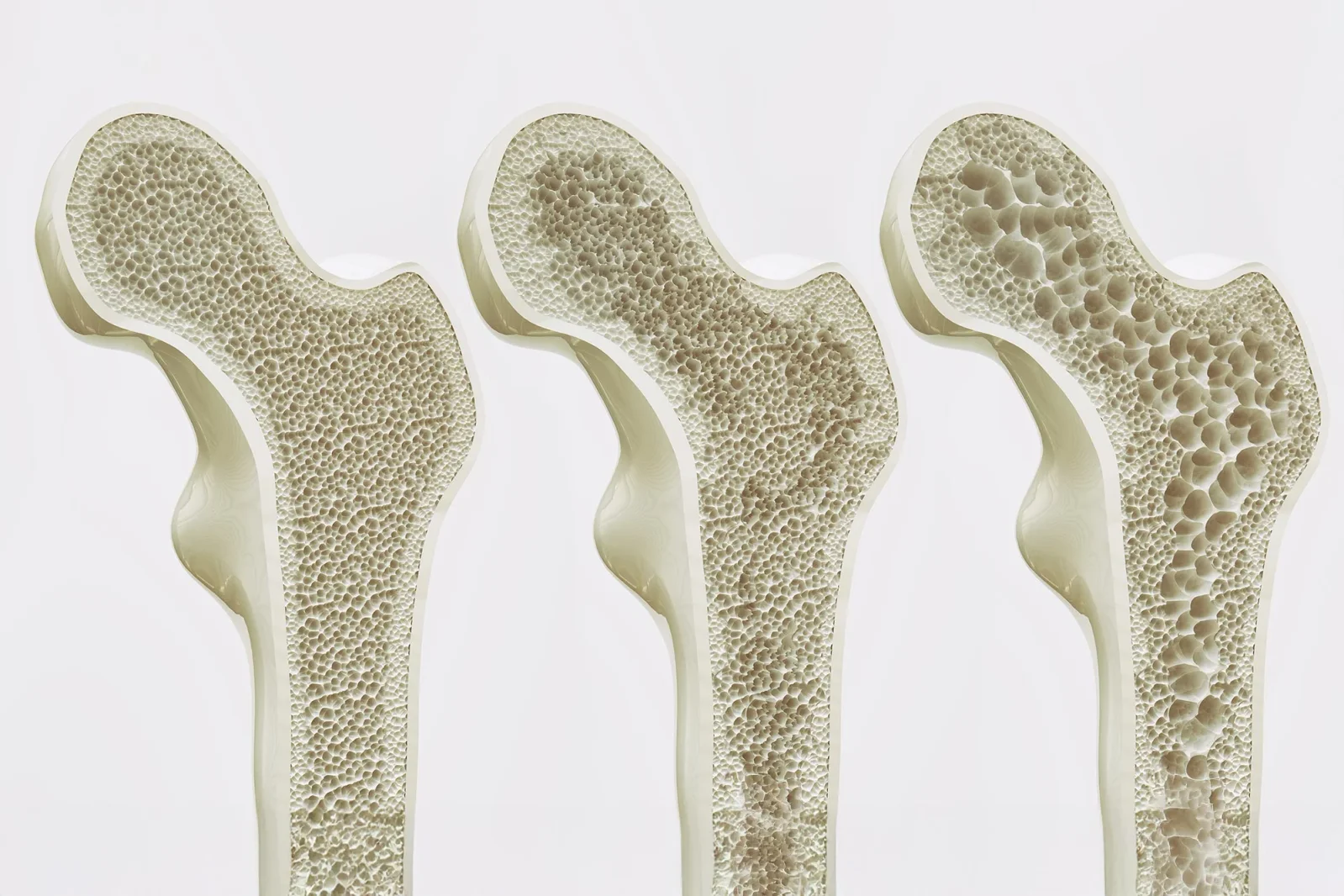
Scientists at the University of Hong Kong identify Piezo1 as an exercise-sensing protein in bone marrow stem cells that shifts fate toward bone-forming osteoblasts and away from fat cells; mice lacking Piezo1 show weaker bones and reduced exercise benefits, while activating its pathway could mimic exercise to combat osteoporosis—though findings are preclinical and demand cautious development for human therapies.

Lipid brake on brain blood flow opens new path for dementia therapy
science8 months ago

Lipid brake on brain blood flow opens new path for dementia therapy

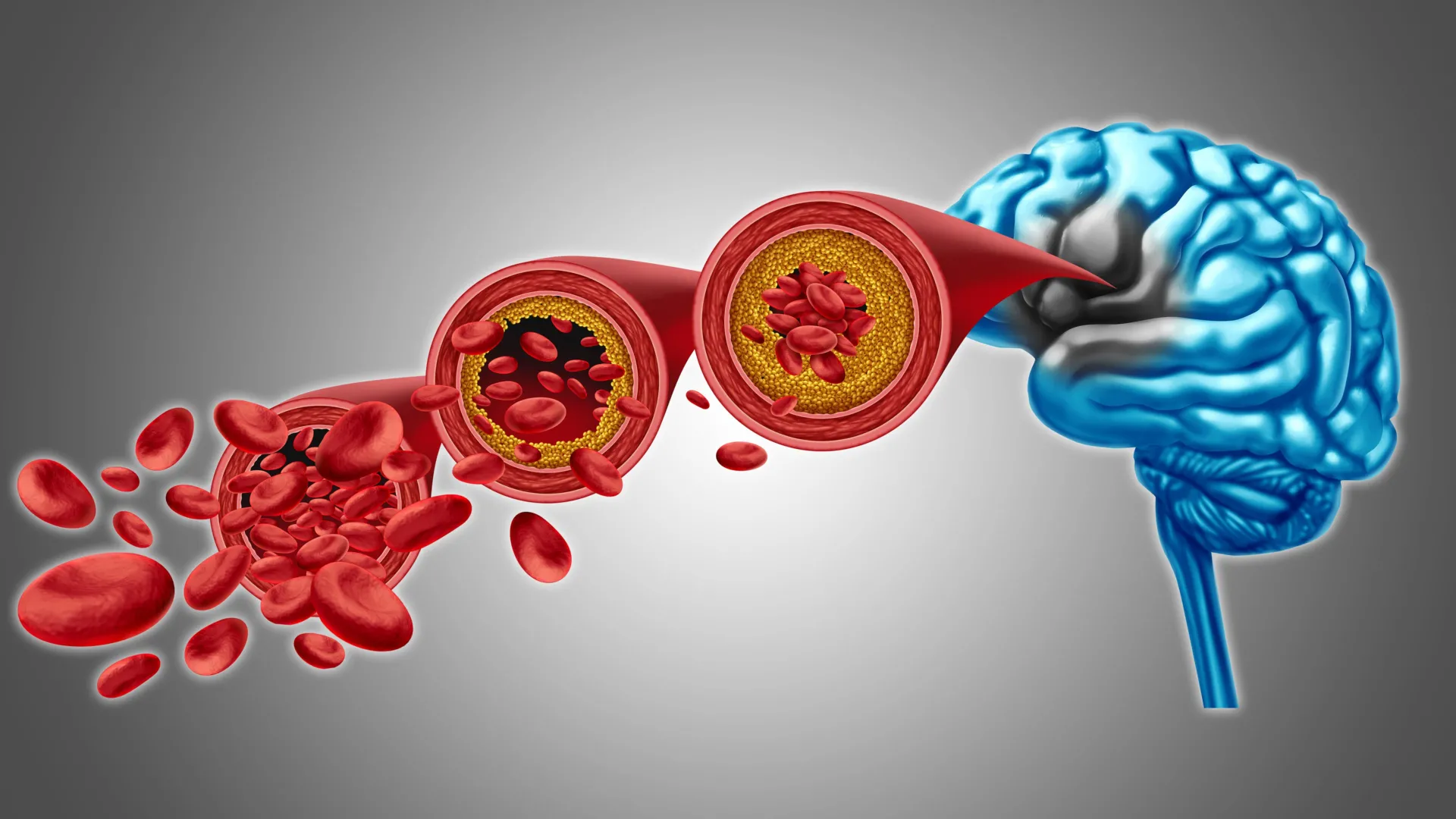
Researchers found that PIP2 acts as a brake on Piezo1, a pressure sensor in brain vessels. In Alzheimer’s-model mice, low PIP2 led to Piezo1 overactivation and disrupted brain blood flow, but restoring PIP2 largely normalized flow, suggesting a potential new therapeutic target for dementia—though findings are early and based on mouse studies.

New Bone Discovery Paves Way for Exercise-Free Osteoporosis Treatment
health8 months ago

New Bone Discovery Paves Way for Exercise-Free Osteoporosis Treatment

Scientists from HKUMed discovered that the Piezo1 protein acts as an 'exercise sensor' in bones, translating physical activity into signals that strengthen bones and reduce fat accumulation in bone marrow. This breakthrough could lead to the development of drugs that mimic exercise effects, offering new treatments for osteoporosis, especially for those unable to exercise.

"Groundbreaking Footage: Nobel-winning 'Pressure Sensors' Capture Microscopic Pressure Changes"
science-and-technology3 years ago

"Groundbreaking Footage: Nobel-winning 'Pressure Sensors' Capture Microscopic Pressure Changes"

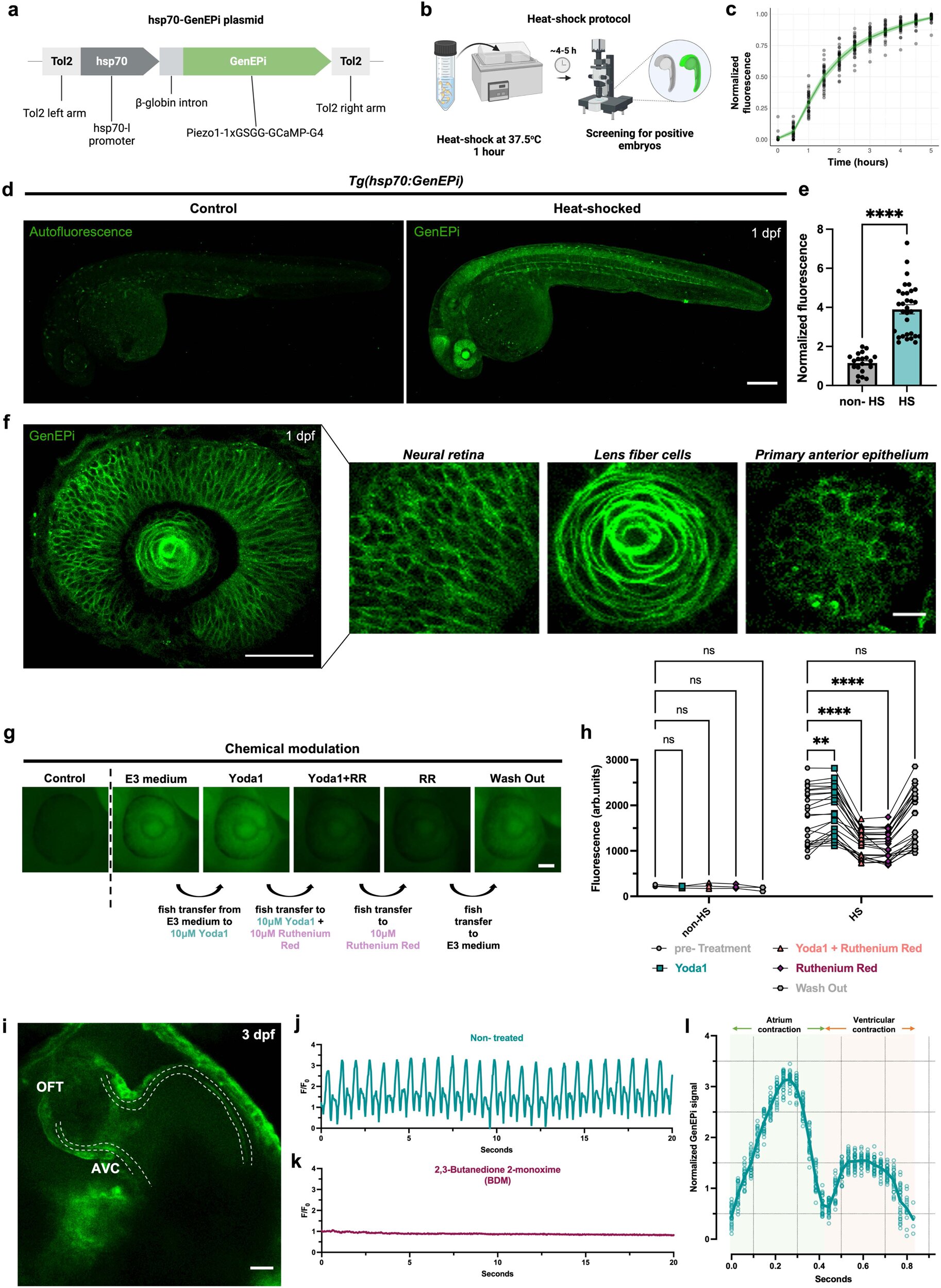
Researchers at Imperial College London have successfully filmed the activity of Piezo1 and Piezo2, bodily "pressure sensors" that won the 2021 Nobel Prize in Physiology or Medicine. These ion channels are found throughout the body and play a crucial role in regulating blood pressure, respiration, bladder control, and the immune system. By developing a specific biosensor called GenEPi, the researchers were able to visualize the activity of Piezo1 channels in various cells and organisms. This non-invasive method could lead to new drug targets for diseases such as cancer and provide insights into fundamental physiological processes.