Tag

Plastics

All articles tagged with #plastics

War in Iran Pushes Plastic Costs Through the Supply Chain
business12 days ago

War in Iran Pushes Plastic Costs Through the Supply Chain

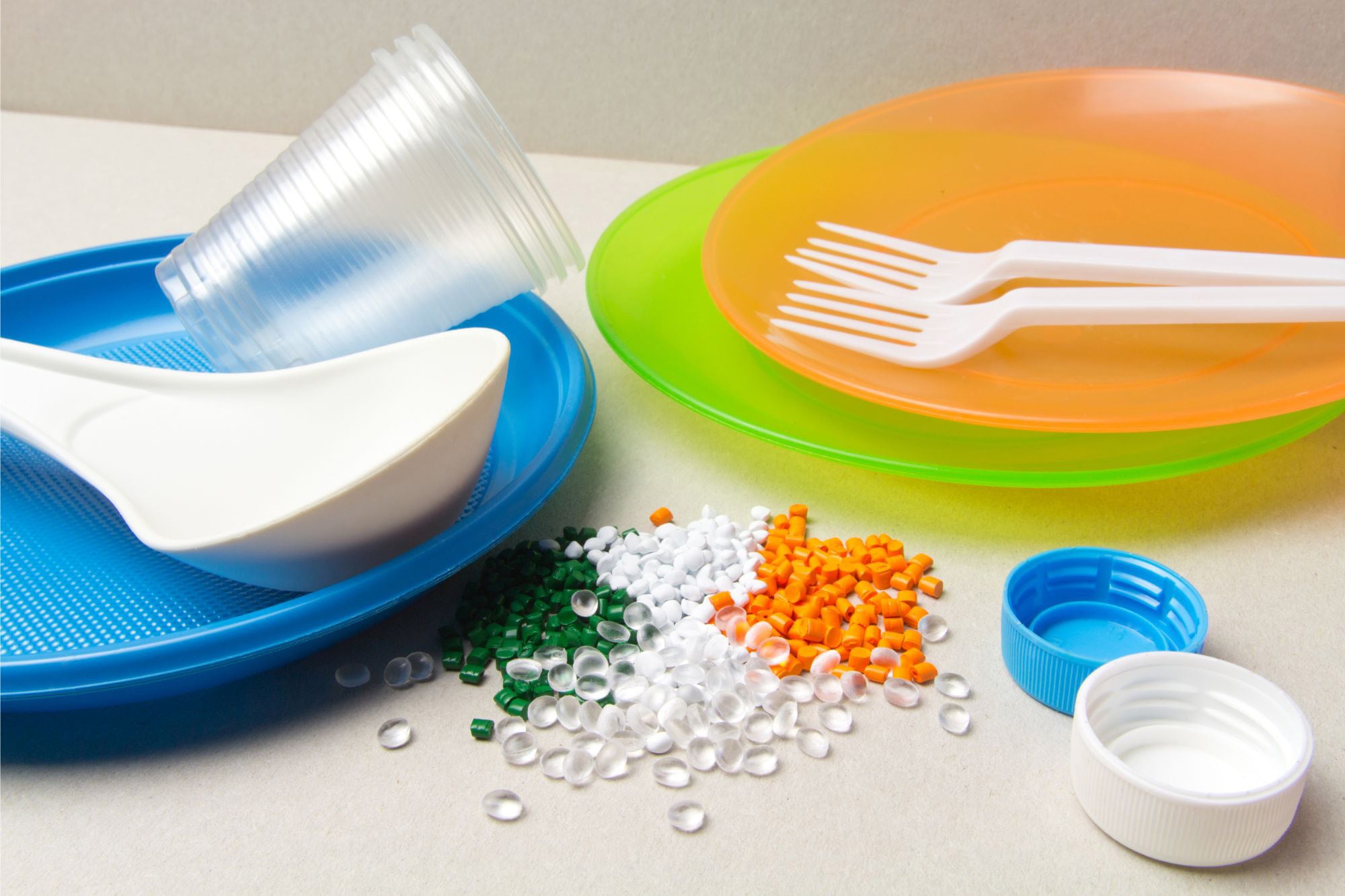
Rising oil and gas prices driven by the war in Iran are lifting plastic production costs, since most plastics are fossil-fuel–based. This ripple effect could raise prices for everyday goods like disposable cutlery, bottles, and bags, as packaging costs climb and manufacturers adjust—though substitutes are limited. The impact could spread across packaging, automotive, and other sectors, with price changes potentially lasting several months to a year or more as supply chains normalize.

Plastic Detox: A Fertility Quest Against Everyday Chemicals
health28 days ago

Plastic Detox: A Fertility Quest Against Everyday Chemicals

Facing unexplained infertility, a couple joins Dr. Shanna Swan’s three‑month Plastic Detox study to cut plastic exposure, avoiding plastic packaging, receipts, synthetic fabrics and fragranced products. In a small sample, BPA levels dropped and sperm counts rose, suggesting home changes can impact fertility, though results aren’t conclusive. The Netflix documentary The Plastic Detox argues these chemicals are widespread and calls for broader lifestyle reforms to protect reproductive health.

Forever chemicals may age men faster in their 50s, new research suggests
health1 month ago

Forever chemicals may age men faster in their 50s, new research suggests

A Frontiers in Aging study links PFAS “forever chemicals”—present in the blood of about 98% of Americans—to accelerated epigenetic aging, with the strongest effects in men aged 50–65. Using NHANES data from 1999–2000 and 11 PFAS measured in blood, researchers found sex-specific associations and smaller signals in women. Experts caution the findings show associations, not causation, and regulatory bodies describe them as exploratory. Practical reductions in exposure (such as certified water filters and limiting contact with stain- or grease-resistant materials) are considered reasonable, though complete avoidance is unlikely; broader regulatory actions may be needed to curb PFAS exposure.

Ocean-friendly packaging: plant-based cmcsp plastic dissolves in seawater within hours
environment1 month ago

Ocean-friendly packaging: plant-based cmcsp plastic dissolves in seawater within hours

Researchers in Japan developed a plant-based plastic called cmcsp, made from cellulose, that stays strong during use but dissolves completely in seawater within hours, leaving no microplastics and offering a potential new packaging option. The material forms a cross-linked network stabilized by salt bridges and a plasticizer; seawater ions disrupt these bonds to trigger dissolution, with a thin barrier coating slowing breakdown during use. While the approach shows promise and can be processed in water-based systems, scaling, recycling dissolved components, and real-world disposal remain challenges, and it is not a universal solution to plastic pollution.

EU Targets Cheap Plastic Imports Amid Recycling Plant Closures
environment3 months ago

EU Targets Cheap Plastic Imports Amid Recycling Plant Closures

The EU is planning to implement checks on imported plastics and other measures to support its struggling recycling industry, which has faced closures due to low demand and cheap imports, including from China. Proposed measures include monitoring imports, establishing a single waste market, and clarifying chemical recycling rules to promote circularity and protect domestic producers.

Microplastics in the Environment: Hidden Health Risks and Urban Air Concerns
health4 months ago

Microplastics in the Environment: Hidden Health Risks and Urban Air Concerns

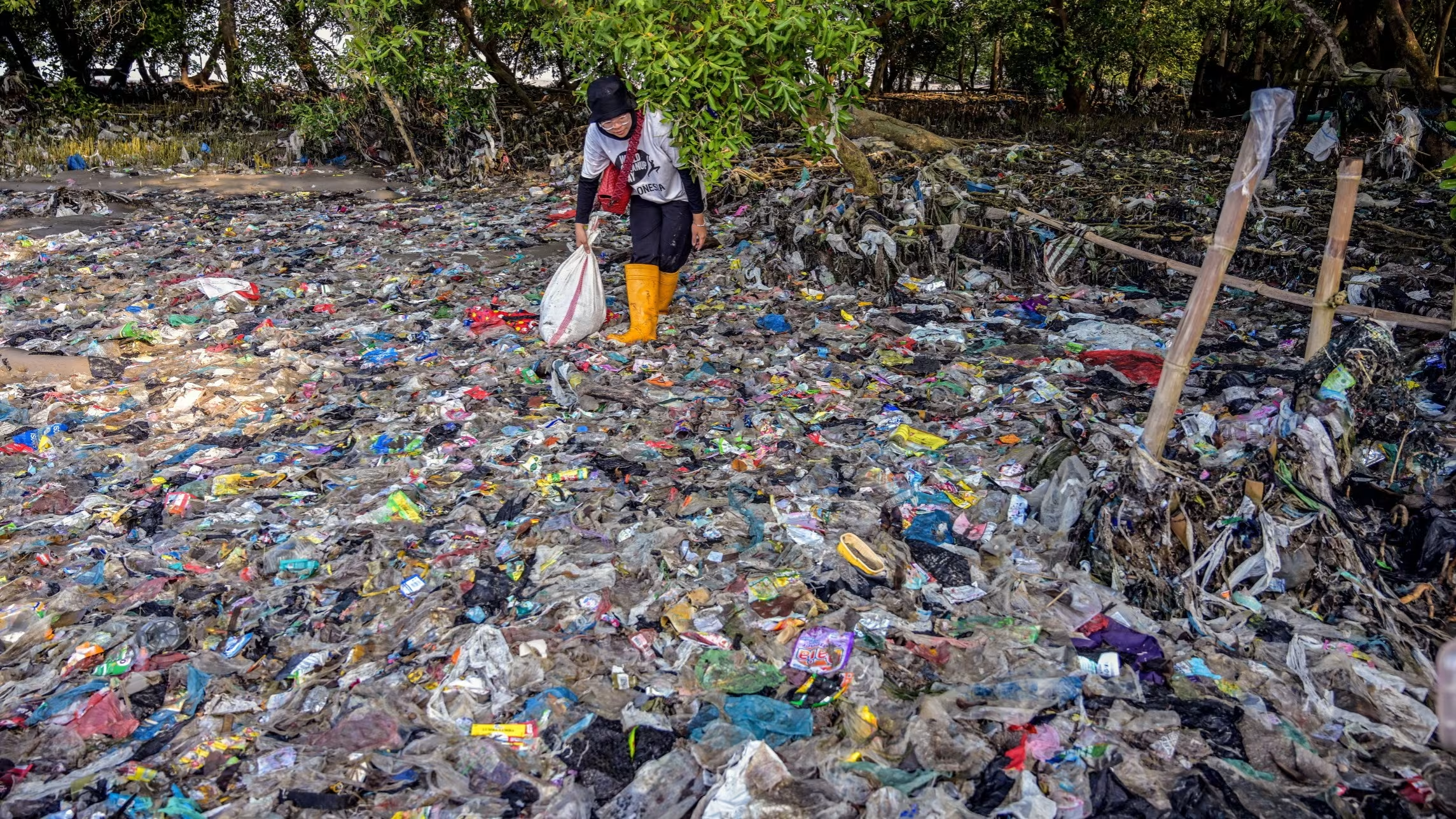
Research indicates that chemicals in everyday plastics, such as phthalates, bisphenols, and PFAS, may contribute to lifelong health issues like obesity, infertility, and asthma, especially when exposure occurs early in life. Experts call for reduced plastic use, better regulations, and public awareness to protect future generations, while acknowledging the essential role of plastics in medicine.

The Global Challenge of Microplastics: Health Risks and Environmental Impact
health1 year ago

The Global Challenge of Microplastics: Health Risks and Environmental Impact

In a podcast episode of "Chasing Life," Dr. Sanjay Gupta discusses the pervasive issue of microplastics with Dr. Leonardo Trasande, Director of Environmental Pediatrics at NYU School of Medicine. Microplastics, tiny plastic particles found in various human organs, raise significant health concerns, including potential impacts on fertility and cardiovascular health. The conversation highlights how microplastics enter the body through ingestion, inhalation, and skin contact, and the role of associated chemicals like phthalates and PFAs as endocrine disruptors. The episode emphasizes the need for awareness and strategies to reduce exposure to these pollutants.

BPA Alternatives May Pose Health Risks, Study Finds
health1 year ago

BPA Alternatives May Pose Health Risks, Study Finds

A new study from Miguel Hernández University of Elche reveals that bisphenol analogs BPF and BPS, used as replacements for BPA in plastics, may pose similar health risks, including obesity, diabetes, and hormone disruption. Using computer simulations, the research shows these compounds accumulate in biological membranes, affecting their function and potentially leading to adverse health effects. The findings suggest that BPF and BPS are not safer alternatives to BPA, urging a reevaluation of their use in consumer products.

"Plastics Industry Exposed: The Fraud of Plastic Recycling"
environment2 years ago

"Plastics Industry Exposed: The Fraud of Plastic Recycling"

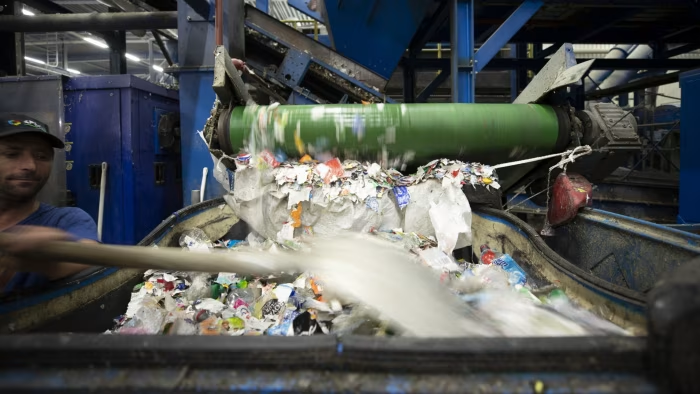
Critics are accusing the plastics industry of perpetuating a "fraud" by misleading the public about the feasibility of plastic recycling, with only 5 to 6 percent of plastic waste actually being recycled in the U.S. The industry's promotion of recycling as a solution is being called into question, as it is revealed that most plastics cannot be effectively recycled together. Despite a new ad campaign claiming that "Recycling is real," critics argue that the industry's focus on recycling is primarily a public relations strategy, and that the real issue lies in the production and disposal of plastic. With plastic production set to triple by 2050, more than 170 countries are working on a United Nations treaty to end plastic pollution, while the plastics industry opposes bans on plastic production but supports increased recycling efforts.

Plastic Producers' Deception Exposed: Recycling Fraud Unveiled
environment2 years ago

Plastic Producers' Deception Exposed: Recycling Fraud Unveiled

A report from the Center for Climate Integrity reveals that plastics producers have long been aware that the vast majority of plastics cannot be effectively recycled, despite promoting recycling as an environmental solution. Only a small percentage of plastics have viable end markets for recycling, while the rest are either burned or deposited in landfills. The petrochemical industry has been accused of deceiving consumers, policymakers, and regulators about plastic recycling, with the report stating that they have failed to overcome the technical and economic limitations that make plastics unrecyclable. The industry defends its practices, citing outdated technologies and emphasizing ongoing efforts to improve sustainability.

"Link Between Plastics on Everyday Products and Rise in Premature Births Revealed in Study"
health2 years ago

"Link Between Plastics on Everyday Products and Rise in Premature Births Revealed in Study"

A new study suggests that synthetic chemicals called phthalates, commonly found in everyday products like vinyl flooring, furniture, personal care items, and food packaging, may be contributing to an increase in premature births in the United States. The study, published in Lancet Planetary Health, found that nearly 57,000 preterm births in 2018 could potentially be linked to phthalates, which are known to act as hormone disruptors and impact the placenta during pregnancy. The American Chemistry Council, representing the plastics industry, has disputed the study's claims, stating that the association does not establish a causal relationship.

"2024: Earth's TLC, AIDS End, Empathy Increase, Light Decrease - Readers' Wishes"
environment2 years ago

"2024: Earth's TLC, AIDS End, Empathy Increase, Light Decrease - Readers' Wishes"

Readers express their wishes for 2024, emphasizing the need for prioritizing the health of the planet, addressing climate change, reducing plastic pollution, and minimizing light pollution. They also call for more empathy, compassion, and inclusion for all humans, including those with intellectual disabilities, and advocate for universal healthcare coverage and an end to AIDS transmission. Additionally, there is a plea for positive news coverage and a call to take tangible action to address global issues.