A dietitian suggests a simple snack of orange slices, low-sodium cottage cheese, and pistachios to help manage high blood pressure. The combination provides potassium, calcium, and magnesium, which support cardiovascular health. While this snack may aid in lowering blood pressure, it is not a substitute for medical treatment or a varied diet.
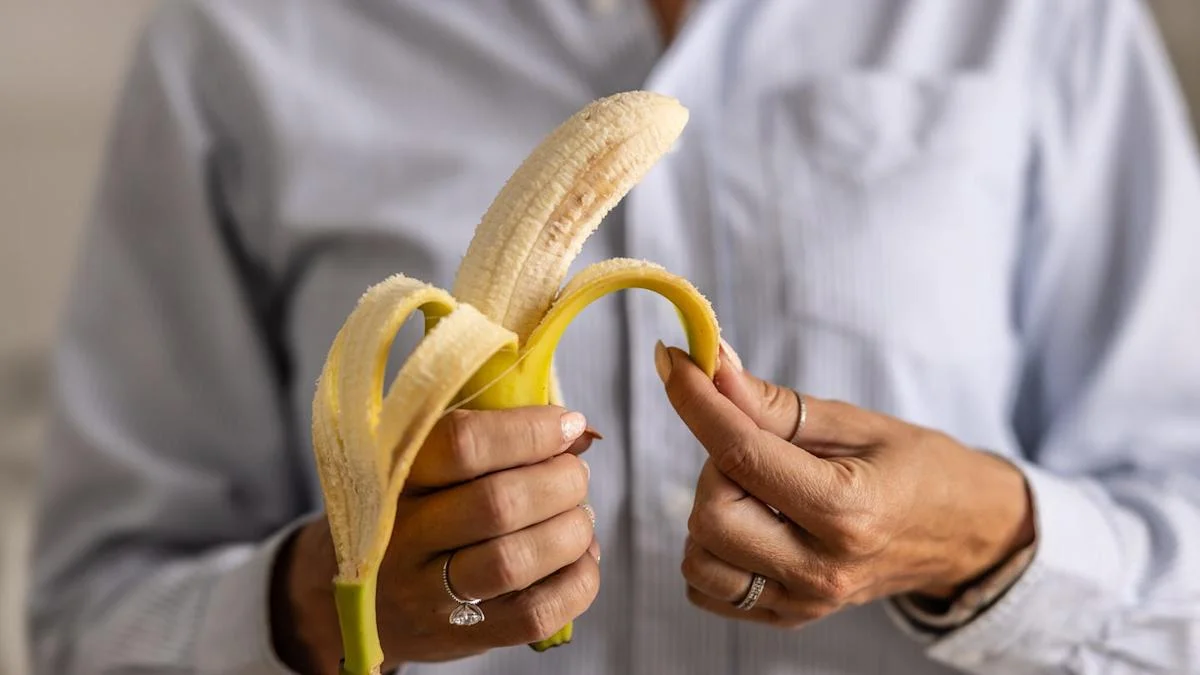
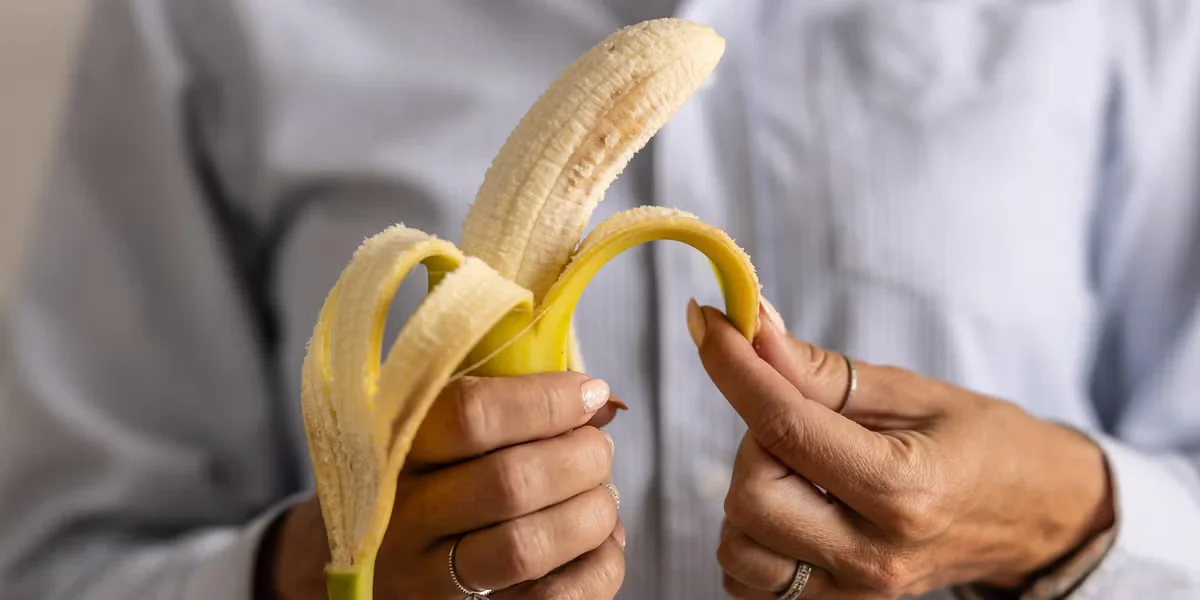
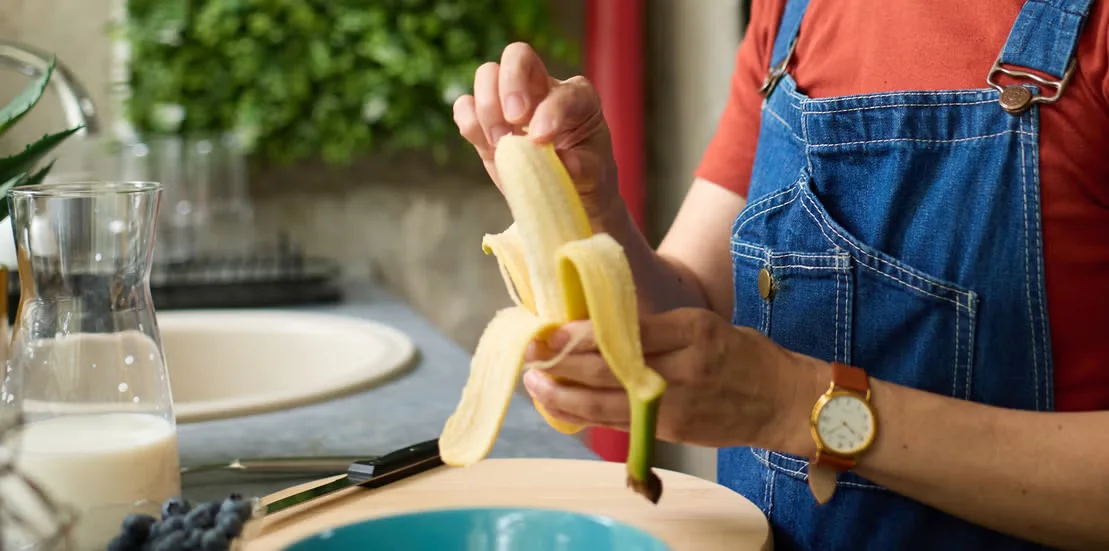
Four registered dietitians agree that bananas are the most effective fruit for managing high blood pressure due to their high potassium content. A medium banana provides 422 milligrams of potassium, which helps counteract sodium and relax blood vessels. While one banana daily may slightly lower blood pressure within a month, long-term benefits depend on a balanced diet. People with kidney disease should consult a doctor before increasing potassium intake.
A new analysis suggests that increasing potassium intake while reducing sodium can significantly improve blood pressure, with the potassium-to-sodium ratio emerging as a stronger predictor of cardiovascular health. Experts recommend focusing on potassium-rich, whole foods (such as bananas, potatoes, spinach, beans, yogurt, salmon, and edamame) alongside lowering sodium, in line with DASH-style eating. The American Heart Association cites a daily potassium target of about 3,500–5,000 mg for heart health, but potassium should be increased cautiously for people with kidney disease, heart failure, hyperkalemia, or certain medications (e.g., ACE inhibitors). Prefer whole foods to supplements, and expect potential changes over weeks rather than days. Keeping a food journal can help individuals set realistic potassium goals and discuss them with a clinician as part of a broader blood pressure management plan.
A health article notes that while family history and stress influence blood pressure, diet can make a difference. It promotes the DASH diet and highlights seven foods—apricots, dark chocolate, leafy greens, low-fat dairy, tomatoes, potatoes, and walnuts—that support BP control through potassium, calcium, fiber, and antioxidants, with tips on preparation (bake potatoes with the skin, choose dark chocolate with little sugar) and a reminder to watch sodium, plus potential interactions between leafy greens and blood thinners.
Experts say a daily banana is generally fine and can help meet the USDA fruit target, offering fiber, potassium, magnesium, and B vitamins that support digestion, energy, heart health, and mood; one or two bananas a day can fit into a varied plant‑based diet, but watch for blood sugar spikes in diabetes, headaches from tyramine in ripe fruit, potential hyperkalemia with kidney issues, and occasional GI discomfort if overdone; pairing bananas with protein, fats, and other fiber‑rich foods can smooth the glycemic response.
A perspective in The American Journal of Clinical Nutrition argues for a paradigm shift in hypertension prevention: boosting dietary potassium while reducing sodium can more effectively control blood pressure than sodium reduction alone, supported by evidence on potassium’s independent BP-lowering effect and the renal potassium switch; it recommends targeting sodium-to-potassium ratios in food reformulation, expanding education on potassium-rich foods, and policies to improve access to such foods, with potassium-enriched salt substitutes as a near-term option (not for those with kidney disease), while sodium reduction remains foundational.
A University of Vermont–backed report argues that lowering blood pressure is more effective when sodium reduction is paired with higher potassium intake, urging public health guidance to treat the two nutrients together. With sodium consumption typically above recommendations and potassium intake below optimal levels, the authors suggest dietary shifts toward potassium-rich foods and careful use of potassium salts to help prevent and manage hypertension, calling for broader policy and research to implement this holistic approach.
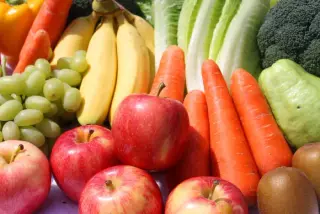
A cardiologist highlights four BP-supporting fruits—bananas (potassium), avocados (potassium, fiber and healthy fats), berries (anthocyanins), and kiwis (vitamin C and potassium). A diet rich in these fruits can help increase potassium to offset sodium’s effects and support healthier blood vessels, though reducing sodium remains important for blood pressure management.
Electrolyte powders and drinks have surged in popularity, but for most healthy adults water and a balanced diet already cover electrolyte needs. They’re mainly useful during long, sweat-heavy exercise, illness with fluid loss, or fasting. Natural sources like milk and coconut water can help hydration, while many products are high in sodium or added sugars, making them more lifestyle items than medical essentials.
Harvard Health Publishing explains that potassium is a vital electrolyte linked to lower blood pressure and reduced cardiovascular risk. It notes daily potassium targets (3,400 mg for men, 2,600 mg for women) and that many Americans fall short due to high intake of ultra-processed foods and low fruit/vegetable consumption. The piece highlights top potassium-rich foods—legumes, potatoes and sweet potatoes, leafy greens, dairy, fish, and various fruits and juices—and offers practical tips to boost intake, such as eating more whole foods, incorporating beans, and following DASH or Mediterranean dietary patterns. A table lists potassium content for common foods to help planning.
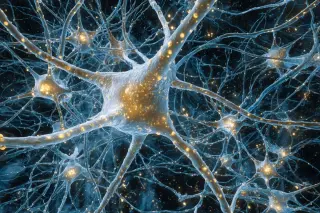
New work shows extracellular potassium acts as a ligand, triggering a switch in the Alka ion channel in fruit flies and a similar K+-sensitive response in a human RNA-edited glycine receptor linked to epilepsy, revealing potassium signaling as a brain communication pathway and potential therapeutic targets.
Eating a banana every day is generally a healthy habit, providing steady energy from carbs, gut-friendly fiber, and potassium plus magnesium that can support heart health, digestion, and muscle function. Bananas may also aid mood and sleep via serotonin/tryptophan, and their ripeness can affect sugar content. For most people, portion size matters and bananas can fit into a balanced diet, but those with kidney issues should check with a clinician about potassium needs before increasing daily intake.
Eating one banana daily is generally safe for healthy people and helps meet daily fruit intake, providing potassium, fiber, vitamin C, and resistant starch that may support digestion, fullness, heart health and exercise recovery. However, those on low‑potassium diets, with kidney issues, or needing to monitor blood sugar should consider portion size and overall diet, and incorporate a variety of fruits for balance.
Eating one banana daily is generally safe for most healthy people and provides potassium, fiber, vitamin C, and resistant starch that can support digestion, fullness, heart health, and exercise recovery. However, those on low-potassium diets or needing to monitor blood sugar should watch portions; while bananas help meet fruit intake, nutritionists recommend incorporating a variety of fruits for balanced nutrition.
A dietitian commits to eating a banana daily for a week to test practicality and health effects. She reports easier meal planning, steadier energy, fewer cravings, and improved digestion, highlighting bananas’ key nutrients—potassium, fiber, vitamin B6, antioxidants, and hydration. The piece also notes that moderation matters (one to two per day is generally safe) and offers easy ways to incorporate bananas (smoothies, toast, desserts, baking). It concludes that bananas are convenient, budget-friendly, and nutritious, but variety remains important for a balanced diet.