Deutsche Bank analysts anticipate a leading psychedelic-drug developer could triple its stock as psychedelic therapies gain mainstream traction, signaling significant upside for investors in this biotech niche.
An EEG study of 25 healthy volunteers shows psilocybin shifts the brain from a resting state to a dynamically engaged pattern by reducing slow theta/alpha power and increasing fast beta/gamma activity, with enhanced connectivity in the default mode network and parietal networks that correlates with the intensity of the psychedelic experience. Baseline fast-wave activity in frontal/emotional regions also predicted response to the drug. Using a double-blind, randomized crossover design (10–20 mg psilocybin vs placebo), researchers highlight potential biomarkers to guide psychedelic-assisted therapies, while noting limitations from the small, healthy-sample size and the need for clinical population studies and autonomic markers like heart-rate variability.
A Phase IIa randomized trial found that a single 21.5 mg IV dose of DMT, producing a ~25-minute psychedelic experience, yielded rapid and durable antidepressant effects in adults with moderate-to-severe treatment-resistant depression—MADRS scores dropped more than placebo within one week and effects persisted up to six months for some participants; efficacy correlated with the intensity of the peak experience, and the brief session could be more cost-effective and easier to implement than longer psychedelic therapies, though larger trials are needed and use is restricted to controlled clinical settings with professional support.
A small UK Phase IIa randomized, placebo-controlled trial found that a single dose of DMT with psychotherapy significantly reduced depressive symptoms for up to three months (some participants up to six); 47% reached remission at three months. DMT appeared safe and well tolerated, but the study's small size means larger, longer trials are needed before it could become a standard depression treatment.
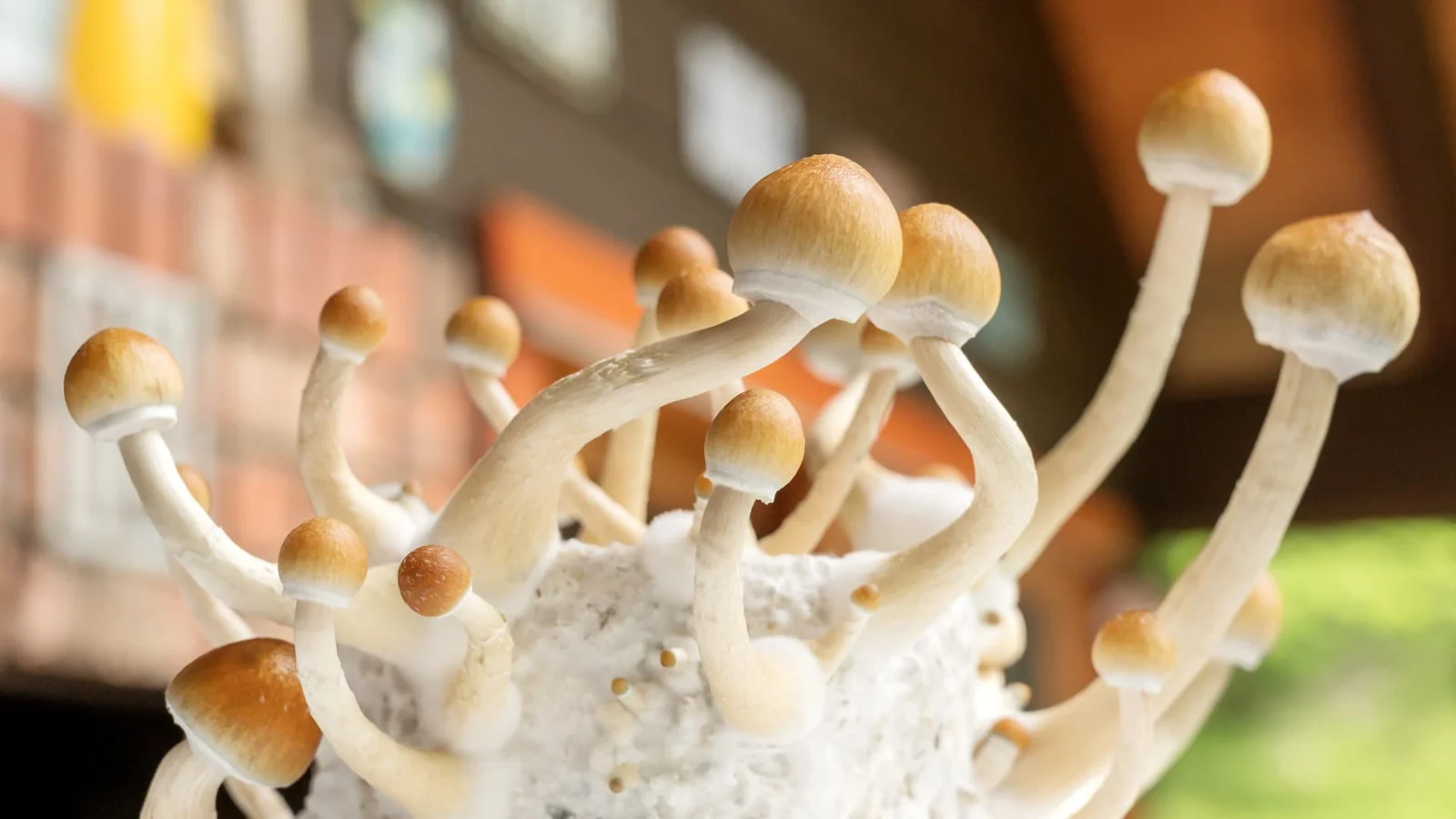
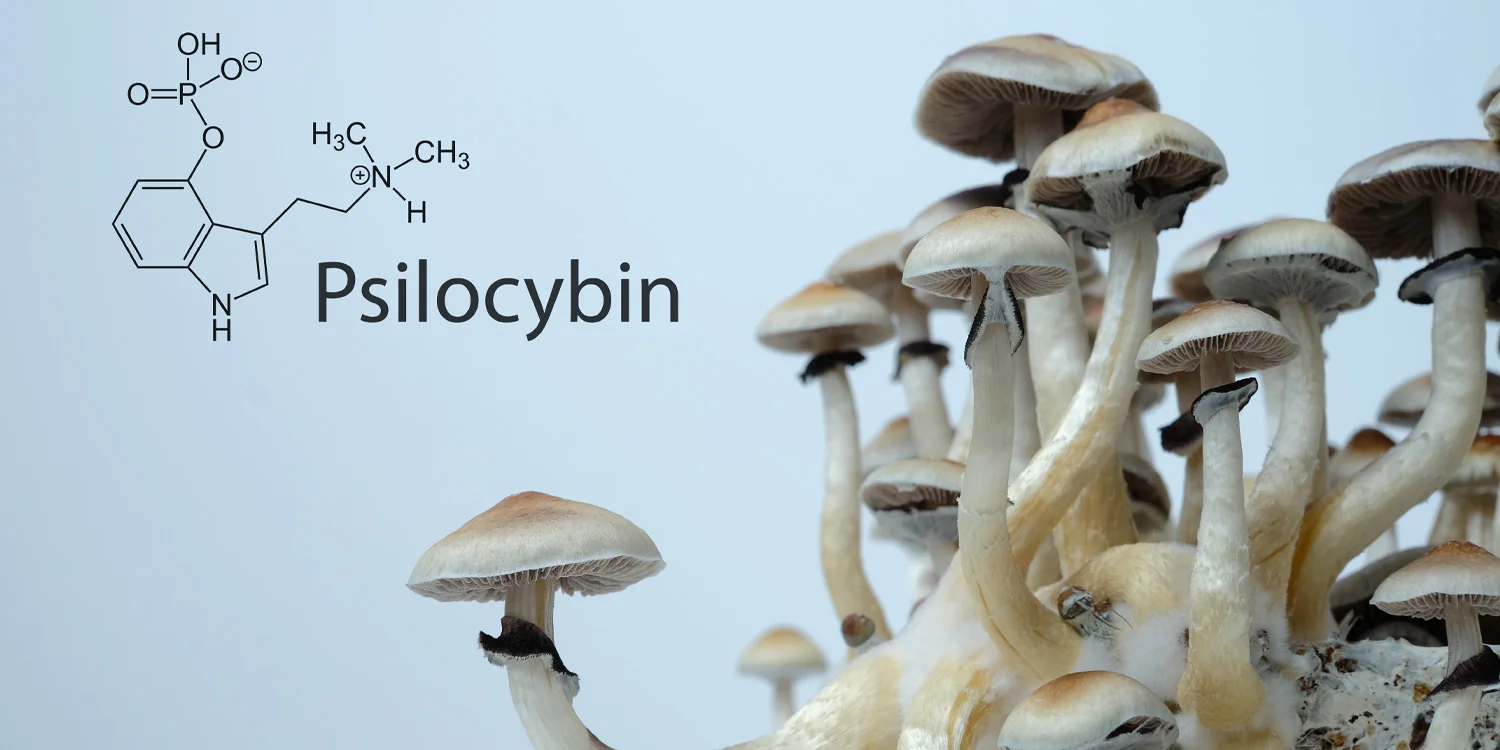
The article discusses the potential use of psilocybin, the active compound in magic mushrooms, as a treatment for mental health conditions like depression and PTSD, highlighting promising research, regulatory challenges, and differing opinions on safety and efficacy.
In 2025, significant advancements in consciousness research included exploring the possibility of universal consciousness before the Big Bang, recognizing consciousness as more widespread and ancient across species, breakthroughs in psychedelic therapy and altered states, progress in competing theories of consciousness, and increased attention to near-death experiences and their psychological impact, marking a shift towards viewing consciousness as a tangible scientific frontier.
Scientists at UCSF are exploring a pharmaceutical form of LSD, MM120, as a potential treatment for generalized anxiety disorder (GAD), showing promising results in reducing symptoms by promoting neuroplasticity and brain communication, with manageable side effects, offering hope for those unresponsive to traditional medications.
UCSF is exploring a novel psychedelic drug, MM120, derived from LSD, which has shown promising results in reducing symptoms of generalized anxiety disorder by promoting neuroplasticity and improving brain communication, potentially offering a more effective treatment than current medications, despite some mild side effects.
A new study shows that a single high dose of LSD (MM120) can significantly reduce anxiety and depression in adults with generalized anxiety disorder, with effects lasting up to 12 weeks, though environmental factors may also influence outcomes. The research supports the potential of psychedelics as future psychiatric treatments, pending further studies and FDA approval.
Research suggests that a single dose of MM120, an LSD formulation, may significantly reduce symptoms of generalized anxiety disorder with effects lasting up to three months, though further studies are needed to confirm safety and efficacy.
AbbVie is acquiring Gilgamesh Pharmaceuticals' investigational drug bretisilocin, a promising psychedelic therapy in Phase 2 trials for major depressive disorder, aiming to expand its psychiatric treatment portfolio. The drug has shown significant antidepressant effects with a shorter psychoactive duration, and the deal includes up to $1.2 billion in potential payments. This move underscores AbbVie's commitment to innovative mental health treatments.
A mid-stage trial of Beckley Psytech's psychedelic therapy for treatment-resistant depression shows significant symptom reduction, boosting prospects for approval amid a shifting regulatory landscape for psychedelic drugs.
A study presented at Psychedelic Science 2025 suggests that a single dose of psilocybin, the active compound in magic mushrooms, can provide depression relief lasting up to five years, with many participants experiencing remission and improved mental health, highlighting the potential of psychedelic treatments for depression.
A study reveals that a single dose of psilocybin can alleviate depression for at least five years, with 67% of participants remaining in remission, suggesting long-lasting benefits of psychedelic therapy for severe depression, though further research is needed due to small sample sizes.
A small study found that a single high dose of psilocybin, combined with psychological support, can significantly reduce alcohol consumption and cravings in individuals with severe alcohol use disorder, with effects lasting at least 12 weeks, though larger controlled studies are needed to confirm these findings.