
Digital Mafia Talkies poses open question on Season 2 renewal
Digital Mafia Talkies has published a piece titled 'Will There Be A Season 2?', indicating that the future of the second season is currently under discussion or remains unconfirmed.

All articles tagged with #dmt
Digital Mafia Talkies has published a piece titled 'Will There Be A Season 2?', indicating that the future of the second season is currently under discussion or remains unconfirmed.
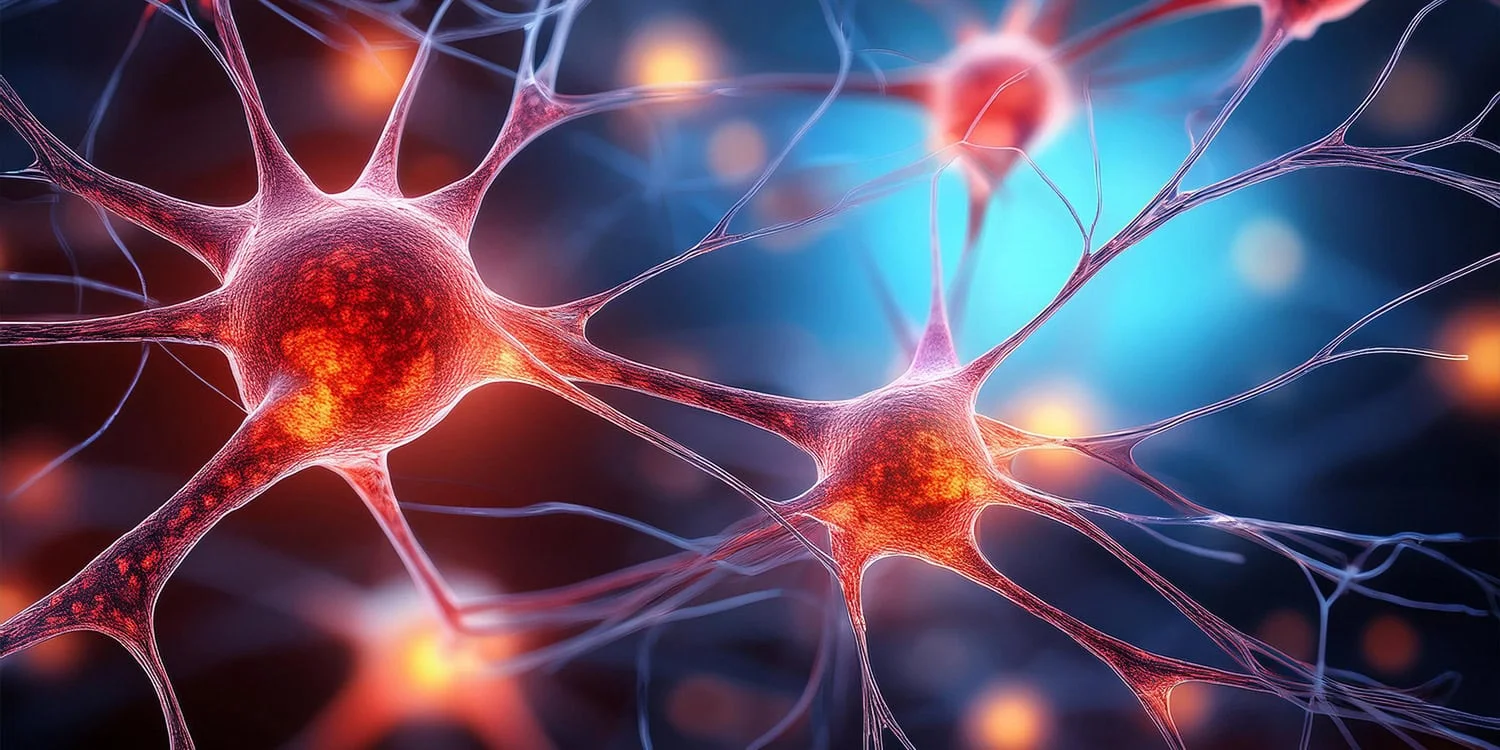
A single dose of DMT given after chronic stress reverses depression-like behaviors in mice, restoring pleasure-seeking and improving cognitive performance, with brain data showing increased hippocampal neurogenesis and corrected neuron placement. In many measures DMT outperformed fluoxetine, and benefits persisted even when dosing occurred under anesthesia, suggesting the conscious psychedelic experience may not be strictly necessary. Timing mattered: post-stress dosing yielded stronger cognitive recovery, underscoring a brain-plasticity window, but researchers caution that mouse results do not guarantee human outcomes and call for further translational work.

A phase II trial sponsored by Small Pharma (now Cybin UK) found a synthetic DMT formulation, delivered by injection with psychotherapeutic support, reduced depressive symptoms more than placebo after two weeks in 17 treated vs 17 controls. The study emphasizes the therapists’ role and notes the synthetic DMT yields a short, ~30-minute experience without vomiting (unlike traditional ayahuasca). While promising, the results are preliminary and require clinic-based administration, with broader context including FDA-approved ketamine therapy and ongoing psychedelics research.
A Phase IIa randomized trial found that a single 21.5 mg IV dose of DMT, producing a ~25-minute psychedelic experience, yielded rapid and durable antidepressant effects in adults with moderate-to-severe treatment-resistant depression—MADRS scores dropped more than placebo within one week and effects persisted up to six months for some participants; efficacy correlated with the intensity of the peak experience, and the brief session could be more cost-effective and easier to implement than longer psychedelic therapies, though larger trials are needed and use is restricted to controlled clinical settings with professional support.

A small UK Phase IIa randomized, placebo-controlled trial found that a single dose of DMT with psychotherapy significantly reduced depressive symptoms for up to three months (some participants up to six); 47% reached remission at three months. DMT appeared safe and well tolerated, but the study's small size means larger, longer trials are needed before it could become a standard depression treatment.

In a double-blind, placebo-controlled trial with 34 adults suffering from treatment-resistant major depressive disorder, a single intravenous dose of DMT with psychotherapeutic support produced a rapid and meaningful reduction in depressive symptoms within a week, with effects lasting up to three months (some in remission for six months); the dose appeared safe with mostly mild side effects, though blinding was challenged by noticeable psychedelic effects and the small sample size calls for larger trials.
A study shows that DMT, a naturally occurring psychedelic molecule, can protect the brain from stroke damage in mice by restoring the blood-brain barrier and reducing inflammation, suggesting potential for new stroke treatments, though clinical trials are ongoing and legal restrictions vary.
Research shows that DMT, a natural psychoactive compound, can reduce stroke damage by restoring the blood-brain barrier and decreasing inflammation, offering a promising new approach to stroke treatment that is currently being tested in clinical trials.
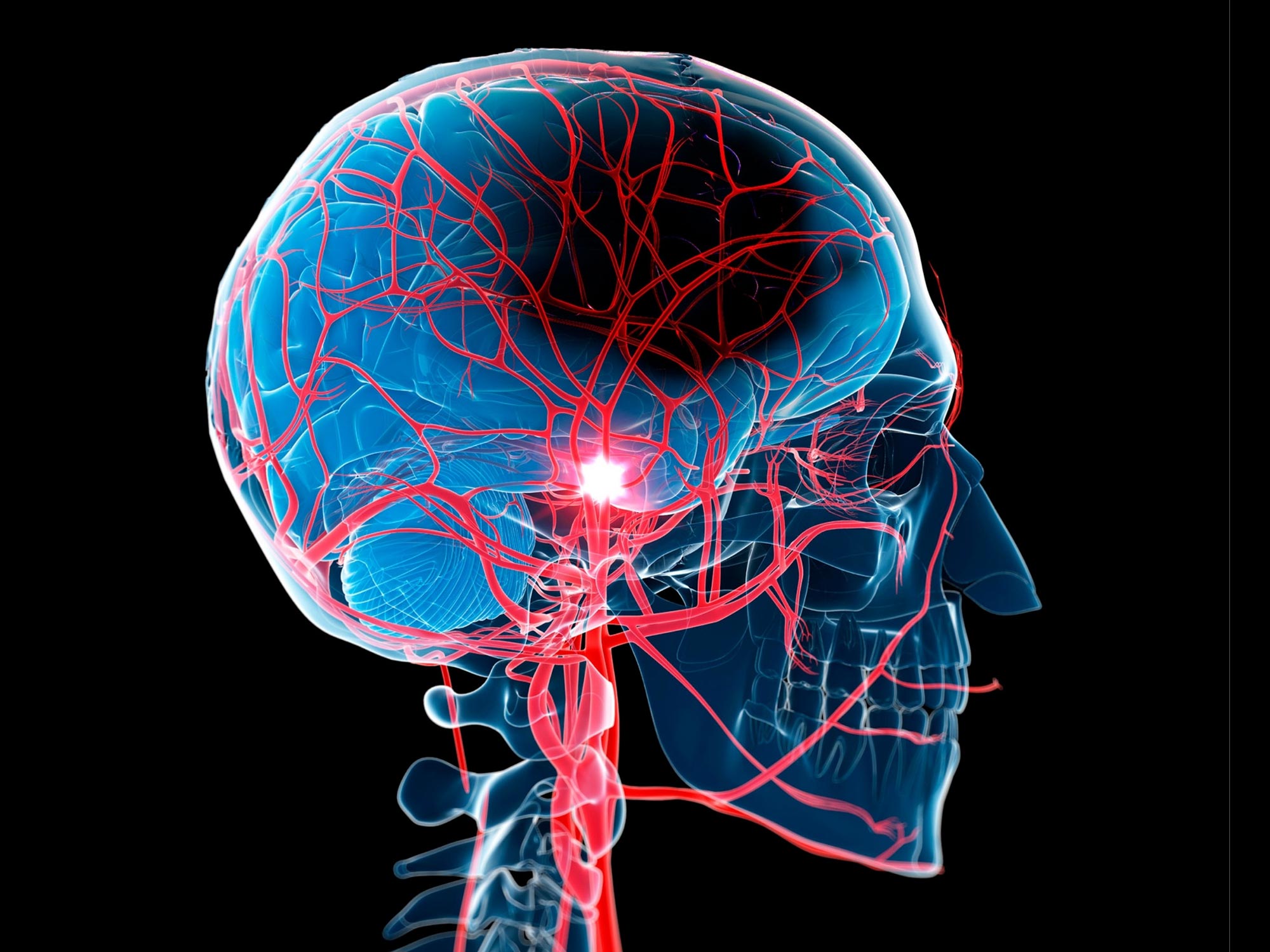
A natural compound called DMT, found in the human brain, shows potential in reducing stroke damage by protecting the blood-brain barrier and decreasing inflammation, with ongoing clinical trials exploring its therapeutic use.
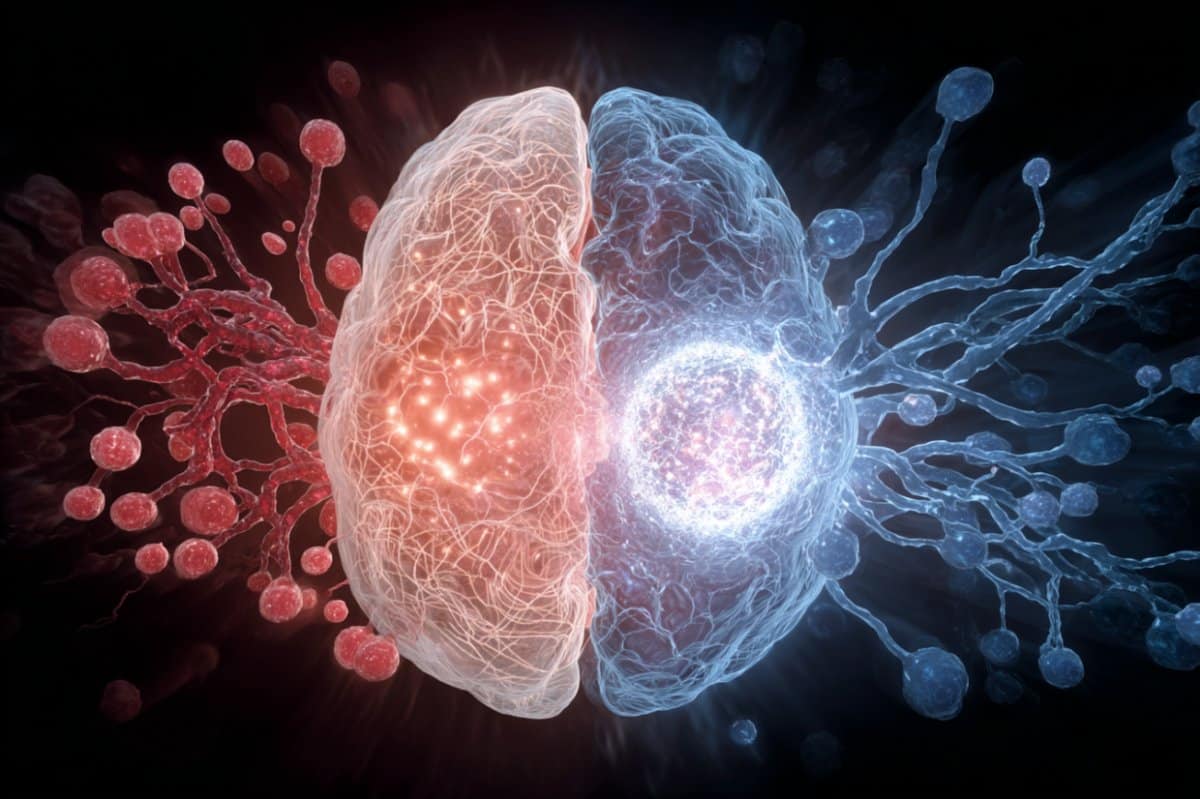
Research indicates that DMT, a natural psychoactive compound, can protect the brain after stroke by restoring blood-brain barrier integrity and reducing inflammation, suggesting its potential as an adjuvant treatment to improve recovery outcomes.
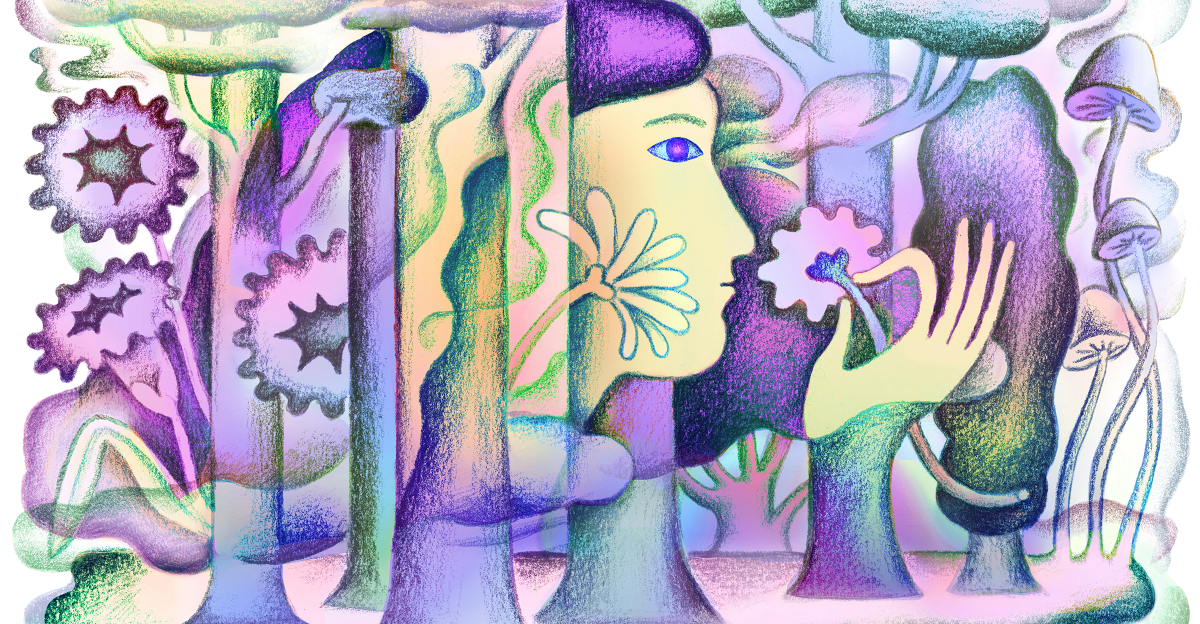
DMT, or N,N-dimethyltryptamine, is a powerful and mysterious psychedelic that naturally occurs in the human brain. Despite its intense and bizarre effects, which include visions of hyperdimensional worlds and entities, DMT has not received as much scientific attention as other psychedelics like ketamine, MDMA, and psilocybin. This is partly due to its extreme nature and the surreal experiences it induces, which have kept it on the fringes of the psychedelic research revival.
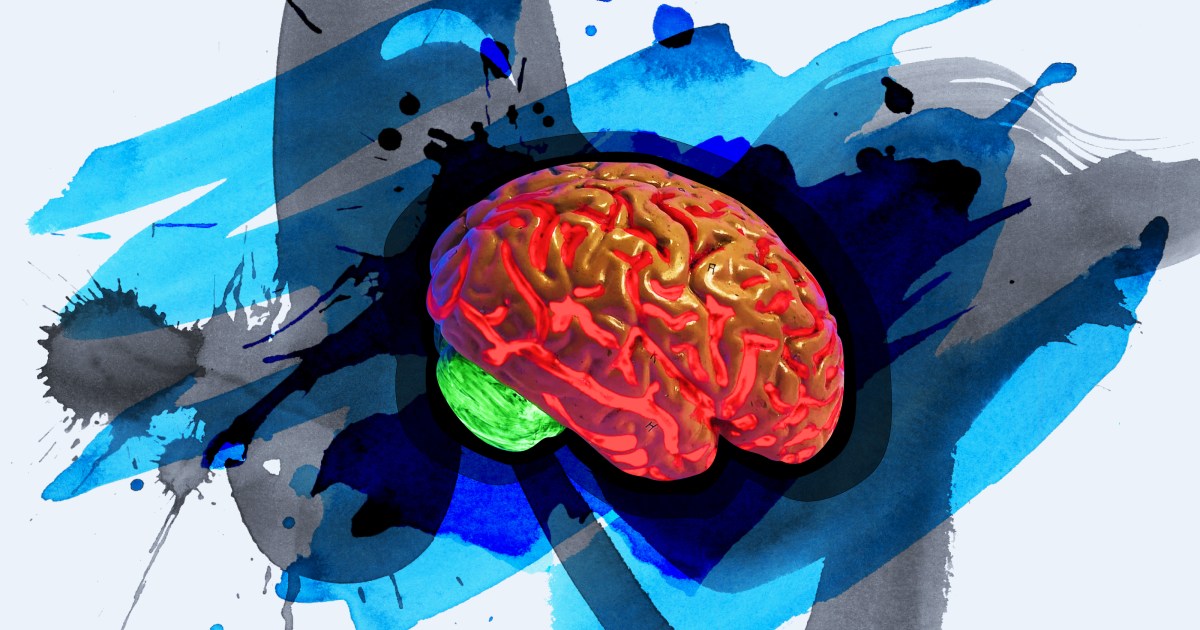
A recent study published in the Proceedings of the National Academy of Sciences has revealed that N,N-dimethyltryptamine (DMT), one of the most powerful psychedelics known to humankind, causes the brain to become hyperconnected. Researchers witnessed the hierarchical organization of the brain collapse, replaced with a state of global hyper-connectivity. Interestingly, some of the same patterns can be seen in the brains of experienced meditators as they meditate, in people with schizophrenia, and in infants, suggesting that their brains may literally perceive the world differently. According to the researchers, DMT and psychedelics in general make the fabricated nature of reality abundantly clear to those who use them.

Brain scans of individuals injected with DMT, the psychedelic compound found in ayahuasca, reveal a profound impact across the brain, particularly in areas that are highly evolved in humans and instrumental in planning, language, memory, complex decision-making, and imagination. The regions from which we conjure reality become hyperconnected, with communication more chaotic, fluid, and flexible. The ability to make brain activity more fluid and flexible is thought to underpin not only the profound psychedelic experience but the promising results from early clinical trial patients who were given DMT in combination with psychotherapy to treat depression.
A study at Imperial College London has revealed how the potent psychedelic compound DMT (dimethyltryptamine) alters brain function. During the immersive DMT experience, there was increased connectivity across the brain, with more communication between different areas and systems. The changes to brain activity were most prominent in areas linked with “higher level” functions, such as imagination. The study is the first to track brain activity before, during and after the DMT experience in such detail.
A study at Imperial College London has revealed how the potent psychedelic compound DMT alters brain function. During the immersive DMT experience, there was increased connectivity across the brain, with more communication between different areas and systems. The changes to brain activity were most prominent in areas linked with "higher level" functions, such as imagination. The study is the first to track brain activity before, during and after the DMT experience in such detail, providing further evidence of how DMT, and psychedelics more generally, exert their effects by disrupting high level brain systems.