Goldman Sachs says market pricing for Federal Reserve rate hikes is too hawkish given cooling inflation and softer data; a September hike is unlikely, with traders shifting bets toward January as inflation trends improve and hawkish bets unwind.
After stronger-than-expected inflation data, economists expect the RBA to hold rates this week, but a housing market downturn could create near-term turbulence—the so‑called "air pocket"—with a minority forecasting a rate increase; most predictions are for a hold, but about half of experts foresee at least one more hike this year, potentially lifting the cash rate to around 4.6%, while NAB warns of a roughly 10% housing downturn.
The Fed held rates at 3.50%–3.75% but dissent grows, with three policymakers urging a hike. Long-dated yields jumped and the yield curve steepened, signaling higher-term inflation risks and lingering policy doubt beyond the next meeting. While PCE measures show some near‑term easing, annual inflation remains well above target, energy costs persist, and investors are pricing a more persistent inflation path and potential policy inertia.
Long-dated U.S. Treasuries rose after the Fed held rates, with the 10-year near 4.66% and the 30-year around 5.21% (the highest since 2007), as investors flagged an inflation credibility shock at the Fed. Bank of America economists said the moves reflect concern about inflation and suggested the Fed could still raise rates by 25 basis points at upcoming meetings, even as Fed Chair Warsh signaled no forward guidance.
Fed officials are confronting renewed price pressures from oil, AI-driven demand, and tariffs, keeping a potential rate hike on the table for the July meeting even as inflation cools modestly; markets have priced in a meaningful chance of a move, and dissent from policymakers remains a possibility as the central bank weighs whether to hold or hike in a fragile inflation backdrop.
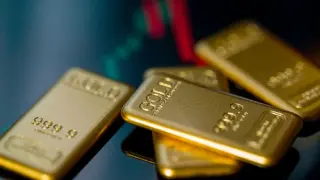
Gold fell into the second half of 2026, marking its worst three-month period since 2013 as inflation fears and potential U.S. rate hikes weigh on non-yielding assets; futures and spot prices declined, silver dropped as well, while analysts from Amundi say gold still serves as a diversification tool amid a volatile macro backdrop and ongoing central-bank diversification away from dollars.
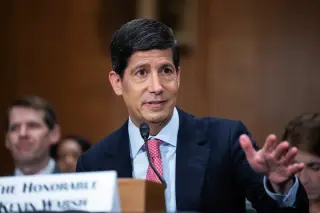
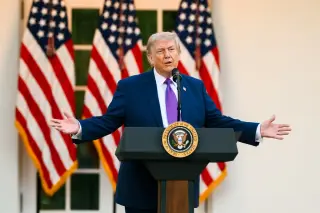
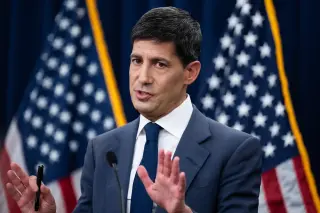
Fed Chair Kevin Warsh’s six-word statement that the committee will deliver price stability signaled a hawkish shift, implying potential rate hikes by year-end 2026 and prompting immediate market declines. Bank of America projects multiple hikes, while President Trump expressed skepticism about higher rates, though he also voiced cautious support for Warsh. The move comes as inflation remains above target, leaving investors watching for further guidance on the Fed’s path forward.
The Fed’s preferred inflation gauge, the PCE index, rose 4.1% in May (year over year) and 0.4% month over month, with core PCE up 3.4% year over year and 0.3% month over month, signaling persistent price pressures and keeping the door open for a rate increase within the next 12 months, according to economists who differ on the path ahead.
Gold and silver fell as tech-stock weakness and bets on higher rates after a hawkish Fed meeting reduced demand for safe-haven assets; gold futures hovered around $4,140/oz and silver near $62/oz, as banks downgraded forecasts and Deutsche Bank warned that 3–4 rate hikes could push gold to about $3,800, with a hold potentially lifting it toward $4,300.
Fed Chair Warsh’s inflation-focused hawkish stance triggered a sharp market shift, with traders rapidly pricing in rate hikes as soon as July and extending expectations for multiple tightening moves over the coming years, though some analysts see no move this year as inflation cools and political considerations weigh on policy.
After the Fed’s first meeting led by new chair Kevin Warsh, policymakers’ dot plot suggested rate hikes could come in 2026 even though rates stayed at 3.5%–3.75%. Stocks sold off, with the Dow about 507 points lower (-0.98%), the S&P 500 down ~1.21%, and the Nasdaq ~1.34% lower, as bond yields jumped (2-year yield near 4.22%). Despite the hawkish tone, stock futures ticked higher overnight and Asia opened mixed, with Nikkei and Kospi hitting new records. Attention now shifts to earnings from Accenture and Kroger, plus May indicators, the Philadelphia Fed index, and initial jobless claims.
Inflation remains the bond market’s central worry, pushing Treasury yields higher and shifting expectations from rate cuts to multiple Fed rate hikes later this year. A strong May jobs report and ongoing price pressure suggest inflation will stay above target, forcing demand for higher yields across the spectrum (2-year to 30-year), flattening prices, and highlighting concerns about debt growth and price stability as the Fed navigates policy.
May payrolls rose 172,000 vs expectations, wiping about $1.4 trillion from the S&P 500 as rate-cut bets collapsed; a resilient labor market and inflation near 3.8% pushed traders to price in higher-for-longer rates into 2027. AI-focused stocks faced additional pressure from looming stock offerings and IPOs, while investors weigh whether valuations can stay elevated if borrowing costs remain higher.
US stocks finished sharply lower as a tech-led sell-off and fears of Federal Reserve rate hikes overshadowed a better-than-expected May jobs report (172,000 jobs). The Nasdaq slumped about 4%, with AI/tech names such as Nvidia, Alphabet, and Meta weighing most on the indexes, while Broadcom and Micron also fell. The S&P 500 dropped roughly 2–3% and the Dow declined around 1%, pushing yields higher and the dollar stronger. Oil prices fell amid ongoing Middle East tensions and a lack of progress on supply, signaling continued market volatility despite resilient economic data.
A hotter-than-expected CPI reading suggests inflation may prove stickier than hoped, prompting the Fed to stay cautious and lifting odds of further rate hikes; markets price in a longer, higher-for-longer path for policy as investors reassess timing of monetary tightening.