Tag

Shark Conservation

All articles tagged with #shark conservation

Plymouth Aquarium's Famous Shark 'Bruce' Dies, Ending a Decade of Myth-Busting

Plymouth Aquarium's Famous Shark 'Bruce' Dies, Ending a Decade of Myth-Busting

The Plymouth Aquarium has confirmed the death of its resident shark, a long-time exhibit that played a key role in educating the public and challenging common misconceptions about sharks. The animal, which had been a centerpiece of the facility's conservation efforts, died after a period of declining health. The aquarium stated that the shark's presence helped shift public perception, moving away from fear-based narratives toward a more nuanced understanding of marine predators. Staff members described the loss as a significant blow to their educational mission, noting that the shark had served as a bridge between visitors and the reality of ocean life. The facility is currently reviewing its future exhibits and conservation programs in light of this loss.
Wales' SharkAdemy Trains New Conservationists in Celtic Sea Fieldwork
science-and-nature1 month ago

Wales' SharkAdemy Trains New Conservationists in Celtic Sea Fieldwork

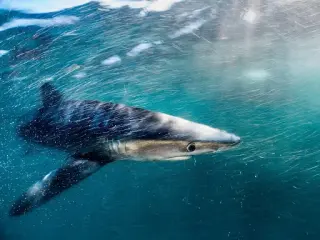
SharkAdemy, now in its fourth year, offers a week-long intensive course in Wales that combines classroom learning with hands-on fieldwork in the Celtic Sea. The program trains 18 selected participants in shark conservation, focusing on species like the heavily fished blue shark. Participants engage in activities such as freediving and data collection, aiming to build a new cohort of marine scientists while highlighting the intelligence and migratory nature of sharks.

Satellite tag data reveals a pregnant porbeagle shark was likely consumed by a larger predator
science3 months ago

Satellite tag data reveals a pregnant porbeagle shark was likely consumed by a larger predator

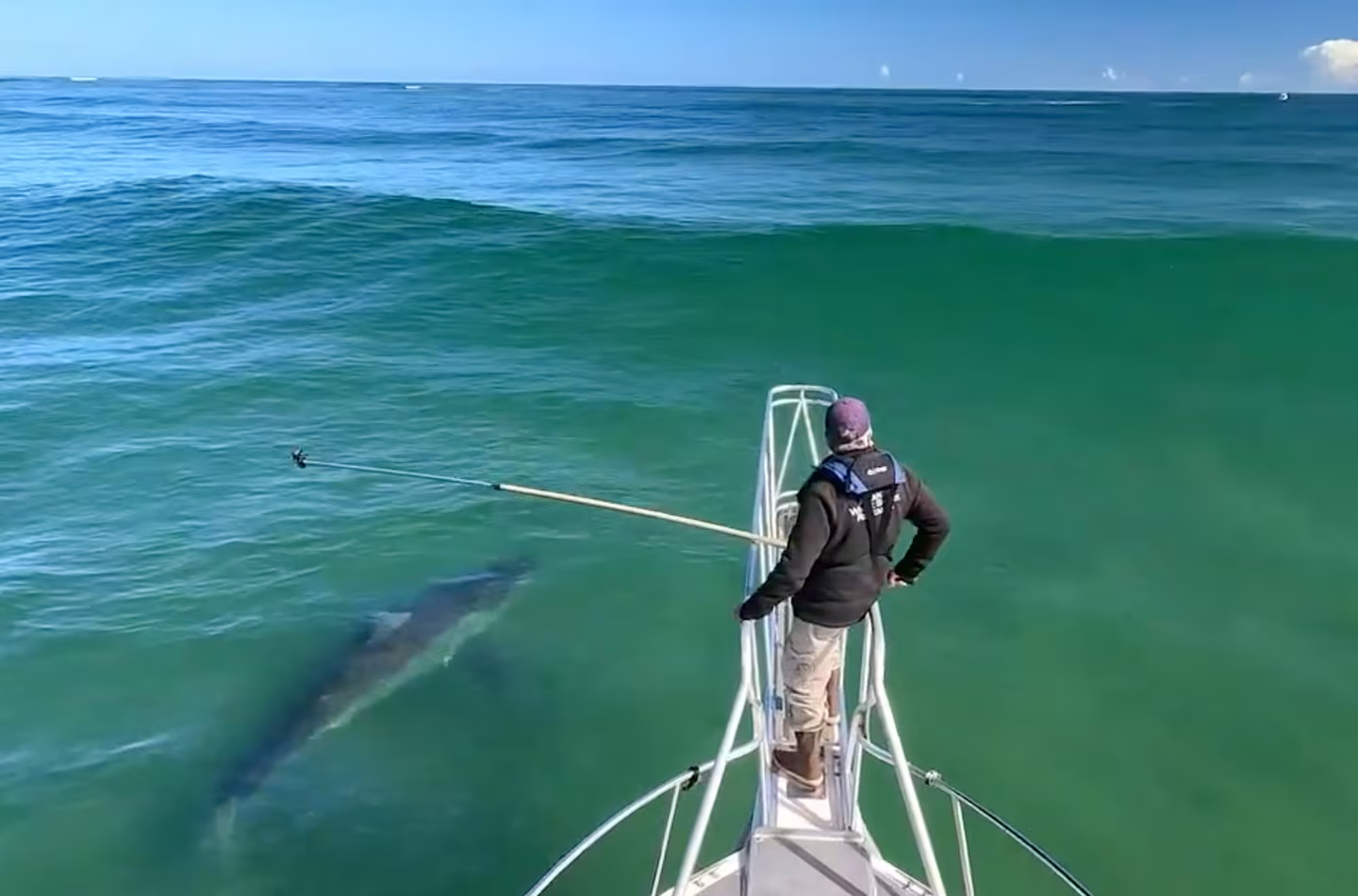
A pop-up satellite tag attached to a pregnant porbeagle shark off Cape Cod recorded four days of anomalous data after the animal stopped moving normally. The readings showed a constant internal temperature of 22°C, five degrees warmer than the surrounding sea, suggesting the shark was swallowed by a larger predator capable of regional endothermy, likely a white shark. This is the first documented evidence of a porbeagle being eaten by another species, highlighting a gap in understanding the threats facing this vulnerable apex predator.

Researchers Warn Mediterranean Great White Sharks at Risk of Extinction
environment11 months ago

Researchers Warn Mediterranean Great White Sharks at Risk of Extinction

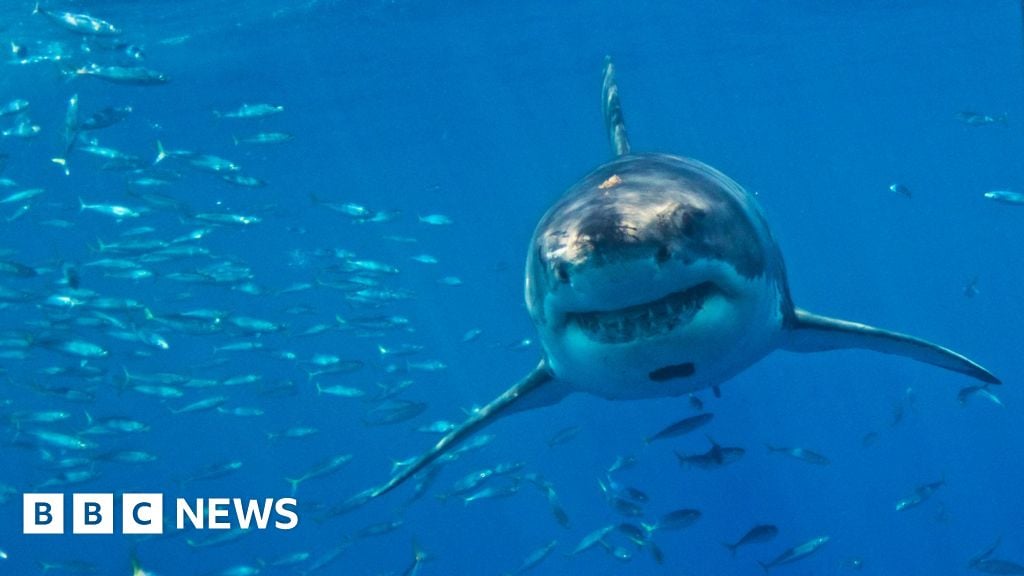
Great white sharks in the Mediterranean are critically endangered due to illegal fishing and are being sold in North African markets, with over 40 sharks killed in 2025 alone. Despite international protections, enforcement is weak, and the ecosystem is heavily degraded, raising concerns about the species' potential extinction unless urgent conservation efforts are made.

Mexican Marine Biologist Injured in Costa Rica Shark Attack
science1 year ago

Mexican Marine Biologist Injured in Costa Rica Shark Attack

A Mexican marine biologist, Mauricio Hoyos, was seriously injured in a shark attack while working off Costa Rica's Cocos Island, a renowned shark habitat, but was rescued and transported to hospital in stable condition. The incident, involving a large shark during a scientific expedition, is considered extremely rare and highlights the risks faced by researchers in marine environments.

"Rare Footage: First-Ever Glimpse of Pure White Newborn Great White Shark Birth"
science2 years ago

"Rare Footage: First-Ever Glimpse of Pure White Newborn Great White Shark Birth"

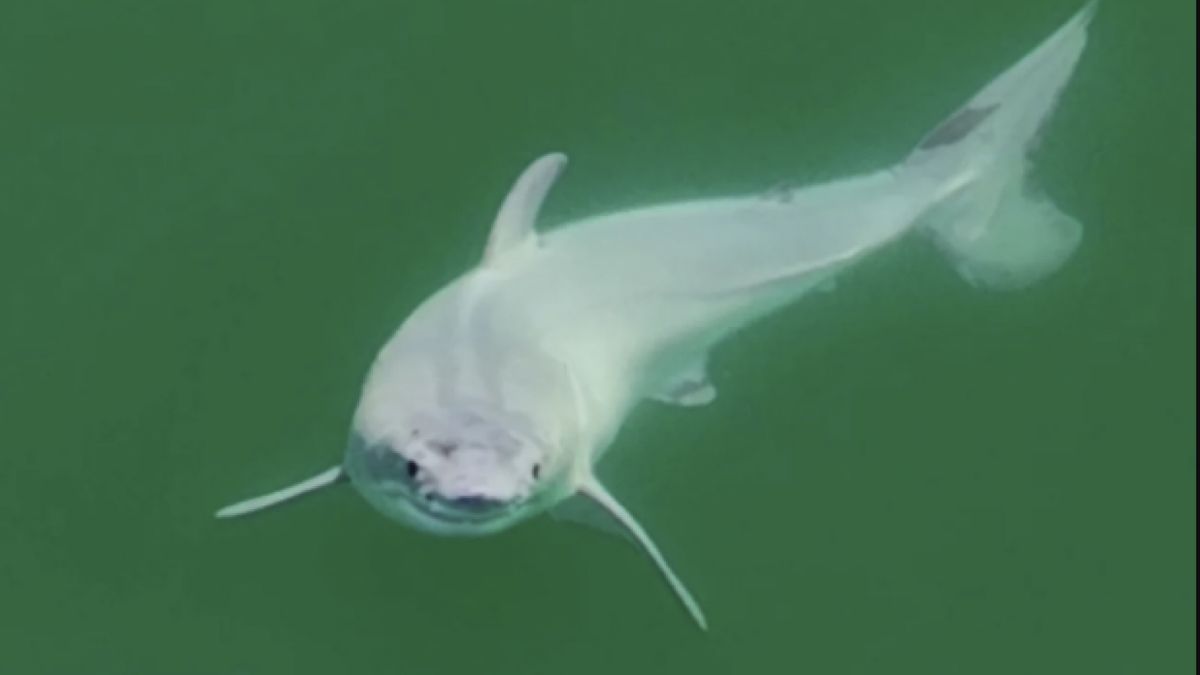
Researchers have captured the first-ever footage of a pure white newborn great white shark off the coast of California, a significant discovery in shark science. The 5-foot pup with rounded fins and entirely white coloration is believed to be just hours old and sheds light on the mystery of where great white sharks give birth. The sighting, captured via drone, suggests that the California coastline could be a critical breeding ground for these sharks, highlighting the importance of further research for their conservation.

"Unintended Discovery: Silky Sharks' Astonishing Fin Regeneration"
marine-biology-wildlife-conservation2 years ago

"Unintended Discovery: Silky Sharks' Astonishing Fin Regeneration"

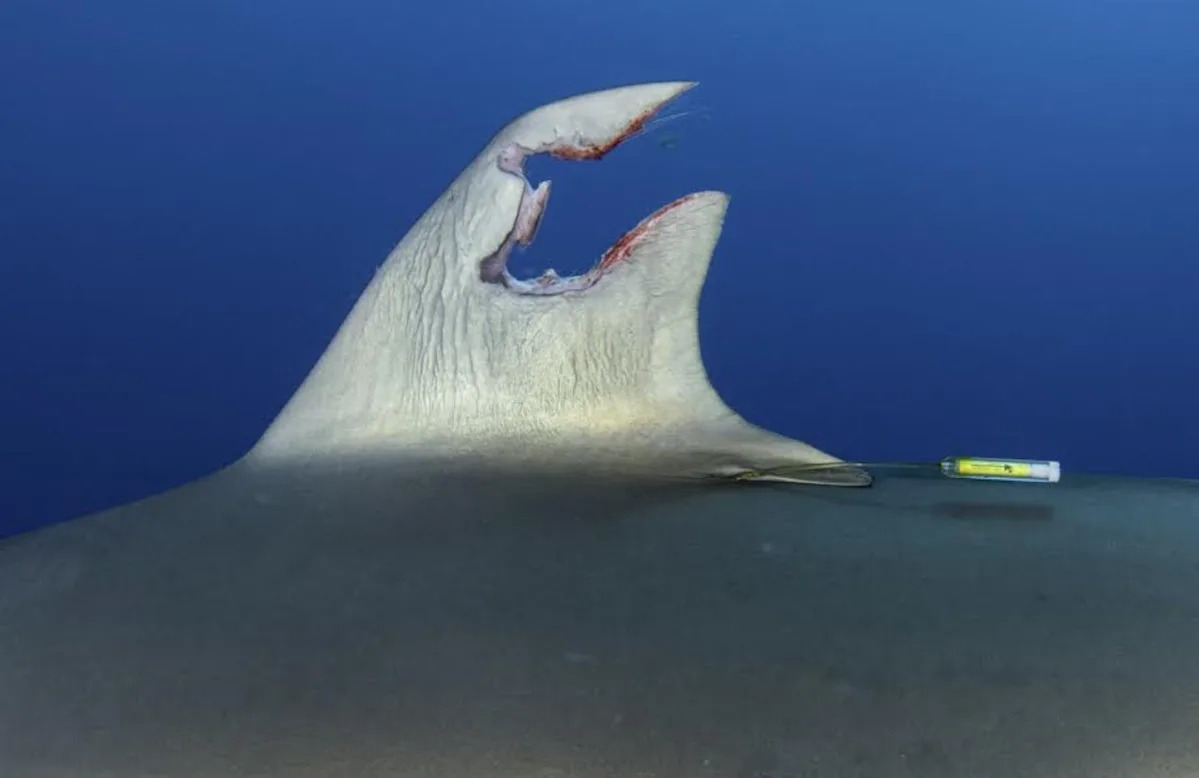
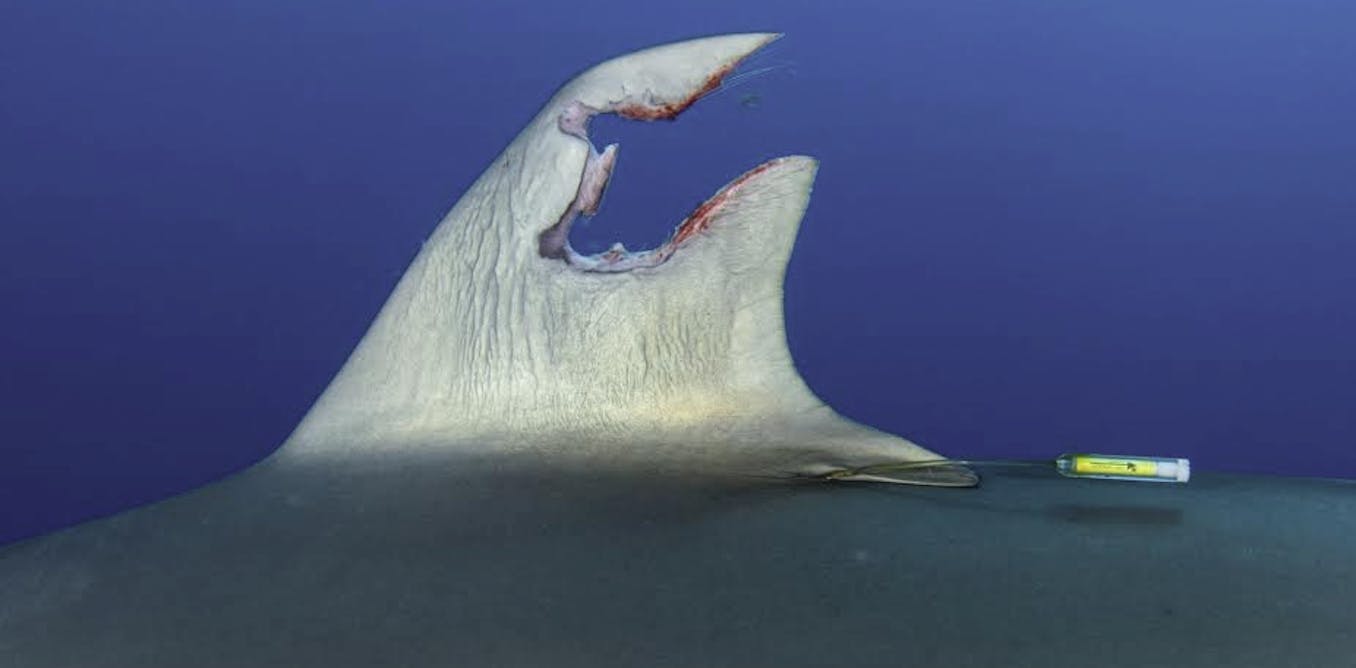
While studying the migration of silky sharks off the coast of Florida, researcher Chelsea Black accidentally documented the rare phenomenon of a shark regenerating a sabotaged dorsal fin. After tagging the sharks for her Ph.D. research, she discovered one of the tagged sharks with a large wound in its dorsal fin, likely caused by human interference. A year later, the shark was spotted with a completely healed and 10.7% larger dorsal fin, showcasing an extraordinary feat of regeneration. This discovery sheds light on the remarkable resilience of sharks and highlights the importance of wildlife protection and conservation efforts.

"Silky Shark's Astonishing Fin Regeneration Stuns Scientists"
marine-biology2 years ago

"Silky Shark's Astonishing Fin Regeneration Stuns Scientists"

While studying the migration patterns of silky sharks off the coast of Jupiter, Florida, a researcher inadvertently documented the rare phenomenon of a shark regenerating a dorsal fin that had been sabotaged by human interference. The injured shark, tagged as #409834, was found to have completely healed and regenerated more than half of its dorsal fin within 332 days, showcasing the species' remarkable resilience and ability to endure. This discovery sheds light on the extraordinary healing capabilities of sharks and underscores the importance of conservation efforts for these ancient and resilient creatures.

"Survivor's Guide: How to Outsmart Sharks and Stay Safe in the Water"
wildlife-conservation3 years ago

"Survivor's Guide: How to Outsmart Sharks and Stay Safe in the Water"

Shark expert and conservationist Mike Coots, who lost his leg to a tiger shark in 1997, shares his dos and don'ts for avoiding shark attacks. He advises maintaining clear visibility and eye contact with sharks, avoiding distractions from cameras, not splashing or panicking in the water, and always facing the shark. Coots emphasizes that sharks are not actively hunting humans and that their portrayal in movies and media has led to misconceptions. His new photo book, "Shark: Portraits," aims to showcase the beauty and importance of sharks in our oceans.

Survivor's Unbreakable Spirit: Conquering Fear and Defying Odds After a Shark Attack
conservation3 years ago

Survivor's Unbreakable Spirit: Conquering Fear and Defying Odds After a Shark Attack

Mike Coots, a shark attack survivor, has dedicated his life to shark conservation and photography after losing his leg in a tiger shark attack. His new book, "Shark: Portraits," showcases his stunning images of sharks, aiming to change the perception of these apex predators. Coots emphasizes the importance of sharks for the health of our oceans and dispels misconceptions about their intentions towards humans. He shares safety tips for underwater encounters and highlights the need for clear visibility and eye contact with sharks. Through his work, Coots hopes to raise awareness about the beauty and significance of sharks in our seas.

"Stunning Dinosaur Embryo Image Takes Top Prize in Nature Competition"
science-and-nature3 years ago

"Stunning Dinosaur Embryo Image Takes Top Prize in Nature Competition"

A photography competition held by the BMC Ecology and Evolution journal has showcased stunning images of scientific research, including a dinosaur embryo, fossilized dinosaur blood vessel, parasitic fungi infecting ants and spiders, shark conservation efforts, and an underwater ROV exploring the depths of the Coral Sea Marine Park. The overall winner was an image of an invasive orange pore fungus in Australia. These captivating photos provide a glimpse into the beauty and complexity of the natural world and the ongoing scientific discoveries within it.

"Dolphins Rescue Man from Shark Attack, Defying Death"
animal-behavior3 years ago

"Dolphins Rescue Man from Shark Attack, Defying Death"

A man who was attacked by a shark while swimming in the Red Sea believes that a pod of dolphins saved his life by scaring off the predator. The man had lost a significant amount of blood and was waiting to die when the dolphins appeared. While experts suggest that dolphins may not intentionally save humans from shark attacks, there have been several cases where dolphins and whales have exhibited protective behavior towards humans in the water. A new National Geographic show, "Saved from a Shark," explores these encounters and the possible motivations behind them.