Tag

Ocean Research

All articles tagged with #ocean research

Satellite tag data reveals a pregnant porbeagle shark was likely consumed by a larger predator
science3 months ago

Satellite tag data reveals a pregnant porbeagle shark was likely consumed by a larger predator

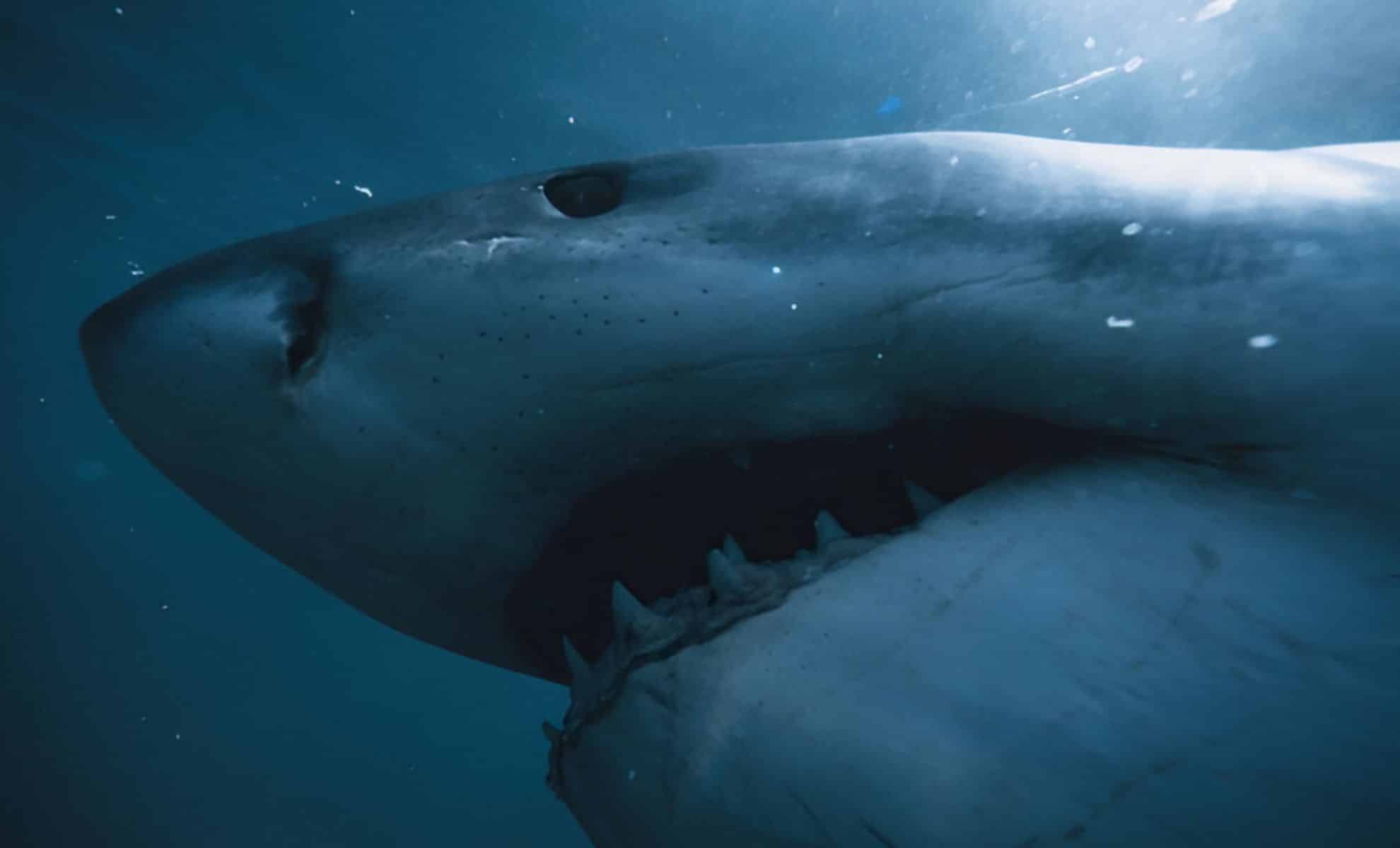
A pop-up satellite tag attached to a pregnant porbeagle shark off Cape Cod recorded four days of anomalous data after the animal stopped moving normally. The readings showed a constant internal temperature of 22°C, five degrees warmer than the surrounding sea, suggesting the shark was swallowed by a larger predator capable of regional endothermy, likely a white shark. This is the first documented evidence of a porbeagle being eaten by another species, highlighting a gap in understanding the threats facing this vulnerable apex predator.
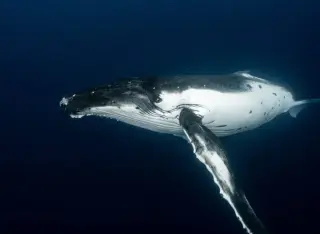
The 52-Hertz Whale: Decades of Unanswered Calls Raise Questions About Solitude vs. Scientific Limitations
science4 months ago

The 52-Hertz Whale: Decades of Unanswered Calls Raise Questions About Solitude vs. Scientific Limitations

A whale in the North Pacific has been recorded calling at 52 hertz since the early 1990s, a frequency distinct from typical blue and fin whale calls. While popular media labels this animal the 'loneliest whale' due to the lack of detected responses, scientific analysis suggests this absence of reply may result from limited detection capabilities rather than actual isolation. The signal, tracked via hydrophones, remains an anomaly that challenges our understanding of marine communication and species identification.

Rare Sleeper Shark Spotted in Antarctic Deep, Scientists Say
science9 months ago

Rare Sleeper Shark Spotted in Antarctic Deep, Scientists Say

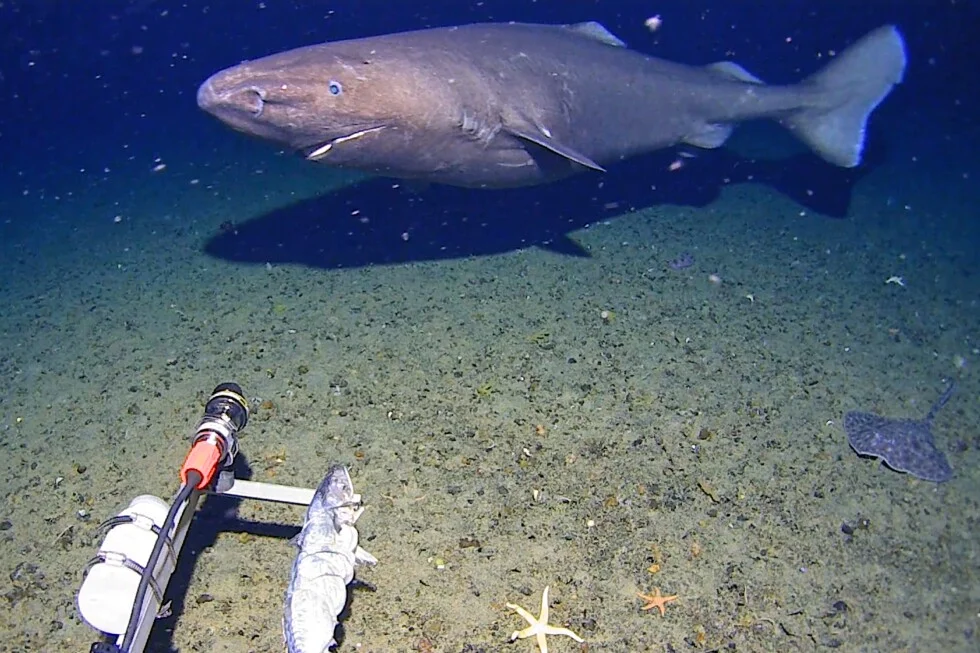
A Minderoo-UWA Deep-Sea Research Centre camera off the South Shetland Islands captured a 3–4 meter sleeper shark at about 490–500 meters depth in near-freezing 1.27°C water, possibly the first confirmed record of a shark that far south in the Antarctic Ocean; researchers note such sightings are rare due to remoteness and limited deep-water cameras, and warming oceans could be nudging species toward Antarctica.

Scientists Uncover How Cookiecutter Sharks Create Perfect Circles on Whales
science10 months ago

Scientists Uncover How Cookiecutter Sharks Create Perfect Circles on Whales

Scientists from the University of Hawaii have identified the elusive cookiecutter shark as the predator responsible for the circular wounds on marine mammals and fish, using a decade of data to analyze its behavior, feeding patterns, and environmental influences, revealing its nocturnal, stealthy hunting tactics and traditional Polynesian knowledge supporting scientific findings.

Comprehensive Marine Body Size Database Enhances Ocean Research
science1 year ago

Comprehensive Marine Body Size Database Enhances Ocean Research

The Marine Organizational Body Size (MOBS) database is an open-access resource that has compiled body size data for over 85,000 marine species, from microscopic plankton to whales, to enhance understanding of ocean biodiversity and macroevolution. It aims to cover 75% of all described marine species, providing a valuable tool for ecological and evolutionary research, especially for invertebrates and deep-sea creatures.

"Rare Footage: First-Ever Live Sighting of Baby Great White Shark"
science2 years ago

"Rare Footage: First-Ever Live Sighting of Baby Great White Shark"

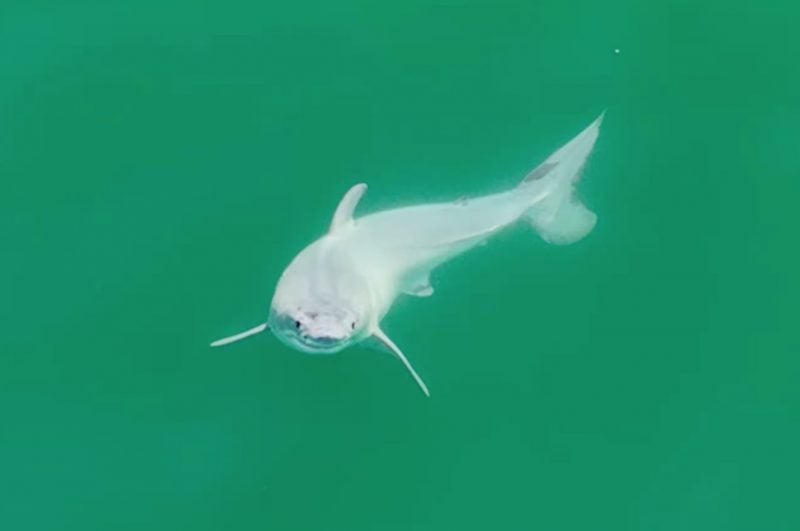
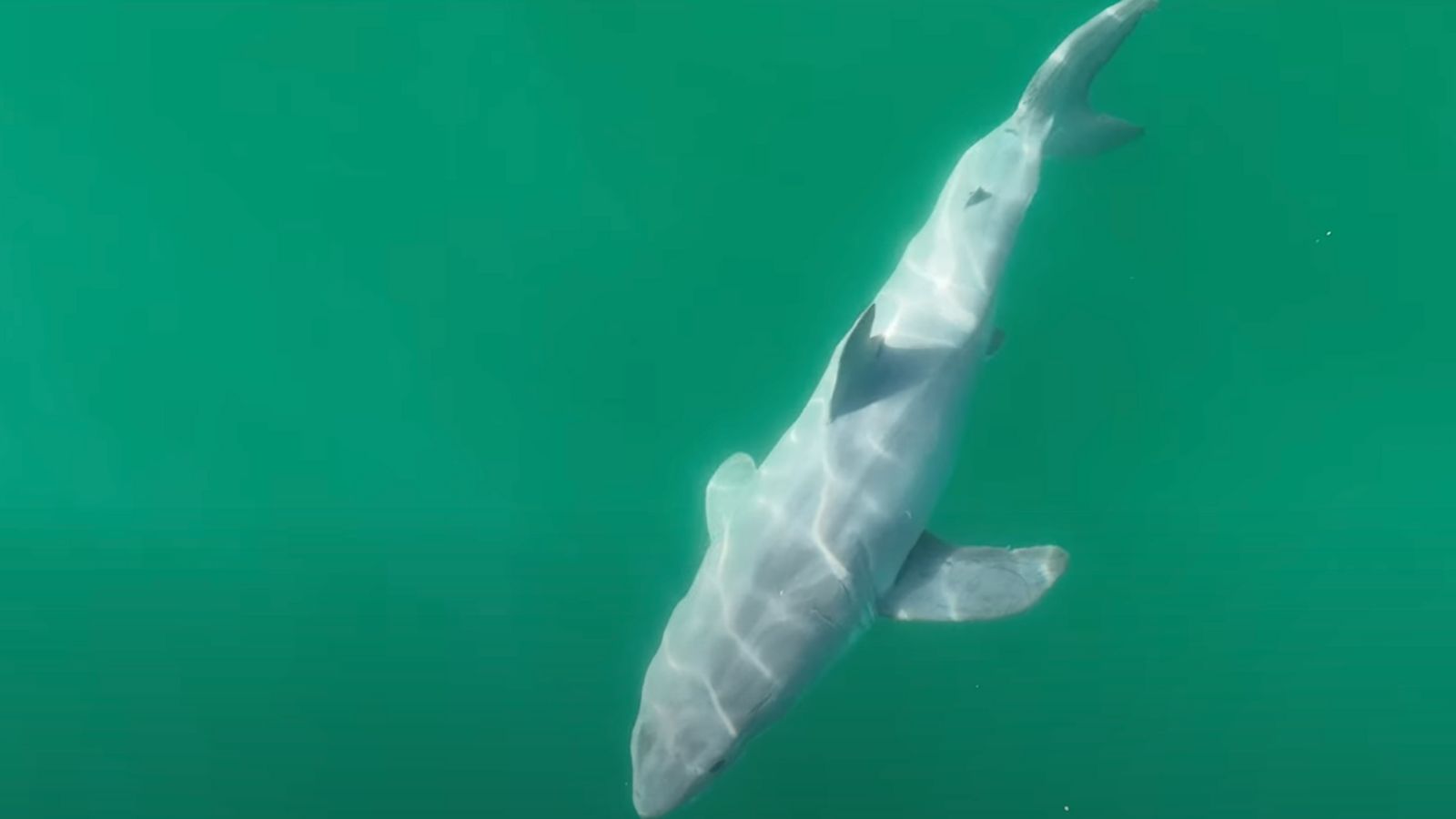
Researchers have captured footage of a newborn great white shark shedding a milky white layer, marking the first live sighting of a newborn. The discovery, made in California, suggests a potential birthing location for great white sharks, although some experts remain skeptical due to the lone nature of the sighting and the shark's mobility. Nonetheless, the find is considered a significant breakthrough in shark science and could provide valuable insights into the species' reproductive behavior.

"World's First Live Footage of Newborn Great White Shark Captured by YouTuber and Photographer"
naturescience2 years ago

"World's First Live Footage of Newborn Great White Shark Captured by YouTuber and Photographer"

YouTuber TheMalibuArtist claims to have captured the first-ever footage of a newborn great white shark, garnering over half a million views on YouTube. The video has sparked debate among shark experts, with some questioning whether the shark in the footage is truly a newborn great white or possibly has a skin disease or belongs to a rare breed. The discovery has ignited interest in marine life and ocean research, highlighting the ongoing mysteries and potential for new findings in the natural world.

Threats to Bioluminescent Marine Creatures in the Twilight Zone
science-and-environment3 years ago

Threats to Bioluminescent Marine Creatures in the Twilight Zone

The Woods Hole Oceanographic Institution (WHOI) shared a video captured by two robots that were dropped into the twilight zone of the ocean during the Nautilus Live expedition. The twilight zone is the area between 200 and 1,000 meters below the surface and is home to a diverse range of marine animals and organisms. The robots recorded rare glimpses of these creatures, providing valuable insights into this mysterious underwater world. The video has garnered positive reactions from netizens, with viewers appreciating the beauty and tranquility of the footage.

Unveiling the Unseen: Inside Hurricane Idalia through an Ocean Drone's Lens
weathertechnology3 years ago

Unveiling the Unseen: Inside Hurricane Idalia through an Ocean Drone's Lens

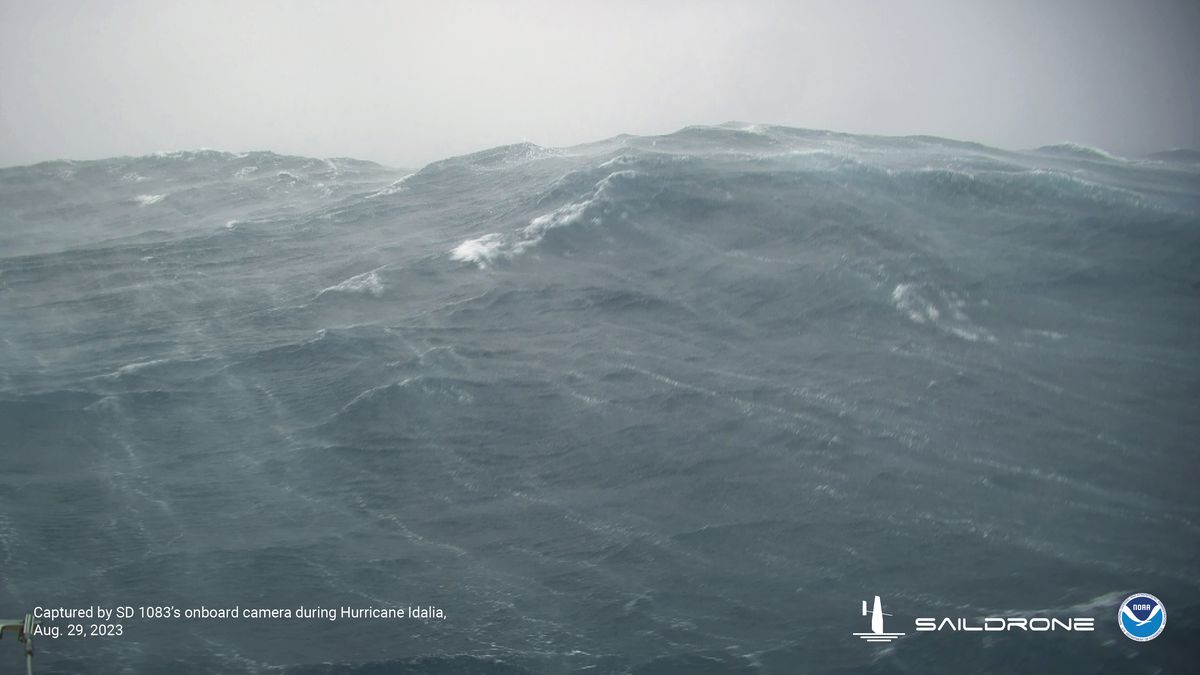
A saildrone, an unmanned research vehicle, captured dramatic footage of Hurricane Idalia in the Gulf of Mexico, offering valuable insights into the environment rarely seen by humans. The footage could help improve hurricane forecasting, particularly in predicting rapid intensification. Saildrone is working with the National Oceanic and Atmospheric Administration (NOAA) to study what happens at the surface where wind meets water. NOAA is currently using 12 unmanned saildrones strategically placed in areas where hurricanes frequently occur. The saildrones provide measurements that other tools cannot, enhancing our understanding of hurricanes and their behavior.

"Scientists urge rigorous testing of oceans in the battle against climate change"
environment3 years ago

"Scientists urge rigorous testing of oceans in the battle against climate change"

Over 200 scientists have called for responsible research into ocean-based carbon dioxide removal strategies to combat the climate crisis. While oceans already absorb and hold significant amounts of carbon dioxide, scientists want to understand the risks and potential side effects of enhancing this ability. Startups are developing technologies to sequester more CO2 in the sea, but there is a lack of information about their effectiveness and impacts. The letter emphasizes the need for controlled field trials, third-party reviews, safeguards against unintended consequences, and inclusive policies. Some experts warn of potential harm to marine life and stress the urgency of taking action to protect ocean health and address the climate crisis.

"FathomNet: AI-Powered Database Tackles Ocean Data Backlog"
technology3 years ago

"FathomNet: AI-Powered Database Tackles Ocean Data Backlog"

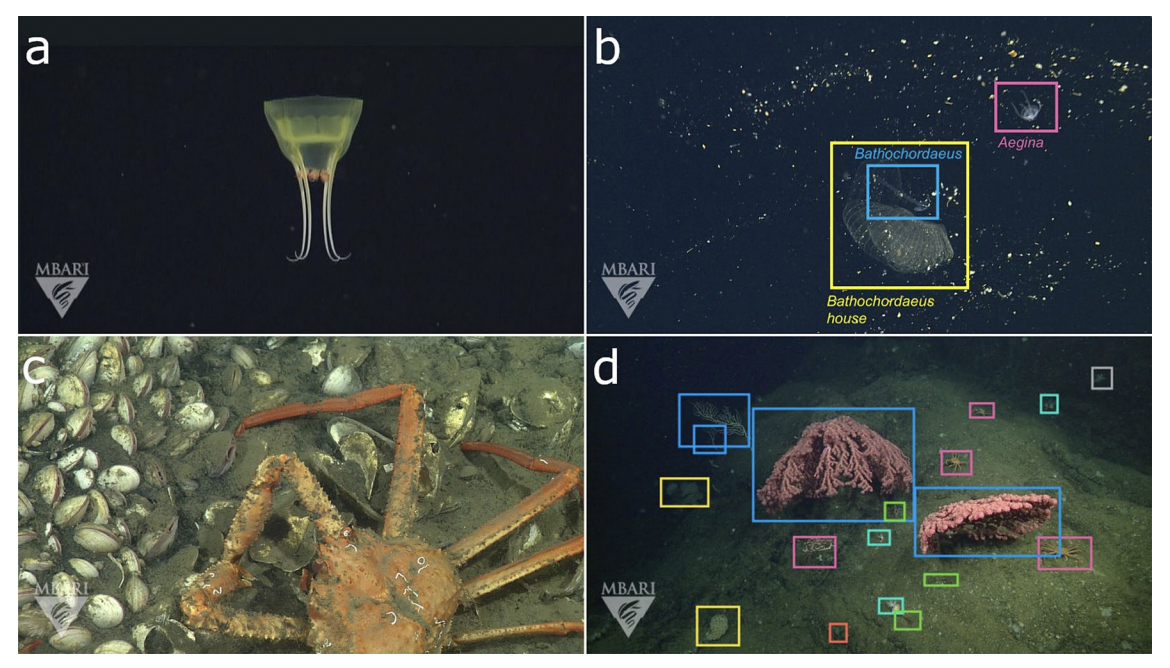
FathomNet, an open-source image database, has been developed by research institutions in collaboration with MBARI to accelerate ocean research by utilizing artificial intelligence and machine learning. The database aggregates and standardizes labeled data from various sources, providing a rich resource for underwater visual analysis. With contributions from other institutions, FathomNet aims to revolutionize ocean exploration and monitoring by enabling faster processing and analysis of visual data. The dataset currently contains over 84,000 images and will soon have more than 200 million observations. The team emphasizes the importance of community participation in improving the database and promoting innovations in ocean research.