Tag

Predator Prey Dynamics

All articles tagged with #predator prey dynamics

Eagle Predation on Human-Sized Baboons in Chad Challenges Evolutionary Safety Assumptions
science2 hours ago

Eagle Predation on Human-Sized Baboons in Chad Challenges Evolutionary Safety Assumptions

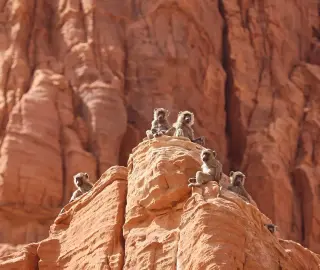
A new study reveals that Verreaux’s eagles in Chad’s Ennedi Plateau prey on adult olive baboons weighing up to 26 kilograms, challenging the long-held belief that primates over 13 kilograms were too heavy for raptors to hunt. This discovery suggests early human ancestors of similar size may have faced aerial predation, potentially influencing their social behaviors and group defense strategies.
Eagle predation on 26kg baboons in Chad challenges human evolution safety limits
science1 day ago

Eagle predation on 26kg baboons in Chad challenges human evolution safety limits

A new study reveals that Verreaux's eagles in Chad's Sahara Desert hunt adult olive baboons weighing up to 26 kilograms, shattering the scientific consensus that primates over 13 kilograms were too heavy for raptors to kill. This finding suggests early human ancestors of similar size may have faced aerial predation, potentially driving the evolution of group defense strategies and social cooperation among hominins.

science2 days ago

Fossil Evidence in Chad Suggests Eagles Hunted Primates as Large as Early Humans

A new study published in the American Journal of Biological Anthropology reveals that Verreaux’s eagles in northern Chad preyed on adult olive baboons weighing up to 26 kilograms. This finding challenges the long-held scientific consensus that primates over 13 kilograms were too heavy for raptors to hunt. Researchers argue that early human ancestors of similar size may have faced aerial predation, potentially influencing the evolution of group defense strategies and social cooperation among hominins.

Eagle Talons on Baboon Skulls Challenge Human Evolution Safety Thresholds
science4 days ago

Eagle Talons on Baboon Skulls Challenge Human Evolution Safety Thresholds

A new study reveals that Verreaux’s eagles in Chad’s Ennedi plateau have killed adult olive baboons weighing up to 26 kilograms, shattering the long-held belief that primates over 13 kilograms were too heavy for raptors to hunt. This discovery suggests early human ancestors of similar size may have faced aerial predation, potentially influencing the evolution of group defense behaviors.

New Fossil Evidence Suggests Eagles Hunted Baboons as Heavy as Early Human Ancestors
science4 days ago

New Fossil Evidence Suggests Eagles Hunted Baboons as Heavy as Early Human Ancestors

A study published in the American Journal of Biological Anthropology reports that Verreaux’s eagles in Chad’s Ennedi plateau preyed on adult olive baboons weighing up to 26 kilograms. This challenges the long-held belief that primates over 13 kilograms were too heavy for raptors to hunt. The findings suggest early human ancestors of similar size may have faced aerial predation, potentially influencing their social behaviors and group defense strategies.
Butterfly Wing Patterns Create Motion Illusions to Confuse Predators
science1 month ago

Butterfly Wing Patterns Create Motion Illusions to Confuse Predators

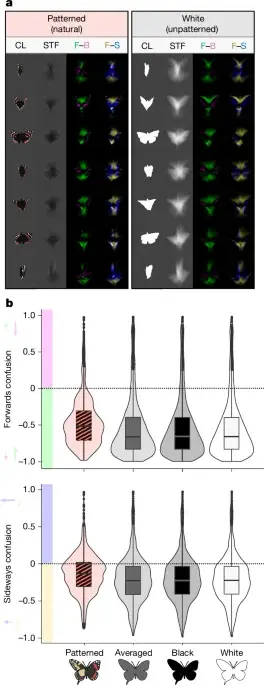
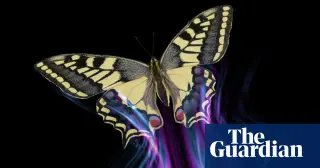
Research published in Nature demonstrates that butterfly wing patterns function as 'motion dazzle,' creating visual illusions that confuse predators. By combining high-contrast stripes with specific flight dynamics, butterflies disrupt a predator's ability to accurately gauge speed and direction, leading to missed attacks or strikes on non-vital areas. This mechanism explains why brightly colored butterflies survive despite lacking traditional camouflage.

Butterflies Use Wing Patterns to Create Motion Illusions That Confuse Predators
science1 month ago

Butterflies Use Wing Patterns to Create Motion Illusions That Confuse Predators

New research published in Nature reveals that butterflies evade predators not through camouflage, but by creating motion illusions. Researchers from the University of Exeter and Essex found that wing patterns, combined with flight dynamics, scramble a predator's perception of speed and direction, similar to a barber pole effect. This 'motion dazzle' causes birds to miss their targets or strike non-vital areas. The study suggests this mechanism is widespread in nature and may explain why brightly colored butterflies survive despite being visible.

Satellite tag data reveals a pregnant porbeagle shark was likely consumed by a larger predator
science3 months ago

Satellite tag data reveals a pregnant porbeagle shark was likely consumed by a larger predator

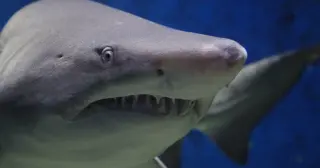
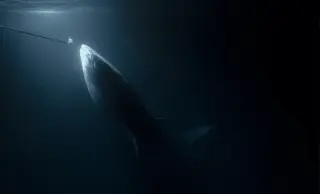
A pop-up satellite tag attached to a pregnant porbeagle shark off Cape Cod recorded four days of anomalous data after the animal stopped moving normally. The readings showed a constant internal temperature of 22°C, five degrees warmer than the surrounding sea, suggesting the shark was swallowed by a larger predator capable of regional endothermy, likely a white shark. This is the first documented evidence of a porbeagle being eaten by another species, highlighting a gap in understanding the threats facing this vulnerable apex predator.

"Survival Strategies: Lizards Evading Venomous Snakes"
biology2 years ago

"Survival Strategies: Lizards Evading Venomous Snakes"

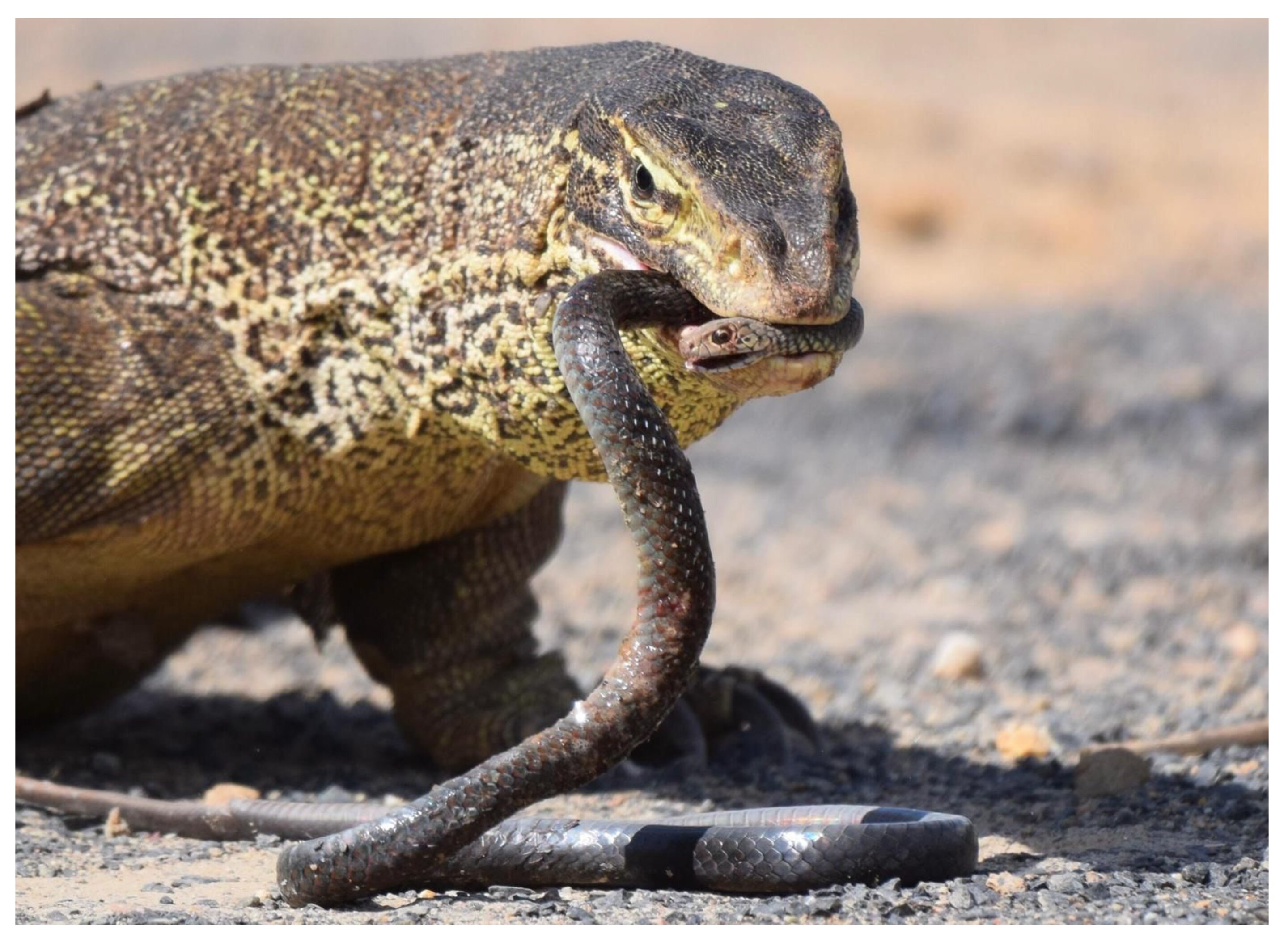
A study led by the University of Queensland has revealed how certain lizards, including Komodo dragons and goannas, have evolved to resist the deadly neurotoxins of venomous Australian snakes. The research found that most large varanid lizards have inherited neurotoxin resistance, possibly due to their predatory lifestyle, while some smaller species lost and regained this resistance as they adapted to different environments. Additionally, the study showed that some lizards rely on their physical build, such as thick scales and large teeth, to protect themselves against snakebites. This research sheds light on the dynamic nature of evolutionary processes in delicate ecosystems and highlights the intense predator-prey dynamic between lizards and snakes.

Uncovering Dinosaur Predation through Bone Bite Marks
paleontology3 years ago

Uncovering Dinosaur Predation through Bone Bite Marks

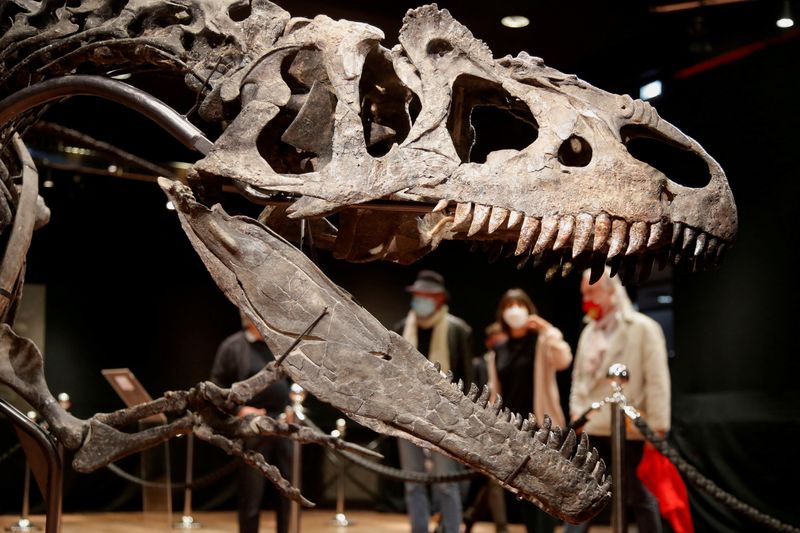
Paleontologists studying bite marks on sauropod bones have concluded that the marks were likely made by scavenging meat-eating dinosaurs rather than predators that actively hunted and killed adult sauropods. The researchers found that the bite marks were more likely to be on the bones of old, sick, injured, or otherwise vulnerable sauropods. The study suggests that it would have been too risky for predators to try to bring down an adult sauropod, which could weigh up to 50 tons. Instead, the large theropods likely targeted and consumed young sauropods, which were more defenseless.

Uncovering Dinosaur Predation through Bone Bite Marks
paleontology3 years ago

Uncovering Dinosaur Predation through Bone Bite Marks

Paleontologists studying bite marks on sauropod bones from the Jurassic Period have concluded that the marks were likely made by scavenging meat-eating dinosaurs rather than predators that actively hunted and killed adult sauropods. The researchers found deep grooves on 68 out of 600 bones examined, suggesting that the scavengers came across the bodies of sauropods that had already died from causes like old age or infirmity. The study also revealed that adult sauropods were likely not targeted by predators due to their massive size and the potential risk involved in attacking them. Instead, predators may have focused on young sauropods, which were more vulnerable.