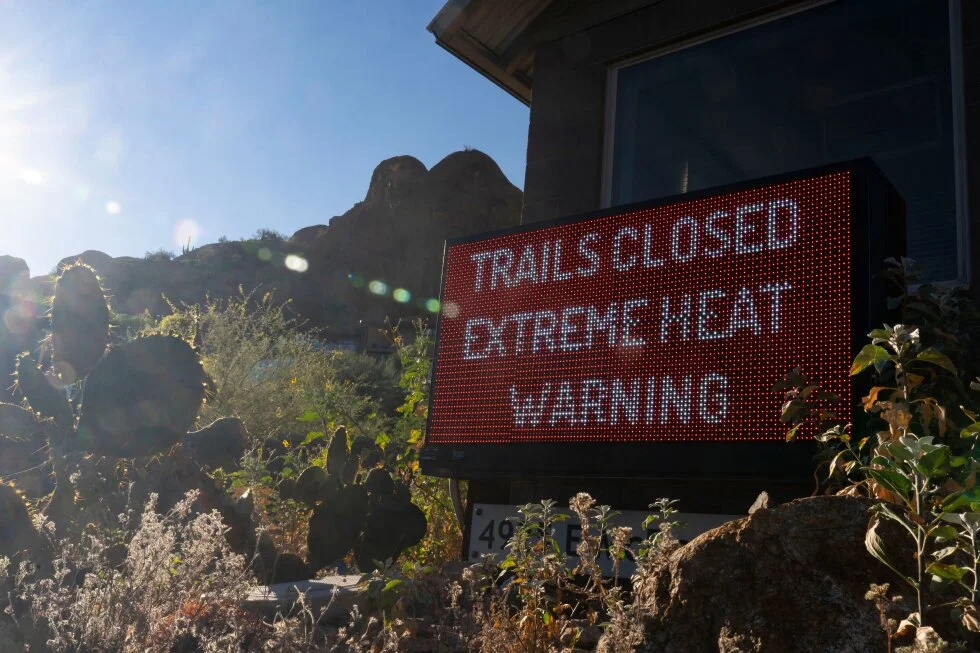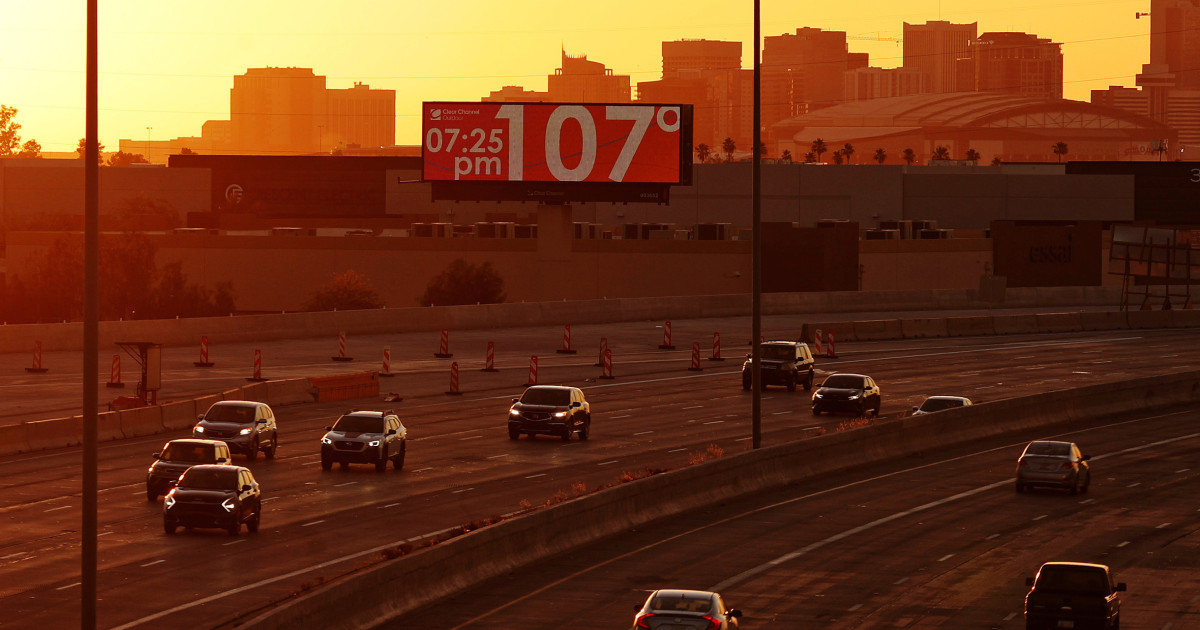
A southwestern heat wave pushed an Arizona community to 110°F, the hottest March temperature ever recorded in the United States, as scorching conditions persist across the region and prompt warnings and closures.
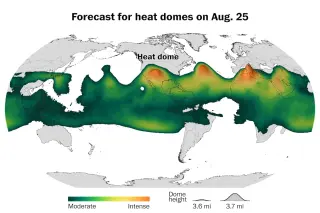
An anomalously early heat wave is boiling the western U.S., with Southern California highs reaching the 90s and parts of Arizona and Nevada in the triple digits as about 39 million people are under heat alerts. The National Weather Service says a high-pressure heat dome will drive daily record highs and likely extend through the week, raising concerns about heat risks, drought, wildfire potential, and water supply. The West is also contending with reduced snowpack, while a separate winter storm hits the Midwest and Hawaii endures heavy rains from an atmospheric river.
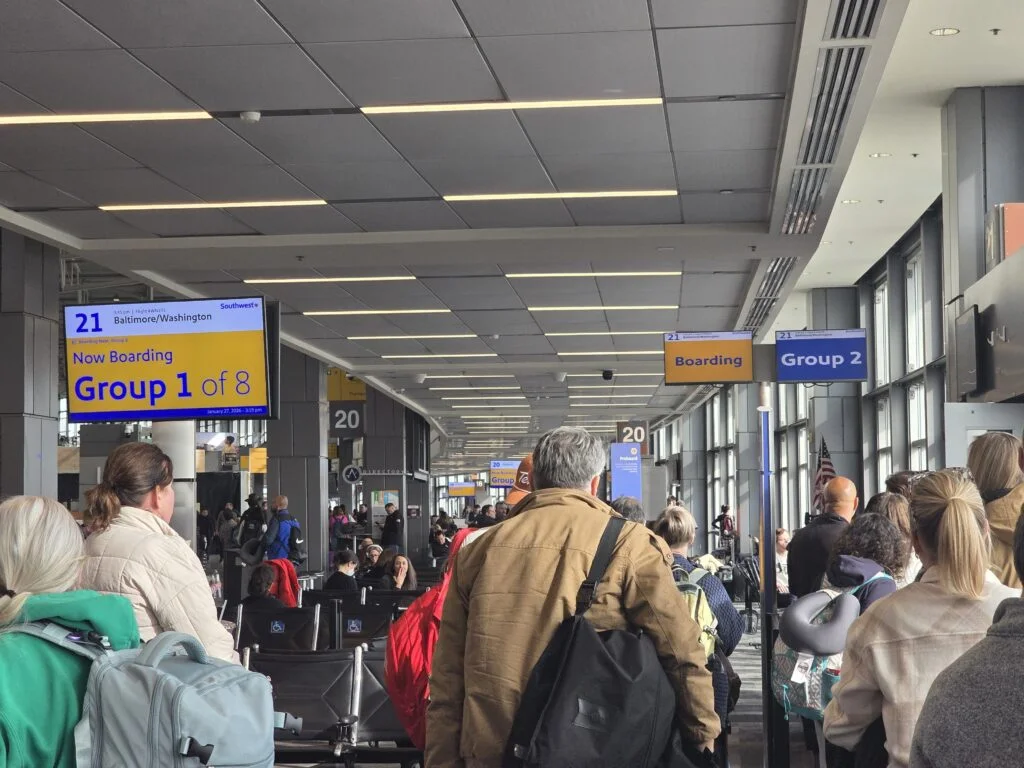
Gary Leff details his experience on Southwest’s launch of assigned seating on a day of winter storms, noting chaotic boarding as passengers line up by group even with assigned seats, long lines to store carry-ons in oversized bins, and flight attendants attempting to manage the congestion. He critiques Southwest’s move from free checked bags and perks to paid seating and bag fees, arguing the new process mirrors other airlines and worsens the in-flight experience, with ongoing questions about execution and future improvements.
Claudia Vindiola, owner-chef of Tucson’s La Frida Mexican Grill & Seafood, has been named a semifinalist for the James Beard Award in the Best Chef: Southwest category, celebrated for her Frida Kahlo-inspired cuisine and hands-on leadership; finalists are announced March 31 and winners June 15 in Chicago.
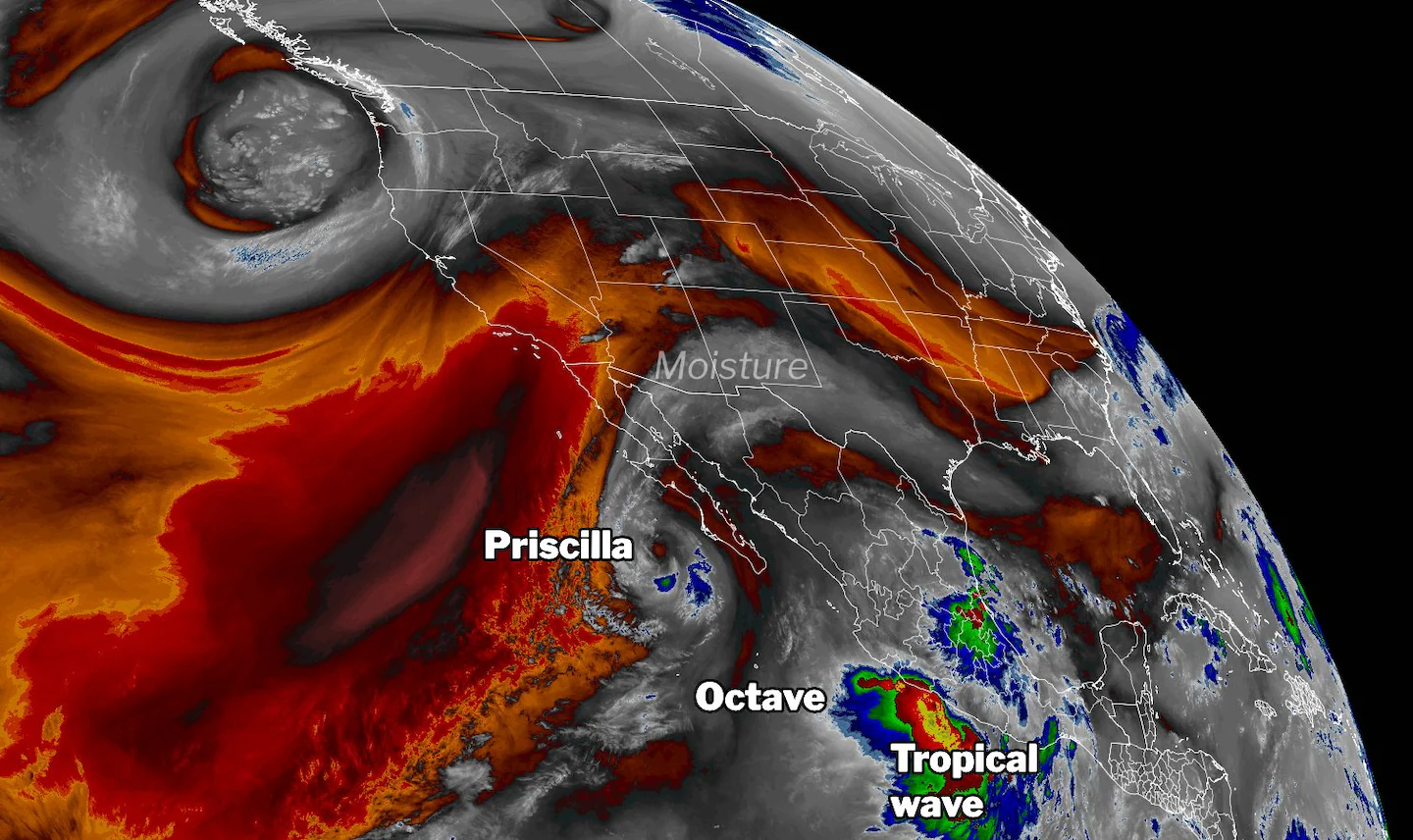
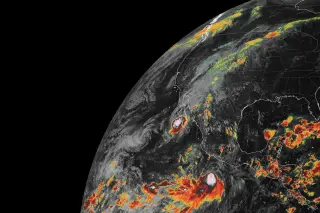
Multiple tropical systems, including remnants of hurricanes Priscilla and Octave and a developing storm off Mexico, are causing a prolonged flood threat in the Desert Southwest, with Arizona facing a potential major flood risk by the end of the week.
Over 35 million Americans are under alert for dangerous heat and fire weather this weekend, with extreme temperatures in the Southwest and Northwest, including record highs and fire risks, though conditions are expected to ease early next week.
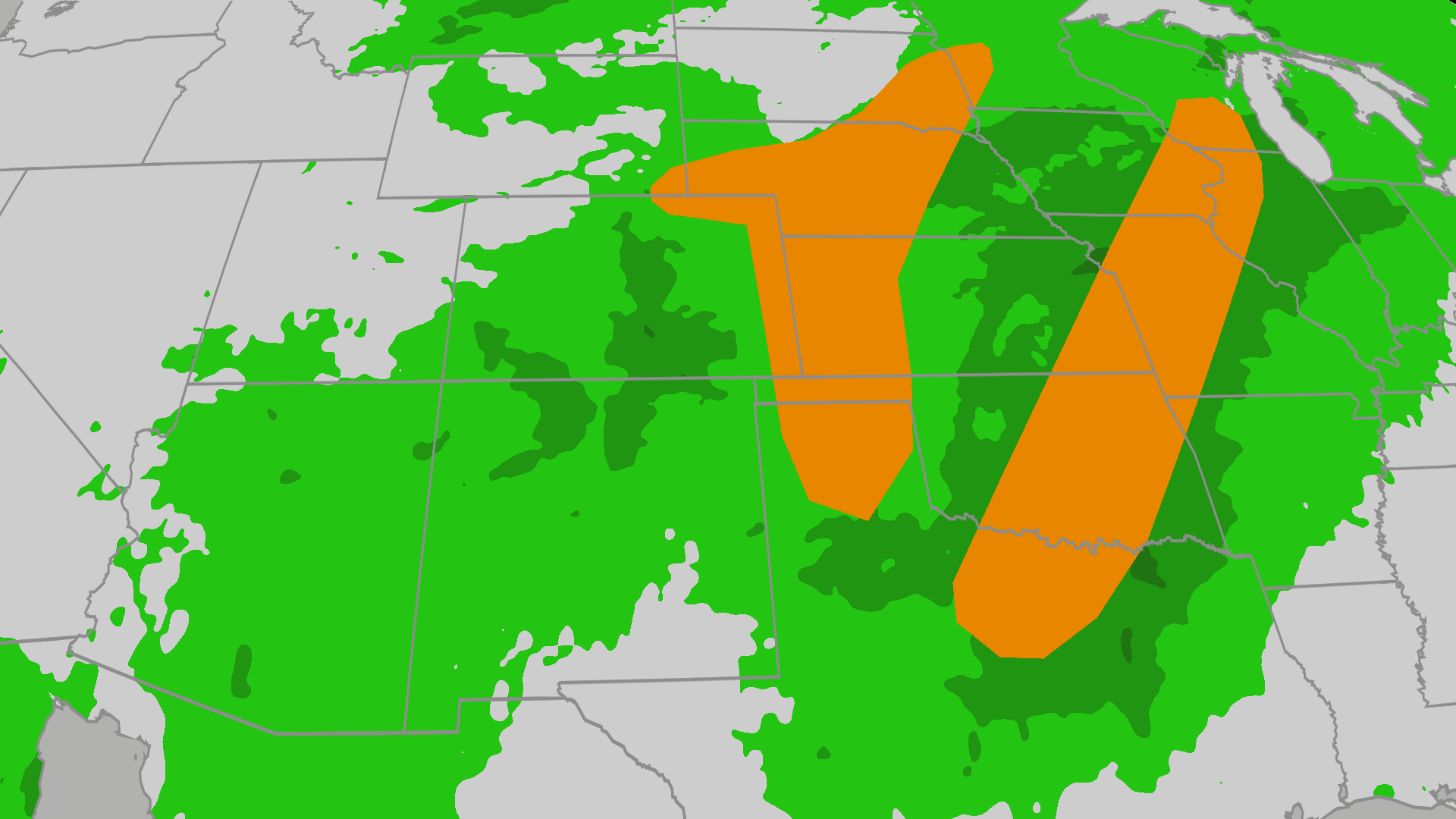
Remnants of Tropical Storm Alvin are bringing unusual rainfall and cooler temperatures to the Southwest U.S. and fueling thunderstorms across the Plains, with potential for severe weather including damaging winds and hail from Texas to Minnesota and Wisconsin in the coming days.
A heat dome is causing extreme temperatures across California and the Southwest, with record highs expected from New Mexico to California. Twenty-seven million people are under heat warnings, with temperatures soaring 10 to 25 degrees above average. The heat wave will expand into Oregon and Washington by Friday and ease by Sunday. The Florida peninsula will also experience high temperatures, while strong storms are possible along the East Coast.
The American Southwest is bracing for its first major heat wave of the year, with temperatures expected to soar 5 to 20 degrees above historical averages starting Tuesday. Record-high temperatures are possible in several states, including California, Arizona, and Nevada. The National Weather Service warns of significant heat through Thursday, increasing the risk of heat-related illnesses and forest fires. Despite recent rainfall, California's dry topsoil could fuel more fires, as evidenced by a recent 14,000-acre fire in San Joaquin County.
A heat dome is set to bring extreme, triple-digit temperatures to the Southwest starting Tuesday, affecting over 25 million Americans under a heat alert. Central California, southern Nevada, and western Arizona will experience temperatures 20 degrees above normal, with Las Vegas and Phoenix expected to hit 111 degrees by Wednesday. The heat dome is expected to last until Thursday, with severe health impacts anticipated. Residents are advised to stay hydrated and avoid direct sunlight.
A heat dome is causing temperatures to soar into the triple digits across California and the West, with excessive heat warnings affecting over 10 million people. The early-season heat wave is setting daily records and increasing fire danger, particularly in California's Central Valley where the Corral Fire is burning. Major cities like Phoenix and Las Vegas are experiencing unusually high temperatures weeks earlier than normal, and the heat is expected to expand to the Pacific Northwest by the end of the week.
The National Weather Service has issued excessive heat warnings for parts of California, Nevada, Arizona, and southern Utah, with temperatures expected to exceed 100 degrees Fahrenheit and potentially reach lethal levels. Cities like Fresno, Las Vegas, and Lake Havasu City are among those at risk, with the most severe heat expected on Thursday. Residents are advised to stay hydrated, avoid the sun, and check on vulnerable individuals.
Damage to the infrastructure of Glen Canyon Dam, including deterioration in steel tubes that allow water to pass through the dam, has raised concerns about potential water shortages in the Southwest, particularly for California, Nevada, Arizona, and Mexico. The dam's design poses structural risks under low reservoir levels, potentially leaving as much water stranded as California's largest reservoir. Federal officials are analyzing potential fixes, but the situation adds complications to long-term water management plans for the Colorado River, which has long been overallocated and has seen reduced flows due to climate change.
Small-town mayors in southwest Arkansas reported that the eclipse crowds were disappointing, with the actual numbers not meeting the expectations set by the Arkansas Department of Parks, Heritage and Tourism.
Before the bell, stocks such as Oracle, Kohl's, Coinbase, and Southwest are making significant moves, with investors keeping a close eye on their performance in the market.