Tag

Spin

All articles tagged with #spin

Verstappen explains Miami spin sparked by Leclerc's Turn 2 move
sports27 days ago

Verstappen explains Miami spin sparked by Leclerc's Turn 2 move

Max Verstappen says his dramatic 360-degree spin at the Miami Grand Prix happened after Charles Leclerc cut underneath him into Turn 2, forcing Verstappen to check up and spin in front of the pack. He managed to recover to fifth, but faces a possible stewards’ investigation for crossing the pit exit line. Verstappen joked that, if F1 doesn’t work out, he could always switch to rallying.
AI Unveils Rapid Spin and Secrets of Black Holes
science11 months ago

AI Unveils Rapid Spin and Secrets of Black Holes

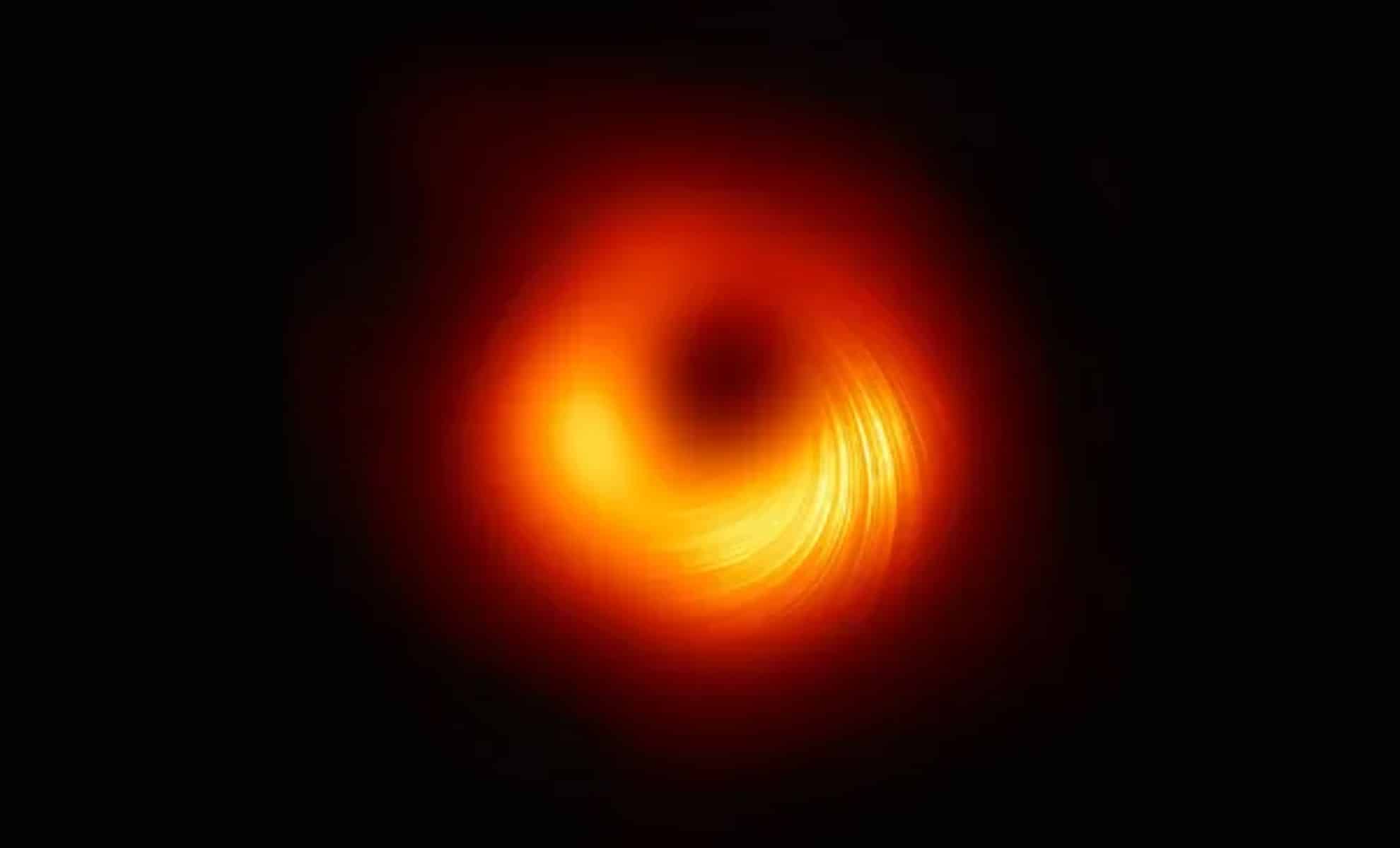
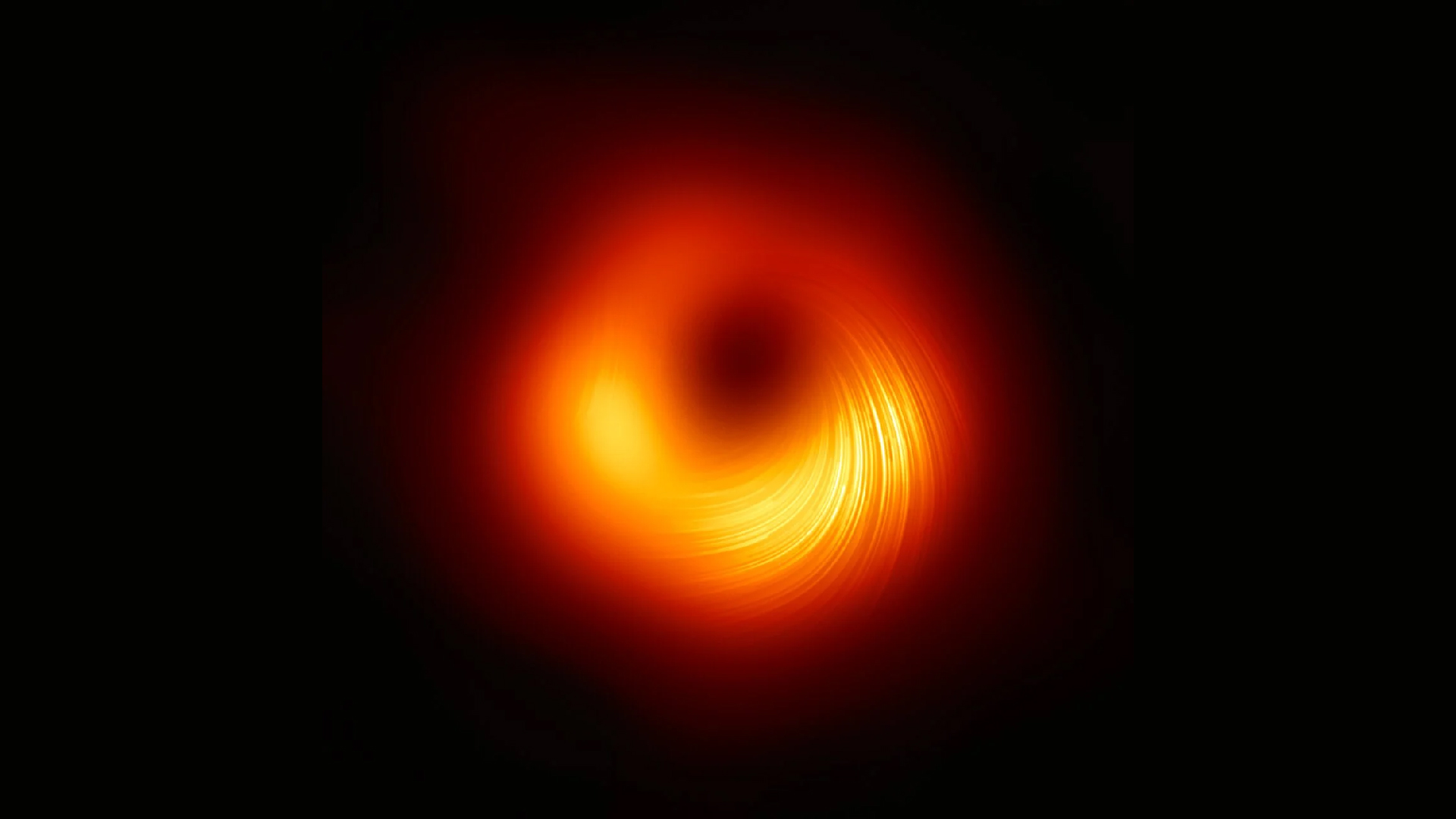
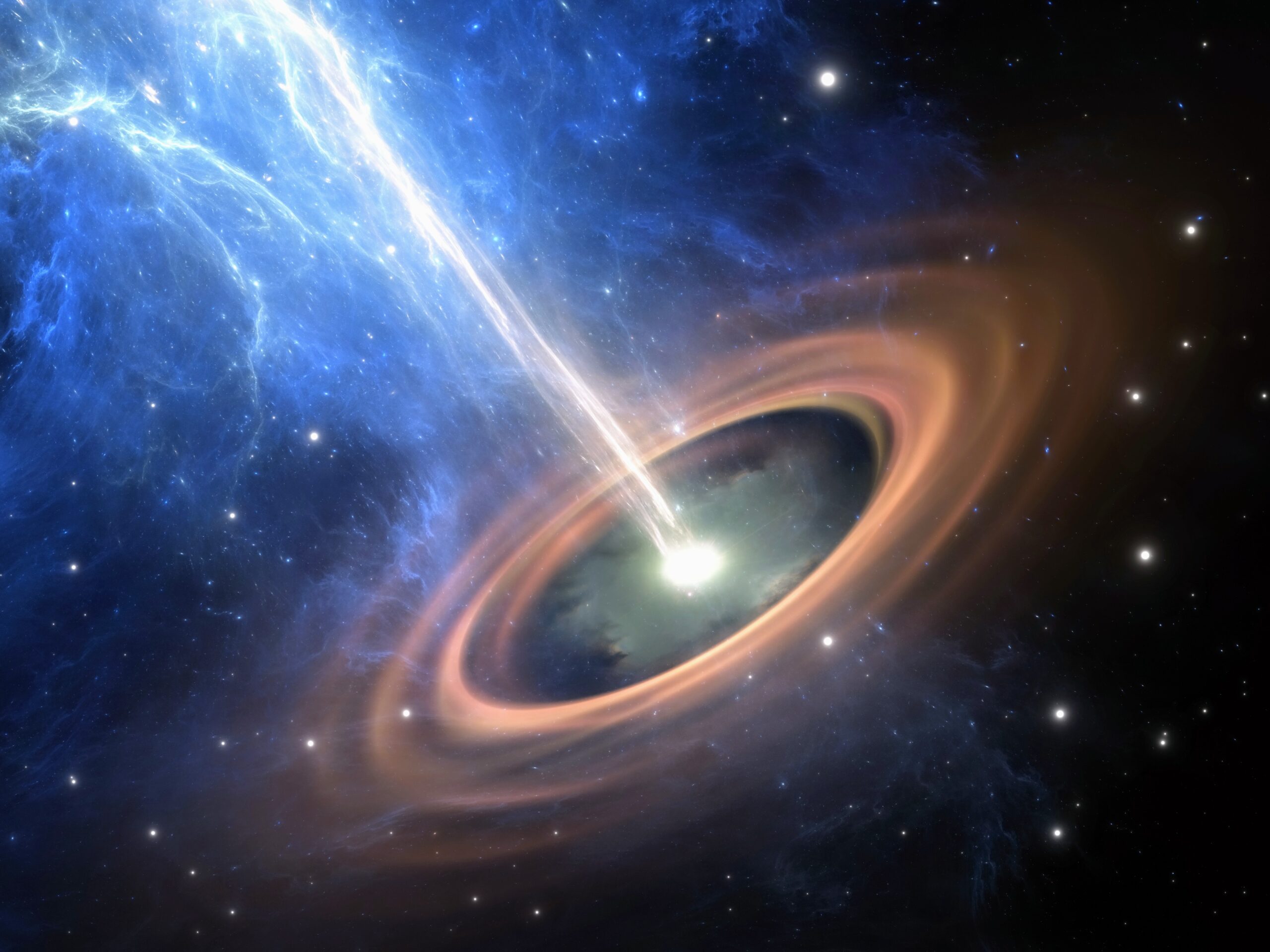
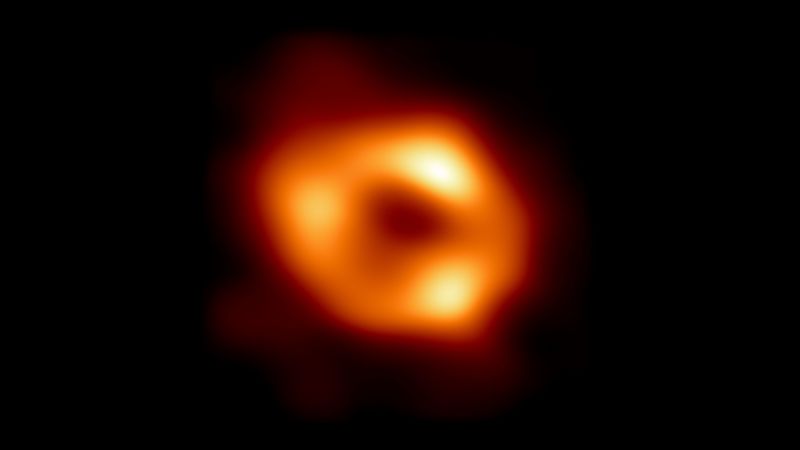
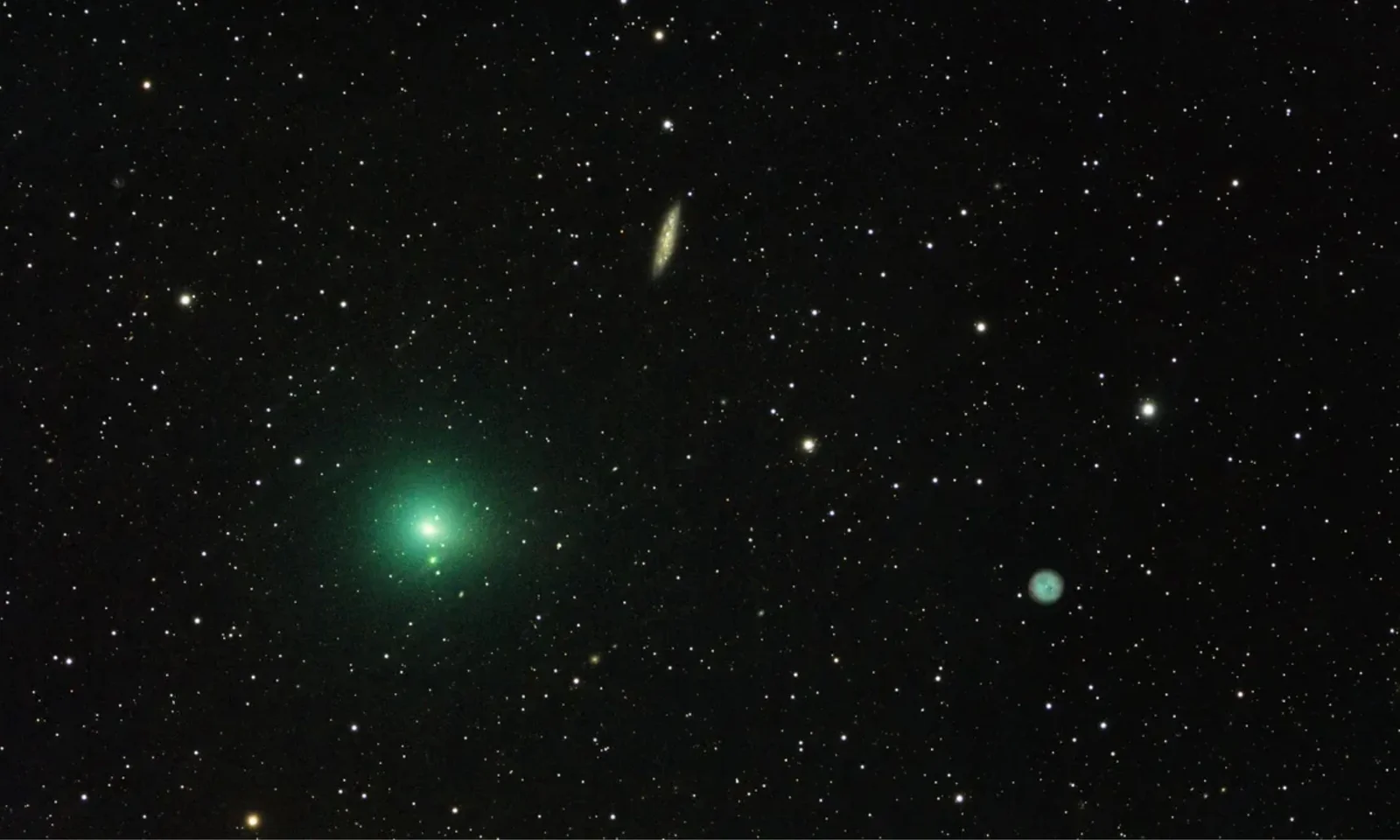
Scientists have discovered that the supermassive black hole at the center of galaxy M87 is spinning at 80% of the maximum possible speed, making it the fastest spinning black hole ever observed. Using Event Horizon Telescope imagery and relativistic physics, they measured its rapid rotation and the rate at which it consumes matter, which is about 23% of the speed of light. The black hole's intense activity powers a massive jet of plasma, influencing its galaxy's evolution.

M87's Black Hole Spins at 80% of Cosmic Speed, Accelerating Matter Intake
science11 months ago

M87's Black Hole Spins at 80% of Cosmic Speed, Accelerating Matter Intake

The supermassive black hole in galaxy M87 is spinning at about 80% of the maximum possible speed, with material falling into it at 23% of light speed, and it is consuming a modest amount of matter annually. These findings, derived from Event Horizon Telescope images, support the idea that the black hole's energy powers its jet, and provide new insights into black hole physics and their role in galaxy evolution.

Unveiling Neutron's Secret Layers of Matter
science1 year ago

Unveiling Neutron's Secret Layers of Matter

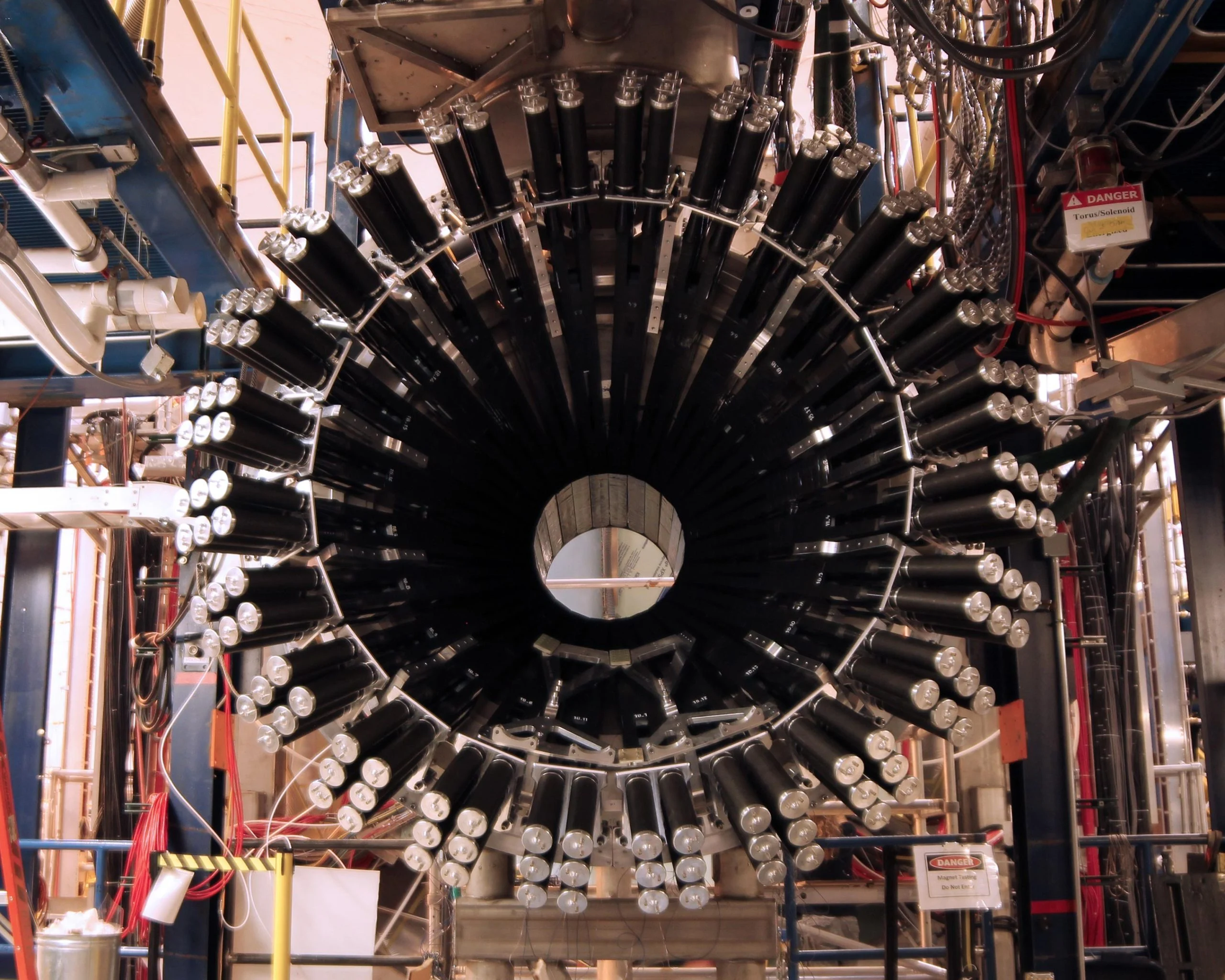
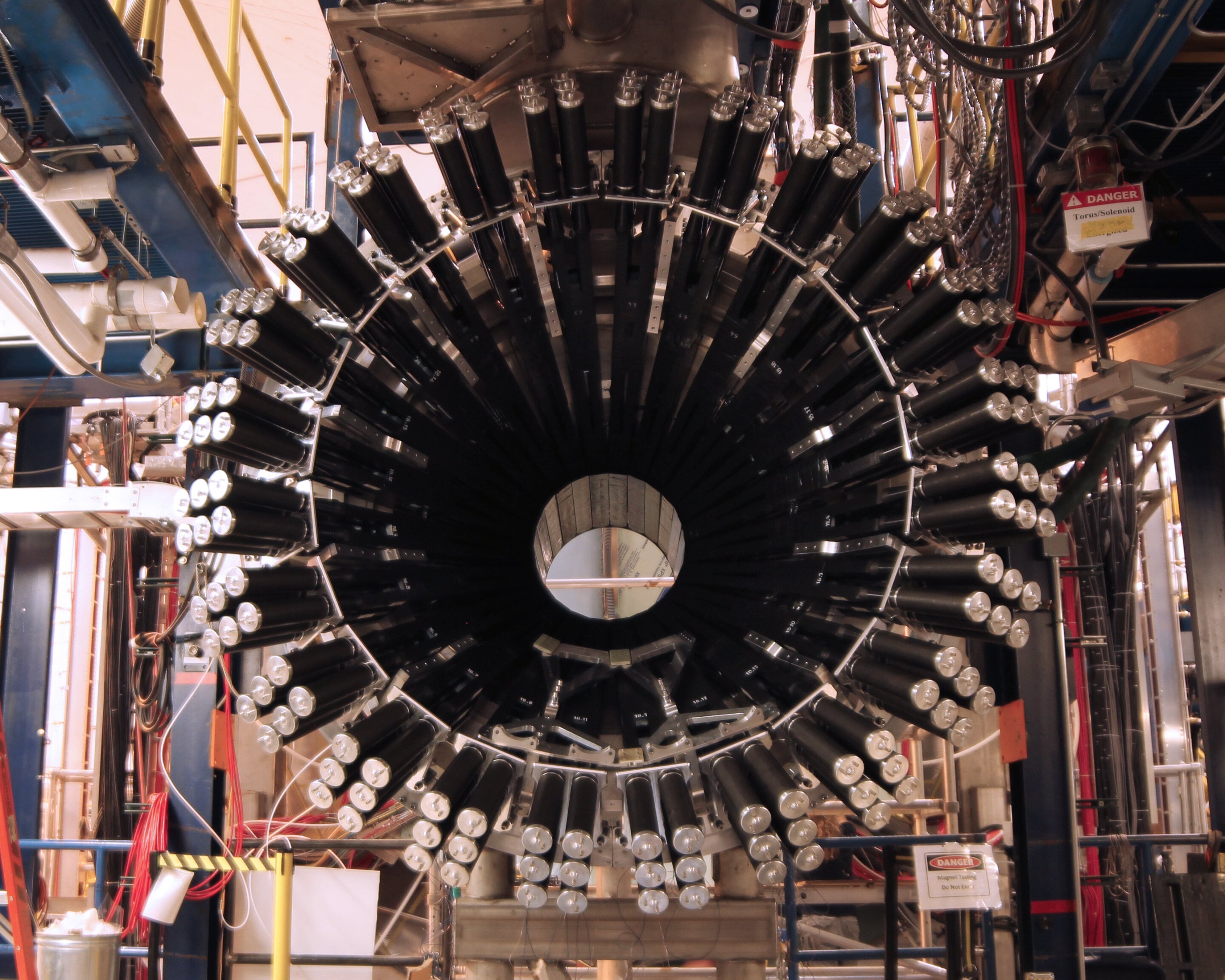
Scientists at the Thomas Jefferson National Accelerator Facility have made a breakthrough in understanding the internal structure of neutrons, revealing how quarks and gluons contribute to nucleon spin. This was achieved using a new Central Neutron Detector, developed over a decade, which allowed the first direct detection of neutrons in deeply virtual Compton scattering (DVCS) reactions. The findings, published in Physical Review Letters, advance nuclear physics by providing insights into the spin structure of nucleons and addressing the 'nucleon spin crisis.'

New Neutron Insights Reveal Nucleon Structure and Spin
science1 year ago

New Neutron Insights Reveal Nucleon Structure and Spin

A new neutron measurement using the Central Neutron Detector at the Thomas Jefferson National Accelerator Facility has provided insights into the internal structure and spin of nucleons. This experiment, led by Silvia Niccolai and her team, marks the first time deeply virtual Compton scattering (DVCS) on the neutron has been directly detected, allowing researchers to access the generalized parton distribution (GPD) E. This advancement helps in understanding the contribution of quarks to nucleon spin, addressing the 'nucleon spin crisis.'

"Unraveling Galactic Mysteries: The Spin of Our Supermassive Black Hole"
astronomy2 years ago

"Unraveling Galactic Mysteries: The Spin of Our Supermassive Black Hole"

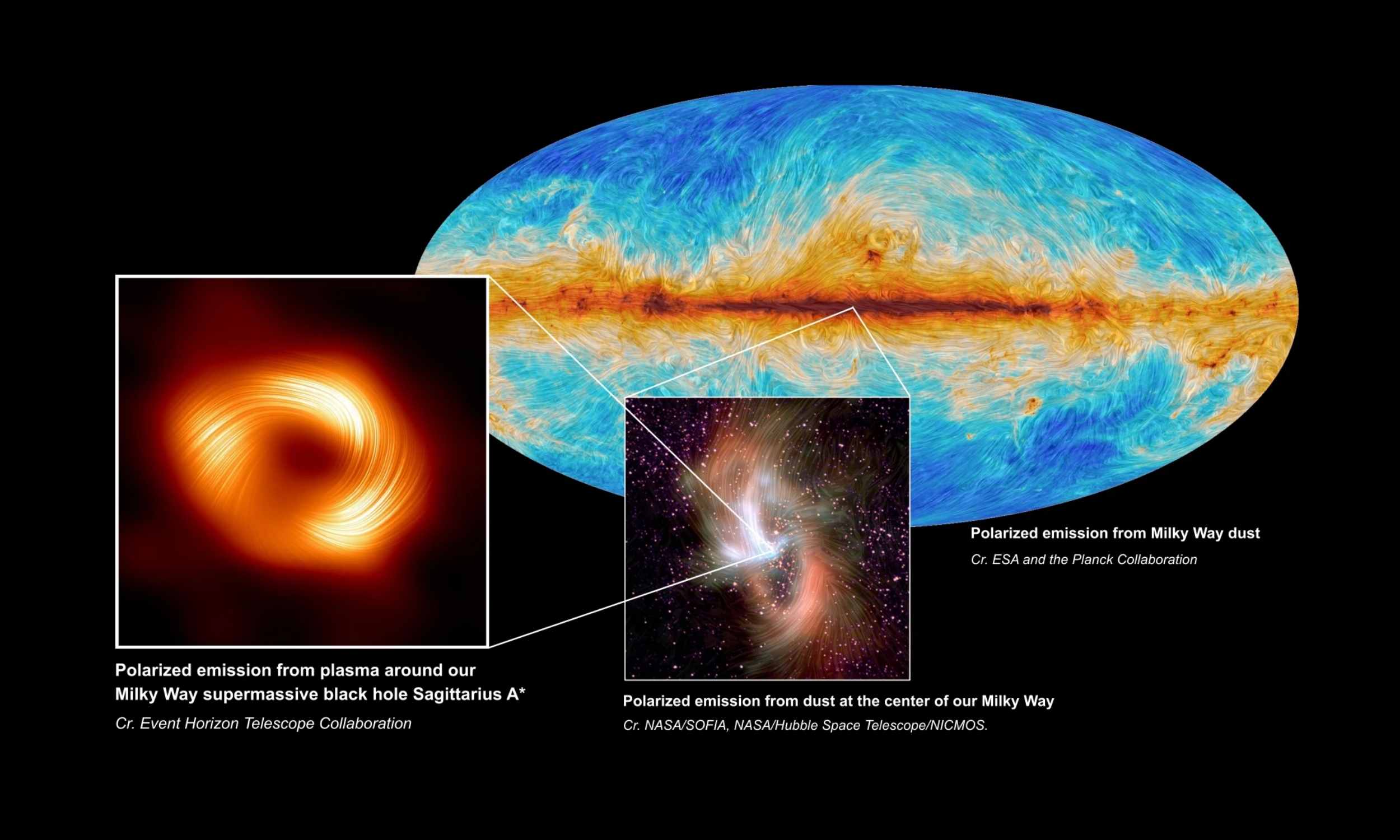
Scientists have discovered that the supermassive black hole at the center of our galaxy, Sagittarius A*, is spinning at an extremely high rate, influencing its surroundings in significant ways. The rapid spin affects the formation of powerful jets of material and warps the fabric of spacetime around it. This discovery has far-reaching implications for understanding how black holes form, grow, and interact with their surroundings, as well as for testing theories of gravity in extreme environments.

"Milky Way's Black Hole Primed for a Cosmic Kick, Telescopes Reveal"
astronomy2 years ago

"Milky Way's Black Hole Primed for a Cosmic Kick, Telescopes Reveal"

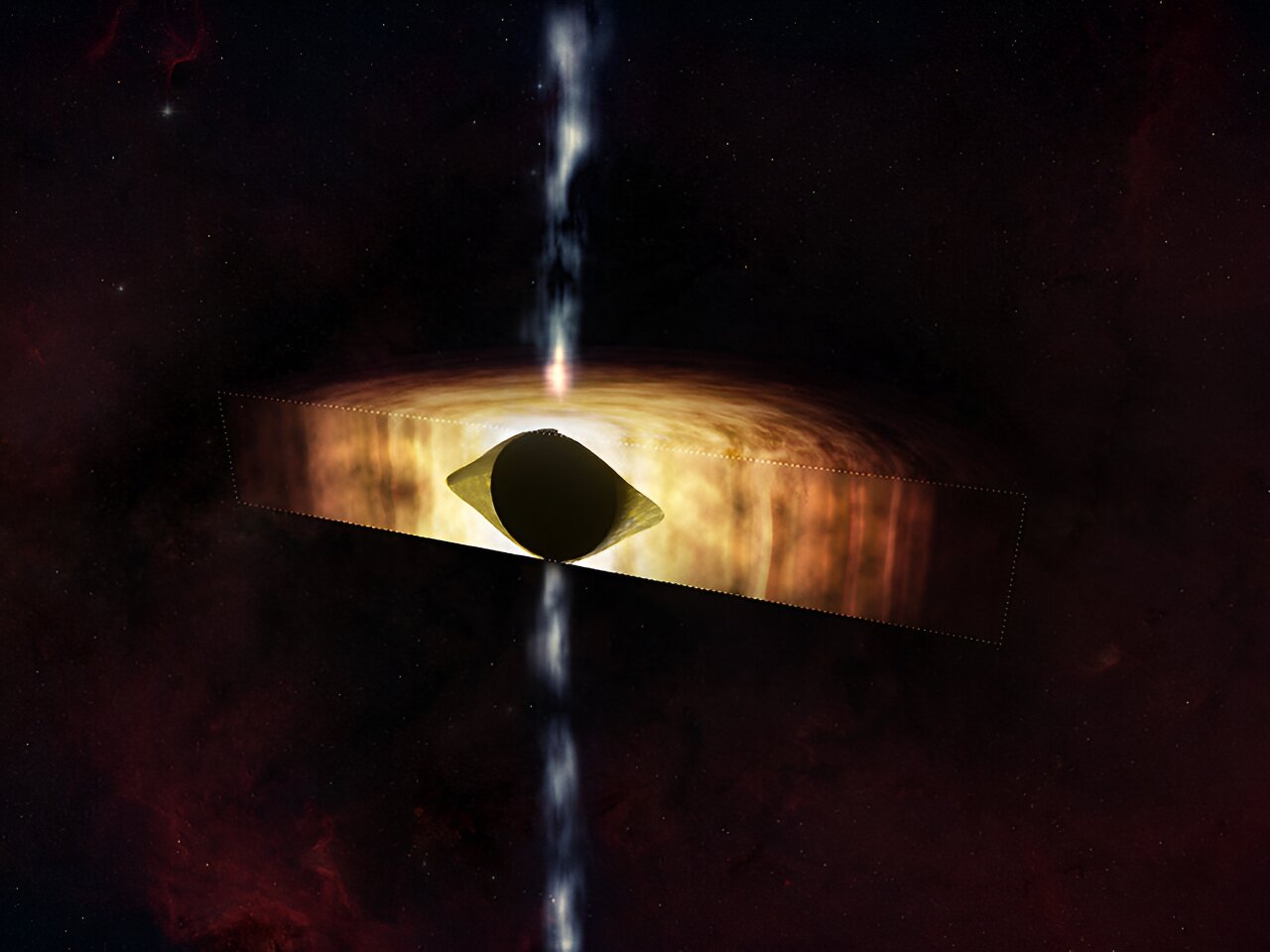
Telescopes have revealed that the supermassive black hole at the center of the Milky Way, known as Sagittarius A*, is spinning so rapidly that it is warping spacetime into a football-like shape. This discovery, made using data from NASA's Chandra X-ray Observatory and the National Science Foundation's Karl G. Jansky Very Large Array, suggests that the black hole is ready to produce more powerful outflows if the amount of material in its vicinity increases, potentially affecting the formation of stars in the galaxy. The study, published in the Monthly Notices of the Royal Astronomical Society, provides new insights into the behavior of supermassive black holes.

Moon's Theft and Venus's Spin: A Cosmic Collision's Consequences
space-science2 years ago

Moon's Theft and Venus's Spin: A Cosmic Collision's Consequences

Researchers propose that Venus may have captured and then destroyed a moon, causing its unusual spin direction. The hypothetical moon's retrograde motion would have slowed down Venus's spin, but eventually, it was broken apart by Venus's gravity and fell onto the planet. This scenario could explain why Venus spins in the opposite direction compared to other planets. The study offers a new perspective on the peculiarities of Venus's orbit and is published in the journal Universe.

"Scientists Discover Rapid Spin of Our Galaxy's Black Hole and Its Impact on Space-Time"
science2 years ago

"Scientists Discover Rapid Spin of Our Galaxy's Black Hole and Its Impact on Space-Time"

Scientists have discovered that the supermassive black hole at the center of our galaxy, Sagittarius A*, is spinning rapidly and causing the Lense-Thirring effect, which drags space-time along with its spin. Using the outflow method, researchers determined that Sagittarius A* has a spin angular momentum value between 0.84 and 0.96. Understanding the spin of black holes helps astronomers study galaxy formation and evolution, as well as infer the existence of intriguing objects like wormholes.

Confirmed: First-Ever Photographed Black Hole Spins, Validating Einstein's Theory
science2 years ago

Confirmed: First-Ever Photographed Black Hole Spins, Validating Einstein's Theory

A two-decade study of the M87 galaxy's black hole, conducted by an international team using a global network of radio telescopes, has confirmed the black hole's spin, aligning with predictions from Einstein's General Theory of Relativity. The study revealed an oscillating jet with an amplitude of about 10 degrees, confirming the spin. The research team detected a recurring 11-year cycle in the precessional motion of the jet base, providing evidence that the supermassive black hole in M87 is indeed spinning. This finding enhances our understanding of supermassive black holes and their dynamics.

Mars' Rotation Speed Accelerating, NASA Data Reveals
space-science2 years ago

Mars' Rotation Speed Accelerating, NASA Data Reveals

NASA's InSight Lander has discovered that Mars is spinning faster and faster each year, with its days gradually growing shorter. The acceleration in spin was detected through data from InSight's RISE instrument, which also revealed that the core of Mars is likely a molten metal. The exact cause of the increasing spin is still unknown, but it could be related to changes in the planet's ice caps or core-mantle coupling. Researchers are continuing to analyze the data to uncover more insights about Mars' rotation.