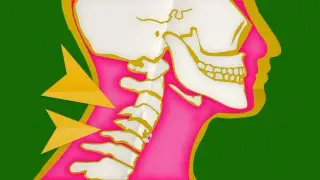
Modern screen usage increases the mechanical load on the neck from 12 pounds to 60 pounds, causing widespread pain. A London spinal neurosurgeon recommends five specific exercises and movement breaks to strengthen neck flexors and correct forward-head posture.
Medical experts advise that propping up the head during sleep can alleviate symptoms of sleep apnea and acid reflux but may worsen neck strain and spinal alignment. The optimal approach depends on individual health conditions, requiring a balance between respiratory benefits and musculoskeletal risks.
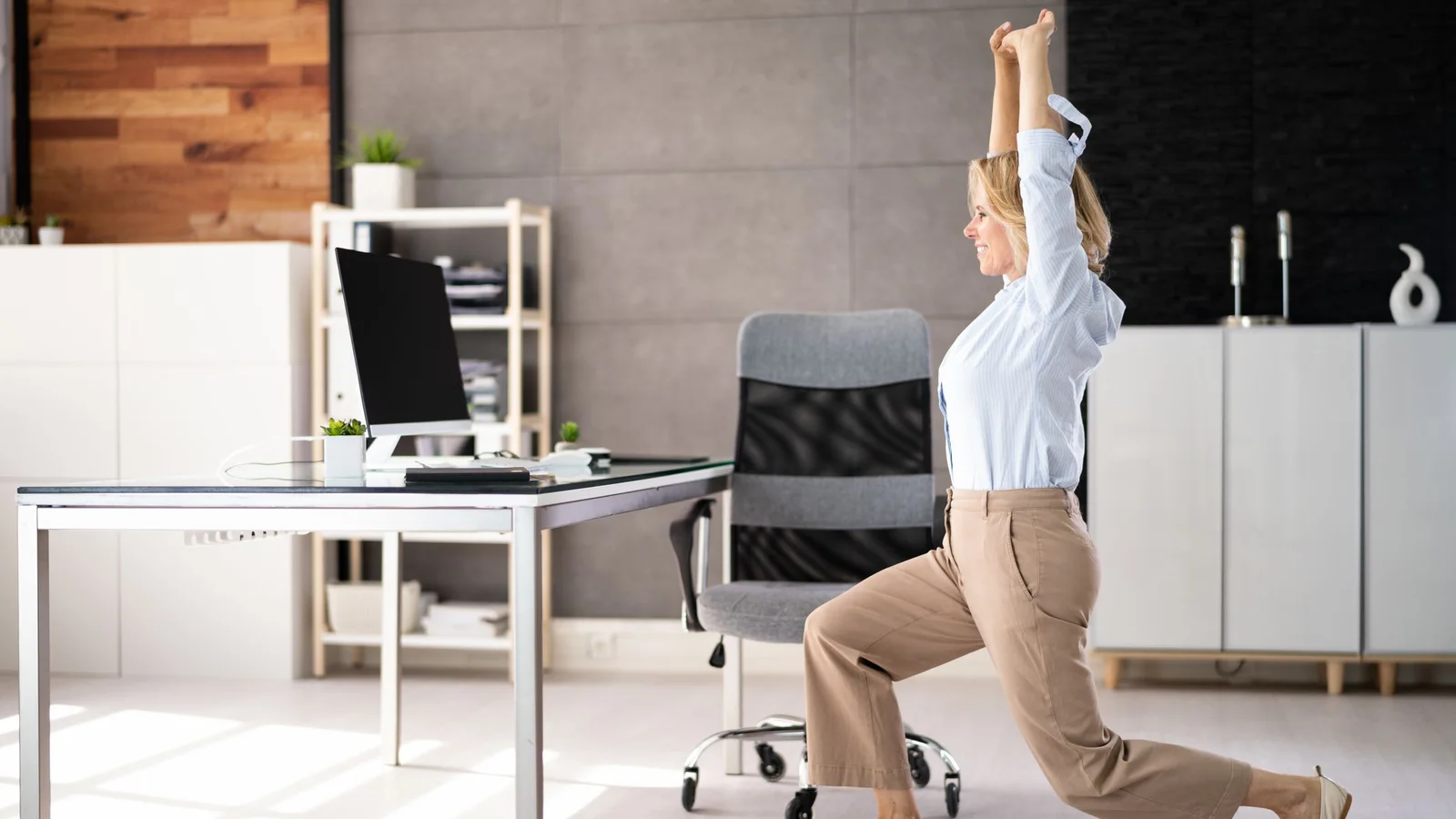
Desk work raises hidden spine risks from poor posture. Dr. Pushkar Chawla recommends: sit with feet flat, knees and hips bent, monitor at eye level; stand and move for a couple of minutes every half hour and do simple back and neck exercises; add regular light exercise to maintain spine health; seek medical advice if pain worsens, lasts for weeks, or is accompanied by numbness.
Returning astronauts often feel burning sole pain and lower-back ache within days of landing as swollen intervertebral discs in microgravity are suddenly compressed by Earth's gravity; skin loses its Earth-hardening calluses and the vestibular system re-calibrates, making first steps unsteady. Pain typically peaks around days 2–4 as discs rehydrate and recompress while paraspinal muscles re-adjust. The risk of herniated discs is highest in the first year post-flight, especially in the cervical spine. Recovery follows a pattern: stand soon after splashdown but walk unsteadily for days, height returns to normal in about 10 days, and bone density recovery lags behind. Artemis missions and future Mars transits will face these challenges without on-site ground support, requiring careful postflight conditioning.
A Johns Hopkins-trained spine surgeon outlines two essential desk-friendly stretches—a seated spinal twist and a hip flexor stretch—and three spine-support props (lumbar support, sit-stand desk, and a footrest) to counteract prolonged sitting. The piece includes simple how-tos and explains how these moves and tools help relieve stiffness, improve mobility, and promote better posture for anyone spending long hours at a desk.
Back pain affects over 619 million people globally and has various causes, from muscle strain to serious conditions like cancer. Most cases improve with conservative treatments like physical therapy and lifestyle changes, but warning signs such as weakness or loss of control require urgent medical attention. Imaging should be used judiciously, and advancements like AI are enhancing spine care. Education and self-care are key to managing back pain effectively.
Pilates expert Rebecca Dadoun shares two beginner-friendly exercises to improve spine health and posture, which can help alleviate back and neck pain. These moves focus on spine extension and are designed to be accessible, even for those new to Pilates. By engaging the glutes and maintaining proper form, these exercises can strengthen the back and improve posture, potentially reversing age-related changes. Dadoun emphasizes the importance of spine health for overall well-being and encourages incorporating these exercises into regular routines.
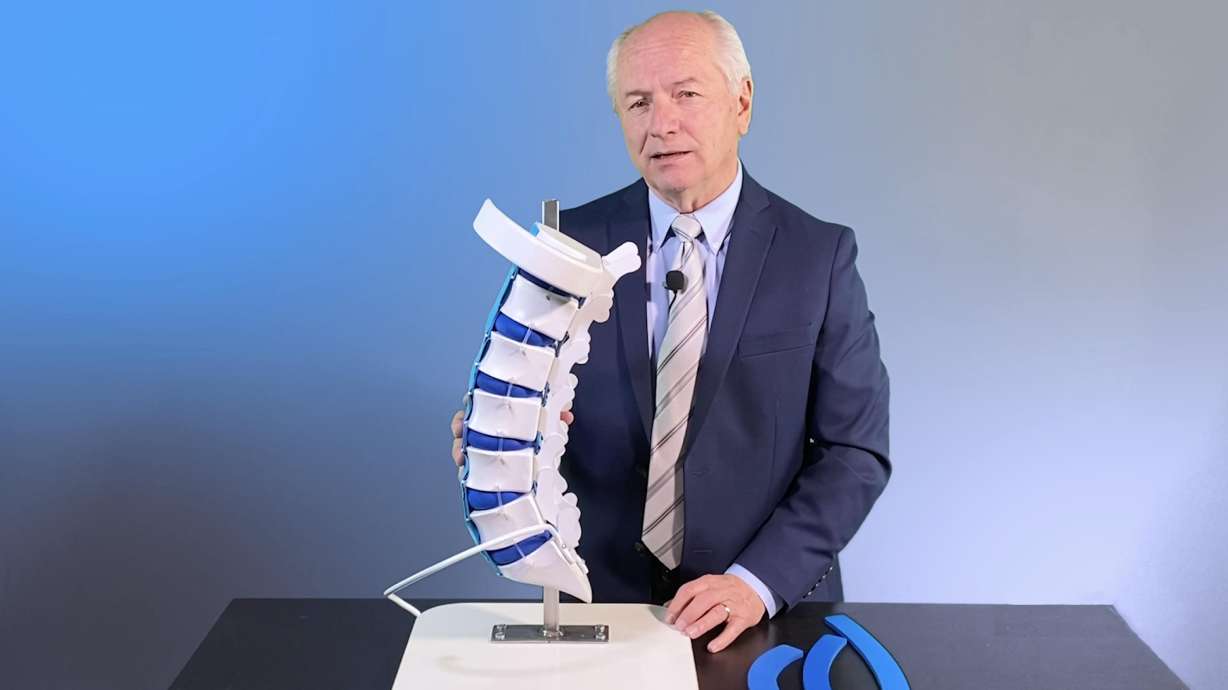
Utah-based Upright Spine Solutions has developed the Uprightly Spine Care Program, a unique and innovative approach to managing spine issues and providing lasting relief for back and neck pain. Unlike traditional treatments, the program focuses on empowering individuals with knowledge, skills, and specialized tools to take control of their spine health. The program has been clinically proven to heal common back and neck complaints without invasive interventions, with 93% of compliant participants reporting sustained results. The program is accessible through virtual coaching sessions and includes in-home spine exercise equipment. Prices start at $150, making it an affordable and effective option for improving spine health.