Ankle injuries are frequent but often neglected in fitness routines. Experts advise strengthening ankles through balance exercises, calf raises, and proper footwear to prevent sprains and falls, especially as people age.
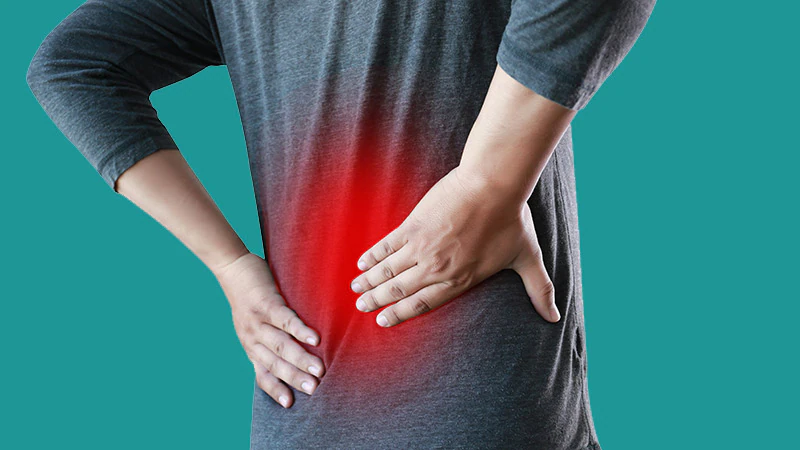
Back pain is the leading global cause of disability, with cases projected to exceed 800 million by 2050. Experts emphasize that triggers are often multifactorial, including stress, sedentary habits, and psychological fear, rather than single injuries. While most cases resolve with movement and self-care, specific red flags require immediate medical attention.
Tinnitus, affecting one-quarter of the population, often stems from neural misfiring rather than external noise. While no cure exists, treatments like cognitive behavioral therapy, sound enrichment, and physiotherapy help manage distress. Experts emphasize ruling out medical causes and habituating to the sound to improve quality of life.
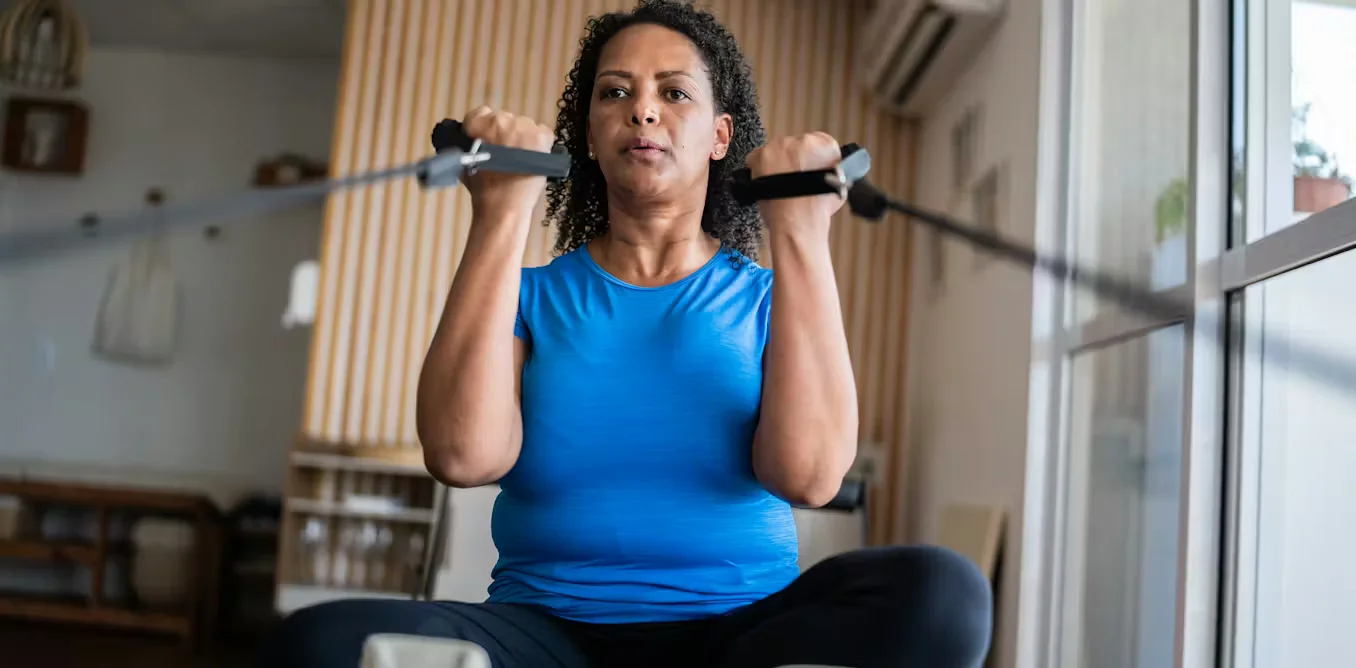
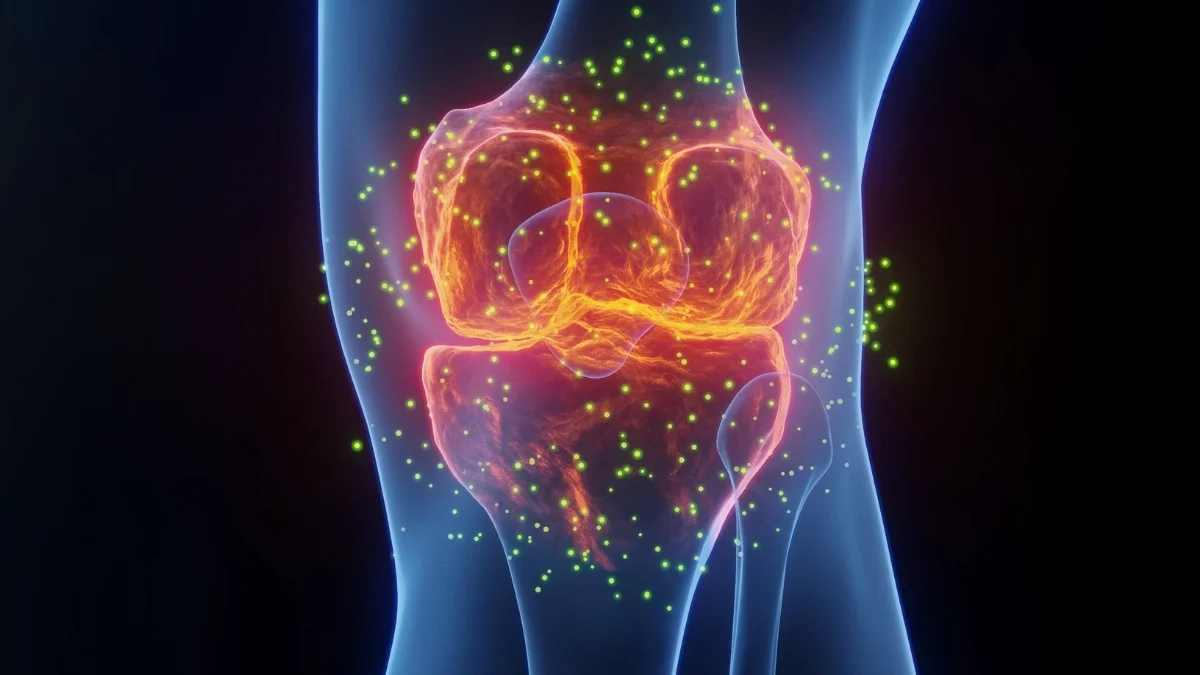
A large umbrella review of systematic reviews and new trials finds that exercise modestly reduces pain in knee, hip, and hand osteoarthritis (about 6–12 on a 100-point scale) but often does not improve function more than doing nothing or placebo; exercise can be as effective as NSAIDs for knee/hip pain and is usually less effective than total joint replacement for pain and function. Limitations include lumping all exercise types together, not distinguishing supervised vs. unsupervised training, short study durations (~12 weeks), and not accounting for total weekly dose. Despite these caveats, regular exercise likely offers meaningful pain relief and broad health benefits, with long-term adherence and a target around 150 minutes of moderate activity per week providing the greatest gains; the best approach is the activity you can maintain consistently.
Experts outline six practical strategies to cut common workout injuries: mix cardio, strength and mobility; see a physio even when not injured; strengthen the glutes; increase load gradually; address muscular imbalances; and use short “movement snacks” to stay primed.
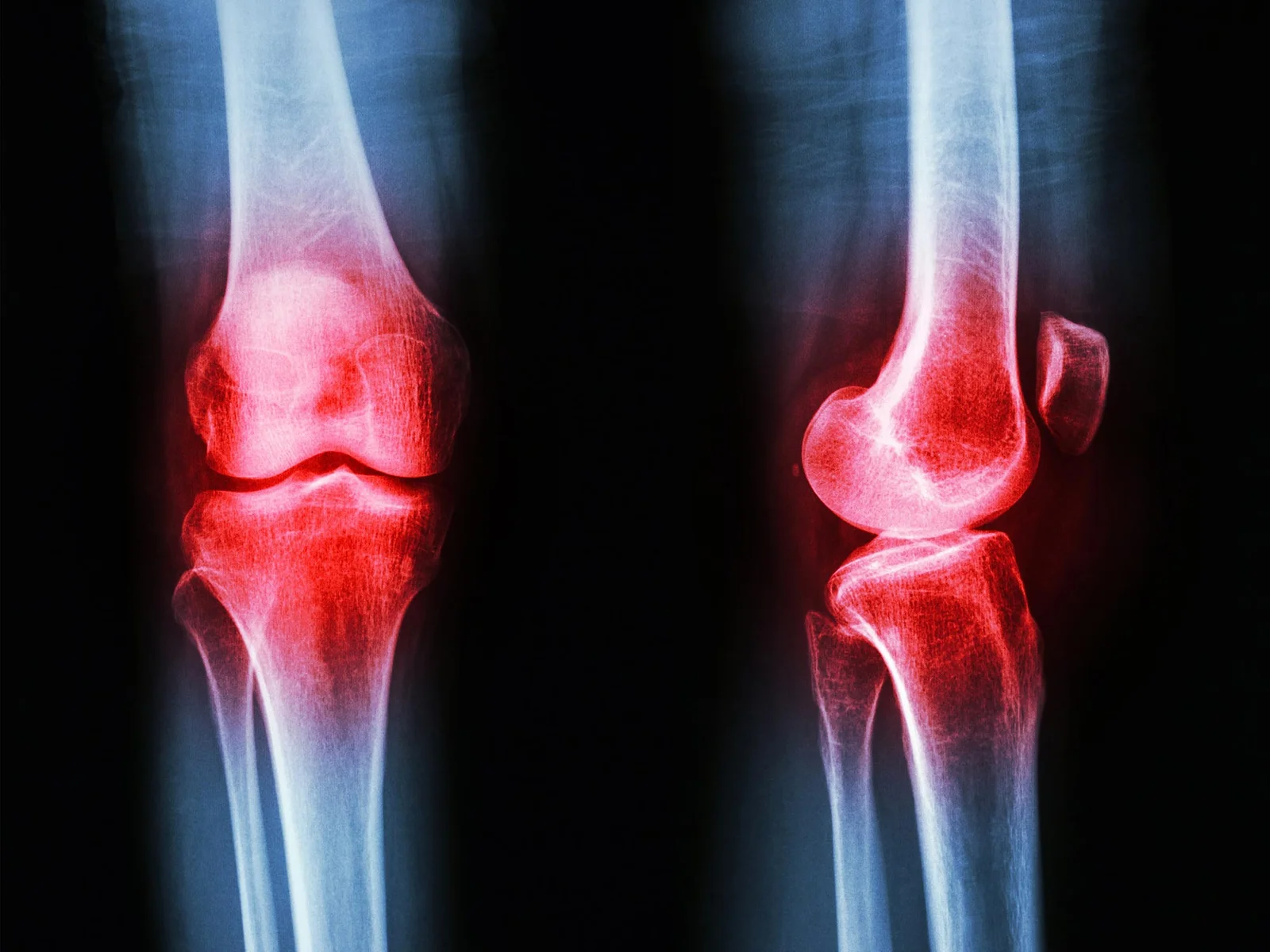
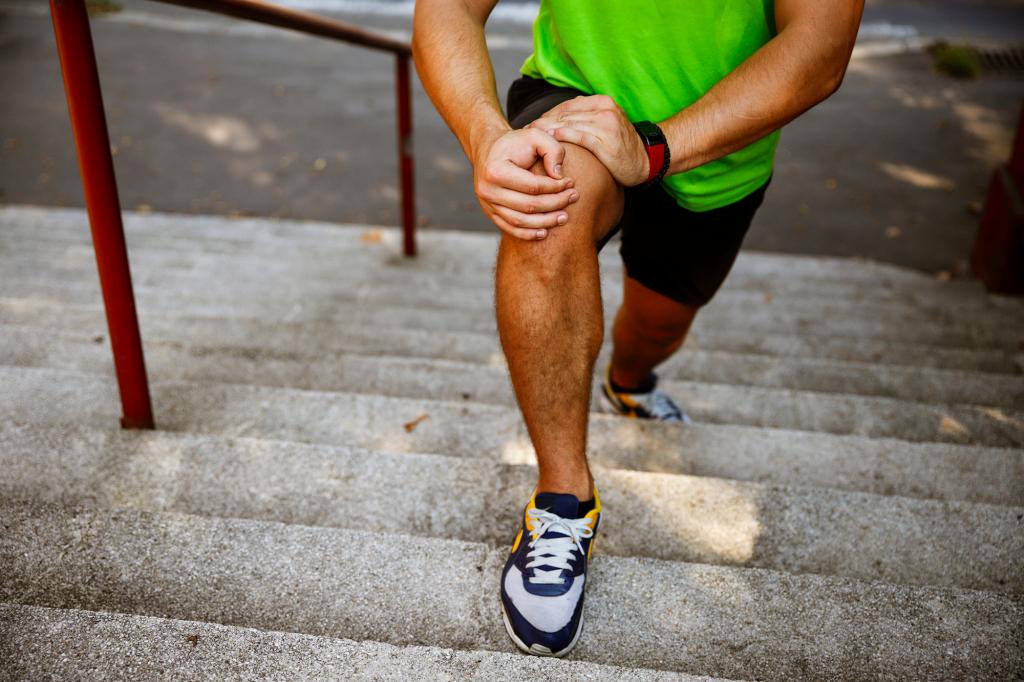
New evidence argues that exercise—not pills or surgery—is the most effective, underused treatment for osteoarthritis. Regular movement protects cartilage, strengthens muscles, and can reduce inflammation and pain, with programs like GLA:D showing lasting improvements. Yet health systems often underrefer exercise and push surgical options before non-surgical options are explored. OA is a whole-joint disease influenced by weight and metabolism, and there are no disease-modifying drugs, so an 'exercise first' approach is recommended to improve joint health and overall wellbeing.
Regular movement is the most effective treatment for osteoarthritis, yet many patients aren’t referred to exercise or physiotherapy; supervised programs like GLA:D improve pain and function and can provide benefits for months. There are no disease-modifying drugs, and surgery is often considered only after non-surgical options fail, while obesity and inflammation influence risk but can be countered by ongoing activity.
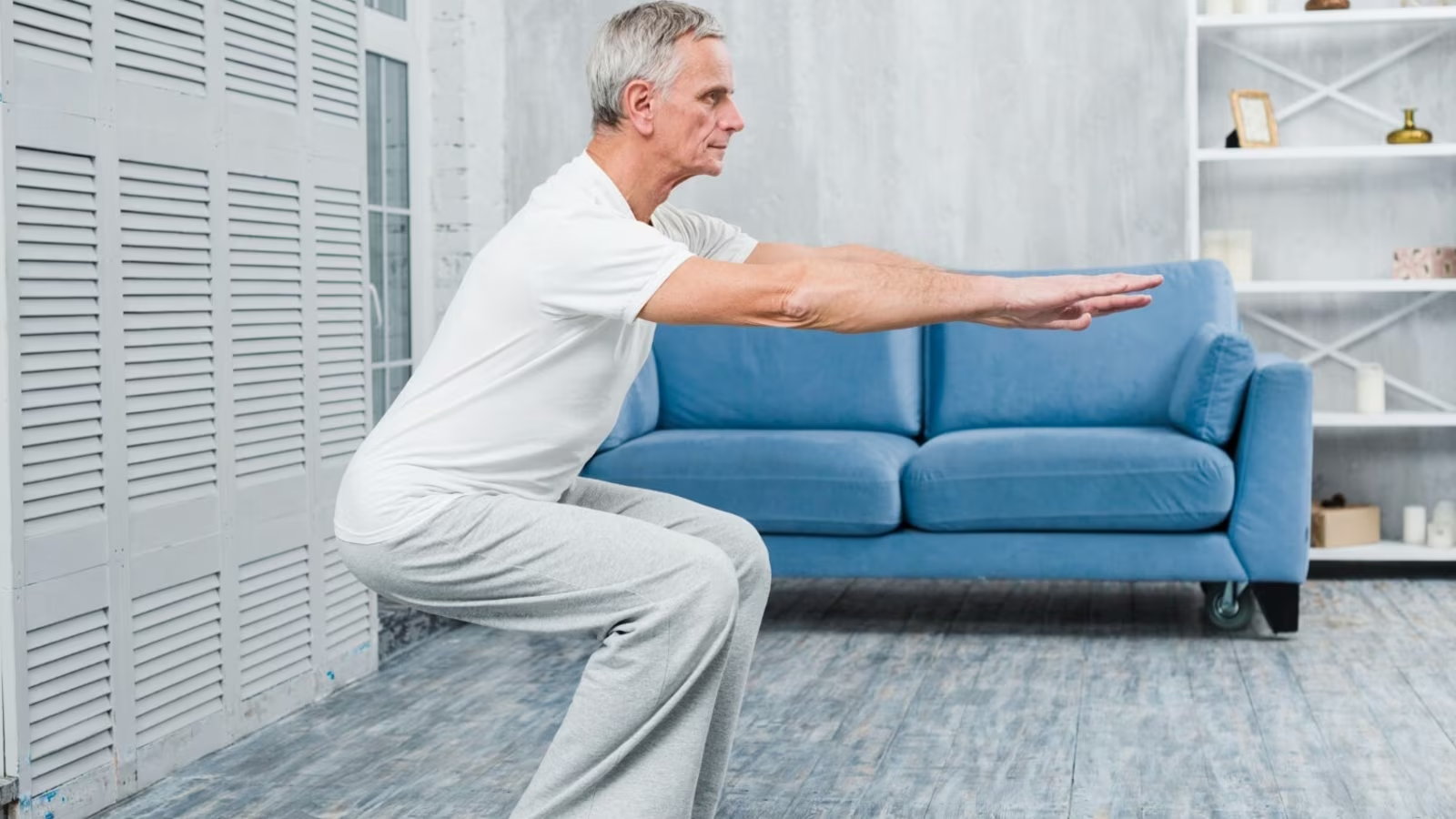
Gentle physiotherapy exercises like chair squats, wall push-ups, brisk walking, heel-to-toe walk, and supported one-leg stands can help older adults improve mobility, strength, and balance, thereby reducing fall risk. These exercises should be tailored to individual energy levels and performed regularly with proper precautions, ideally under professional guidance.
A study published in The Lancet found that regular walking, combined with physiotherapist-guided education, can significantly reduce the recurrence of low back pain and is cost-effective. The Australian WalkBack program showed that participants who walked regularly had fewer repeat episodes and longer periods before recurrence compared to a control group. The study highlights the benefits of walking and education in managing low back pain, though further research is needed to evaluate its effectiveness across diverse populations.
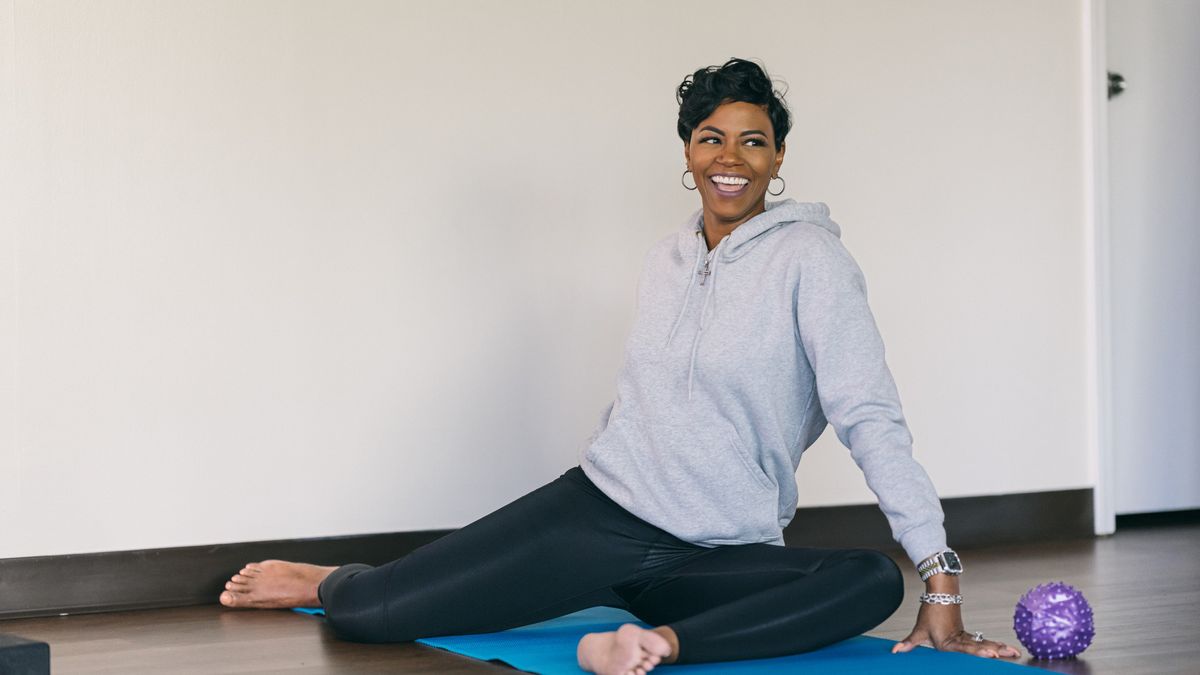
Physiotherapist Sam Caddick recommends the supported 90/90 rotation exercise to improve hip mobility, especially for those with stiff hips from prolonged sitting or aging. This drill helps practice both internal and external hip rotation, identifying weaknesses and enhancing overall joint flexibility.
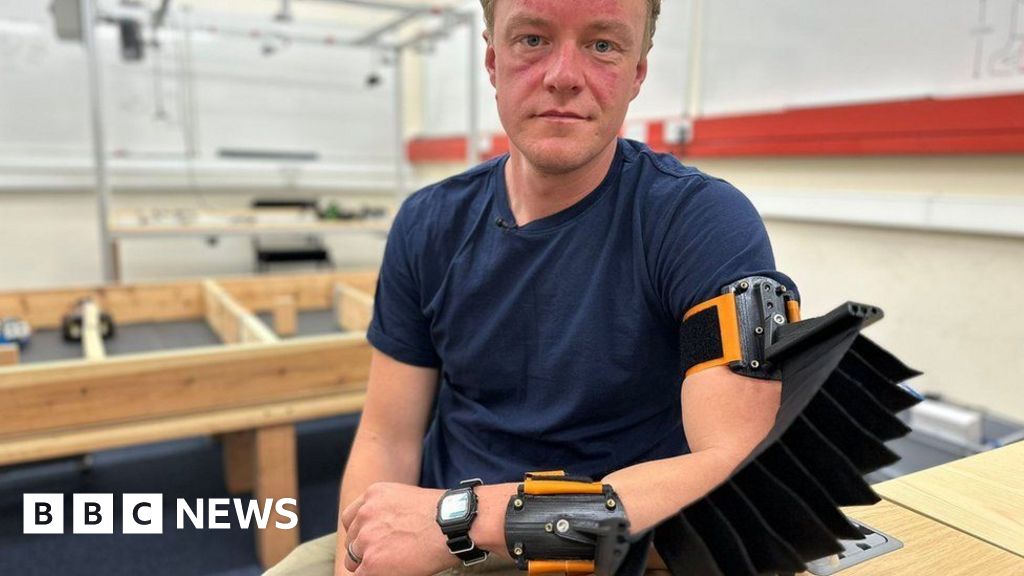
A PhD student at the University of Aberdeen is developing a "Soft Robo Arm" to aid stroke patients in their recovery by allowing them to perform essential repetitive movements at home without a physiotherapist. The lightweight and affordable device, which uses air-inflated material to mimic muscle movements, is still in the development phase and will undergo extensive testing before clinical trials.
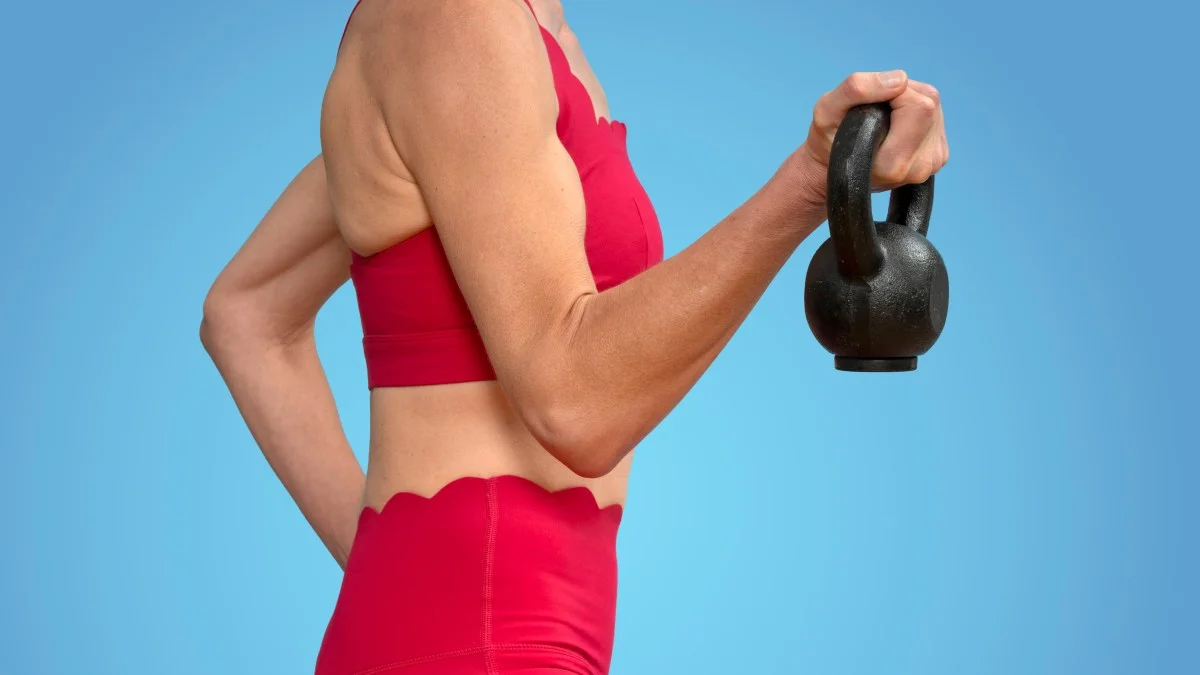
To maintain healthy joints, experts recommend full-body strength training, regular movement breaks, shoulder and grip exercises, proper footwear, and changing posture every 30-40 minutes when seated to avoid discomfort and pain.
Gemma Cooke, a 45-year-old fitness instructor, shares her struggles with bladder weakness despite her active lifestyle and physical fitness. She experienced incontinence incidents while exercising, teaching classes, and even sneezing, leading her to limit water intake and wear pads. After trying various methods without success, she discovered a PelviPower chair at a physiotherapy clinic, which significantly improved her condition after several sessions. Gemma encourages other women facing similar issues to seek professional help and consider pelvic floor strengthening treatments.
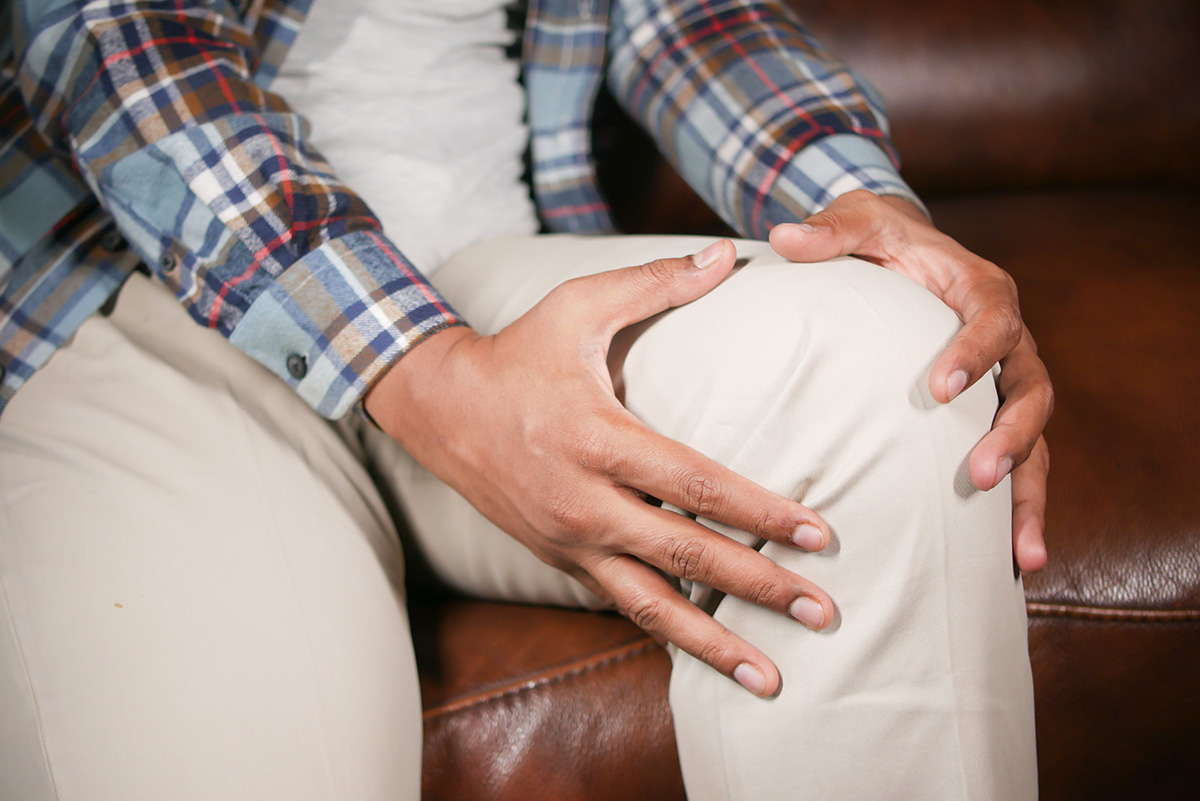
Physiotherapist and nutritionist Rebecca Pinto provides advice on relieving knee pain, restless legs syndrome, tingling sensation in the legs, post-knee surgery physiotherapy, leg muscle imbalance, and back stiffness. She recommends strengthening specific muscle groups, using heat or cold packs, practicing good sleep hygiene, getting an orthopaedic consultation, and considering a change in sleeping surface. However, it is important to consult a qualified health professional for personalized advice and not rely solely on online information.
Knuckle-cracking does not appear to cause arthritis, according to a doctor who cracked the knuckles of his left hand for 50 years without developing the condition. The satisfying pop of a knuckle crack is believed to come from small bubbles in the synovial fluid surrounding the joint. While occasional joint cracking is normal, persistent pain, swelling, or deformity may indicate an injury or arthritis and should be checked by a health professional. Overdoing knuckle-cracking can lead to acute injuries, as described in a report by a hand surgeon.