Tag

Sturgeon Moon

All articles tagged with #sturgeon moon

UK skies glow red as August's Sturgeon Moon hosts a partial lunar eclipse
science1 day ago

UK skies glow red as August's Sturgeon Moon hosts a partial lunar eclipse

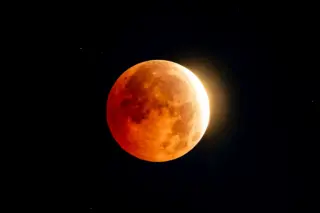
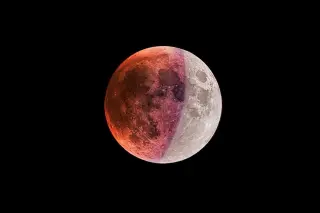
Stunning BBC Weather Watchers photos capture a partial lunar eclipse visible in the UK during August’s Sturgeon Moon, with the Moon appearing reddish as sunlight refracted through Earth's atmosphere and only part of the Moon entering the umbra. The event was also seen elsewhere around the world, and the next UK-visible eclipse will be in February 2027. The Sturgeon Moon name comes from abundance of sturgeon in North American rivers during this time.

Sturgeon Moon Meets Near-Total Lunar Eclipse: How to Watch This Week
science-space8 days ago

Sturgeon Moon Meets Near-Total Lunar Eclipse: How to Watch This Week

August’s full sturgeon moon will align with a near-total partial lunar eclipse, with Earth’s shadow covering about 96% of the Moon. The eclipse begins at 10:34 p.m. ET Thursday and peaks around 12:13 a.m. ET Friday, while the full Moon reaches its maximum at 12:18 a.m. ET. Observers across North and South America can see most or all of it, and viewing is safe without any equipment, though the Moon’s color may be muted since only part of it is in Earth’s umbra. The sturgeon Moon name comes from Native American/North American traditions. The article also notes there are four more full moons in 2026.

August’s Sturgeon Moon: How to See 2026’s Full Moon and Eclipse
space1 month ago

August’s Sturgeon Moon: How to See 2026’s Full Moon and Eclipse

The August 2026 full moon (the Sturgeon Moon) will reach fullness at 12:18 a.m. UTC on Aug 28, accompanied by a partial lunar eclipse visible across the Americas and parts of Africa and Europe, turning the Moon red at maximum; US observers will see moonrise on Aug 27, while Europe and Africa catch the eclipse in the early hours of Aug 28. The article explains the Sturgeon Moon’s Native American origins, suggests skywatching highlights (Summer Triangle, Venus, Spica, Saturn, Jupiter), and provides local timings for major cities plus practical tips for photographing the event.

August's Full Sturgeon Moon Illuminates Rare Double Display
science1 year ago

August's Full Sturgeon Moon Illuminates Rare Double Display

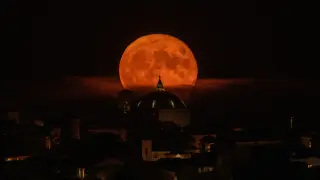
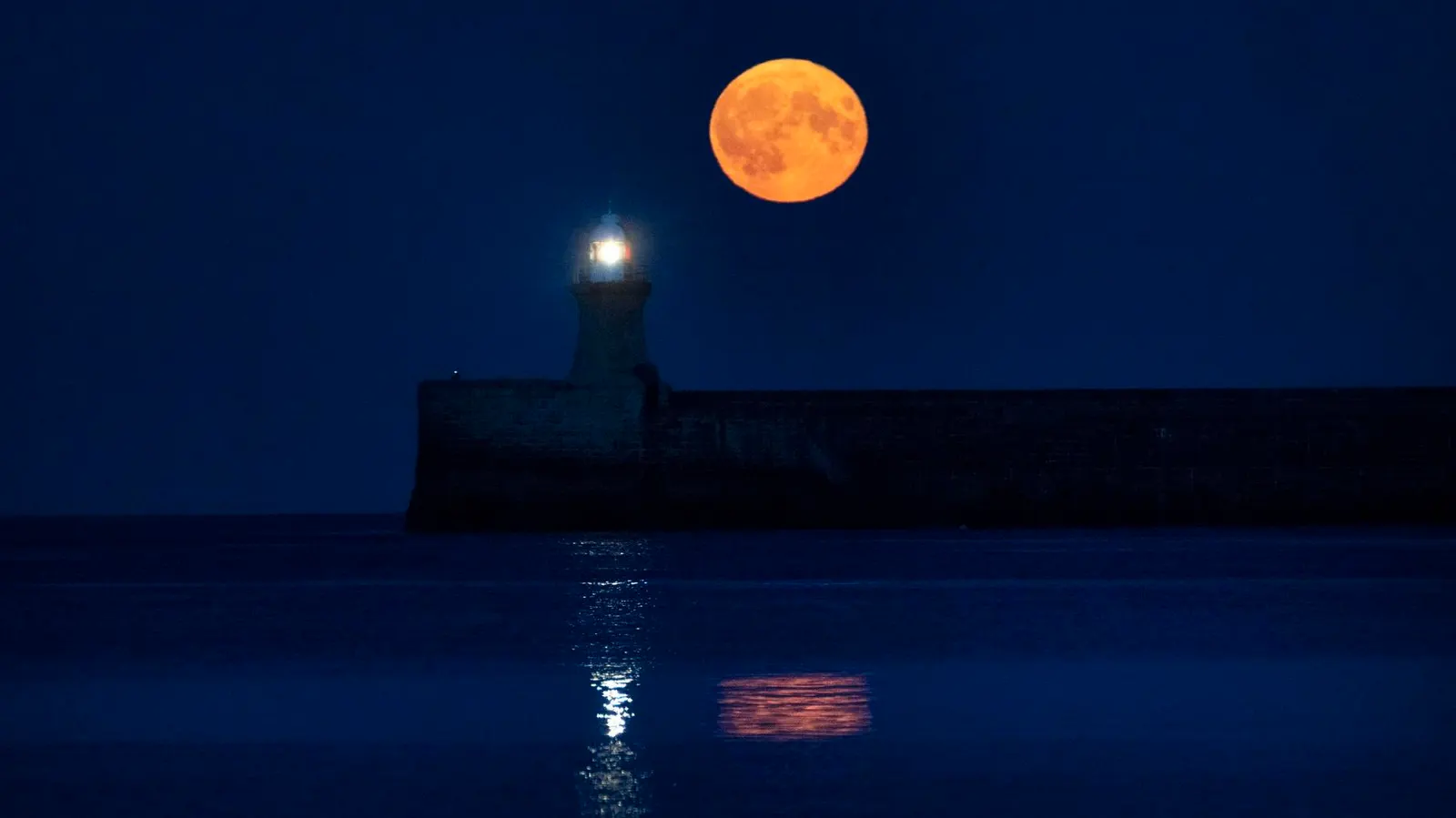
August’s full Sturgeon Moon performed a rare double rise, appearing twice in successive nights in the Northern Hemisphere, coinciding with Saturn’s rise, and was named for the abundance of sturgeon fish in North American lakes. The moon appeared orange near the horizon due to atmospheric filtering, and the event coincided with the peak of the Perseid meteor shower, which was less visible due to the bright moon. Upcoming celestial events include Saturn’s opposition in September and a total lunar eclipse during the September full moon.

August 2025 Night Sky Highlights: Full Moon, Meteor Shower, and Planet Viewing
science1 year ago

August 2025 Night Sky Highlights: Full Moon, Meteor Shower, and Planet Viewing

The August 2025 full moon, known as the Sturgeon Moon, will be visible on the weekend, rising at sunset and reaching peak illumination on August 9. It offers a spectacular view, especially near the southeastern horizon, and is associated with various names like the green corn moon and red moon. The event coincides with the Perseid meteor shower, although moonlight may hinder meteor viewing. Stargazers and photographers are encouraged to observe and capture this celestial event using various tools and resources.

August 2025 Skywatching Highlights: Moon, Meteor Showers, and Planetary Conjunctions
science1 year ago

August 2025 Skywatching Highlights: Moon, Meteor Showers, and Planetary Conjunctions

The full sturgeon moon will be visible on August 9, 2025, with the best viewing times around dusk, especially on August 8 in North America. It coincides with the peak of the Perseids meteor shower, which will be less visible due to bright moonlight. The moon's appearance varies by location, and the event is part of a series of notable lunar phenomena in 2025, including a total lunar eclipse in September and a solar eclipse in 2026.

"Mark Your Calendars: Catch the Spectacular Super Blue Moon of 2023!"
skywatching3 years ago

"Mark Your Calendars: Catch the Spectacular Super Blue Moon of 2023!"

The Super Blue Moon of 2023, which is the second full moon of August, will rise on Wednesday, August 30. It will be a supermoon, appearing larger and brighter due to its proximity to Earth. The exact moment of full moon will occur at 9:36 p.m. EDT on August 30. Blue Moons occur when there are two full moons in a single calendar month, and they can be separated by as much as 20 years. The next supermoon after the Super Blue Moon will be on September 29, 2023.