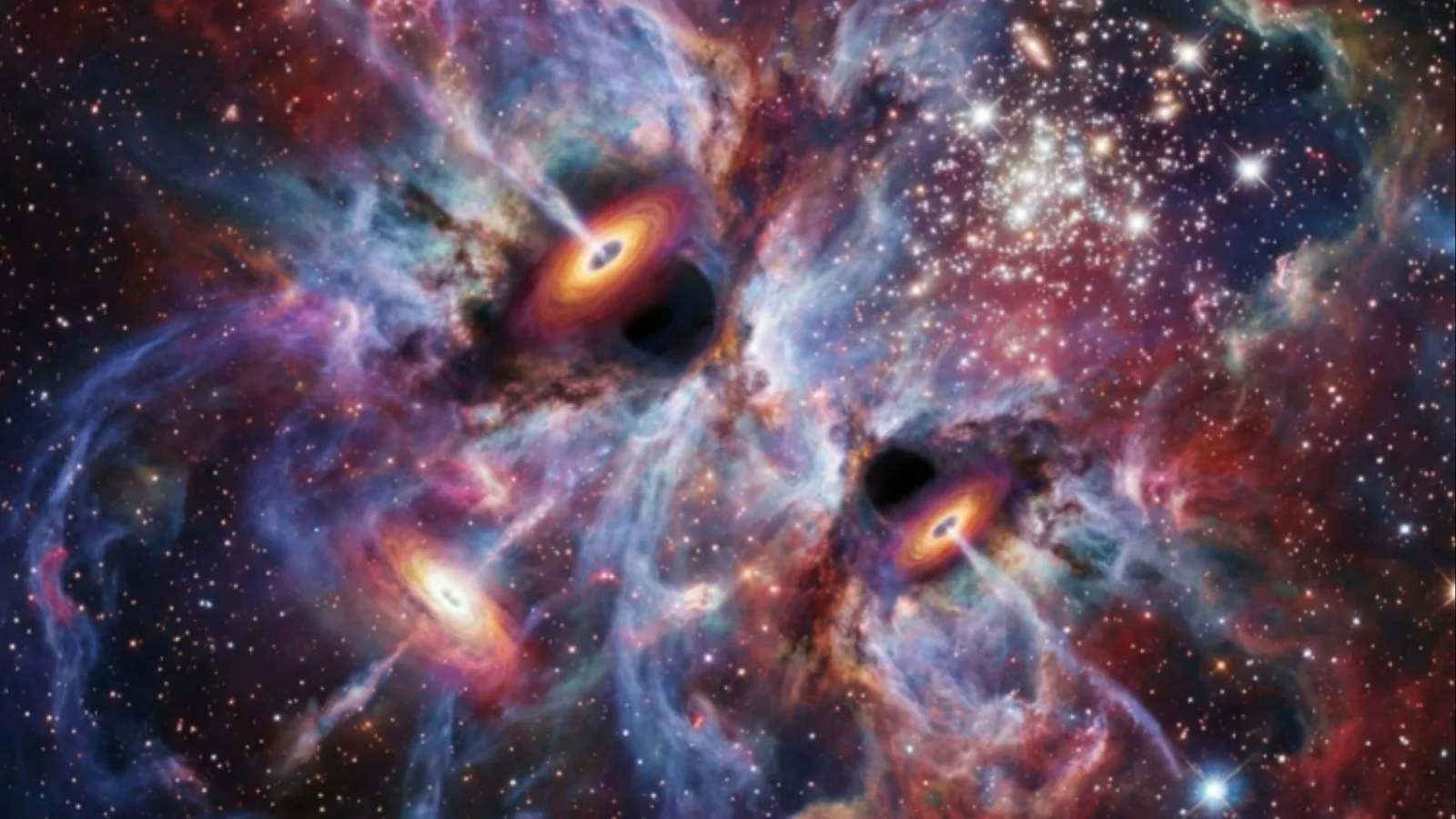
Early black holes could gorge growth to birth the first cosmic giants
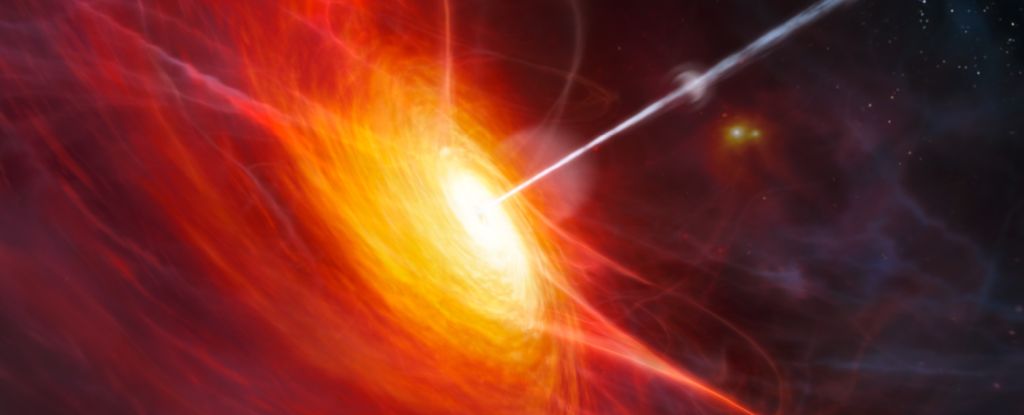
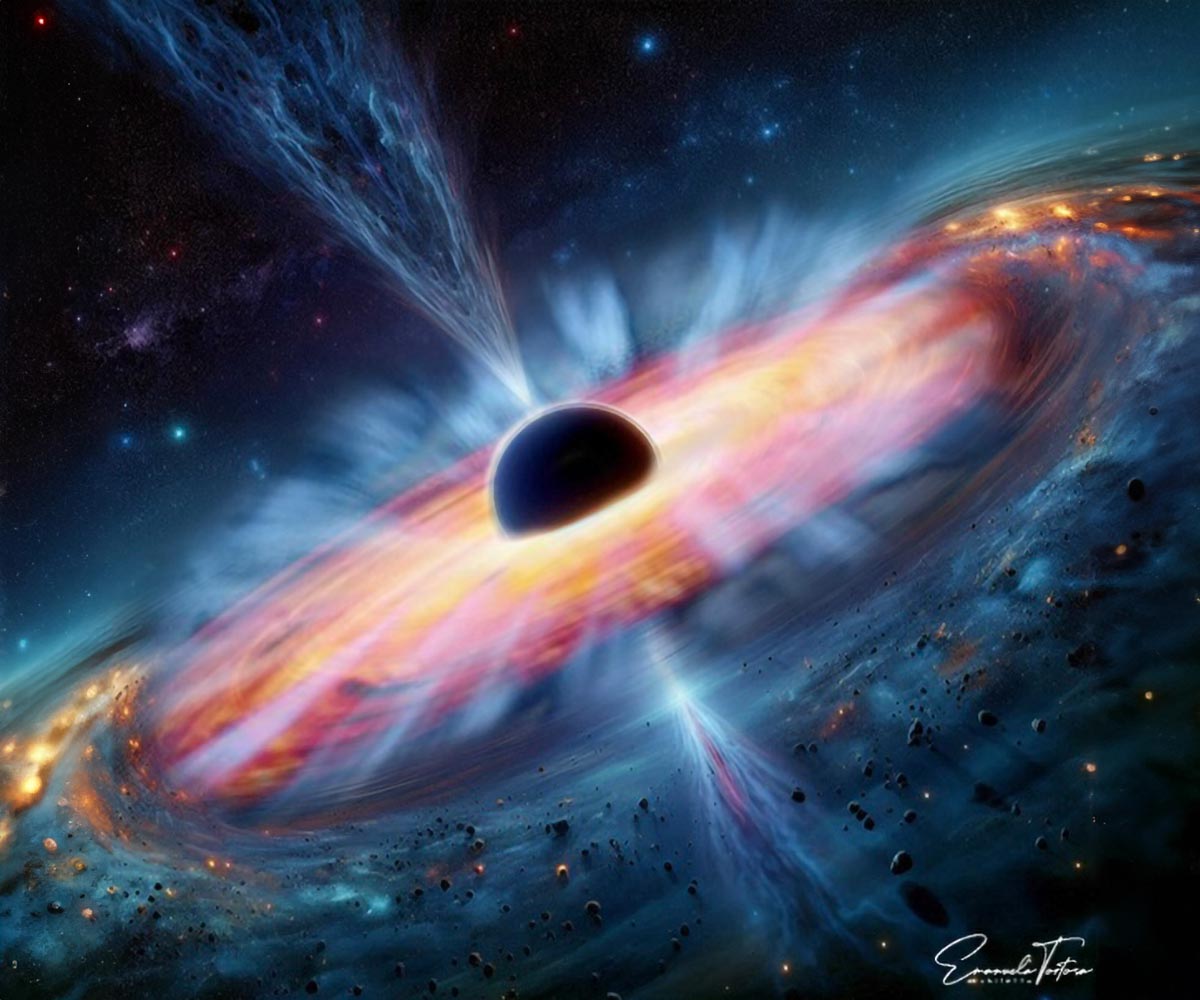
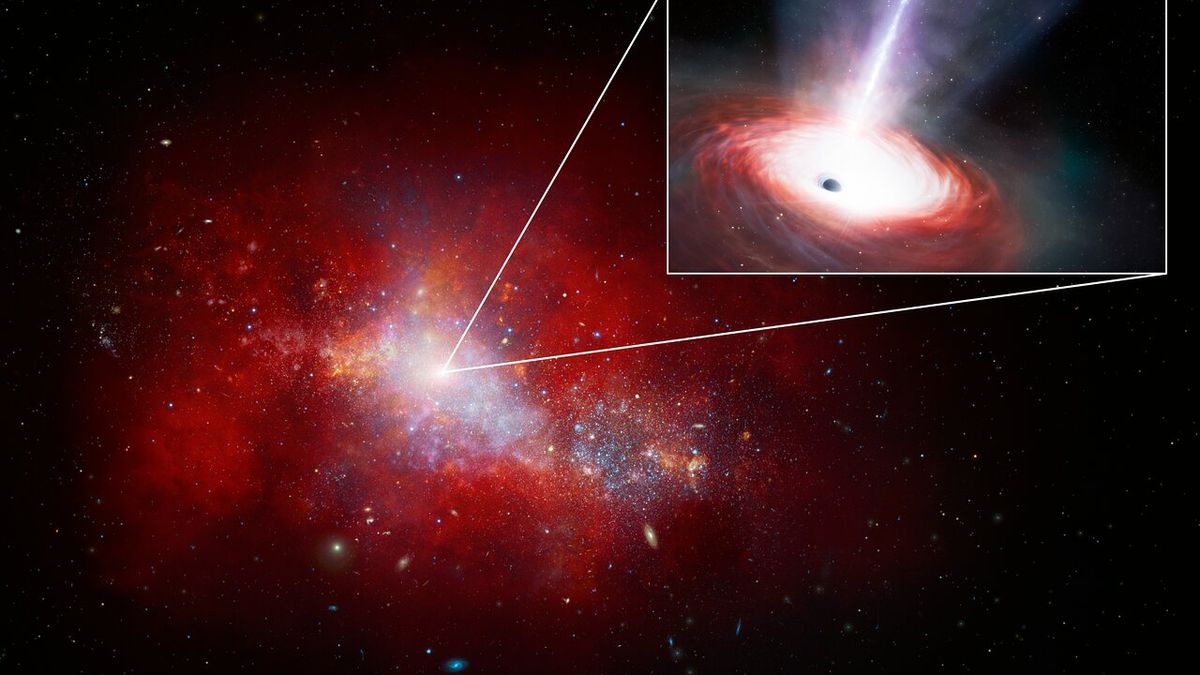
New computer simulations propose that the first generation of tiny black holes formed in the chaotic, gas-rich early universe could undergo brief, super-Eddington feeding frenzies, rapidly growing into seeds that merge to form the supermassive black holes seen in young galaxies. This mechanism helps explain how SMBHs could exist within the first billion years after the Big Bang, and future space-based gravitational-wave detectors like LISA may observe the mergers of these early black holes.