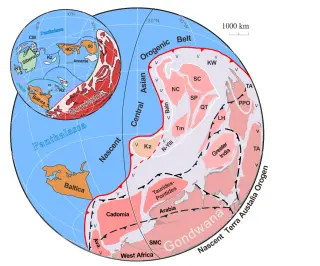
A new study confirms Gondwana was a true supercontinent covering 80% of Earth's land, resolving a long-standing debate. The research links its formation to the Cambrian explosion by showing how a global volcanic ring altered the climate from icehouse to greenhouse, catalyzing complex life.
A study published in Science Advances confirms that the ancient landmass Gondwana was a true supercontinent, covering 80% of Earth’s landmass 500 million years ago. By analyzing over 25,000 rock samples, researchers identified hidden fragments of Gondwana buried under modern continents. This discovery links the supercontinent’s formation to the Cambrian explosion, as volcanic activity from its surrounding tectonic ring warmed the planet and enabled complex life to flourish.
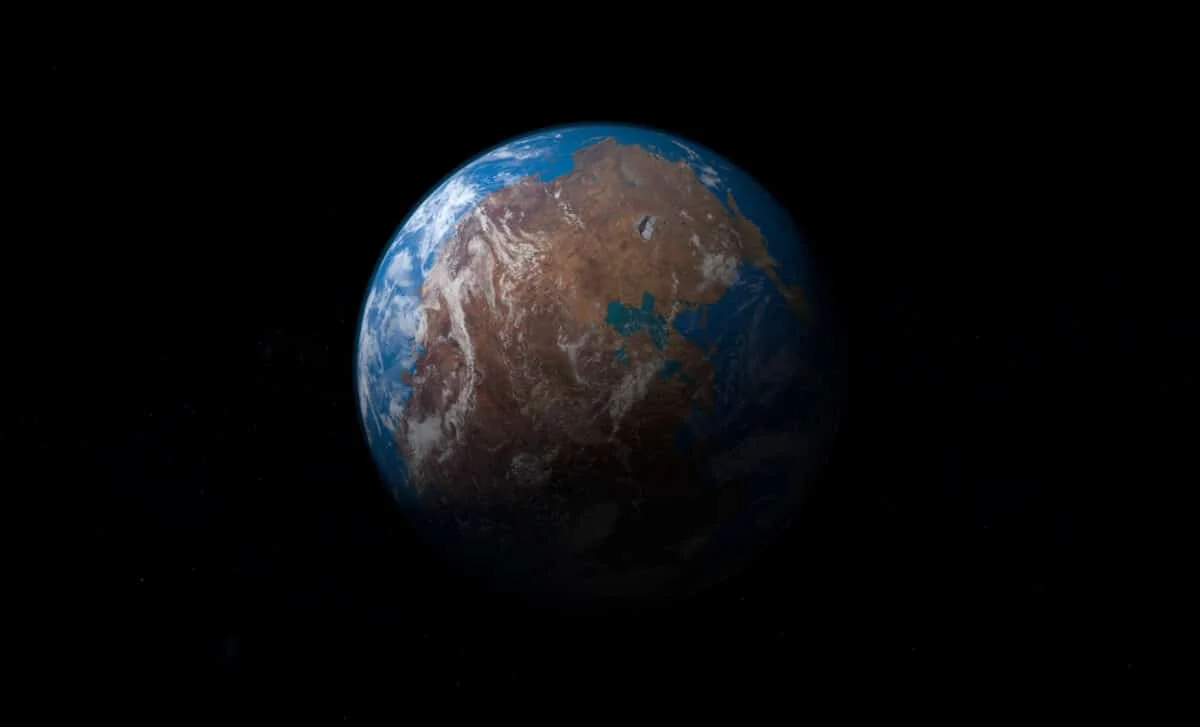
The Pacific Ocean, Earth's largest body of water, is slowly shrinking due to tectonic subduction. Scientists predict it may close in 200-300 million years, potentially forming a new supercontinent called Amasia.
A Bristol-led study in Nature Geoscience finds that in about 250 million years, when a new supercontinent forms (Pangea Ultima), most land could be too hot and dry for mammals, but parts of southern Europe such as Spain may lie in a less extreme region due to latitude and proximity to the ocean. Conditions would still be harsh with high heat and limited rainfall, and the conclusion is not that Spain would be safe, but that it could be comparatively less severe; the research aims to understand how geography, atmosphere, and solar energy shape long‑term climate rather than predict livable refuges.
Scientists outline four possible future supercontinents—Novopangea, Pangea Proxima, Aurica, and Amasia—each arising from how today’s oceans evolve, with climate models predicting divergent outcomes (cooling and expanded ice in some scenarios, warmer, drier conditions in Aurica, and potential widespread glaciation in Amasia). While these projections show strikingly different worlds, they share high uncertainty and stress that substantial ecological disruption or extinction could accompany a new planetary union; humanity’s long-term survival may hinge on living in harmony with Earth's ecosystems.
A study predicts that in about 250 million years, Earth's continents will form a supercontinent called Pangea Ultima, leading to extreme global temperatures, widespread heat stress, and reduced habitability, which could threaten mammalian survival and offer insights into planetary habitability beyond Earth.
Scientists predict that in 250 million years, Earth's tectonic plates will form a new supercontinent, with several models suggesting different configurations such as Novopangaea, Aurica, Amasia, and Pangaea Proxima. This cycle of continental drift and convergence, exemplified by past supercontinents like Pangaea, offers insights into Earth's geological and climatic future. The study of these formations helps scientists understand past and future changes in Earth's environment and biodiversity.
Scientists have completed the first comprehensive mapping of Zealandia, a submerged continent in the South Pacific that was once part of a supercontinent 300 million years ago. By analyzing rock samples and magnetic maps, researchers have outlined the extent of Zealandia, which spans 1.9 million square miles and connects Antarctica and Australia. The study sheds light on how Zealandia formed and split from nearby landmasses, providing insights into Earth's continental evolution over vast timescales.
Geologists from Utrecht University have located the long-lost continent of Argoland, which broke off from western Australia and drifted to sea 155 million years ago. The continent, once part of the supercontinent Gondwana, has since broken into several shards and is now located beneath the jungles of Indonesia and Myanmar. The discovery of Argoland, similar to the rediscovery of Greater Adria in 2019, provides valuable insights into Earth science and helps understand processes such as the evolution of biodiversity, climate, mountain formation, and plate tectonics.
Superdeep diamonds, formed between 300 and 700 kilometers below Earth's surface, contain evidence of mantle rocks that contributed to the growth of the ancient supercontinent Gondwana. These diamonds provide insights into the processes of supercontinent formation and the addition of material to the base of the continent. By studying inclusions within the diamonds, researchers can determine the geological ages and understand how buoyant mantle contributed to the growth and stability of Gondwana. This research sheds light on Earth's history and the forces that shaped it.
A modeling study predicts that in 250 million years, a supercontinent called Pangea Ultima will form, resulting in extreme temperatures that will make the new landmass uninhabitable for mammals, including humans. The study suggests that increased volcanism and a hotter sun will lead to drastic temperature increases, creating a hostile environment devoid of food and water sources. Only a small portion of the supercontinent's land mass is expected to remain habitable. The findings highlight the potential impact of natural processes on Earth's climate in the distant future and the limitations of mammalian adaptation to extreme heat.
Ancient diamonds formed under the supercontinent Gondwana, which covered the South Pole 650 to 450 million years ago, provide valuable insights into the formation and movement of continents. These "superdeep" diamonds, analyzed through chemical analyses and isotopic analysis, reveal how the rocks they were within became buoyant and expanded the supercontinent from below. The diamonds were later brought to the Earth's surface during volcanic eruptions, showing their migration with different fragments of the supercontinent as it broke apart. This research sheds light on the evolution of continents and their role in the development of life on Earth.
A study published in Nature Geoscience predicts that a supercontinent called Pangea Ultima will form 250 million years from now, resulting in extreme temperatures that will make the new landmass uninhabitable for mammals, including humans. The study suggests that increased volcanism and the Sun's aging process will cause drastic temperature increases, creating a hostile environment devoid of food and water sources. Computer climate models indicate that only a small percentage of Pangea Ultima's land mass will remain habitable for mammals. The inability of mammals to adapt to extreme heat makes their survival unlikely in these conditions. This research sheds light on the potential impact of natural processes on Earth's climate in the distant future.
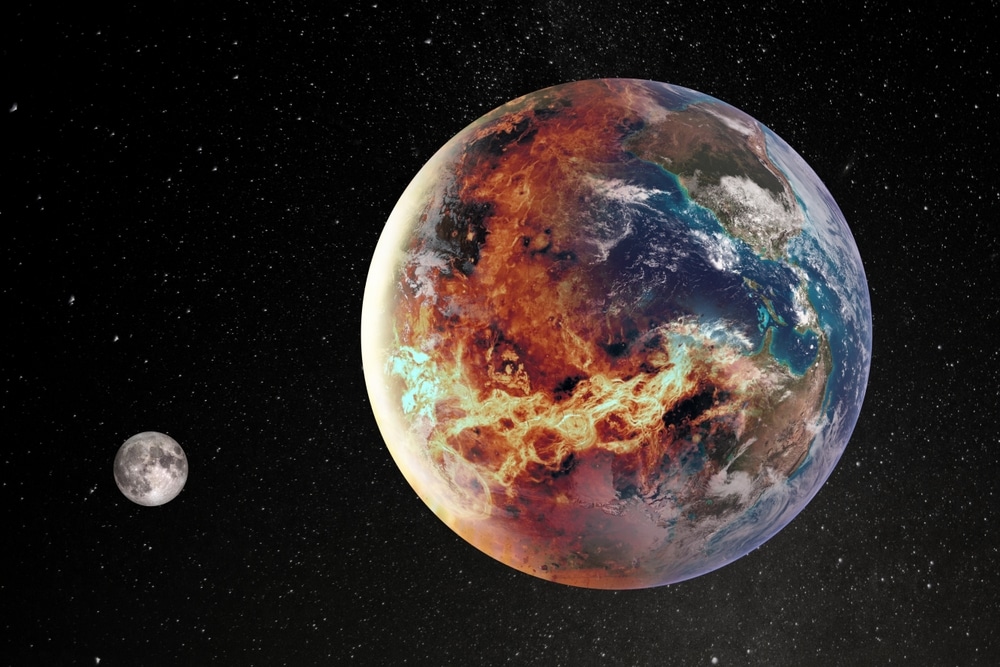
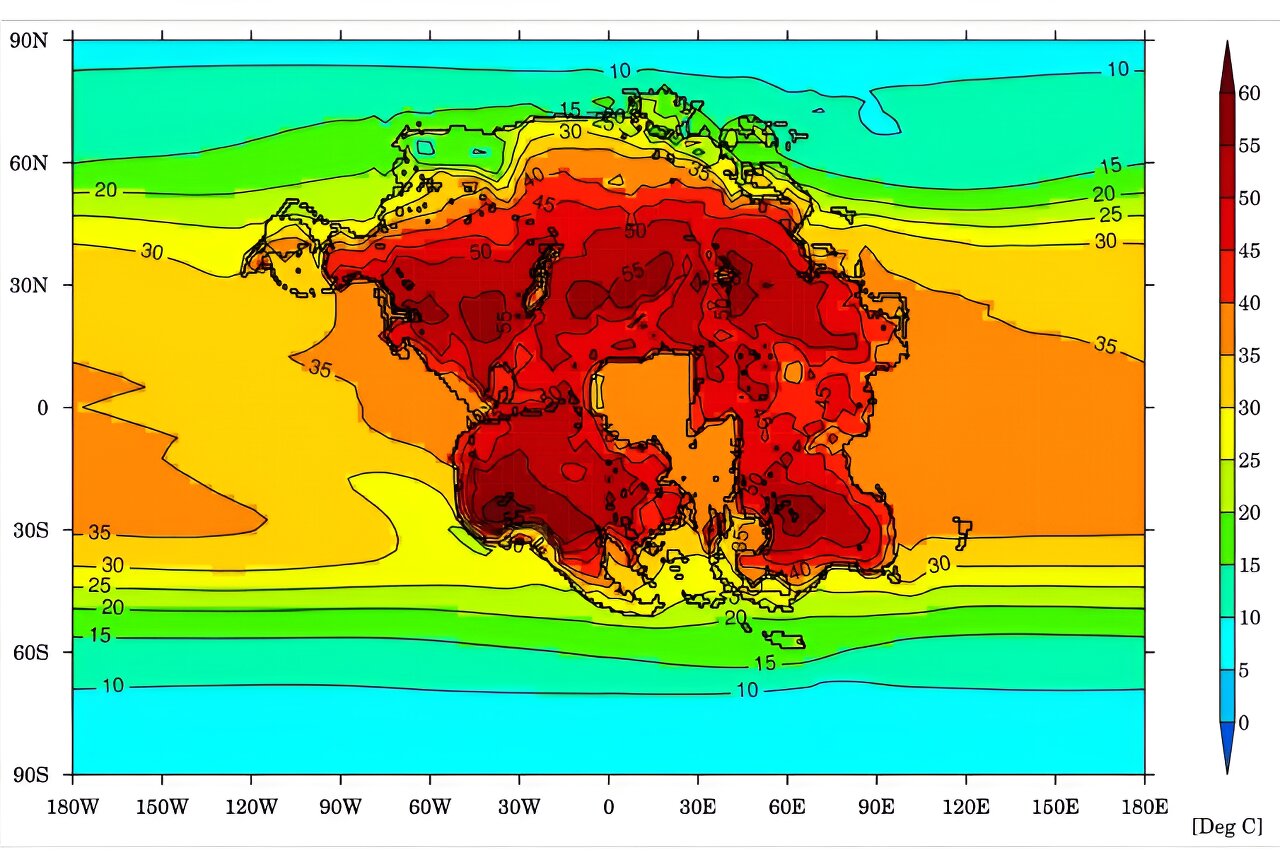
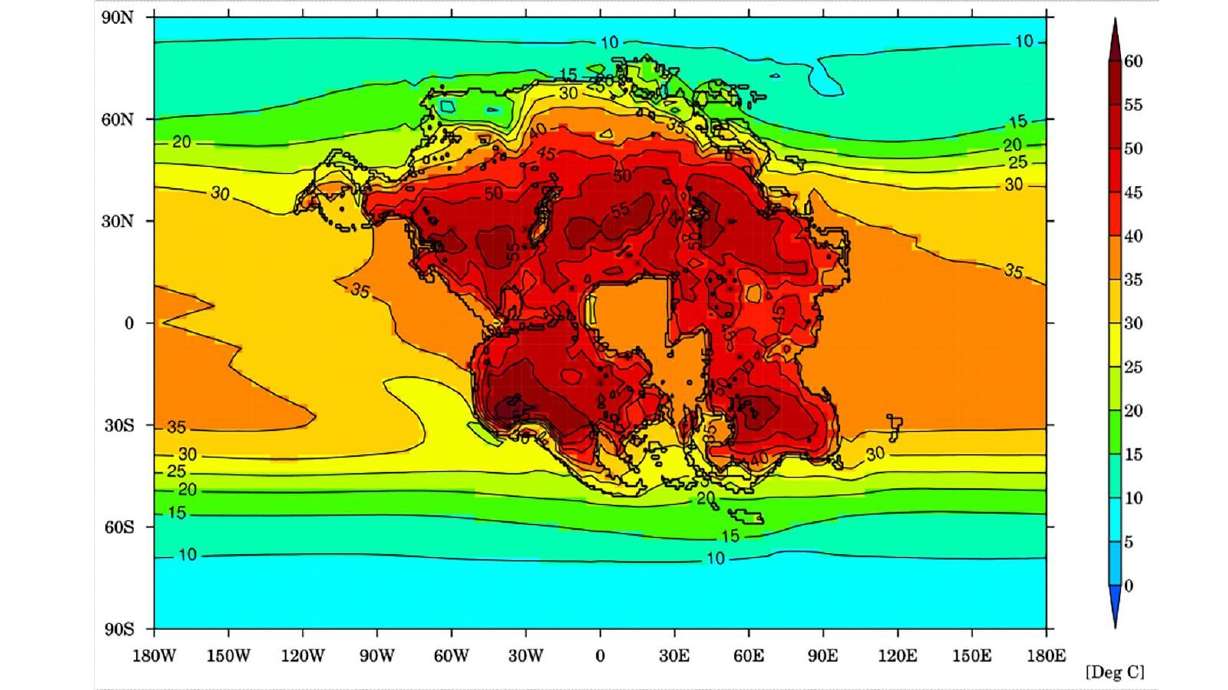
Scientists from the University of Bristol have used supercomputer climate models to predict that the formation of a new "supercontinent," Pangea Ultima, in approximately 250 million years could lead to extreme heat, making the Earth virtually uninhabitable for humans and mammals. The merging of continents would result in more volcanic eruptions, increased carbon dioxide levels, and a brighter sun, intensifying climate extremes. The combination of continentality effect, hotter sun, and high levels of CO2 would create temperatures of 40 to 50 degrees Celsius (104 to 122 degrees Fahrenheit), causing the extinction of humans and many other species unable to cope with the heat. Only a small percentage of land on the supercontinent would remain habitable for mammals, and carbon dioxide levels could double if fossil fuel burning continues.
Scientists predict that in 250 million years, Earth's continents will merge to form a supercontinent called "Pangea Ultima," resulting in inhospitable conditions for most mammals. The formation of this supercontinent will lead to increased volcanic activity and a hotter sun, causing land surface temperatures to exceed 40℃ and transforming much of the continent into a vast, hot desert. The average annual land temperature would increase from the pre-industrial average to approximately 24℃, reducing habitable areas on Earth to just 54%. The projected location of Pangea Ultima at the equator, along with other factors, would contribute to this warming. The increased solar intensity and elevated CO₂ levels would further reduce Earth's habitability, leaving only a quarter of the planet's surface habitable. Mammals' adaptability may not be enough to survive these extreme conditions, as their temperature thresholds are surpassed, making it challenging for them to regulate their body temperature.