Tag

Supersonic

All articles tagged with #supersonic

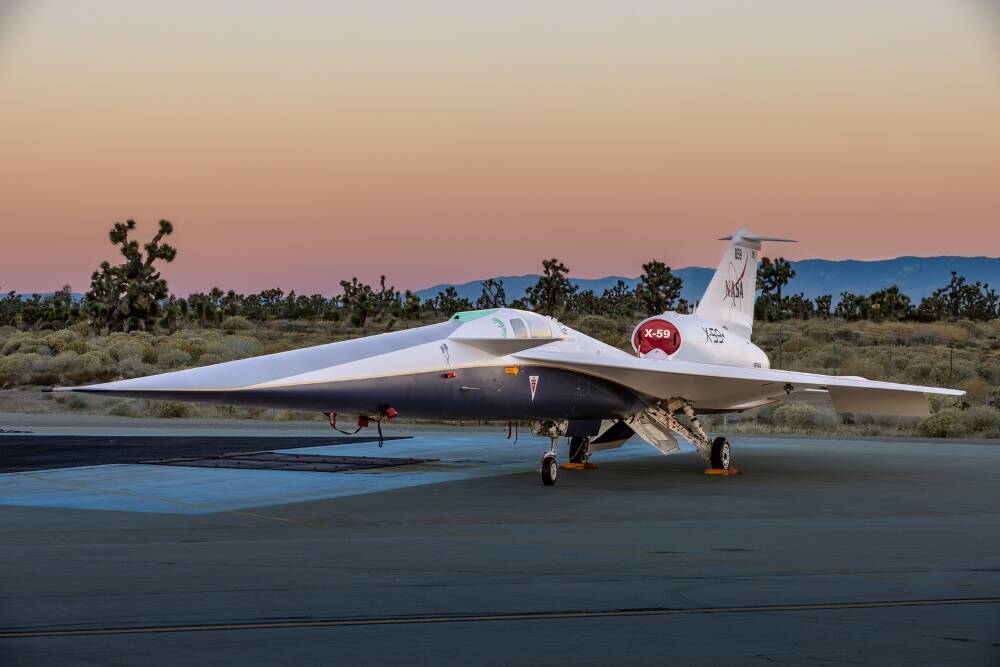
NASA's Quiet-Supersonic X-59 Surpasses Sound Barrier in Landmark Flight
technology1 month ago

NASA's Quiet-Supersonic X-59 Surpasses Sound Barrier in Landmark Flight

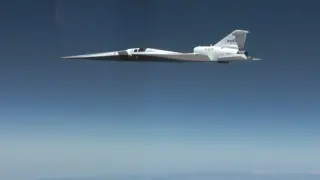
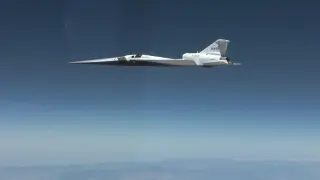
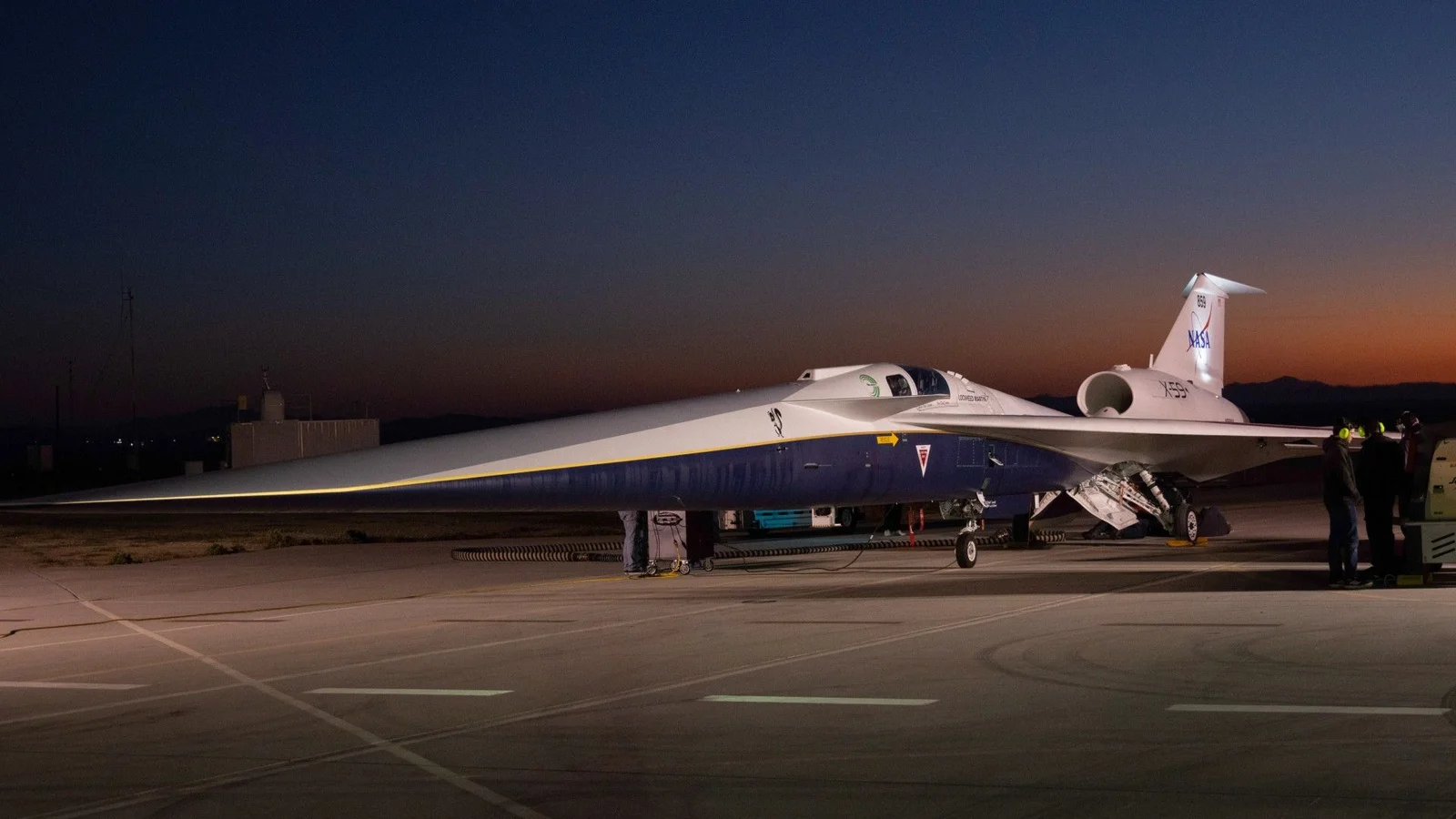
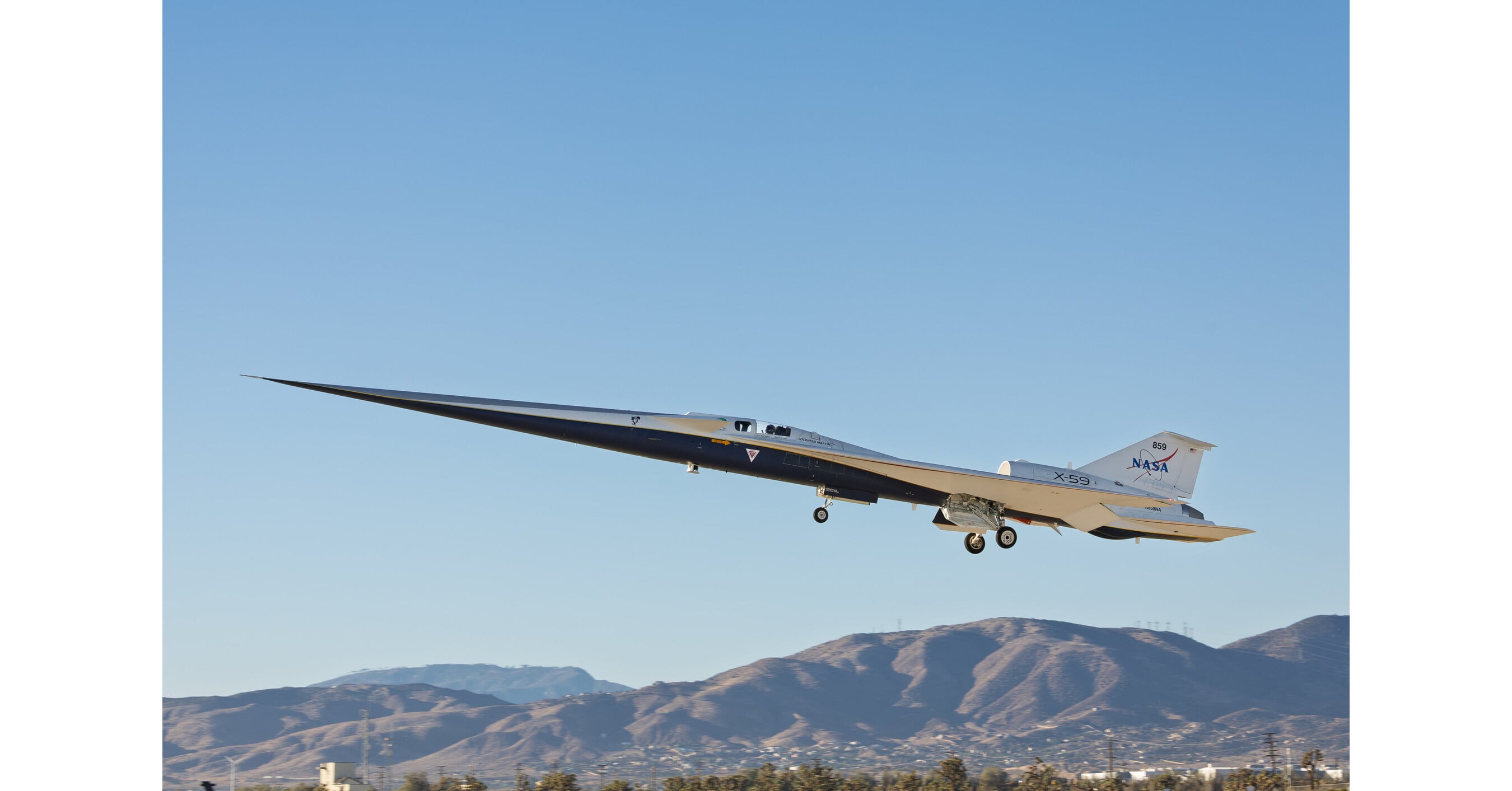
NASA’s X-59 completed an 81‑minute test flight from Edwards AFB, reaching about Mach 1.1 (713 mph) at 43,400 feet—the first time the quiet-supersonic aircraft breached the speed of sound with its planned ‘quiet thump’ concept; the test aimed to advance over-land commercial supersonic flight by reducing noise, with future Mach 1.4 flights to gather data on public perception to help set new noise standards, monitored by a chase plane.

NASA’s X-59 Surpasses Mach 1 on First Supersonic Flight
space-exploration1 month ago

NASA’s X-59 Surpasses Mach 1 on First Supersonic Flight

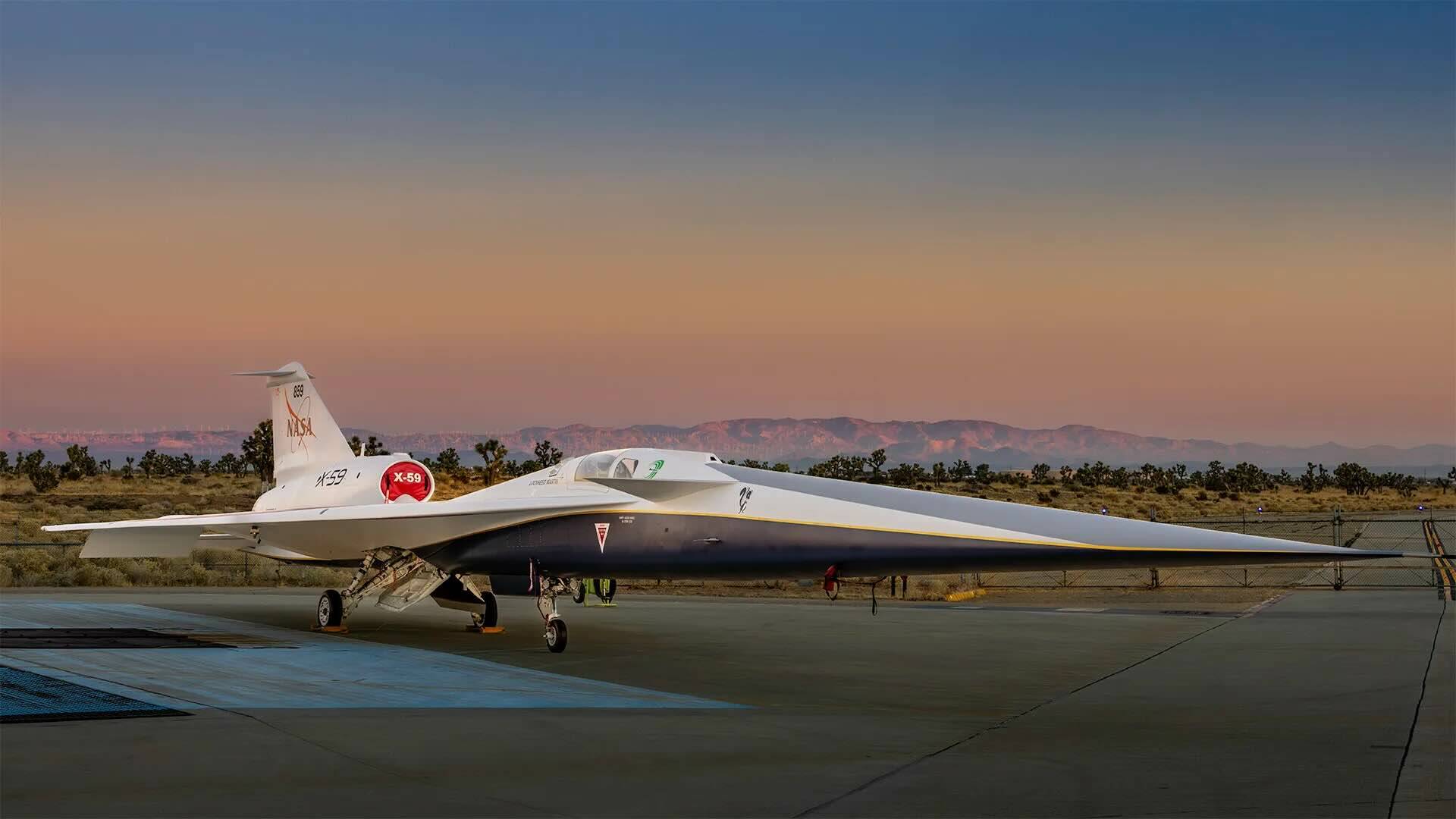
NASA announced that Lockheed Martin’s X-59 QueSST demonstrator achieved its first supersonic flight on June 5, 2026, reaching Mach 1.077 at about 43,400 feet (13,228 m) with a top speed of 713 mph during an Edwards Air Force Base test flight that lasted 81 minutes. The mission, part of NASA’s Quiet Supersonic Technology (Quesst) program, aims to develop a “quiet” supersonic tech that minimizes sonic booms so commercial flights over land could become viable; future test flights will push toward Mach 1.4 at higher altitude to collect data for regulators and help establish new noise standards.

NASA’s X-59 second test ends early after cockpit warning
technology3 months ago

NASA’s X-59 second test ends early after cockpit warning

NASA’s experimental X-59 supersonic jet ended its second flight after nine minutes due to a cockpit warning, cutting the planned one-hour mission short. NASA said the data collected on systems and handling— aided by a camera-based cockpit display instead of a traditional windscreen—remains valuable as the program pushes toward higher speeds and muffled sonic booms for over-land flights, with more than 100 flights planned to advance the project.

X-59 Quiet Supersonic Jet Preps for Second Test Flight
technology3 months ago

X-59 Quiet Supersonic Jet Preps for Second Test Flight

NASA's X-59 Quiet Supersonic aircraft, built with Lockheed Martin, is preparing for its second test flight at NASA's Armstrong Flight Research Center in California. After its first flight in October 2025, the mission will have the aircraft take off from Armstrong, fly for about an hour, reach up to 20,000 feet and roughly 260 mph, and progressively fly faster and higher to test its reduced-boom sonic concept intended to enable overland supersonic flight.

Tape Squeal Solved: Supersonic Cracks Make Adhesive Sing
science4 months ago

Tape Squeal Solved: Supersonic Cracks Make Adhesive Sing

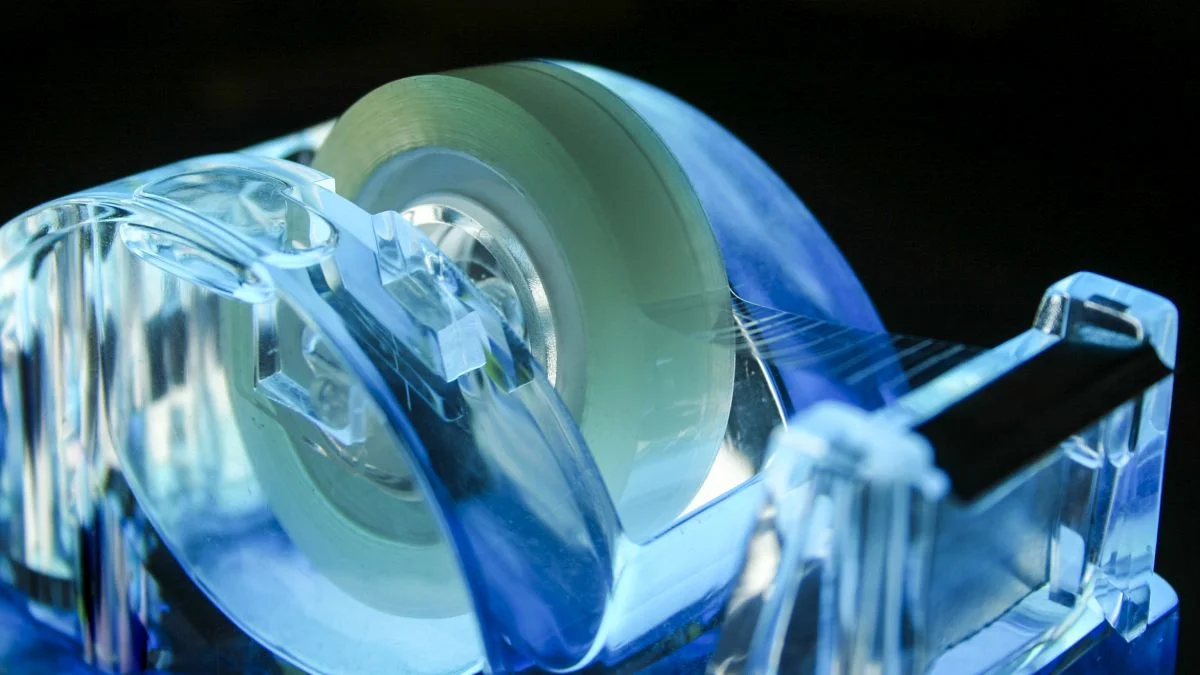
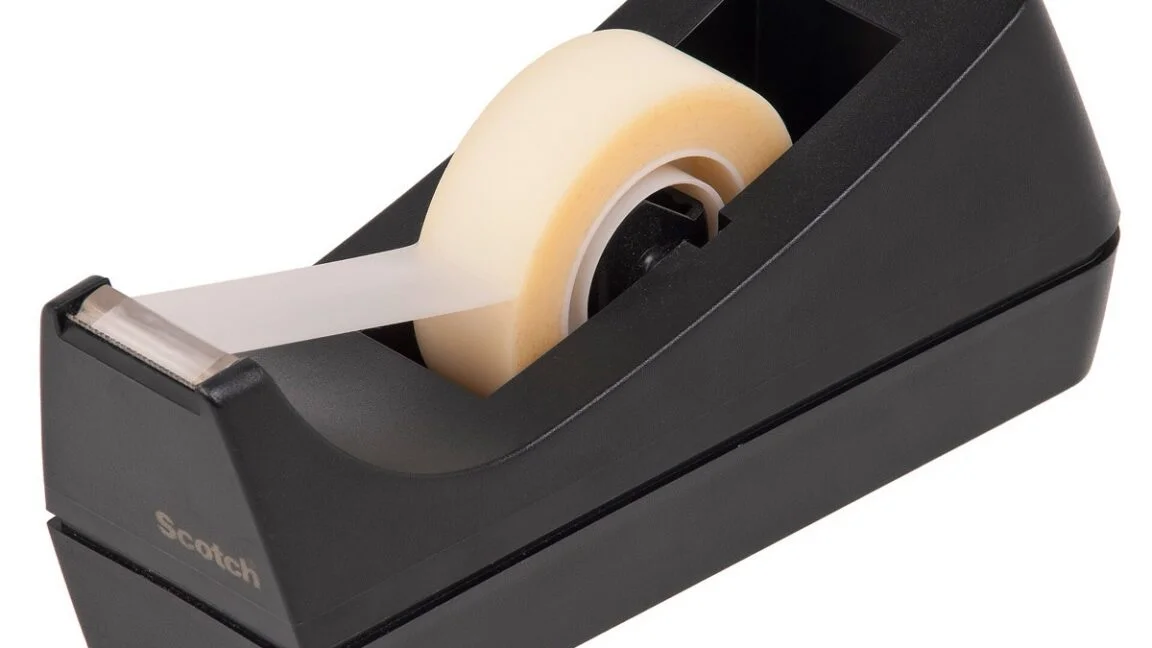
Physicists show that tape screams due to a train of fast, sideways fractures in the adhesive during stick-slip peeling. These transverse fractures race at 250–600 m/s, creating a tiny vacuum between tape and glass that collapses and launches weak shocks into the air; edge-origin shocks were confirmed by timing data, with the phenomenon detailed in Physical Review E.

NASA's X-59: Pioneering Quiet Supersonic Flight
technology1 year ago

NASA's X-59: Pioneering Quiet Supersonic Flight

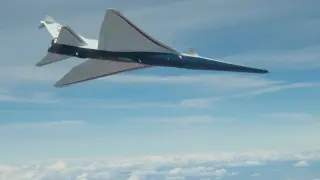
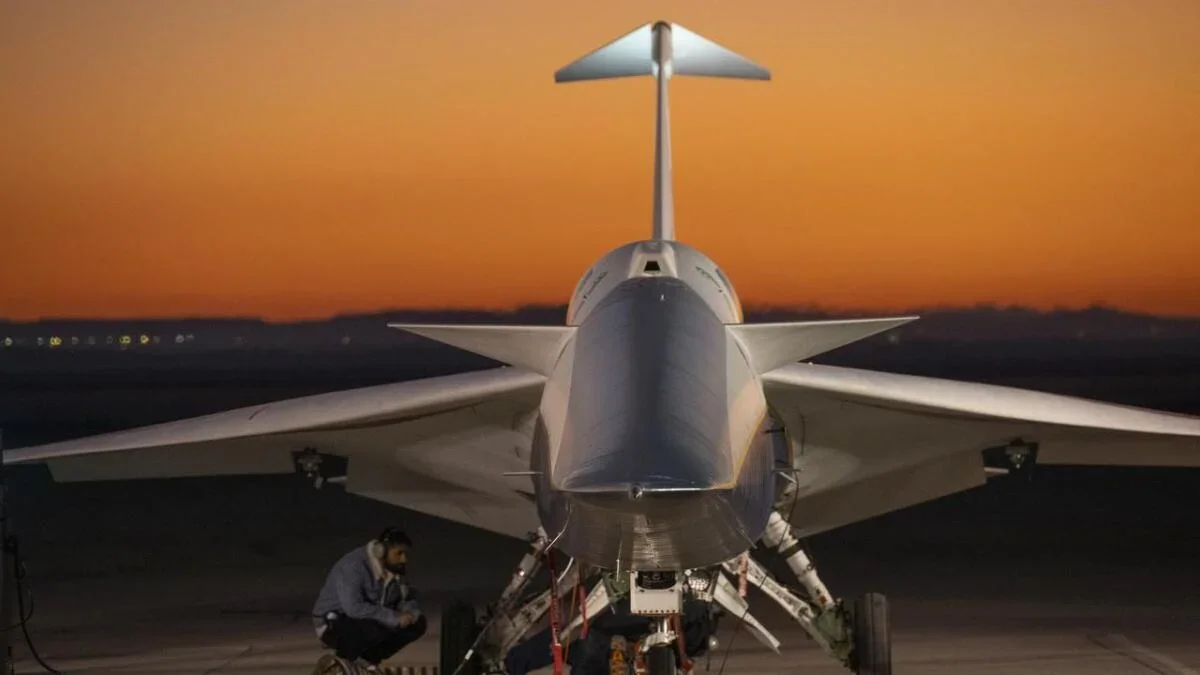
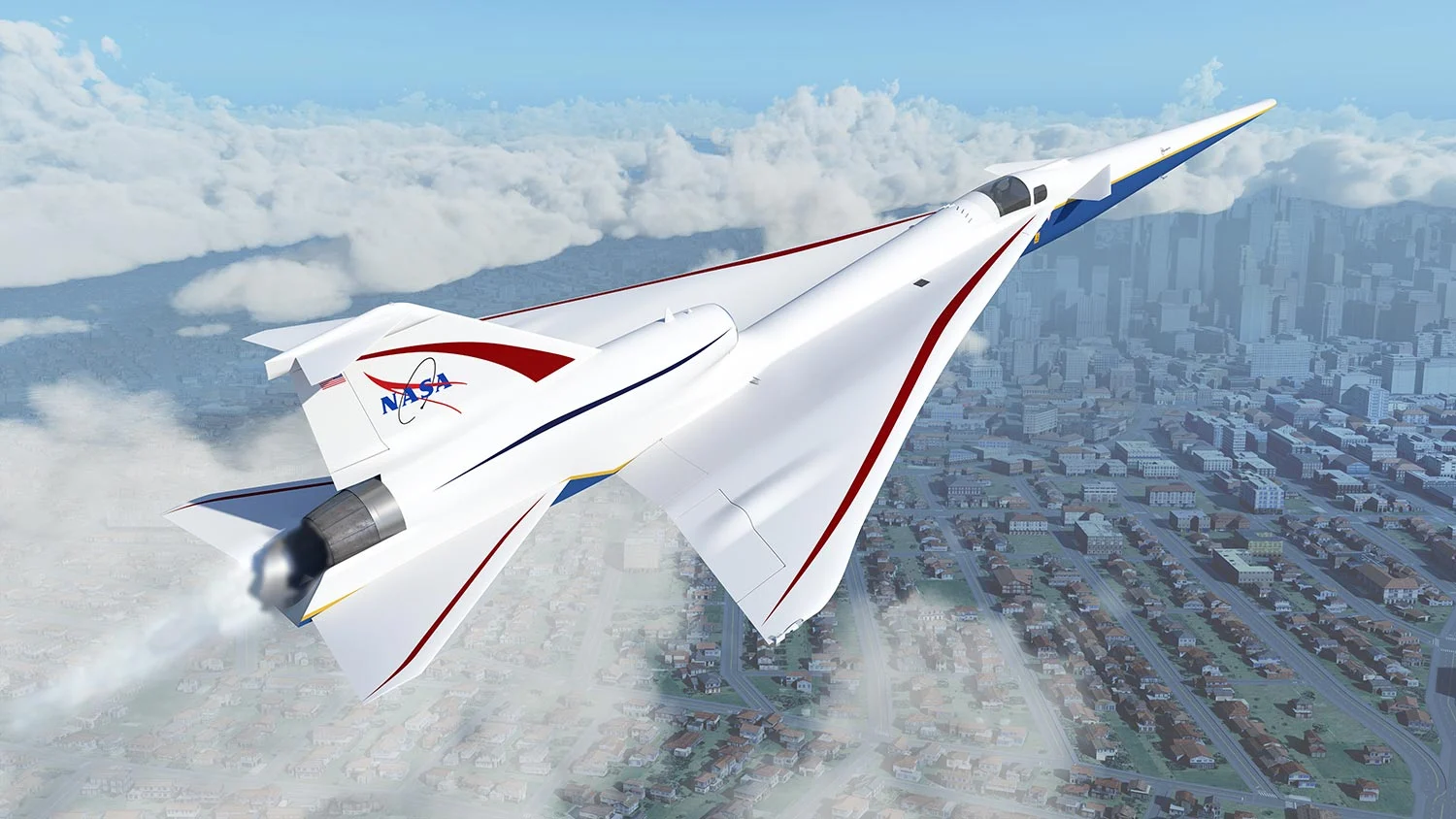
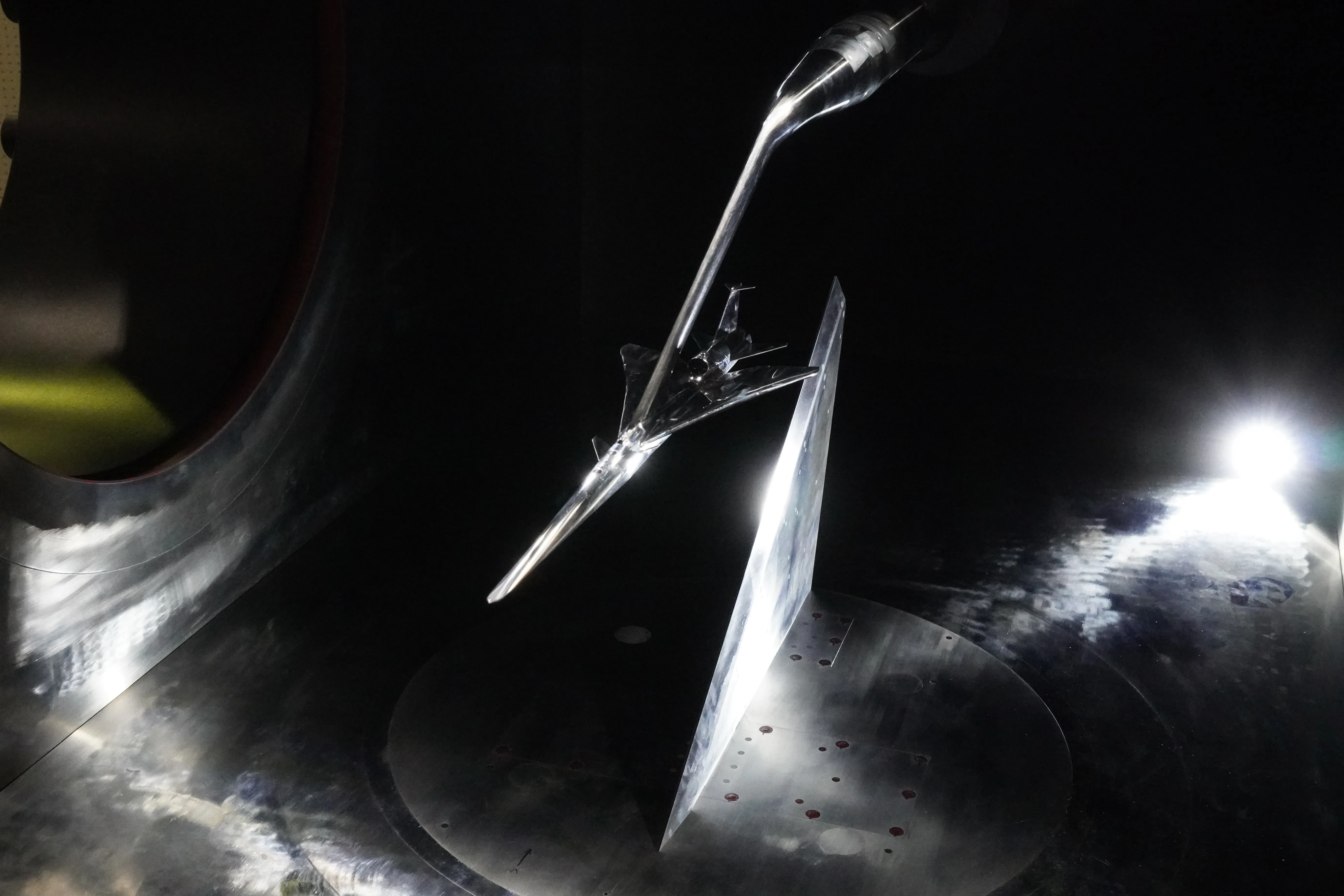
NASA's X-59 aircraft, developed with Lockheed Martin, aims to revolutionize supersonic travel by reducing the disruptive sonic boom to a quieter 'sonic thump.' The aircraft, featuring a unique elongated nose, is designed to manage shockwaves and spread them out, minimizing noise impact on the ground. The X-59 incorporates parts from various aircraft to save costs and relies on advanced computational technology for its design. Scheduled for test flights next year, the project seeks to gather data to potentially influence future commercial supersonic travel regulations.

Unveiling the Speed Secrets of the Concorde
aviation1 year ago

Unveiling the Speed Secrets of the Concorde

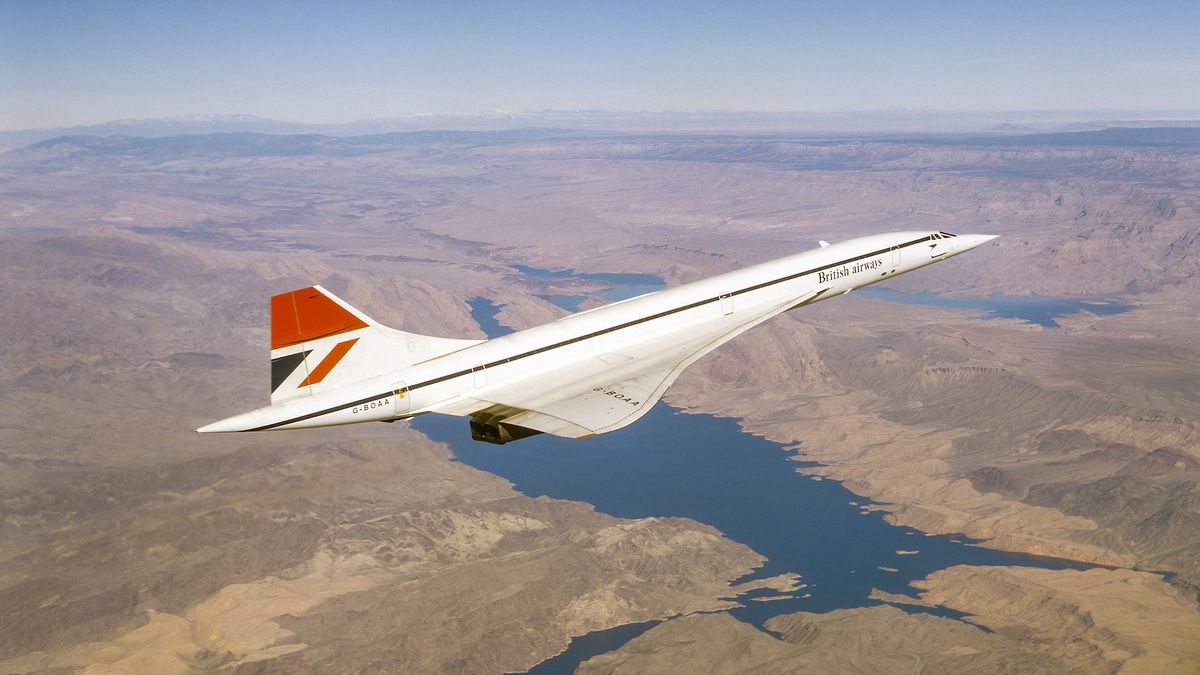
The Concorde was a supersonic passenger jet that flew from 1976 to 2003, capable of reaching speeds over twice the speed of sound, with a record flight time between New York and London of under three hours. Its speed was achieved through a combination of a sleek, aerodynamic design, delta wings, and powerful turbojet engines with afterburners. However, the high fuel consumption and associated costs, along with incidents like the Air France Flight 4590 crash, led to its commercial downfall.

NASA's X-59 Supersonic Jet Achieves Milestone with First Engine Test
technology1 year ago

NASA's X-59 Supersonic Jet Achieves Milestone with First Engine Test

NASA has successfully fired up the engines of its X-59 Quiet Supersonic Technology (Quesst) aircraft, designed to produce a quieter "sonic thump" instead of a traditional sonic boom. This innovation aims to make supersonic flight over land feasible by reducing noise levels to 75 perceived loudness decibels, akin to a car door slam. The X-59, developed with Lockheed Martin, features a unique design with a long nose and external cameras for navigation, and is set to undergo further testing to establish acceptable noise standards for future supersonic travel.

"The Rise, Fall, and Resurgence of Concorde: A Costly Supersonic Journey"
aviation2 years ago

"The Rise, Fall, and Resurgence of Concorde: A Costly Supersonic Journey"

The Concorde, a revolutionary supersonic plane, failed due to a combination of factors including poor business decisions, restrictions on flight routes, and a devastating crash in 2000. Despite its impressive speed and luxurious amenities, the Concorde's fuel inefficiency and loud sonic boom limited its operations. With a limited capacity of 109 passengers, tickets were expensive, costing $12,000 for a round trip across the Atlantic. The last Concorde flight took place in 2003, marking the end of an era in aviation.