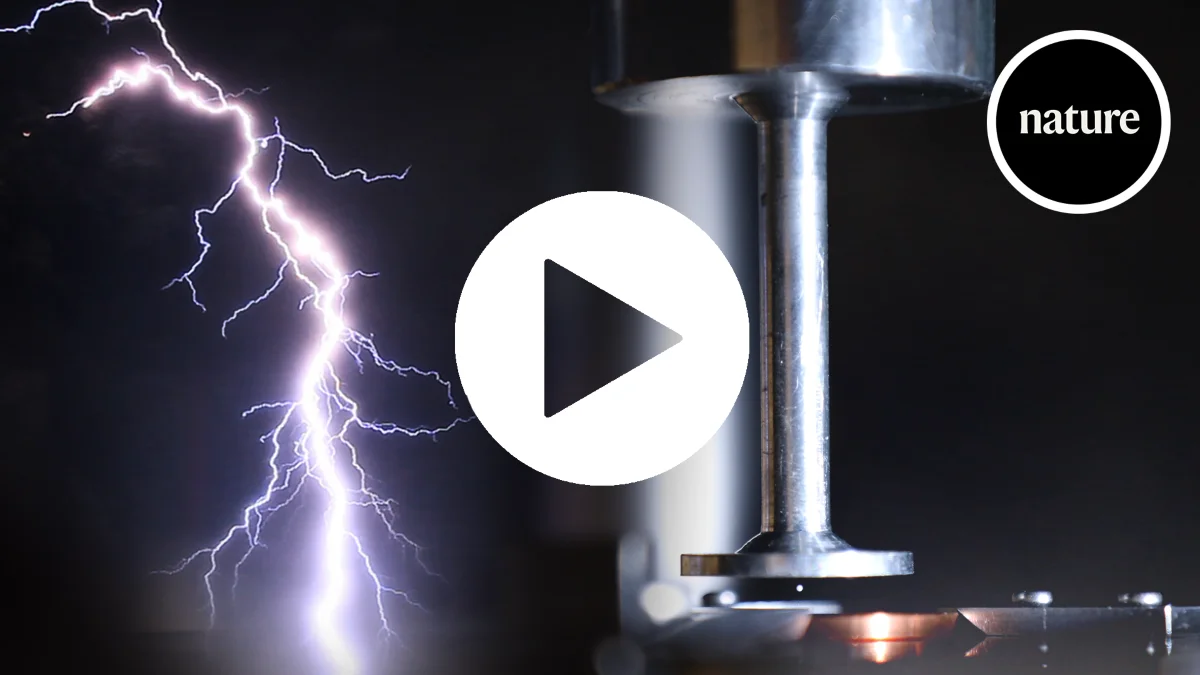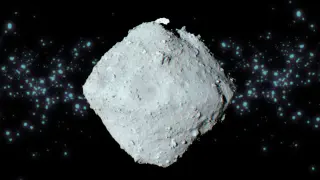
Experiments show a thin carbon layer on oxide grain surfaces changes how they exchange static charge, suggesting carbon contamination could be a key factor in static electricity and helping to solve a long-standing mystery.
A Nature feature explains that static electricity (triboelectric charging) is more complex than once thought: past contacts bias how charge is exchanged between identical materials, and carbon-containing surface molecules can steer the direction of charging. Using levitated samples and precise measurements, researchers are teasing apart factors like surface chemistry, contact history, surface area, and impact velocity. The growing understanding could improve energy-harvesting devices and reduce dangerous discharges, signaling a shift from simple rules to a multi-factor picture of triboelectricity.
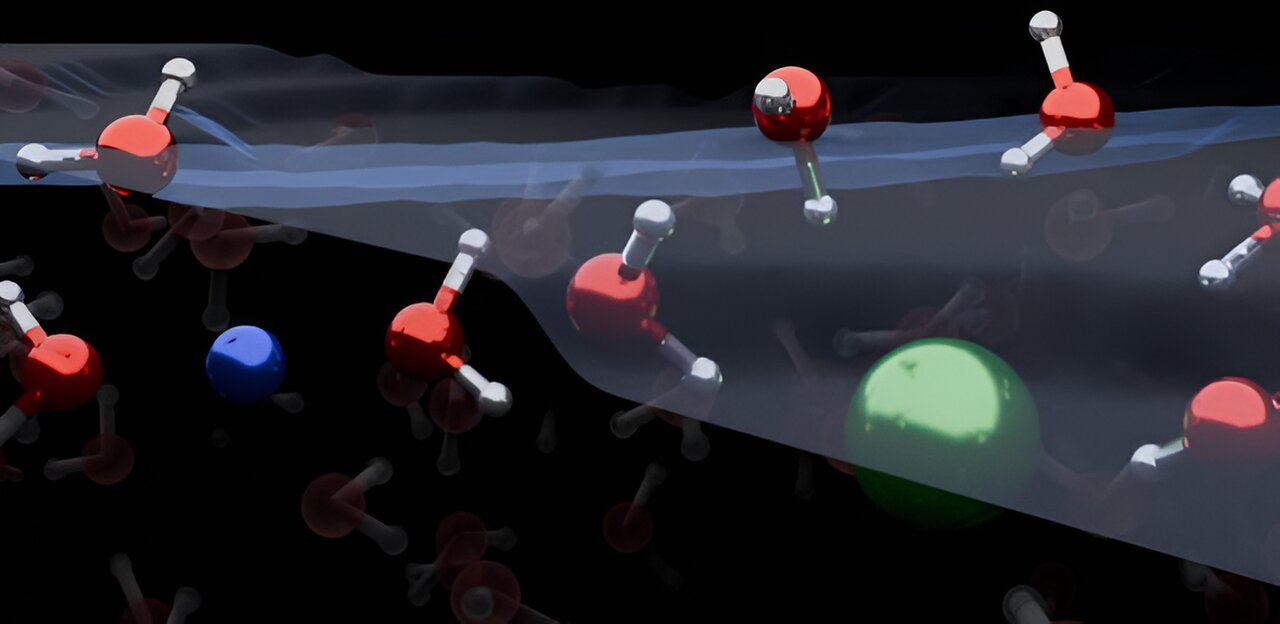
Recent research challenges traditional views of water surface chemistry, revealing that ions are not simply clustered at the surface but are organized in layered subsurface regions, which significantly impacts atmospheric and environmental processes. The study used laser techniques to show that water molecules respond mainly to nearby ions rather than a uniform electric field, leading to a revised understanding of water's boundary behavior with implications for climate, batteries, and biology.
Researchers from the University of Cambridge and the Max Planck Institute for Polymer Research have discovered that electrically charged particles in salt water are located in a subsurface layer, challenging existing scientific models and requiring textbooks to be re-drawn. Using an upgraded laser radiation technique, the team found that ions at the surface can be oriented in both up and down directions, impacting our understanding of electrolyte solutions and potentially influencing technologies such as batteries. The research, published in Nature Chemistry, has implications for various fields, from climate change projections to energy storage.
Researchers have discovered that water molecules at the surface of saltwater behave differently than previously thought, contradicting traditional textbook models. This breakthrough has significant implications for climate science and technology, as it provides new insights into ion distribution and orientation. The study, published in Nature Chemistry, utilized advanced research techniques to reveal that the distribution of ions at the water/air interface affects atmospheric processes, potentially leading to improved atmospheric chemistry models and other applications.
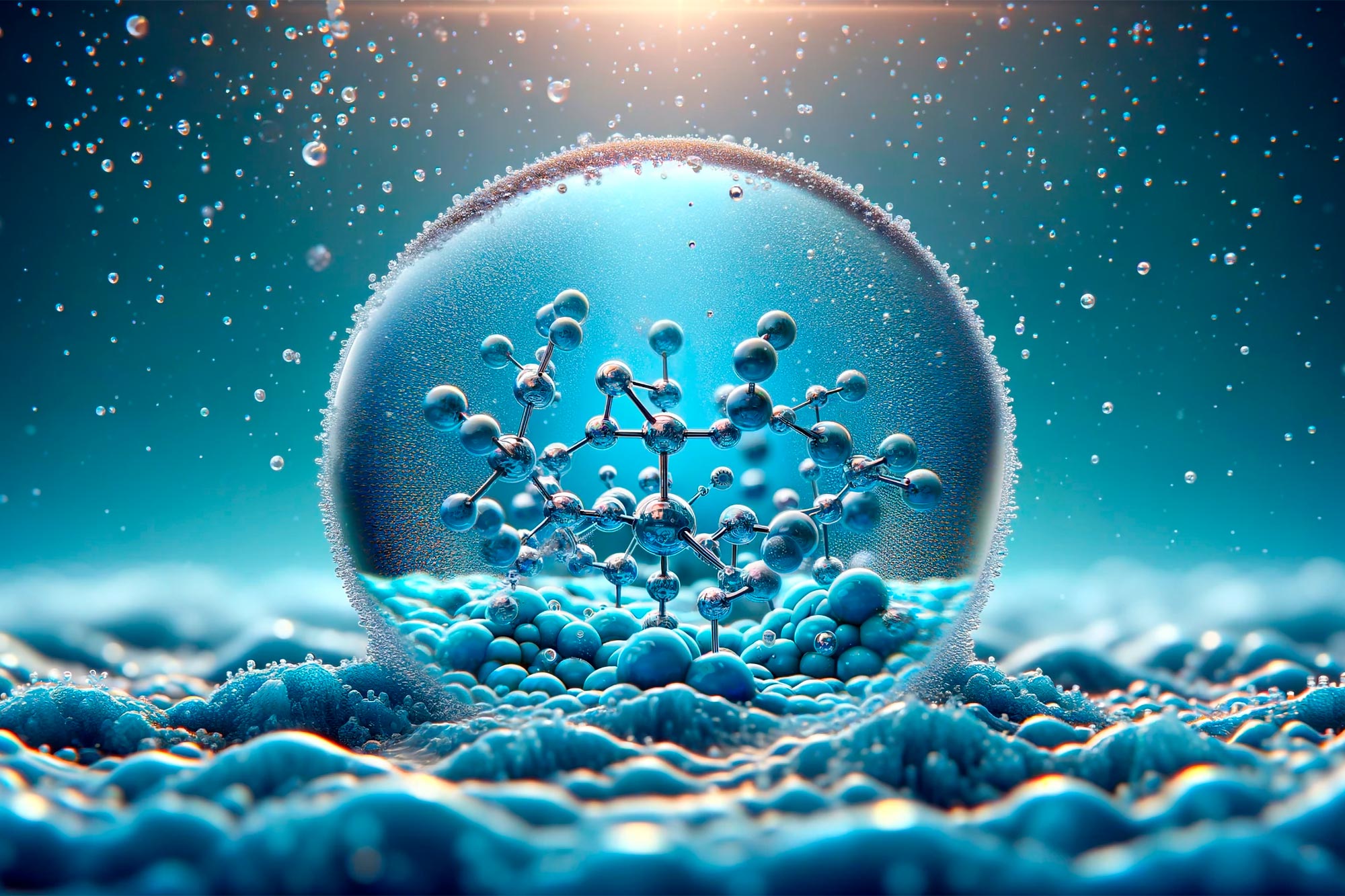
Researchers have discovered that the organization of water molecules at the surface of salt-water solutions contradicts traditional textbook models, with ions and water molecules being organized in a completely different way than previously understood. This finding could lead to better atmospheric chemistry models and has implications for climate science and environmental processes. The study utilized a more sophisticated form of vibrational sum-frequency generation (VSFG) and advanced computer models to simulate the interfaces in different scenarios, revealing a new understanding of the microscopic reactions at these important interfaces.
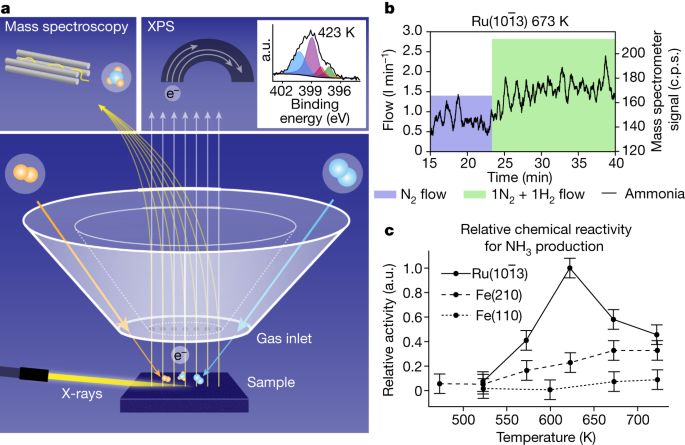
Researchers used operando X-ray photoelectron spectroscopy to study the surface chemistry during the Haber-Bosch process, revealing insights into the reaction mechanisms and rate-limiting steps on Fe and Ru single-crystal surfaces. The study showed that nitride formation is slower than nitride reduction, and the surfaces are predominantly metallic with low coverages of atomic nitrogen. The findings provide valuable information for understanding and optimizing the catalytic process of ammonia synthesis.
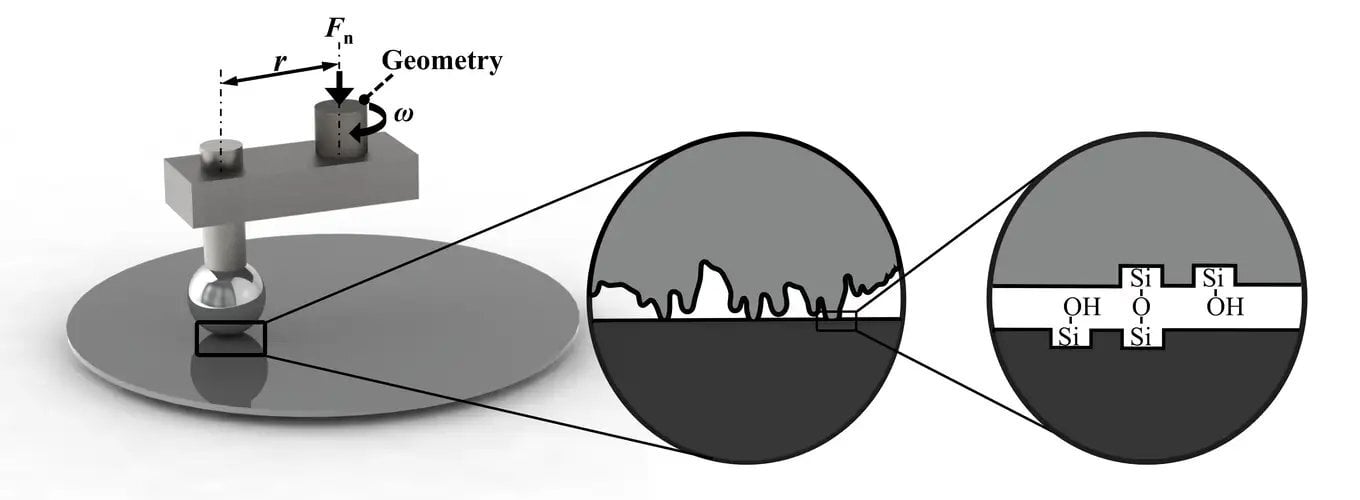
New research demonstrates that the amount of friction between two silicon surfaces, even at large scales, is determined by the forming and rupturing of microscopic chemical bonds between them. This discovery opens up possibilities for controlling friction using surface chemistry techniques, which could have significant implications for reducing energy consumption, material wear, and increasing positioning precision in machinery.
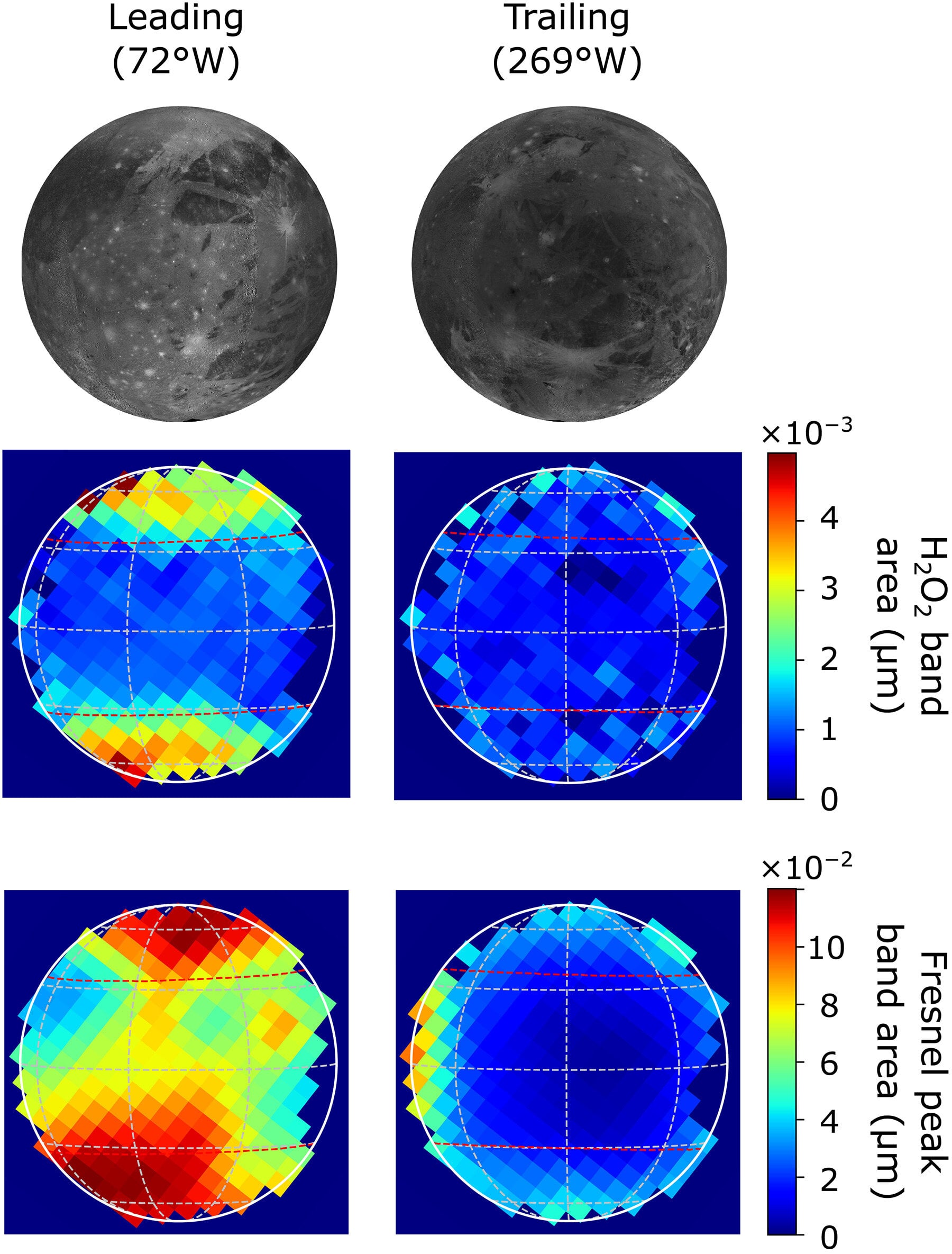
Scientists studying data from the James Webb Space Telescope (JWST) have found evidence that hydrogen peroxide on Jupiter's moon Ganymede is primarily located in its higher latitudes. The research team analyzed new data sent back by the telescope, revealing a stark contrast between Ganymede and Europa, with most of Ganymede's hydrogen peroxide concentrated near its poles. The findings contribute to a better understanding of how Ganymede's magnetic field influences its surface chemistry.