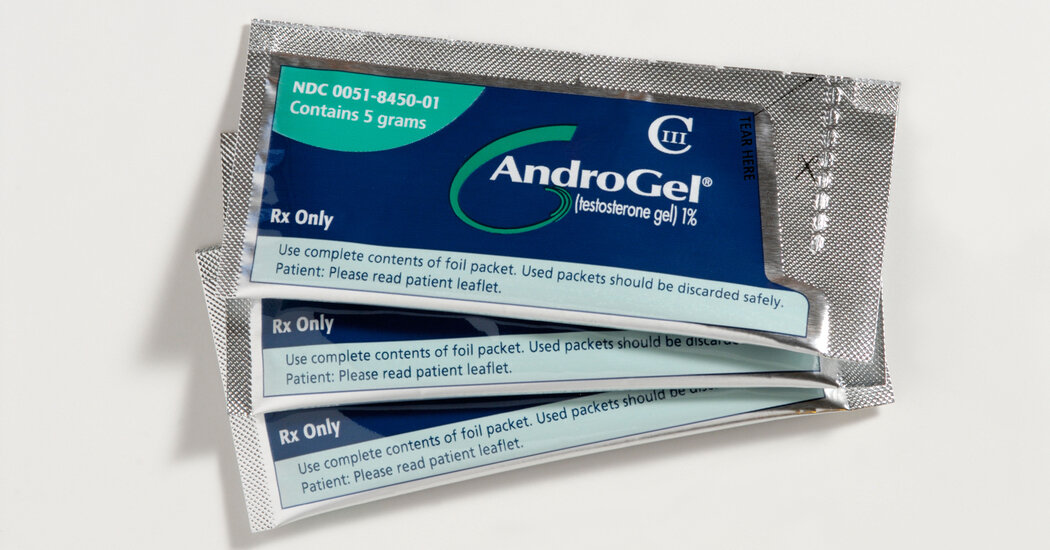
A study of 66 women over 65 recovering from hip fracture found that applying testosterone gel alongside exercise reduced visceral fat buildup, while overall body fat stayed similar to controls, suggesting a targeted approach to improve recovery and long-term health in aging bodies.
A surge in testosterone replacement therapy (TRT) driven by the telehealth boom is making it easier for men to obtain high-dose regimens, often with limited cardiovascular screening. Doctors warn that many patients seek elevated levels rather than treating deficiencies, raising risks such as thickened blood, mood changes, and fertility issues. While FDA advisers consider loosening restrictions to improve access for those with low testosterone, experts caution against abuse and stress that TRT is not a magic pill—set against a backdrop of declining average testosterone and broader public‑health concerns about safety and monitoring.
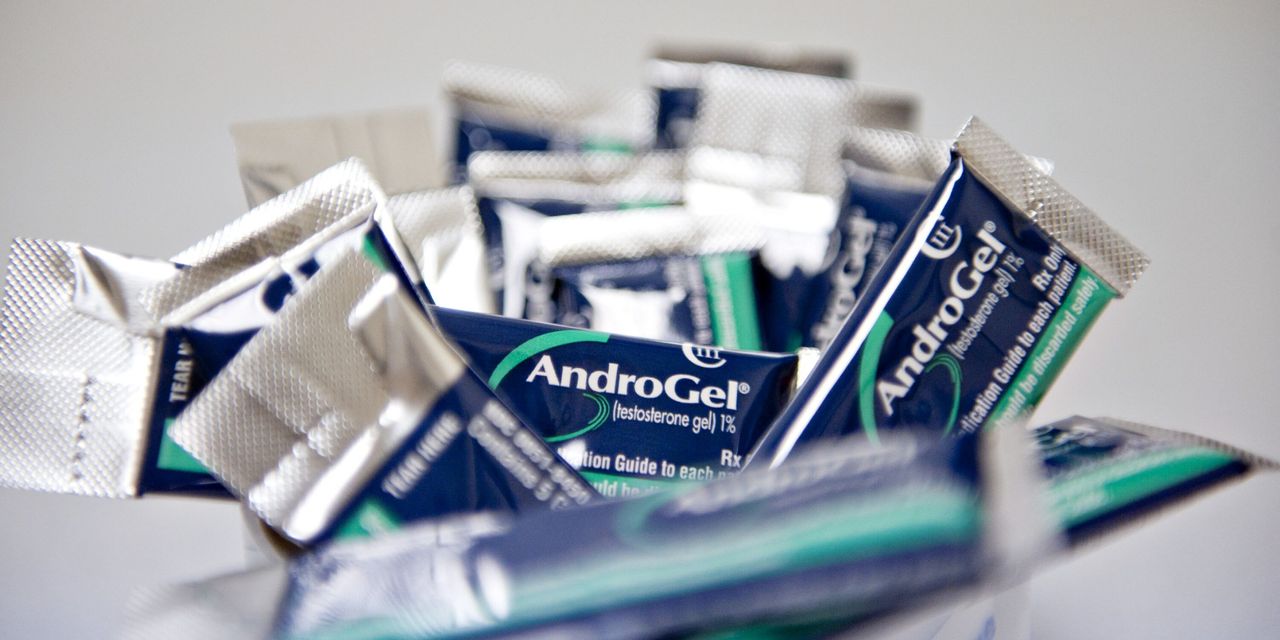
Doctors say most age-related drops in testosterone come from ill health and obesity rather than aging itself, with only about 2–3% losing endogenous production due to a medical problem; weight loss and exercise can raise levels, since fat increases estrogen and lowers testosterone. For those with genuine deficiency, testosterone therapy (gel or injections) can improve sexual function, bone density, cholesterol and insulin sensitivity, and may reduce mortality in some conditions, though treatment choice is personal. Beware of self-diagnosis and unregulated private clinics that push therapy, as unnecessary use can suppress natural testosterone and cause infertility. Always confirm with two morning tests, four weeks apart due to diurnal variation; there is no male menopause, and a normal range doesn’t guarantee prevention of age-related decline that might not require therapy.
A study of 66 women over 65 recovering from hip fractures found that adding a topical testosterone gel to an exercise program reduced visceral fat (while total body fat stayed similar), suggesting a targeted approach to fat distribution could improve recovery and aging health without the muscle loss associated with blanket weight loss strategies. The STEP-HI study was published in Obesity Pillars.
Social media misinformation is leading men to seek unnecessary NHS testosterone treatments, increasing pressure on healthcare services. Viral videos and influencer promotions encourage men to get blood tests and treatment for low energy, libido, and aging signs, despite medical guidelines restricting TRT to those with proven deficiencies. Experts warn that unnecessary testosterone use can cause serious health issues and that many clinics are improperly prescribing it, often influenced by social media promotions and private clinics, raising concerns about regulation and patient safety.
A man shares his personal experience with testosterone therapy, highlighting the initial benefits of increased energy and muscle mass, but also the serious risks such as elevated hematocrit and potential heart failure due to high doses and lack of proper medical oversight. He emphasizes the importance of evidence-based dosing, routine monitoring, and cautious use of testosterone, warning that widespread, unregulated use poses significant health dangers.
A new study has found that testosterone-replacement therapy does not increase the risk of heart attack, stroke, or death from cardiovascular issues for men who are properly treated. However, a few cases of pulmonary embolism were reported.
A large clinical trial has found that testosterone therapy does not increase the risk of heart attacks, strokes, and cardiac deaths in men with hypogonadism, a medical condition where the body does not produce enough testosterone. However, the study does not apply to men who take testosterone without a medical diagnosis, and long-term safety data is still lacking. The trial was funded by pharmaceutical companies that make testosterone, at the behest of the Food and Drug Administration.