Following the November 5 release of The Legend of Zelda: Ocarina of Time remake for the Switch 2, The Verge asks readers to suggest other classic Nintendo titles that need modern remakes rather than sequels.
Bethesda is reportedly preparing to officially name its long-delayed RPG The Elder Scrolls VI: Sentinel, with a potential reveal in November. The game is set in Hammerfell and focuses on the history of the Elder Scrolls artifacts. This announcement coincides with the 15th anniversary of Skyrim and occurs during a period of significant financial and structural challenges for Microsoft’s Xbox division.
The Verge surveyed its staff to identify the keyboards they actually use, revealing a mix of ergonomic, luxury, and utilitarian choices. Popular brands include NuPhy and Keychron, alongside Apple Magic Keyboards and Kinesis split models.
The long-awaited sequel to Skyrim is officially titled The Elder Scrolls VI: Sentinel. The Verge reports that Bethesda Game Studios will reveal this title within the next month, likely coinciding with the 15th anniversary of Skyrim on November 11. The game will be set in the region of Hammerfell and focus on the history of the Elder Scrolls artifacts. While the title was hinted at by Xbox CEO Asha Sharma in August and discovered in Starfield code, a release date remains unclear, potentially aligning with the 2028 launch of the Project Helix console.
The Verge’s latest newsletter highlights the search for new web browser options following the impending discontinuation of Arc. The publication notes that while Grand Theft Auto VI is the year’s major gaming release, the tech community is currently focused on finding reliable replacements for Arc. This recommendation comes as The Browser Company prepares to sunset Arc in December, shifting resources to its AI-focused successor, Dia.
The Verge has restructured its audience team to prioritize direct reader relationships over search-driven traffic. The new model replaces generalist roles with specialists in newsletters, platform engagement, and analytics. This shift aims to convert casual visitors into loyal subscribers, reflecting a broader industry move away from reliance on referral traffic.
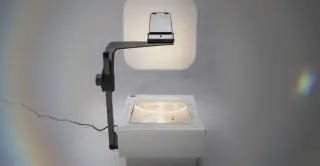
The Verge’s latest Version History episode explores how the overhead projector, initially developed for military use, transformed classroom dynamics by allowing teachers to face students while presenting. The discussion, hosted by David Pierce with guests Jake Kastrenakes and Stanford professor Antero Garcia, examines the device’s adoption, its impact on learning, and why it has been largely replaced by modern digital tools like smart boards and computer screens.
OpenAI has published 722 manuscripts containing solutions to hundreds of open mathematical problems, generated by an unreleased internal model. While the release includes reasoning summaries and compute estimates, it lacks specific prompts, drawing criticism from the Advisory Group on Mathematics and Artificial Intelligence (AGMAI). The move follows a controversial Navier-Stokes breakthrough and raises questions about the speed of AI-driven research versus academic rigor.
The Verge’s Allison Johnson reviews the Peak Design crossbody phone strap, highlighting its popularity among younger demographics and Europeans. While the accessory offers convenience for tap-to-pay and quick access, Johnson notes practical downsides, including the risk of losing a $700 device and the awkwardness of using a phone flashlight in dim venues. The review questions whether the strap’s aesthetic appeal justifies its functional limitations.
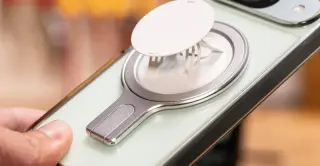
The Verge’s Sean Hollister reports that OhSnap’s $50 Snap Grip Stand is the first magnetic phone accessory he has kept attached permanently. The 3.7mm thin device features a double-sided magnetic ring and a fold-out hinge that allows the phone to stand vertically without removing the grip. Hollister notes that while the device is pricey, its aluminum construction and versatile grip mechanism finally resolve the flaws he found in previous models.
Musician Tom Vek has released a new, smaller version of the Sleevenote digital music player, priced at $349 for the final 'Day One Edition.' The device, inspired by vinyl packaging, aims to provide an offline listening experience that prioritizes digital purchasing over retro formats like CDs and cassettes.
Insider Gaming reports that, despite significant layoffs at id Software, a new DOOM game is already in early development, with Tom Warren of The Verge confirming ongoing work and suggesting the series will continue with more DOOM content beyond the Revelations DLC.
Penske Media Corporation has acquired Vox Media’s remaining brands, including Eater, The Verge, SB Nation, Thrillist, Popsugar, The Dodo and Punch, uniting them with PMC’s portfolio (The Hollywood Reporter, Rolling Stone, Billboard, Variety, etc.) to form the world’s largest digital publisher. The deal concludes Vox’s multi-year asset sale, with PMX led by Jay Penske and executives like Ryan Pauley (president), Tom Finn (COO) and Ken Delalcazar (CFO) stepping into roles. Earlier in 2026, Vox sold New York and its Vox assets to James Murdoch’s Lupa Systems, marking the broader shift of Vox’s assets into Penske’s fold.
Live tests of Google's Gemini Spark largely validate its on‑stage demos, including drafting an email and pulling data from Drive; with Apple planning to power Siri via Apple Intelligence, the results imply Apple may realize its promised features using similar technology, though results are not perfect.
The Verge’s Installer No. 123 spotlights The Audacity, a new show that parodies tech bros, while also highlighting Artemis II photos, Star Wars and Pokémon updates, plus a crowdsourced roundup of favorites from the installer community and Tom Hitchins’ homescreen feature.