Tag

Thermoregulation

All articles tagged with #thermoregulation

Florida crocodiles start basking on boats as habitat shifts
science19 days ago

Florida crocodiles start basking on boats as habitat shifts

Researchers tracking American crocodiles in Broward County have documented them sunning on docks, kayaks, and even jet skis, a thermoregulatory behavior that arises as their natural habitat is disturbed. Sun exposure helps regulate body temperature and may influence parasite dynamics, illustrating how urbanization is pushing crocodiles to use human structures for basking to survive.

The Chill Switch: How Some Animals Control Body Heat to Weather Extremes
animals1 month ago

The Chill Switch: How Some Animals Control Body Heat to Weather Extremes

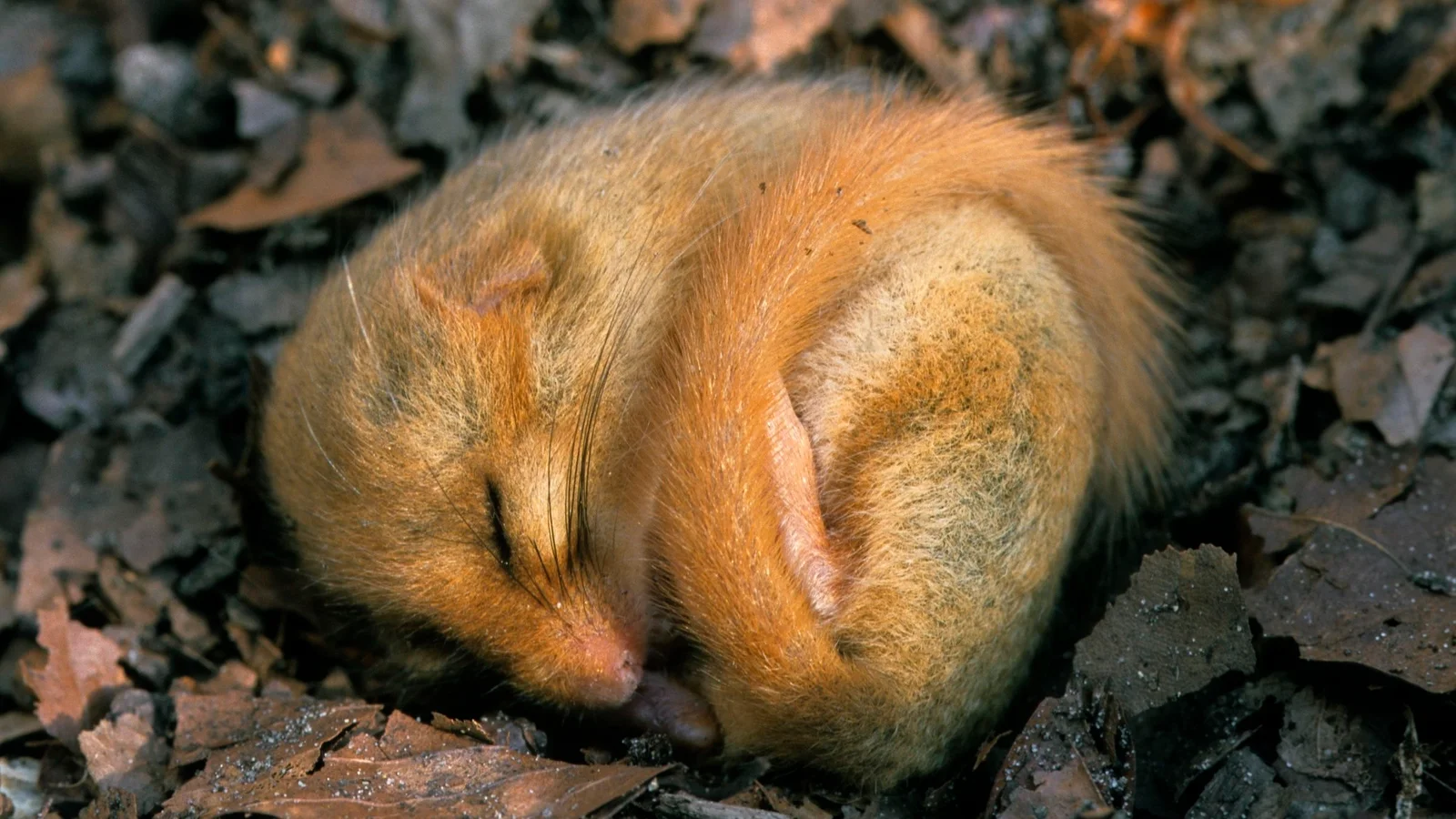
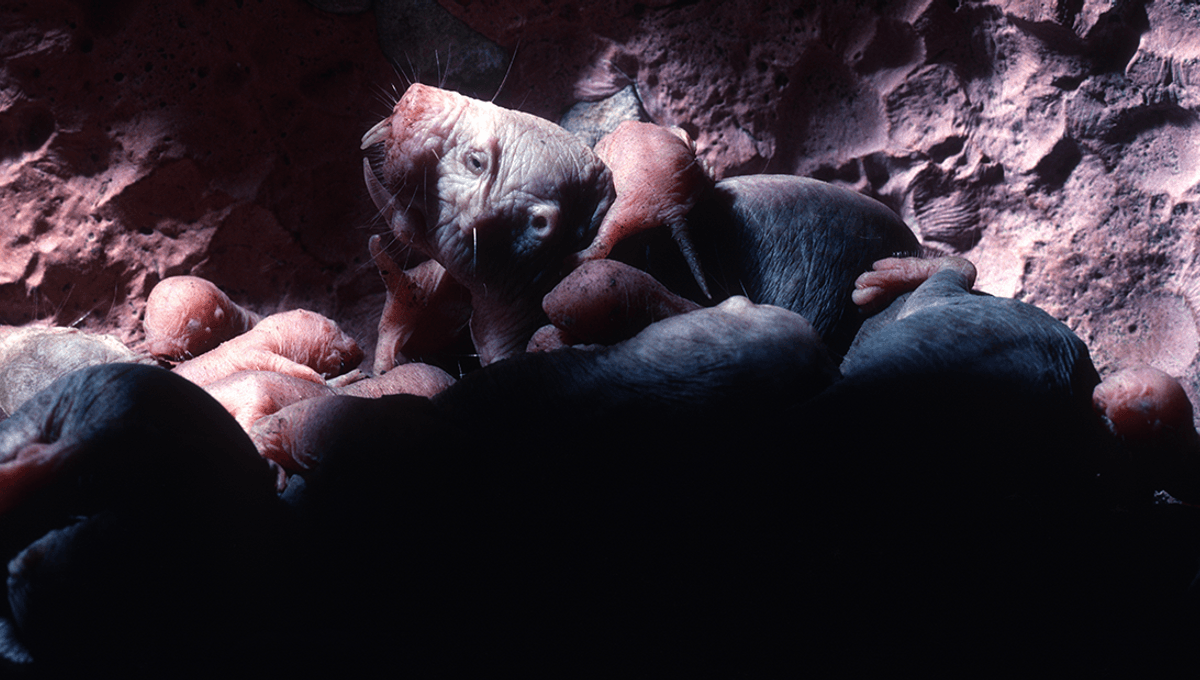
Some mammals and birds can deliberately alter their internal temperature through heterothermy, using short bouts of torpor or longer hibernation to conserve energy and water during harsh weather, predators, or food shortages. Studies highlight bats, sugar gliders, dormice, and other species adjusting torpor in response to wind, rain, predators, and even moon phase, showing a flexible survival strategy beyond normal body temperature control. This helps them endure variability, though it isn’t a foolproof shield against climate change.

"The Science Behind Women Feeling Colder Than Men"
science-and-health2 years ago

"The Science Behind Women Feeling Colder Than Men"

Research shows that women tend to prefer warmer environments while men prefer cooler ones, with women being more sensitive to cold due to factors such as smaller body size, lower metabolic rate, and lower skin temperature. Hormonal changes, medical conditions, and other factors can also influence temperature sensitivity. Studies on birds and bats suggest that sex-related temperature preferences may have evolved to reduce resource competition and protect offspring.

"Introducing the Solar-Powered Wearable for Personal Climate Control"
science-and-technology2 years ago

"Introducing the Solar-Powered Wearable for Personal Climate Control"

Researchers led by Ziyuan Wang have developed a flexible, solar-powered device that can be integrated into clothing to regulate body temperature by heating or cooling the skin. The device combines a solar cell with an electrocaloric material, which changes temperature when exposed to an electric field. It operates continuously for 24 hours, recharges with sunlight, and can switch between heating and cooling modes. This innovation could be particularly beneficial for people working in extreme environments and astronauts in space.

Survival Tactics: Wild Animals' Ingenious Ways to Stay Cool
science-and-environment2 years ago

Survival Tactics: Wild Animals' Ingenious Ways to Stay Cool

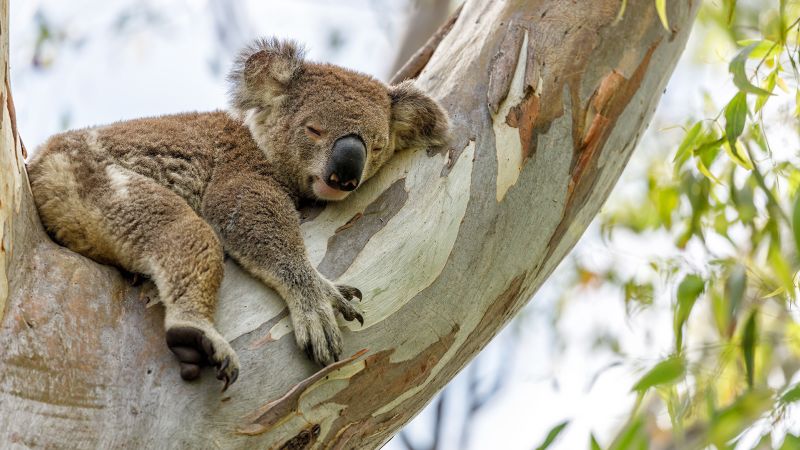
As temperatures rise due to climate change, animals are employing various tactics to beat the heat. Some species, like squirrels, engage in "splooting" or "heat dumping" by spreading out on cooler surfaces. Others are evolving different body shapes, such as larger beaks, legs, and ears, to better regulate their body temperatures. Red kangaroos use saliva to lower their body temperature, while echidnas blow snot bubbles to cool their blood. Storks excrete liquid onto their legs, and birds like pelicans and cormorants use "gular fluttering" to cause evaporation. Understanding these heat regulation methods can help predict how animals will respond to climate change.

Study Finds Correlation Between Brain Size and Yawning.
science3 years ago

Study Finds Correlation Between Brain Size and Yawning.

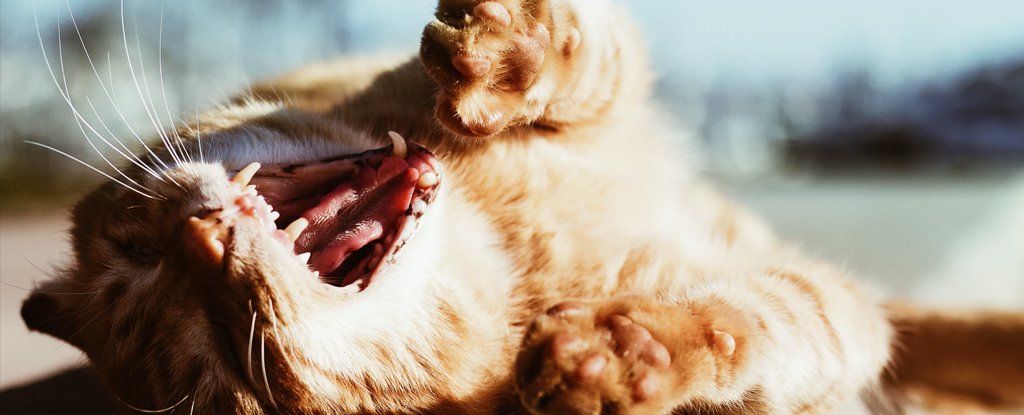
A large-scale animal study has found a correlation between brain size and the duration of yawning in vertebrates. The study collected data on 1,291 yawns from 55 mammal species and 46 bird species and found that animals with larger brains and more neurons tend to have longer-lasting yawns. The researchers suggest that yawning is an essential way of cooling down the brain, and bigger brains need longer yawns to properly cool them. The study could fill in some of the gaps in our knowledge about yawning, including why it happens in the first place and why animals such as giraffes have no need to bother with yawning at all.