Tag

Triple Negative Breast Cancer

All articles tagged with #triple negative breast cancer

Asthma Drug Montelukast May Boost Immunotherapy Against Aggressive Cancers
health6 days ago

Asthma Drug Montelukast May Boost Immunotherapy Against Aggressive Cancers

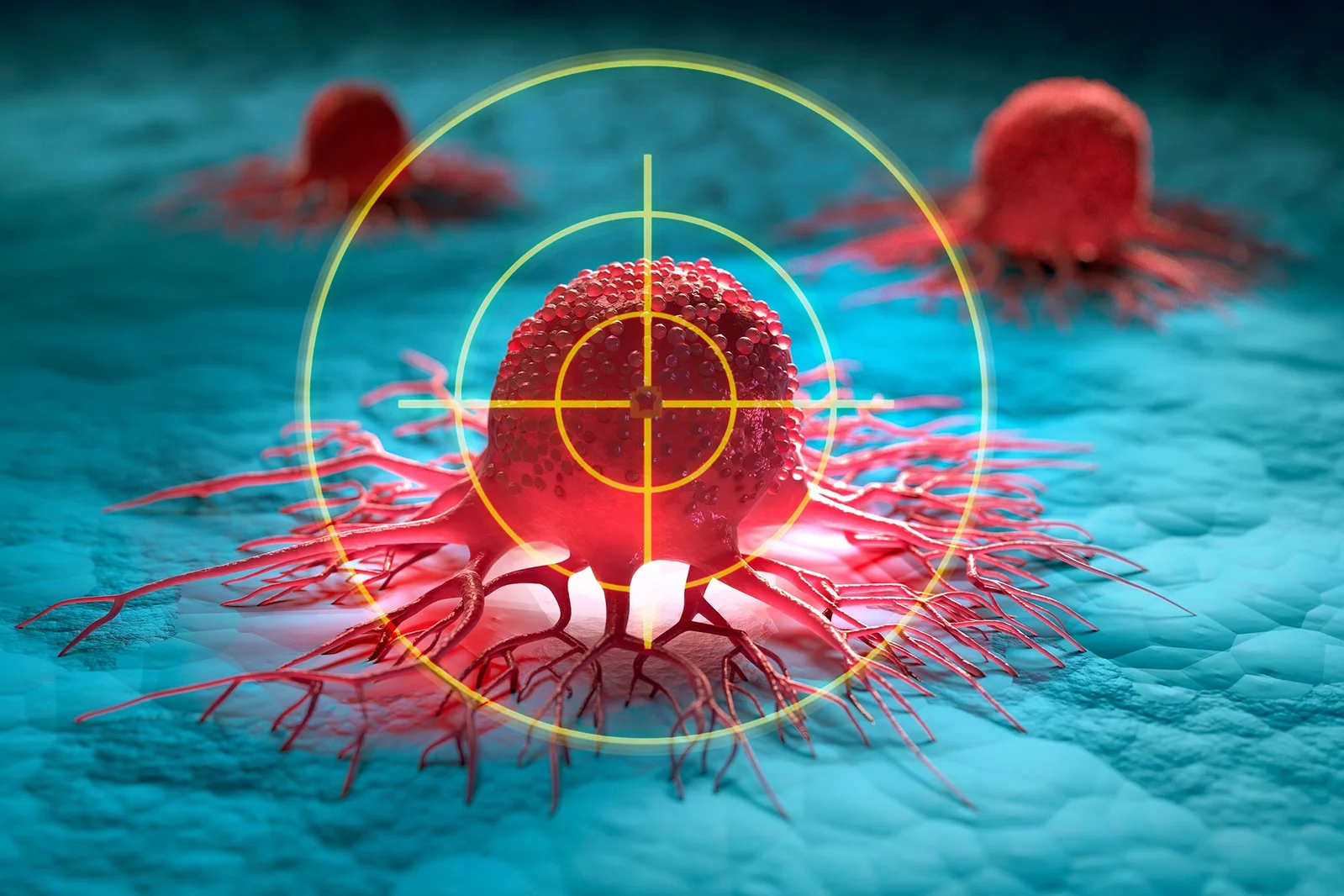
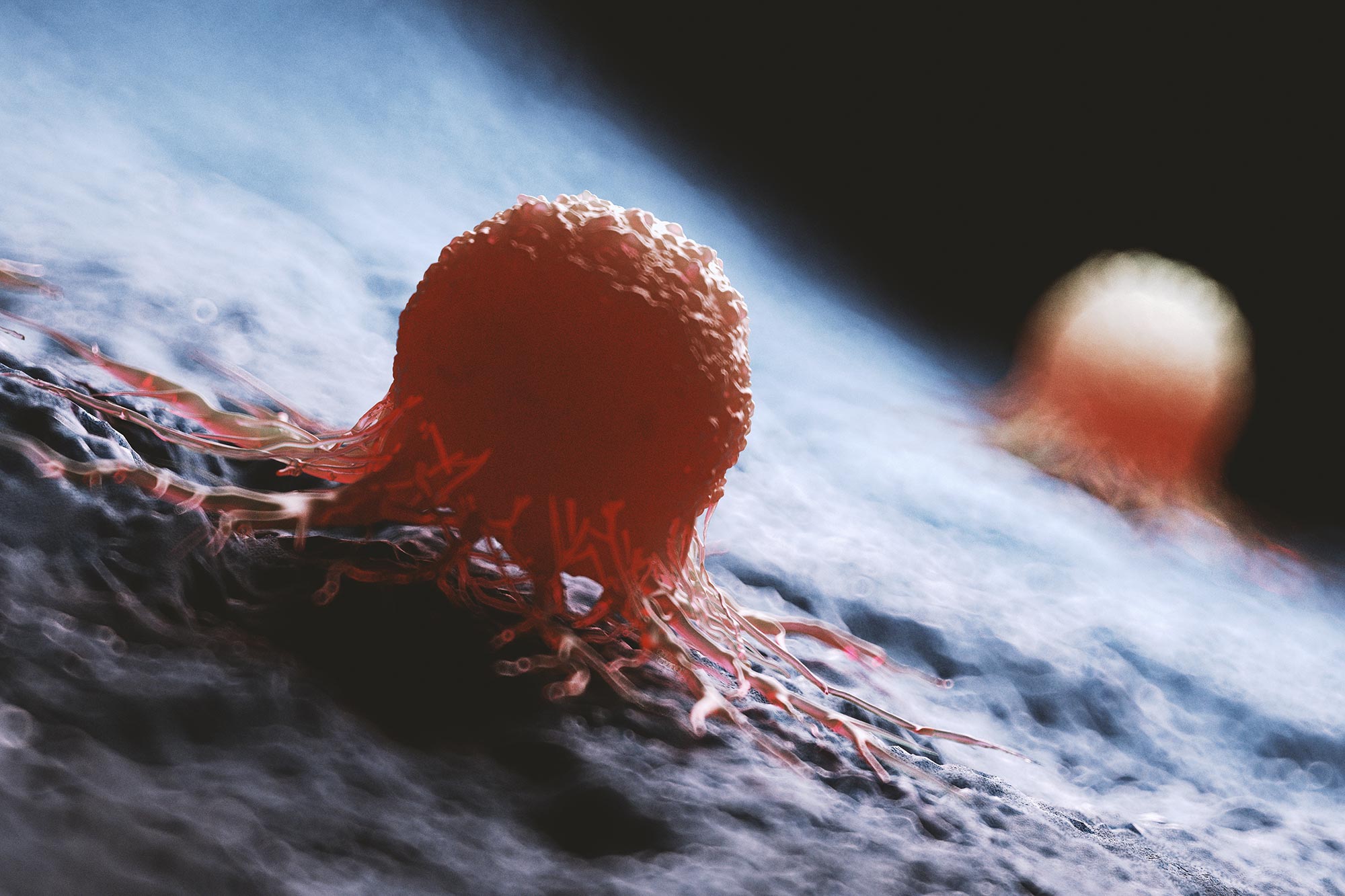
A Northwestern University study finds that montelukast, an FDA-approved asthma drug that blocks CysLTR1, can reprogram pro-tumor neutrophils and slow tumor growth in mice and human tumor samples, improving immunotherapy responses across several cancers, including triple-negative breast cancer—potentially fast-tracked to trials since the drug is already approved.

TNBC’s heterogeneity mapped: four cancer archetypes and eight tissue ecotypes forecast chemo response
health17 days ago

TNBC’s heterogeneity mapped: four cancer archetypes and eight tissue ecotypes forecast chemo response

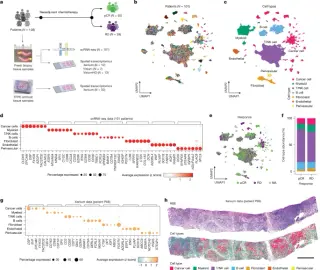
A large single‑cell and spatial transcriptomics study of pretreatment TNBC identifies four cancer-cell archetypes and eight ecotypes defined by cancer cells and the tumor microenvironment, reveals macrophage and interferon‑related programs linked to better neoadjuvant chemotherapy response, and provides cell-state– and gene-based classifiers (including a 13‑gene panel) to predict pathological complete response, offering new insight into TNBC heterogeneity and potential immune targets such as LAG3 and HAVCR2.

Cherry compounds slow aggressive breast cancer in mice, study finds
science2 months ago

Cherry compounds slow aggressive breast cancer in mice, study finds

Texas A&M researchers report that anthocyanins in dark sweet cherries slowed tumor growth and reduced metastasis in a mouse model of triple-negative breast cancer. In a four-group setup (cherry extract before tumors, chemotherapy after tumors, both, or neither), mice given cherry extract showed slower tumor growth and maintained weight, with the strongest effects when exposed before tumor implantation. The findings are preclinical and require human studies to determine relevance to people with this aggressive breast cancer subtype.

Plant Compound DHL-11 Targets IMPDH2 to Halt Triple-Negative Breast Cancer
science2 months ago

Plant Compound DHL-11 Targets IMPDH2 to Halt Triple-Negative Breast Cancer

A plant-derived limonoid named DHL-11, isolated from Munronia henryi, binds a non-catalytic pocket on IMPDH2 to trigger its degradation, reduce GMP synthesis, elevate ROS and DNA damage, and induce G2/M arrest and apoptosis in triple-negative breast cancer cells. The compound also suppressed growth and metastasis in patient-derived organoids and in vivo TNBC models, marking it as a promising IMPDH2-targeted therapy for IMPDH2-positive tumors.

Canine Instinct Leads to Lifesaving Breast Cancer Diagnosis
health3 months ago

Canine Instinct Leads to Lifesaving Breast Cancer Diagnosis

A North Carolina woman credits her dog, Ceto, with saving her life after the dog’s anxious behavior and nudging of her breast led to a breast cancer diagnosis. She was diagnosed with triple-negative breast cancer, underwent chemotherapy, radiotherapy, a lumpectomy and lymph node removal, and is now cancer-free while participating in a Cleveland Clinic trial for a preventive breast cancer vaccine.

Affordable Heart Medication Shows Promise in Combating Aggressive Breast Cancer
health9 months ago

Affordable Heart Medication Shows Promise in Combating Aggressive Breast Cancer

Research from Monash University suggests that cheap blood pressure drugs called beta blockers may help slow the progression of aggressive triple-negative breast cancer by inhibiting a gene called HOXC12, potentially offering a low-cost treatment option. Further studies are needed to confirm if this approach can be used at diagnosis to identify patients who would benefit from beta blocker therapy.

"Revolutionary Drug Halts Aggressive Breast Cancer Growth"
health-medicine2 years ago

"Revolutionary Drug Halts Aggressive Breast Cancer Growth"

Scientists in Australia have developed a new oral drug, CDDD11-8, which shows promise in halting the growth of aggressive triple-negative breast cancer by selectively inhibiting the CDK9 pathway that cancerous cells rely on for survival and growth. Unlike chemotherapy, this drug targets only cancerous cells within breast tissue and metastatic lesions, showing potential for improved survival rates without toxic side effects on healthy cells. The drug has demonstrated success in animal models and patient-derived breast cancer tissue, offering hope for a new targeted treatment option for this deadly form of breast cancer.

"Promising Breast Cancer Vaccine Offers Hope for Aggressive Form of the Disease"
health2 years ago

"Promising Breast Cancer Vaccine Offers Hope for Aggressive Form of the Disease"

Anixa Biosciences is developing a potentially game-changing vaccine that could prevent the recurrence of the most aggressive form of breast cancer, triple-negative breast cancer. The vaccine, developed by the late Dr. Vincent Tuohy, is currently being tested on women diagnosed with this type of breast cancer. If successful, the vaccine could hit the market within the next five years. The team has received FDA approval to begin human testing in 2021 and is currently conducting a trial with promising results. The goal is to eventually test the vaccine on women with other types of breast cancer and explore its potential for cancer prevention in those who have never had the disease.

Promising Breakthrough: Vaccine Shows Potential in Treating Aggressive Breast Cancer
health2 years ago

Promising Breakthrough: Vaccine Shows Potential in Treating Aggressive Breast Cancer

Scientists have made a major breakthrough in treating Triple Negative Breast Cancer (TNBC), an aggressive form of breast cancer, by developing a vaccine that targets the cancer cells. The vaccine successfully produced a T Cell Immune response in patients during trials and showed minimal side effects. Researchers are now looking to further study the treatment to potentially prevent more severe treatments like mastectomies and to address the unmet need for targeted treatment options for TNBC.

Promising Results: Breakthrough Breast Cancer Vaccine Shows Good Response in Clinical Trials
health2 years ago

Promising Results: Breakthrough Breast Cancer Vaccine Shows Good Response in Clinical Trials

A vaccine targeting triple-negative breast cancer has shown promising results in its first clinical trial, with no side effects and a 75% immune response rate in patients. The vaccine, developed by Anixa Biosciences, targets a lactation protein called α-lactalbumin found in the majority of triple-negative breast cancer patients. The vaccine aims to prevent the recurrence of this aggressive form of cancer in those who have already been treated and may also be used to treat tumors in women who have not yet undergone treatment. Further research is needed, but the vaccine could potentially be available within the next five years.

Promising Breast Cancer Vaccine Shows Potential in Clinical Trials
health2 years ago

Promising Breast Cancer Vaccine Shows Potential in Clinical Trials

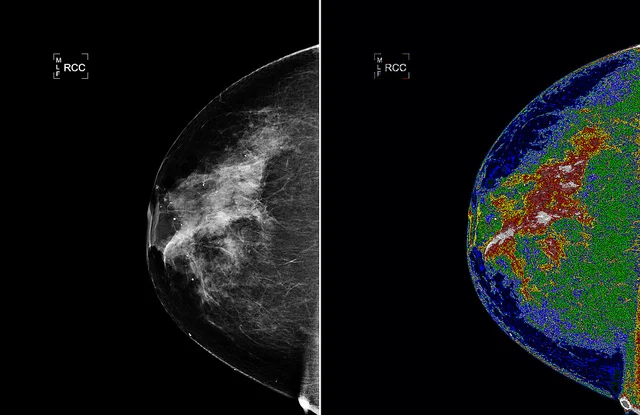
A Phase 1 clinical trial of a vaccine targeting triple negative breast cancer (TNBC), an aggressive and difficult-to-treat form of breast cancer, has shown promising results. The trial involved 16 patients who received three doses of the vaccine, with the majority developing a strong immune response and experiencing no major side effects. TNBC lacks receptors for progesterone, estrogen, and the HER2 protein, making it resistant to traditional breast cancer treatments. The vaccine targets a protein called α-lactalbumin, which is present in most TNBC tumors. Further trials are planned to test the vaccine in combination with an immunotherapy drug and to assess its safety in high-risk patients.

"Promising Breast Cancer Vaccine Enters Early Clinical Trials: Key Facts"
health2 years ago

"Promising Breast Cancer Vaccine Enters Early Clinical Trials: Key Facts"

A new vaccine targeting triple-negative breast cancer is showing promise in early clinical trials, with no significant side effects and a good immune response observed in 75% of patients. The vaccine, developed by Anixa Biosciences, aims to direct the immune system to destroy TNBC cancer cells through a unique mechanism. The Phase 1 trial involved 16 women who received three vaccinations, and the next phase will focus on preventing the onset of triple-negative breast cancer. While the vaccine is a promising development, it may take around five years before it becomes available to the general public.