Tag

Single Cell Sequencing

All articles tagged with #single cell sequencing

TNBC’s heterogeneity mapped: four cancer archetypes and eight tissue ecotypes forecast chemo response
health17 days ago

TNBC’s heterogeneity mapped: four cancer archetypes and eight tissue ecotypes forecast chemo response

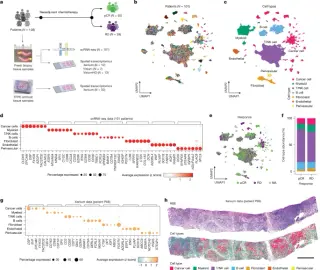
A large single‑cell and spatial transcriptomics study of pretreatment TNBC identifies four cancer-cell archetypes and eight ecotypes defined by cancer cells and the tumor microenvironment, reveals macrophage and interferon‑related programs linked to better neoadjuvant chemotherapy response, and provides cell-state– and gene-based classifiers (including a 13‑gene panel) to predict pathological complete response, offering new insight into TNBC heterogeneity and potential immune targets such as LAG3 and HAVCR2.
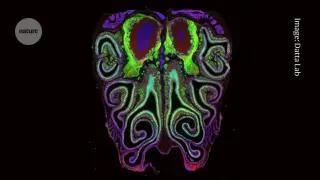
Nose maps reveal striped blueprint for scent receptors
neuroscience1 month ago

Nose maps reveal striped blueprint for scent receptors

Detailed maps of mouse olfactory receptors show ~1,100 receptors arranged in horizontal stripes across the nasal epithelium, overturning the long-held zonal model. Using single-cell sequencing and spatial transcriptomics on millions of neurons, researchers linked each receptor to a specific nose position and uncovered a retinoic acid gradient that guides development. A companion study adds an atlas of receptor expression and neural connections to the olfactory bulb, advancing the nose-to-brain map of smell.

New cell types and molecular features discovered in cochlea cell atlas through single-cell sequencing.
science2 years ago

New cell types and molecular features discovered in cochlea cell atlas through single-cell sequencing.

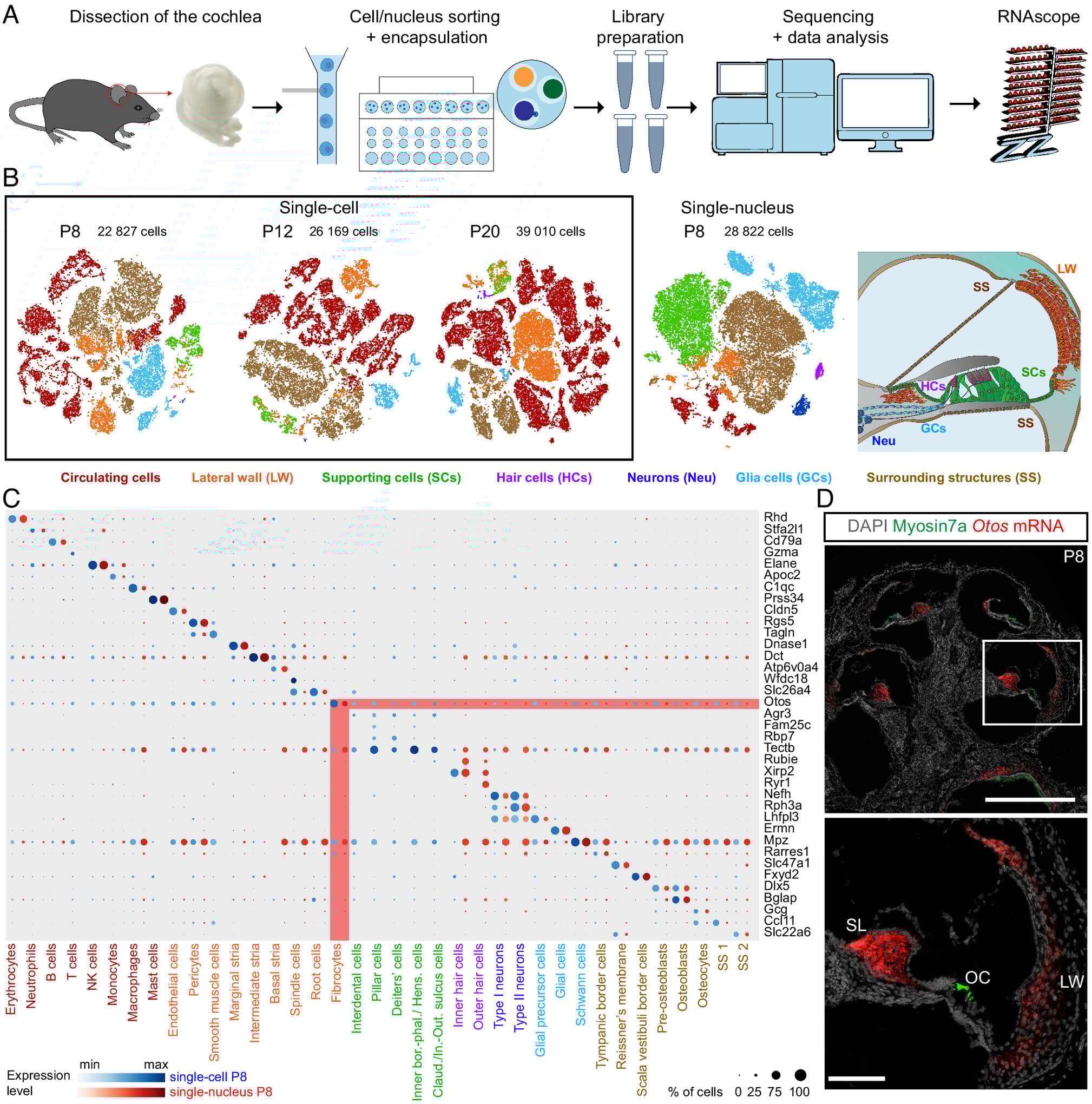
Researchers at the Pasteur Institute in France have created a comprehensive transcriptomic atlas of the mouse cochlea using single-cell sequencing, identifying nearly all cochlear cell types and discovering three previously unknown cell types. The study sheds light on the molecular basis of the tonotopic gradient of the basilar membrane's biophysical characteristics and reveals the expression of deafness genes in several cochlear cell types. The atlas will be useful for finding overlooked cochlear cells affected by particular deficits and may reveal causal sources for deafness of unknown origin.