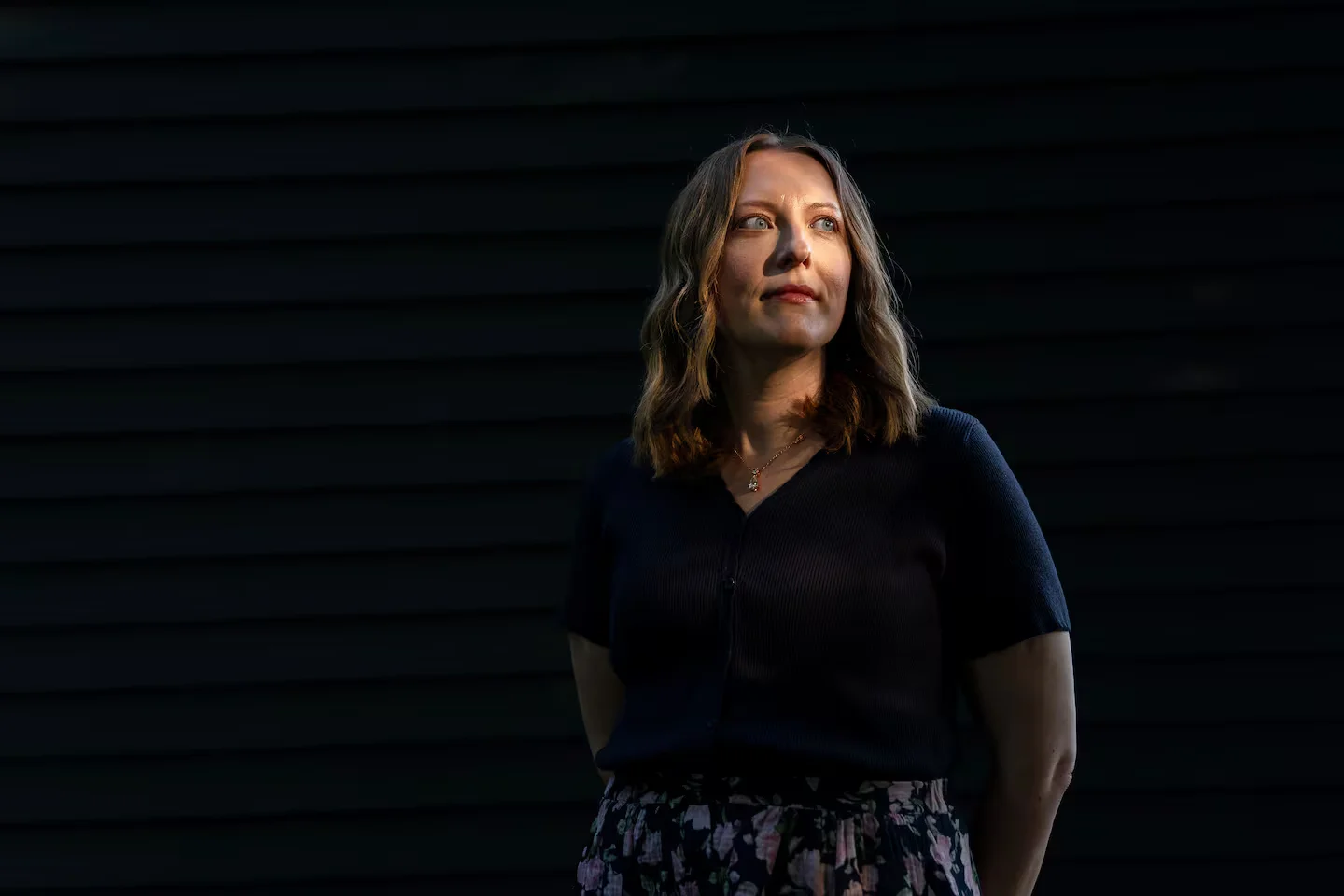
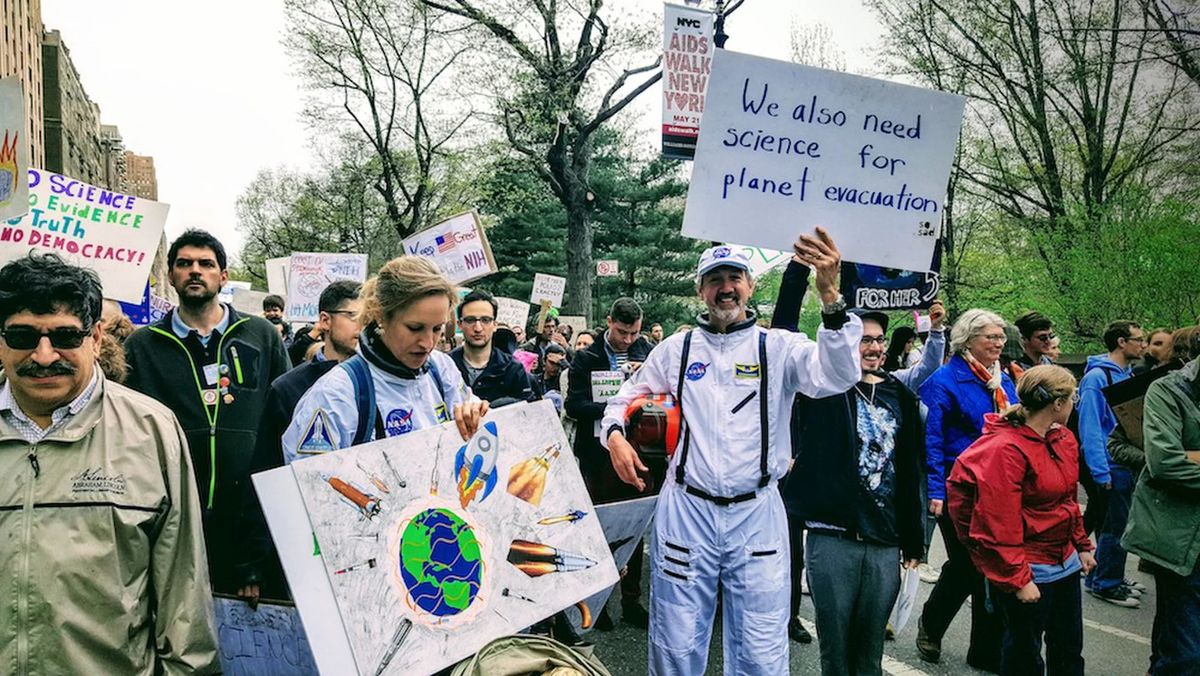
Elisabeth (Liz) Marnik grew up in an anti-science, anti-vaccine household, but at 23 she chose to get vaccinated and later became a Ph.D. scientist and public health communicator who now leads The Evidence Collective, championing evidence-based science and empathy to counter distrust in science.
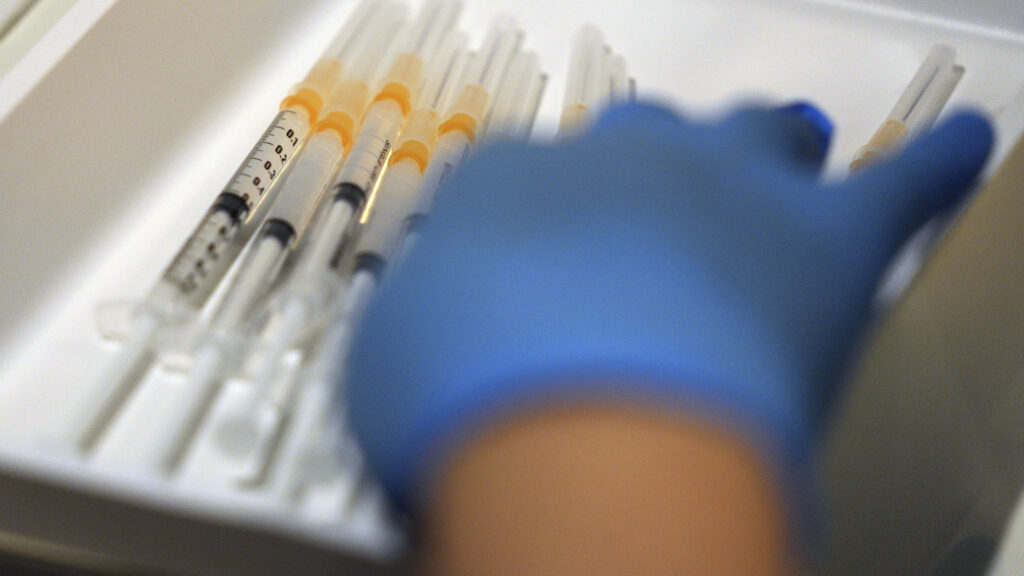
A scientist argues that Trump’s executive order to split routine childhood vaccines and favor separate doses is not evidence-based, could reduce vaccination coverage, fuel preventable outbreaks like measles, and erode trust in science—with consequences that spill over globally as nations rely on U.S. vaccination guidance and supply chains. The piece contrasts this with ongoing vaccine development for diseases lacking licensed vaccines, underscoring the need to strengthen, not hollow, public-health protections.
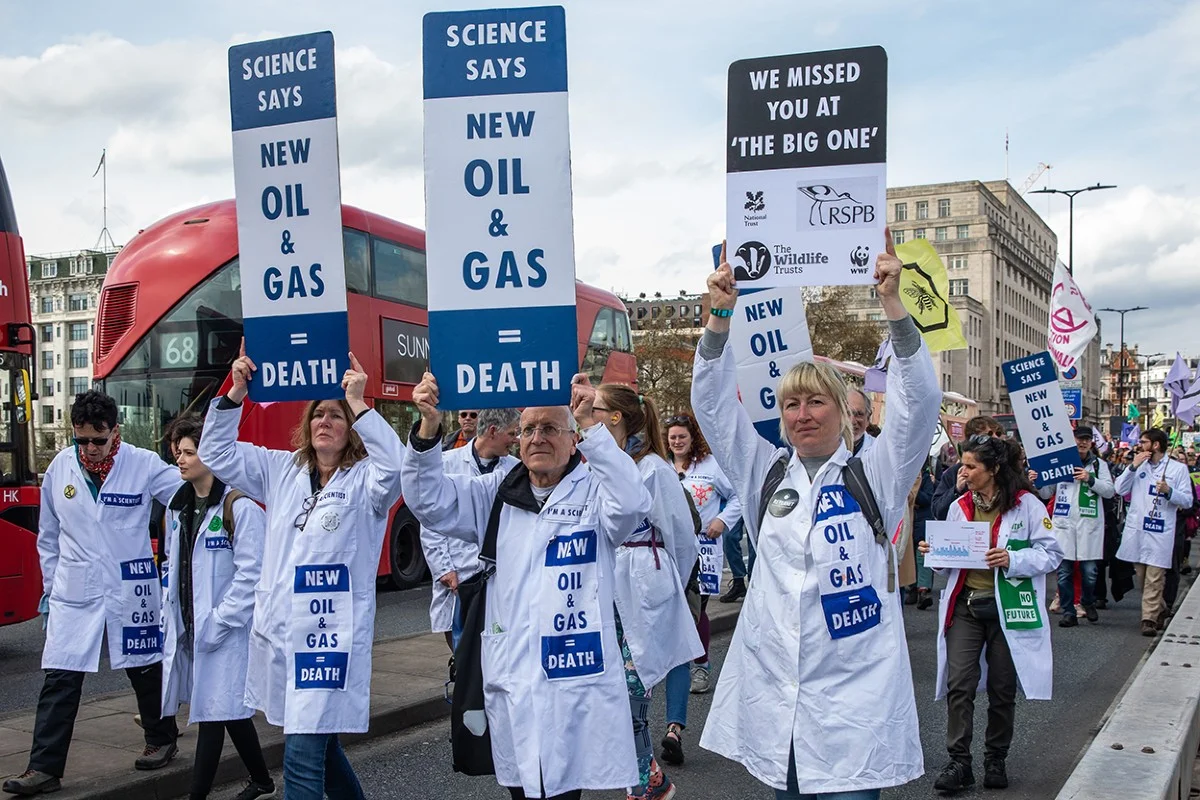
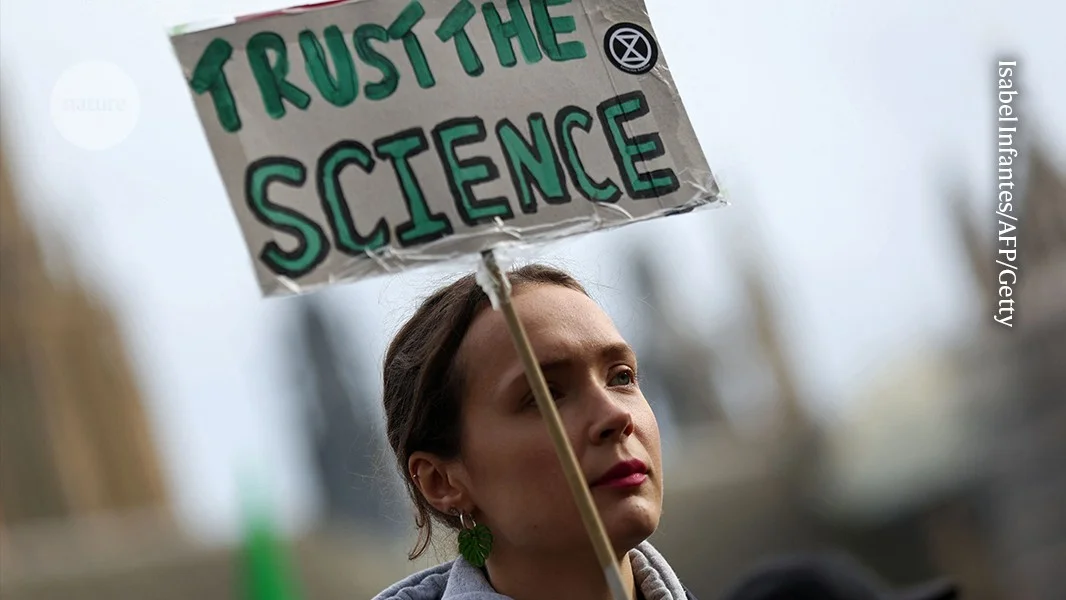
UK data show trust in science remains relatively high but fragile and uneven across ideological groups; perceived bias—often linked to COVID-19—can erode confidence. The author argues scientists should recognise their own political biases and follow six public‑facing practices to put people at the heart of science and policy, thereby sustaining trust in science.
A Nature feature finds that global trust in science remains moderately high overall (about 3.6/5 across 68 countries), but confidence varies by region and has declined among certain US groups and politically conservative audiences. The COVID-19 era amplified misinformation and skepticism, yet surveys show scientists are among the most trusted professions. Experts warn that politicization and online information noise threaten support for evidence-based policies and health decisions, and call for scientists to acknowledge their biases and engage the public to rebuild trust.
The piece argues that trust in science is not collapsing globally; surveys show middling to high trust, but confidence varies by country and group, with political polarization, perceived elitism, and rising vaccine hesitancy. It urges nuanced measures of trust, transparent communication about uncertainties, and greater public involvement in research priorities to address concerns and strengthen science’s link to society.
AI-made scientific images can look convincingly real, challenging journals and the public to tell them apart and risking a broader crisis of trust in science. High-profile cases—AI-generated figures in 2024 papers and an AI-modified image triggering a 2026 NEJM retraction—show how detectors can lag behind image creation. As visual credibility has long rested on provenance, institutional authority, and alignment with observed data, generative AI erodes those cues. The path forward is transparency: clear disclosure of image provenance (AI-generated or not), explicit explanations of what the image represents, verification and reproducibility details, and cross-field standards for image integrity. Ultimately, public trust depends on documenting the link between visuals and verifiable scientific reality, not on sleek visuals alone.
The article critiques the failures and misinformation during the COVID pandemic, highlighting how scientific evidence was ignored, models were flawed, and trust in institutions was shattered, leaving society disoriented and skeptical of official narratives.
A study by Byron Hyde suggests that honesty about scientific failures can decrease public trust, but the solution is not to lie; instead, improving public understanding of science's imperfect nature and normalizing mistakes can foster trust. Hyde emphasizes that overidealizing scientists leads to unrealistic expectations, and better science education is needed to address this issue.
Leaders of five major U.S. medical associations emphasize the safety and effectiveness of vaccines, warning against misinformation and politicization that threaten public health, and pledge to continue advocating for immunizations to prevent disease outbreaks and protect communities.
Health misinformation, particularly regarding vaccines, is rampant on social media platforms, leading to a decline in vaccine confidence and the spread of false claims. This misinformation has resulted in significant costs, including preventable deaths and economic losses. The rise of health misinformation can be attributed to declining trust in science and government, as well as the way social media algorithms curate content and limit exposure to diverse perspectives. To combat health misinformation, consumers are advised to check the credibility of sources, examine author credentials, pay attention to the date of information, cross-reference scientific consensus, question sensational claims, prioritize scientific evidence over anecdotes, consult healthcare professionals, and refrain from sharing unverified claims.
In an era of declining trust in science, scientists must change their approach to regain public trust and secure funding. The decrease in funding for scientific research has led to dysfunctional relationships within the scientific community, affecting collaboration, career prospects, and science communication. To rebuild trust, scientists should prioritize long-term research plans over excessive publishing, offer more high-risk/high-reward programs, reduce the number of short-term postgraduate positions, and improve science communication through training and direct engagement with the public. These efforts can help restore trust, secure funding, and ensure the future of science.