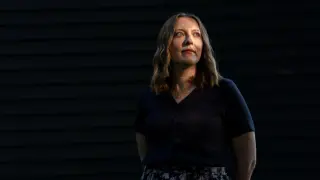
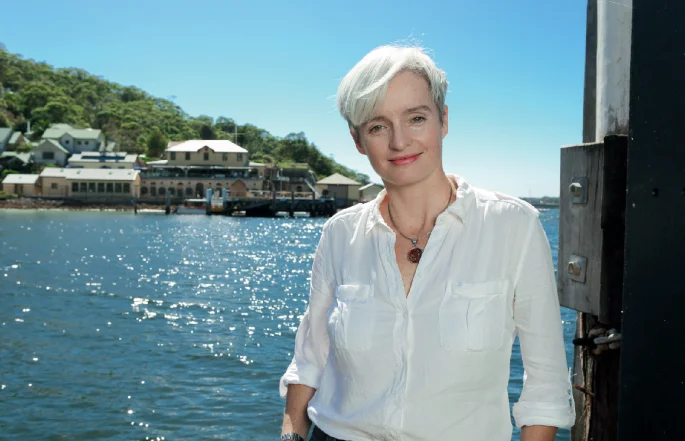
Elisabeth (Liz) Marnik grew up in an anti-science, anti-vaccine household, but at 23 she chose to get vaccinated and later became a Ph.D. scientist and public health communicator who now leads The Evidence Collective, championing evidence-based science and empathy to counter distrust in science.
Raised in an anti-vaccine evangelical home, Elisabeth (Liz) Marnik reversed course to become a Ph.D. immunologist who now leads The Evidence Collective, using personal storytelling and empathetic dialogue to counter vaccine misinformation and promote evidence-based public health.
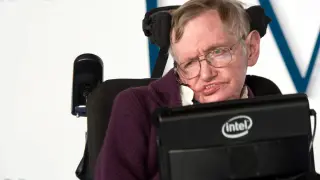
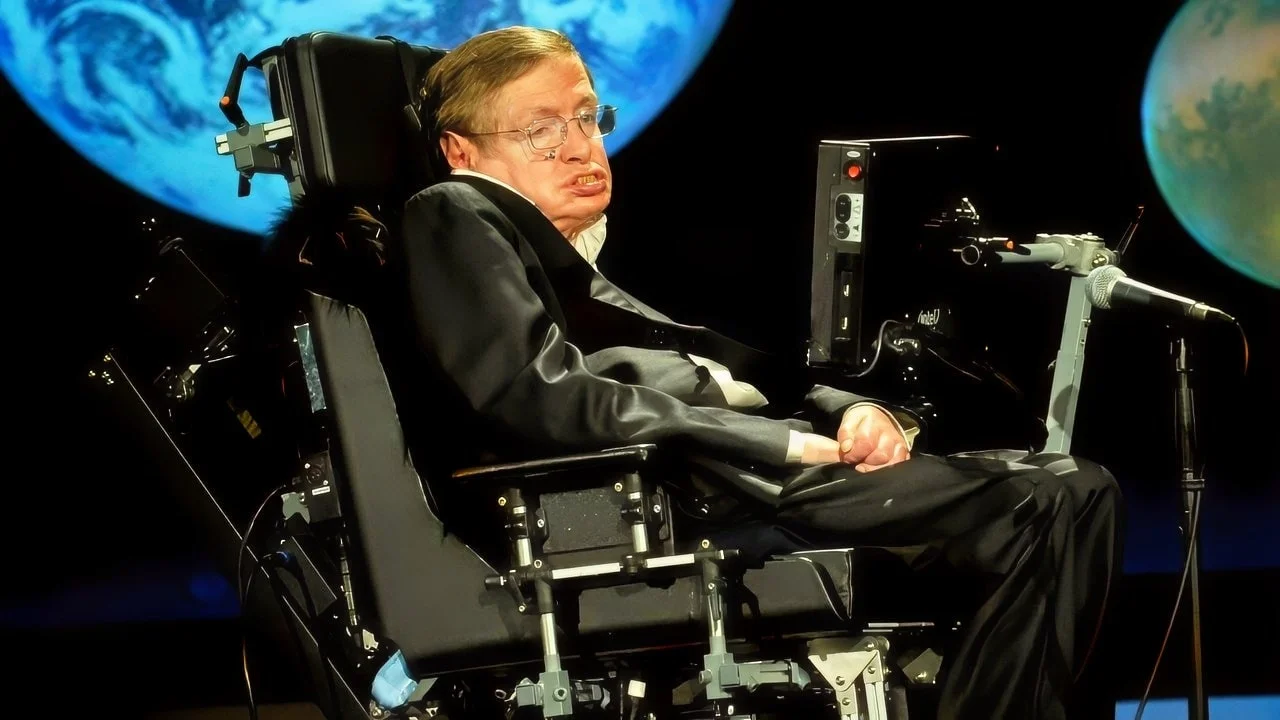
British physicist Stephen Hawking, famed for Hawking radiation and popularizing cosmology and black hole physics, died in 2018 after living for decades with ALS. The article traces his career from Cambridge's Lucasian Professorship to bestselling works like A Brief History of Time, his pop culture presence, and the enduring message that life is brief but collective scientific progress can illuminate the universe.
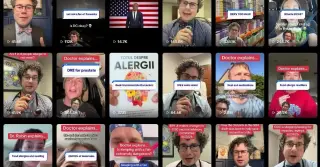
A Verge interview/profile of Dr. Zachary Rubin, a pediatric allergist/immunologist who uses TikTok, Instagram, and YouTube to counter health misinformation and empower viewers to think critically about health claims. He stresses that uncertainty is a strength of science and that misinformation spreads quickly online, posing a major challenge. Rubin aims to bring the doctor’s office discussions to a wider audience, drawing on his book All About Allergies and collaboration with fellow clinician Dr. Idrees Mughal, while urging improved scientific literacy and clearer, transparent communication from scientists to maintain public trust.
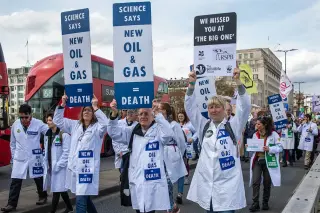
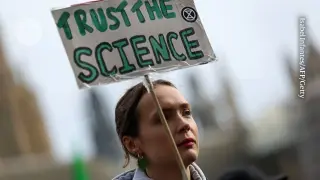
UK data show trust in science remains relatively high but fragile and uneven across ideological groups; perceived bias—often linked to COVID-19—can erode confidence. The author argues scientists should recognise their own political biases and follow six public‑facing practices to put people at the heart of science and policy, thereby sustaining trust in science.
The piece argues that trust in science is not collapsing globally; surveys show middling to high trust, but confidence varies by country and group, with political polarization, perceived elitism, and rising vaccine hesitancy. It urges nuanced measures of trust, transparent communication about uncertainties, and greater public involvement in research priorities to address concerns and strengthen science’s link to society.
AI-made scientific images can look convincingly real, challenging journals and the public to tell them apart and risking a broader crisis of trust in science. High-profile cases—AI-generated figures in 2024 papers and an AI-modified image triggering a 2026 NEJM retraction—show how detectors can lag behind image creation. As visual credibility has long rested on provenance, institutional authority, and alignment with observed data, generative AI erodes those cues. The path forward is transparency: clear disclosure of image provenance (AI-generated or not), explicit explanations of what the image represents, verification and reproducibility details, and cross-field standards for image integrity. Ultimately, public trust depends on documenting the link between visuals and verifiable scientific reality, not on sleek visuals alone.
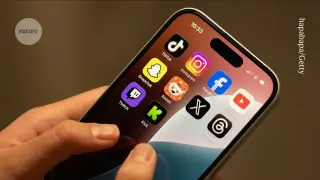
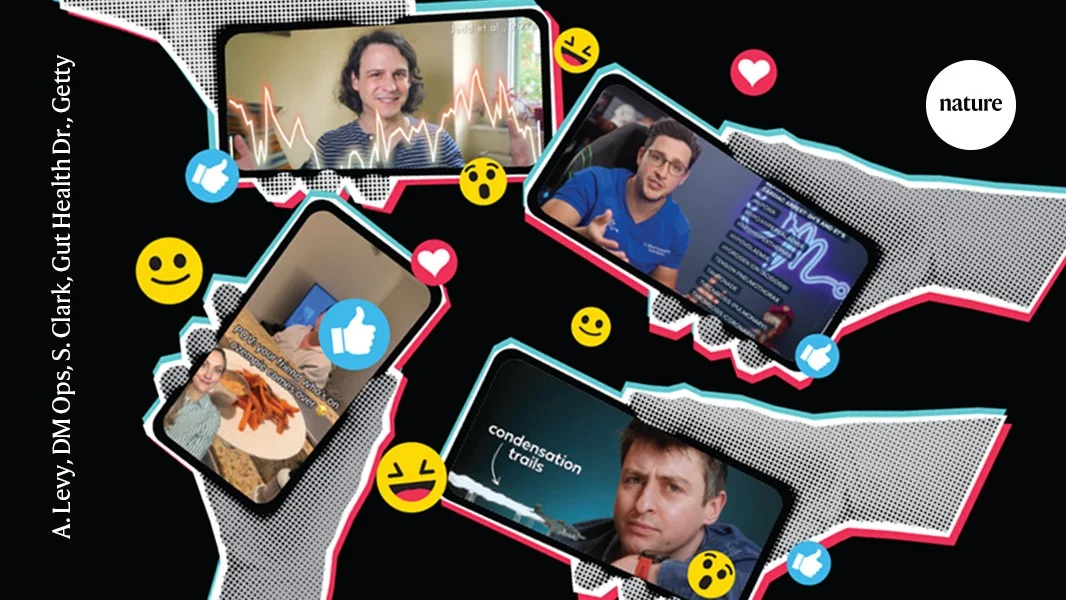
The piece argues that science communication must shift from text-heavy formats to short, video-first content on platforms like Instagram, TikTok and YouTube to reach younger audiences, as news models become faster and more visual. While this shift offers broad reach and engaging storytelling, it also raises concerns about misinformation and credibility. Researchers, science communicators, and platforms should collaborate to improve source transparency, conflict-of-interest handling, and platform policies. Nature has joined TikTok as a model, underscoring the need for credible science on social media.
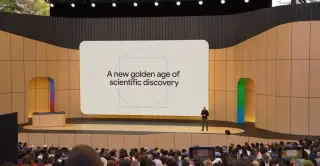
A Verge columnist argues that Demis Hassabis’ claim to 'solve all diseases' at Google I/O needs context: AI like Gemini for Science and AlphaFold can speed research, but real breakthroughs require long timelines, robust validation, and careful communication to avoid hype and misinformation.
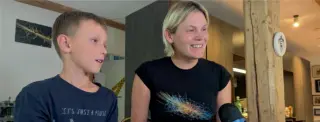
Nature Reviews Physics features Katia Moskvitch describing how she started a quantum-computing podcast with her child to make quantum ideas approachable for a young audience, using storytelling and simple explanations to boost science engagement and demonstrate the value of parent–scientist collaboration in education.
Emma Johnston (1973–2025) was a pioneering marine ecologist, renowned for her innovative research, exceptional science communication, and leadership in Australian higher education, mentoring researchers across institutions including UNSW, Macquarie University, and the University of Sydney.
Science researchers and clinicians are using TikTok, YouTube and Instagram to counter climate denial, vaccine skepticism and wellness pseudoscience by engaging audiences with credible, evidence-based content, relatable storytelling, and tactics like pre-bunking to outpace misinformation.
A Nature Careers column argues scientists can boost audience engagement by borrowing stagecraft from actors, comedians and musicians—start with a gripping opening, own the space, check tech in advance, vary pace and voice, use movement, and blend images, jokes and narrative to keep audiences informed, inspired, and more likely to collaborate.
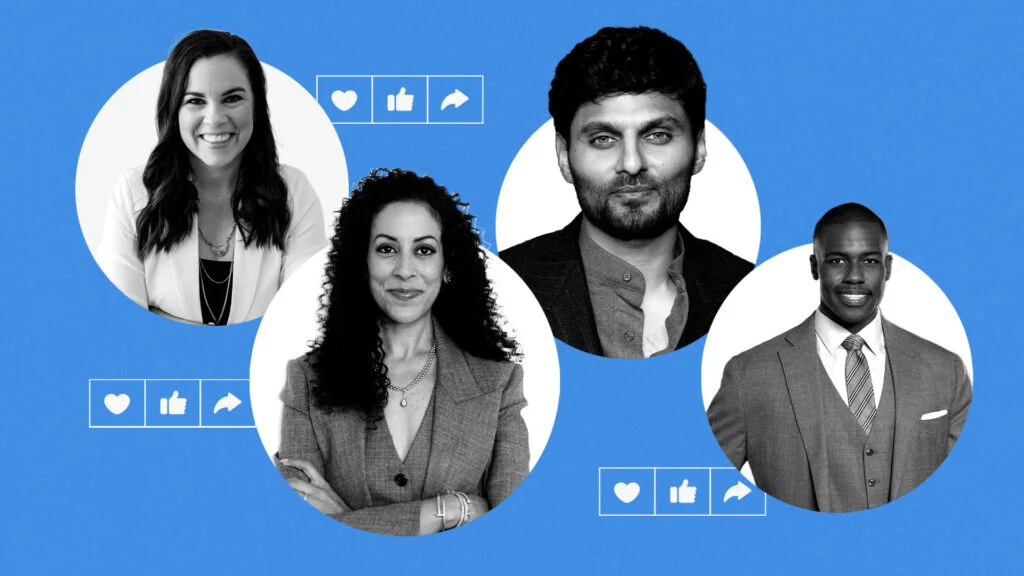
STAT spotlights nine major online health voices—ranging from credentialed scientists and physicians to non‑credentialed influencers—who increasingly shape public understanding of health with a mix of evidence, entertainment, and political messaging. The piece highlights the tension between credible, evidence-based health information and sponsorship-driven, pseudoscientific content, noting the MAHA movement’s reach and concerns that policy influence and online branding blur the line between education and advocacy.
Stephen Hawking’s famous line frames Earth as small and ordinary, yet humanity’s unique ability to understand the universe makes us special and capable of venturing beyond our planet. The article revisits his 1988 Der Spiegel quote, emphasizes space exploration as a potential path for human survival amid future crises (including climate threats), and underscores Hawking’s role as a public intellectual who brought complex cosmology to a broad audience.