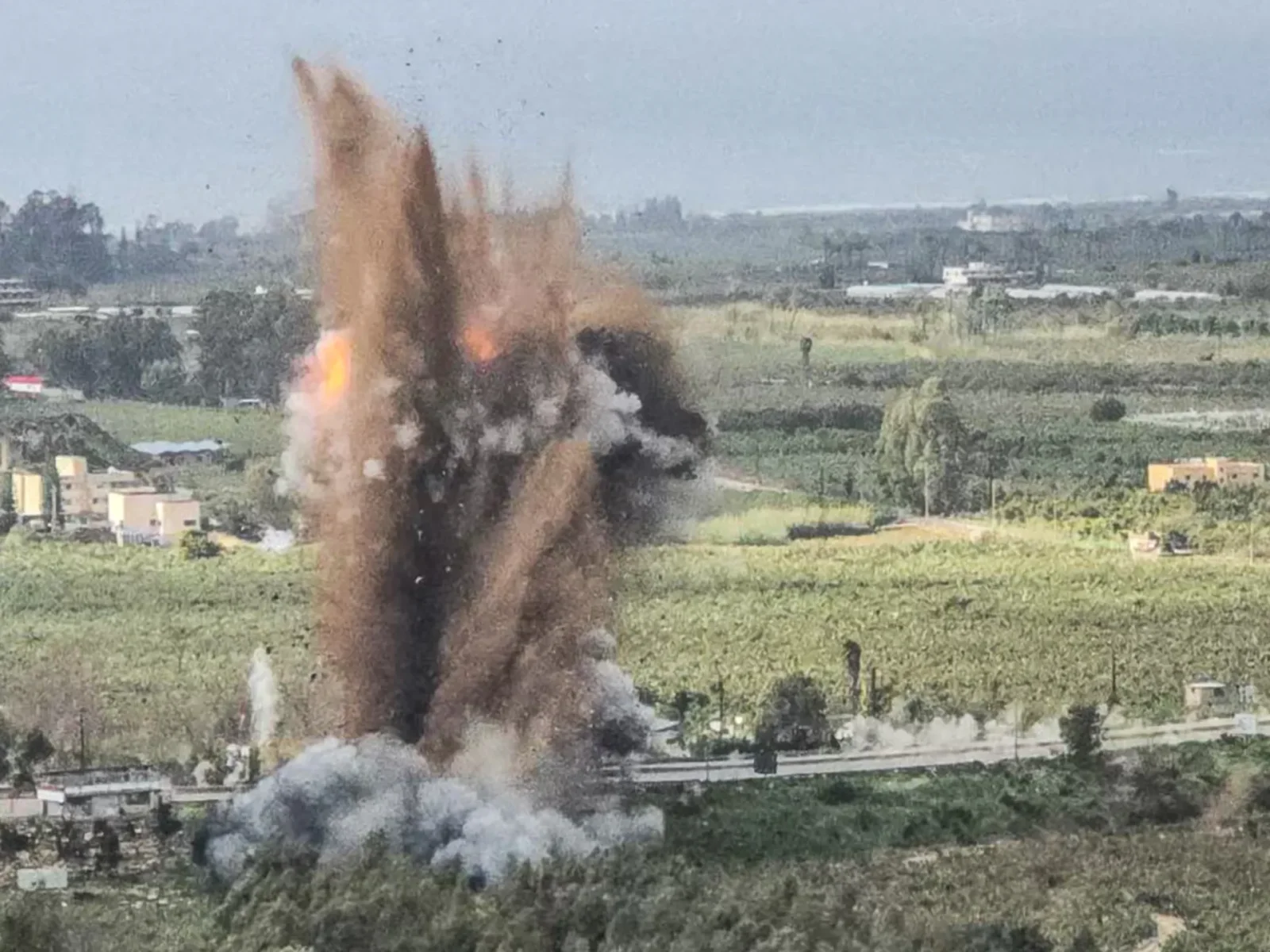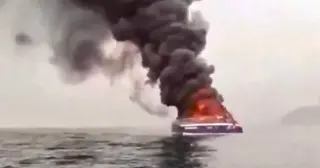
Iran has absorbed massive US-Israeli attacks that have degraded its military but it remains a stubborn regional foe. The country is still capable of strikes in the region, including actions linked to Al Udeid Air Base in Qatar and damage to facilities in Kuwait, signaling that while weakened, Iran shows resilience and willingness to retaliate against perceived adversaries.
ISW-CTP’s latest update chronicles a fast-escalating conflict: the US-Israel campaign claims thousands of targets hit since Feb. 28, with the IDF reporting 170 targets struck in the last 24 hours and claims of destroying over 80% of Iran’s air defenses, including strikes on defense-industrial sites that likely degrade missiles and drones. The United States says about 150 Iranian vessels have been destroyed; NATO air defenses intercepted an Iranian missile over Turkey. Iran and its proxies conducted counterstrikes across the Gulf region and into Iraq and Lebanon, including drone and missile attacks linked to the Houthis, Iraqi militias, and Hezbollah, alongside cross-border incidents near Kuwait and Haifa. The IAEA confirmed on March 29 that strikes on the Arak heavy-water reactor rendered the facility inoperable. Reports also note the deployment of PMF fighters to western Iran and continued strikes on key Iranian bases and industrial sites, signaling a multi-domain escalation and widespread regional disruption.
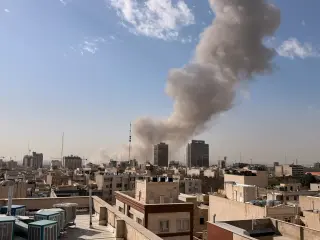
On day 24 of the US-Israel campaign against Iran, Tehran denies any negotiations with Washington despite Trump’s claim of “very good conversations” toward ending the war. Fighting and strikes persist across Iran, Israel and Gulf states, with Iranian retaliation threats and incidents such as an attack on a Bandar Abbas transmitter and strikes near Urmia, while Israel reports missile alerts around Dimona and Arad. Diplomatic tensions rise as the UK summons Iran’s envoy and Russia calls for an end to hostilities, amid further interceptions and attacks in the Gulf and spillover into Lebanon and Iraq, fueling global market jitters and energy-security concerns.
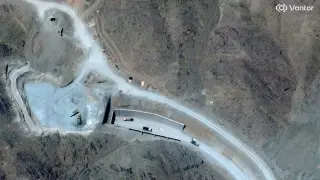
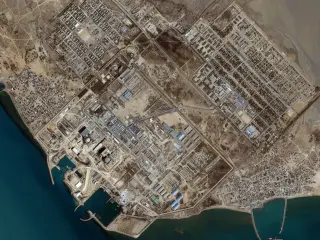
Three weeks into the US-Israeli confrontation with Iran, strikes reveal a multipronged strategy: decapitation and destruction of Iran’s missile, naval and security capacities, plus pressure on internal governance and basic services, while nuclear facilities have been comparatively spared. Analysts warn air power alone is unlikely to erase Iran’s nuclear program or end the war, signaling a potential long conflict. Diverging aims—Israel pursuing deeper regime destabilization vs. the US emphasizing denial and disengagement—underscore uncertainty about the endgame as thousands of strike events unfold and Iran retaliates.
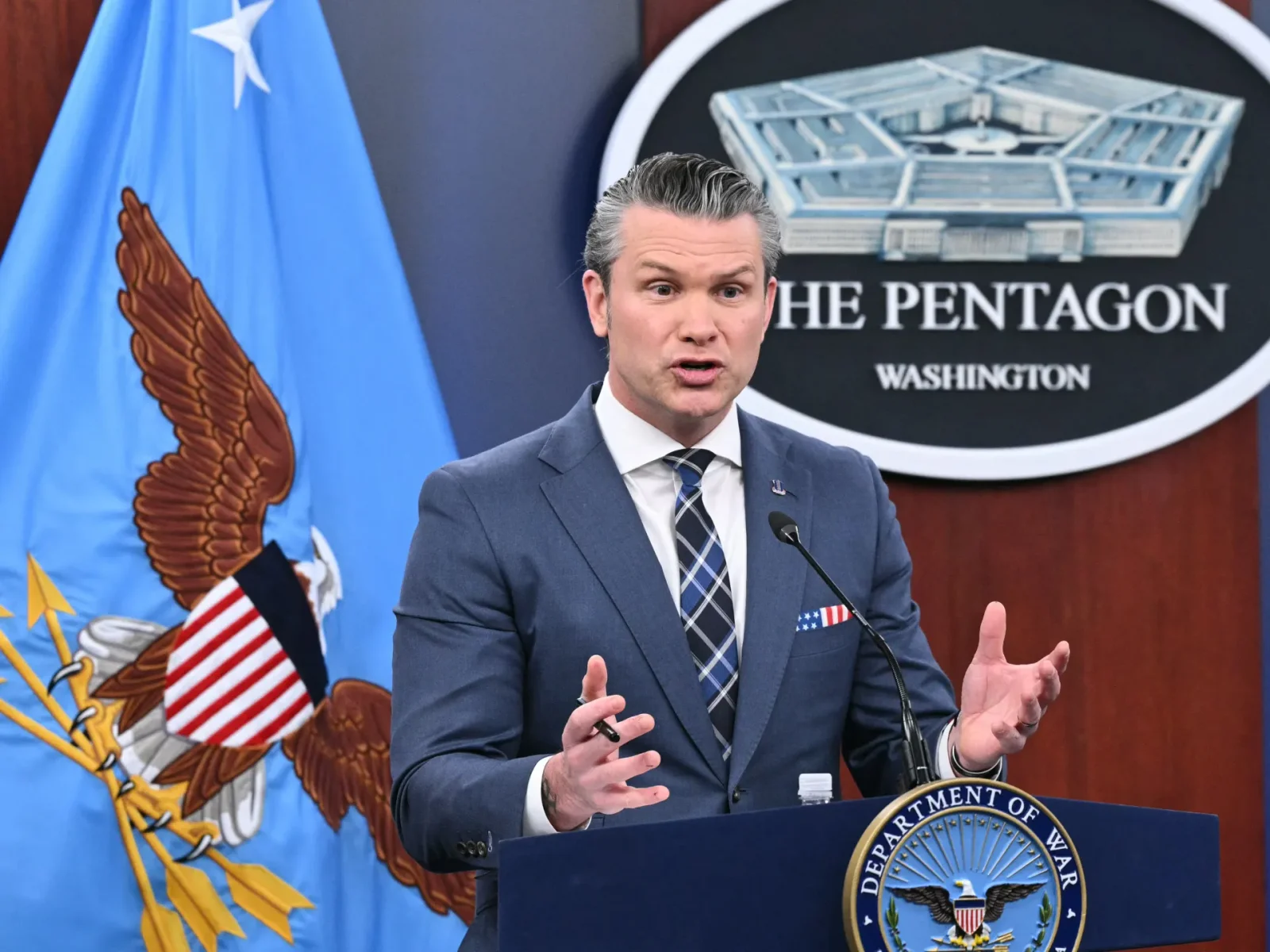
The Pentagon is asking Congress to authorize roughly $200 billion to fund ongoing US-Israel operations against Iran, with Defense Secretary Pete Hegseth saying there is no timeframe to end; the request, on top of existing budget increases, faces uncertain congressional support as lawmakers demand more detail on strategy and goals, even as Trump defends the need in a volatile global context and officials note thousands of targets have already been struck and weapons like A-10s and AH-64s are in use.
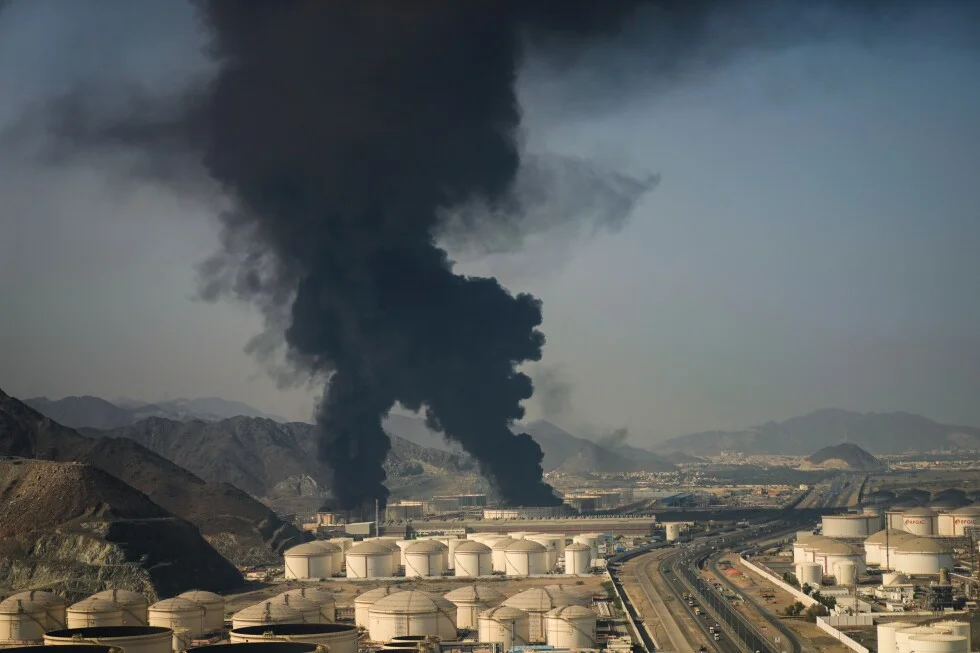
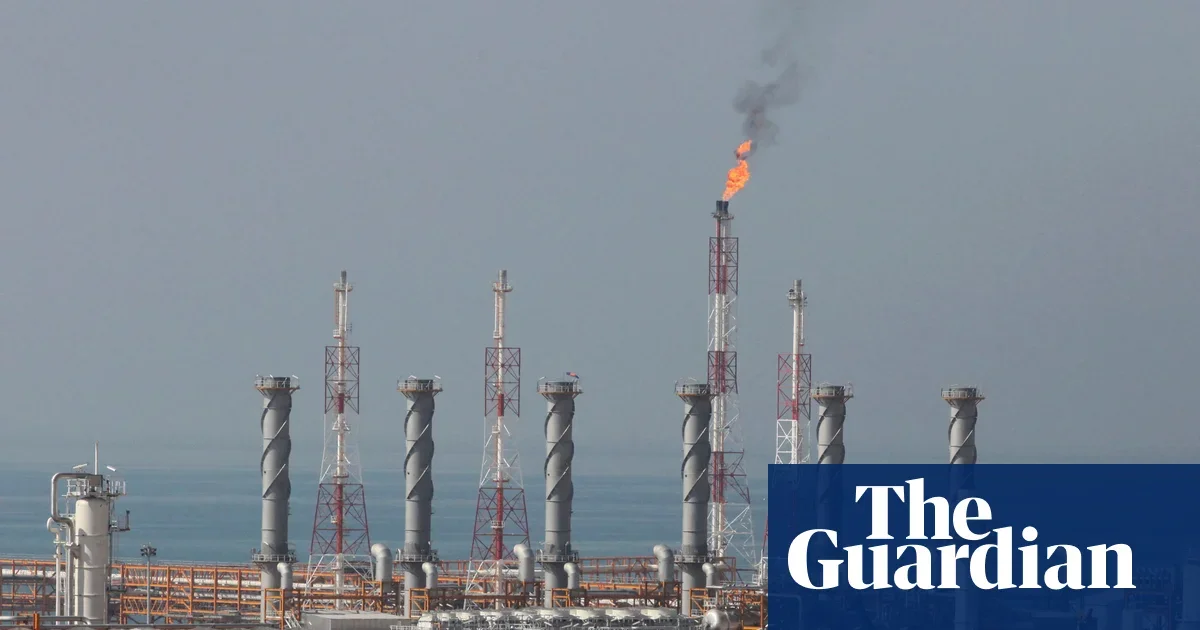
Recent strikes on upstream gas facilities in Abu Dhabi’s Shah field and Iran’s South Pars gasfield mark a notable escalation in the Middle East conflict, with potential long-term global energy consequences if production is damaged and cannot be repaired quickly. Reactions from Iran, Qatar and the UAE cite energy security as a central stakes issue, while regional tensions rise and the prospect of further retaliation looms amid broader US-Israel-Gulf dynamics.
On day 18 of the US-Israel campaign against Iran, strikes hit multiple Iranian cities and Tehran warns of self-defence as Iran retaliates across the region, while the conflict fuels a global energy shock with oil prices rising and Gulf shipping disrupted; civilian casualties climb (including children in Arak) and displacement increases, and Amnesty International cites US responsibility for a deadly Minab primary school attack.
ISW-CTP reports Iran is using Russian-made Shahed drones against US bases and Gulf states, with Zelensky saying intelligence confirms it; the US-Israeli campaign continues targeting Iranian military and security infrastructure, while Iran claims a Sejjil missile strike on Israel. Gulf defenses intercepted most attacks as Hezbollah and Iraqi militias boost cross-border actions. Iran also reports internal crackdowns with arrests, and there is no indication that either side seeks a ceasefire, signaling ongoing escalation.
The conflict shows no quick end: US-Israel officials say Iran’s war could run about three more weeks, with thousands of targets still ahead, as strikes hit Kharg Island and various Iranian sites. President Trump seeks a new, solid deal while Tehran rejects negotiations; regional actors face spillovers and the Strait of Hormuz election-momentum grows into a broader maritime security debate, with oil markets and Gulf economies bracing for disruption.
Iran threatened to strike any regional facility with US ties as the US-Israel offensive widens and Trump urged other countries to send ships to keep the Strait of Hormuz open. The conflict has featured sustained attacks on oil infrastructure (including Kharg Island) and Gulf targets, with casualties reported in Iran and Israel and evacuation warnings for Gulf ports, fueling fears of a broader economic shock from higher oil prices.
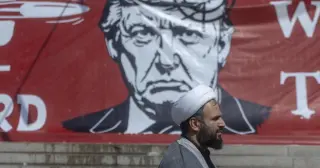
An analysis of how US/Israeli actions against Iran during a period of war accelerated the Assembly of Experts’ move to elevate Ali Khamenei’s son Mojtaba as supreme leader. Trump’s and Israel’s threats created a crisis-driven selection aimed at regime survival, with hard-liners and the IRGC gaining power and pushing a harder security and anti-Western line. The piece suggests Mojtaba’s leadership will deepen repression, strengthen the IRGC, and maintain an aggressive stance toward the US and Israel, while reformers remain sidelined; meaningful change, the author argues, must come from Iranians choosing a secular, rights-respecting path.
Iran's Revolutionary Guard Corps says US- and Israel-linked tech and financial firms, including Google, Microsoft, Palantir, IBM, Nvidia, and Oracle, are now targets as part of an "infrastructure war" following strikes that damaged AWS facilities in the UAE and Bahrain, signaling that commercial tech infrastructure is increasingly treated as part of the battlefield.
On day 15 of the US-Israel war on Iran, US forces struck Kharg Island—the export hub for Iran’s crude—while Trump warned oil facilities could be targeted if Hormuz shipping is disrupted. Iran vows retaliation on energy facilities; the conflict expands with drones and missiles across the Gulf, and Washington is deploying thousands of interceptor drones and potentially the USS Tripoli with 2,500 Marines. The escalation sparks a global oil shock, regional security alerts, and shifting diplomacy as several countries seek safer vessel passage outside Washington’s channels.
ISW-CTP’s morning updates say US-Israeli strikes hit Iran’s air-defense and ballistic-missile infrastructure, including Khuzestan LEC HQ, IRGC and Artesh units, with Western assessments estimating roughly 60–80% degradation of air defenses and up to 80% of offensive missile capability. CENTCOM reports six US servicemembers died in a non-hostile incident in western Iraq. Iran has retaliated with five missile waves against Israel and Gulf states, including attacks near Haifa and damage to the Dubai Financial Center, alongside thousands of drones; Hezbollah and Iraqi militias claim attacks as part of the Axis of Resistance. The evening update will cover additional developments.
Two analysts assess the Iran war: Tehran’s new leadership signals continued hard-line control via the IRGC, while the US‑Israel campaign has degraded Iran’s current power but could accelerate its efforts to rebuild deterrence and its nuclear/missile programs. Iran appears domestically fragile amid protests, complicating politics, and a military victory may not translate into political success. Debates over whether the US should declare victory and withdraw versus continuing pressure reflect divergent views on the endgame; if the regime endures, it could become more repressive or pursue a recalibrated deterrence, shaping future US‑Iran policy.