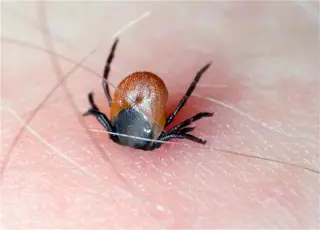
Tick season is intensifying as ER visits for tick bites surge to decade-high levels and Powassan virus spreads in deer ticks, while Pfizer and Valneva advance a four-dose Lyme disease vaccine toward regulatory approval with about 75% efficacy in reducing cases.
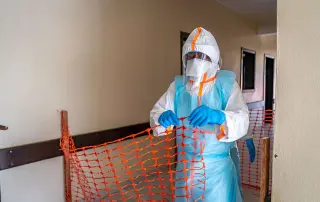
CEPI pledged over $60 million to accelerate Bundibugyo ebolavirus vaccine development, including up to $50 million to Moderna for preclinical work and early-stage trials of an mRNA BDBV vaccine and to ramp up manufacturing for larger Phase 2/3 testing; other funds go to IAVI and the Oxford/Serum Institute effort. No licensed vaccines exist for Bundibugyo yet, and the current DRC outbreak has about 1,041 cases and 241 deaths as reported by the WHO.
An ongoing Bundibugyo-strain Ebola outbreak in the DRC—the third-largest on record—has no approved strain-specific vaccine or treatment. The existing Zaire-targeted Ervebo vaccine may offer limited cross-protection, but data are scarce and safety in this outbreak is uncertain. New Bundibugyo-focused vaccines (including a vesicular stomatitis virus–based candidate) are in development, though clinical-grade material and human trials likely won’t be ready for six to nine months. Therapies such as remdesivir and the MBP134 monoclonal antibody cocktail show promise, but delivery and safety in the field pose challenges. Beyond vaccines and drugs, rapid diagnosis, isolation, contact tracing, and strong outbreak response remain essential tools for control.
Johns Hopkins Medicine researchers have created a therapeutic, intranasal DNA vaccine against tuberculosis by fusing RelMtb with Mip3α. When used with standard TB drug therapy, it strengthened lung and systemic immunity, sped bacterial clearance, reduced lung inflammation, and prevented relapse in mice, with durable immune responses observed in nonhuman primates, suggesting a path toward human trials and the potential to shorten TB treatment, including for drug-resistant strains.
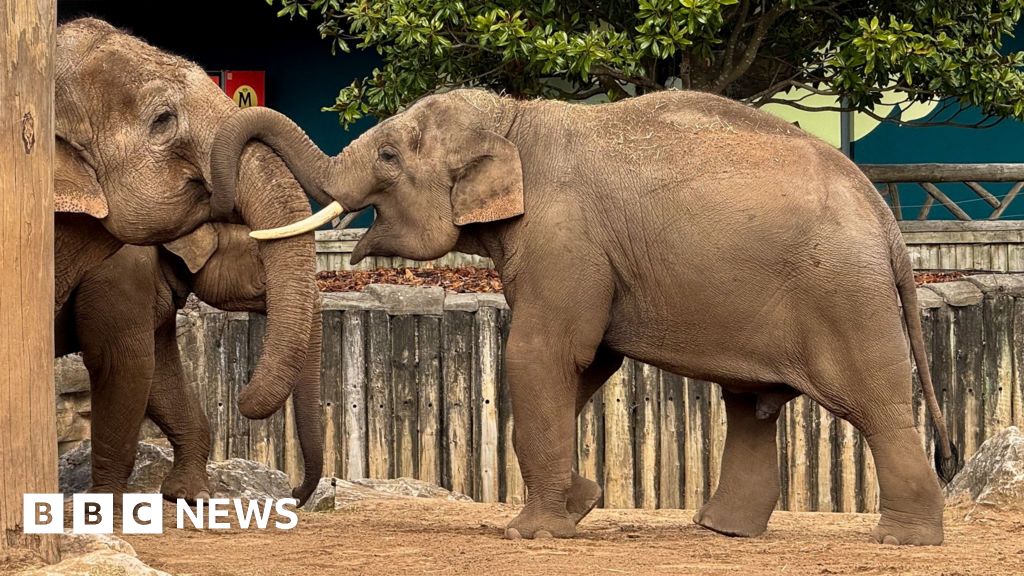
Researchers have developed a promising new vaccine against elephant endotheliotropic herpesvirus (EEHV), a deadly disease causing high mortality in young elephants, with initial trials showing it safely stimulates immune response in adult elephants. The next step is testing in younger, more vulnerable elephants, aiming to prevent future deaths and aid conservation efforts.
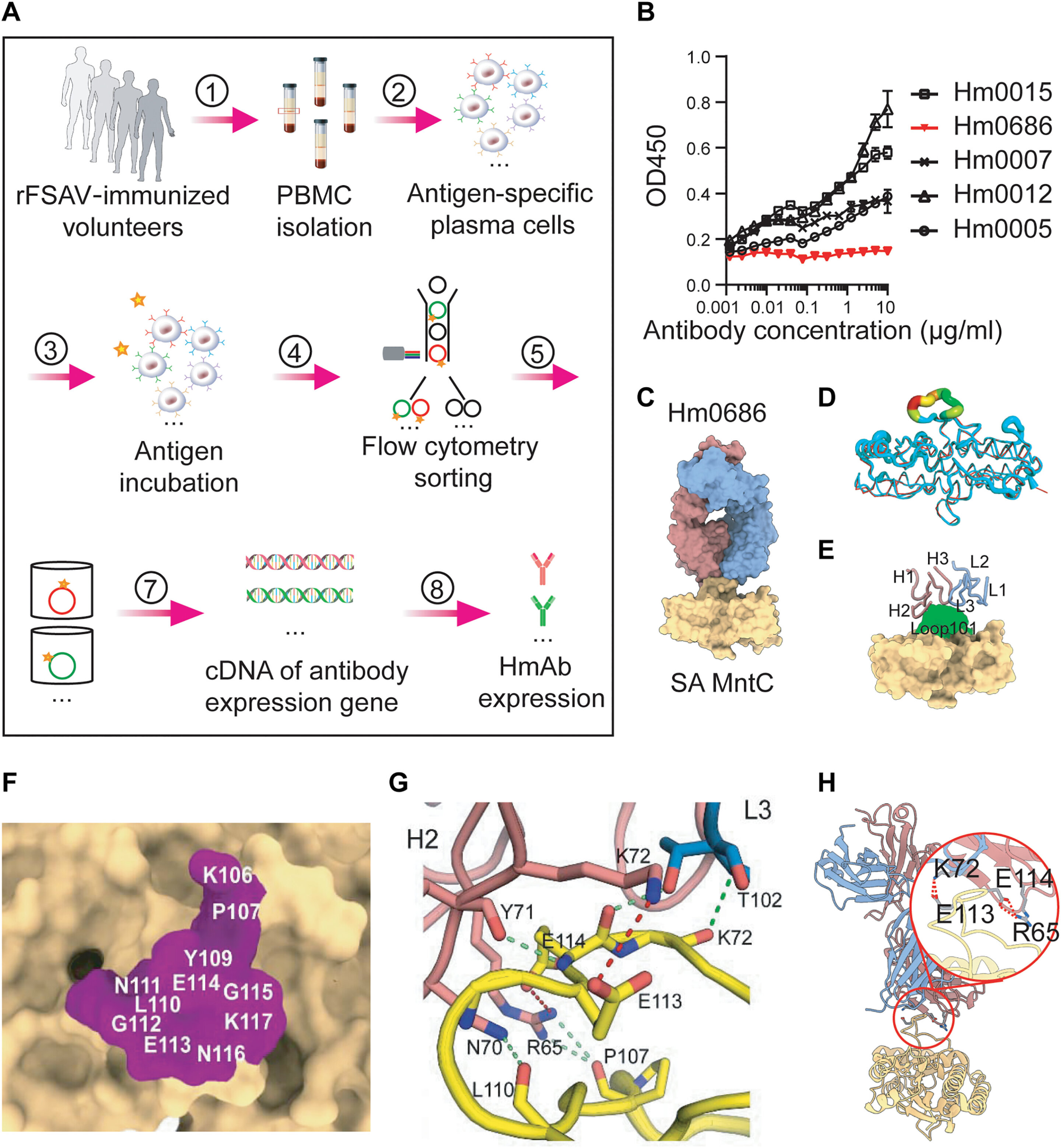
Scientists in China are developing a new vaccine against drug-resistant Staphylococcus aureus by targeting a specific surface loop on the MntC protein, which is essential for the bacteria's survival, potentially overcoming past vaccine failures caused by the bacteria's presence as a common commensal organism.
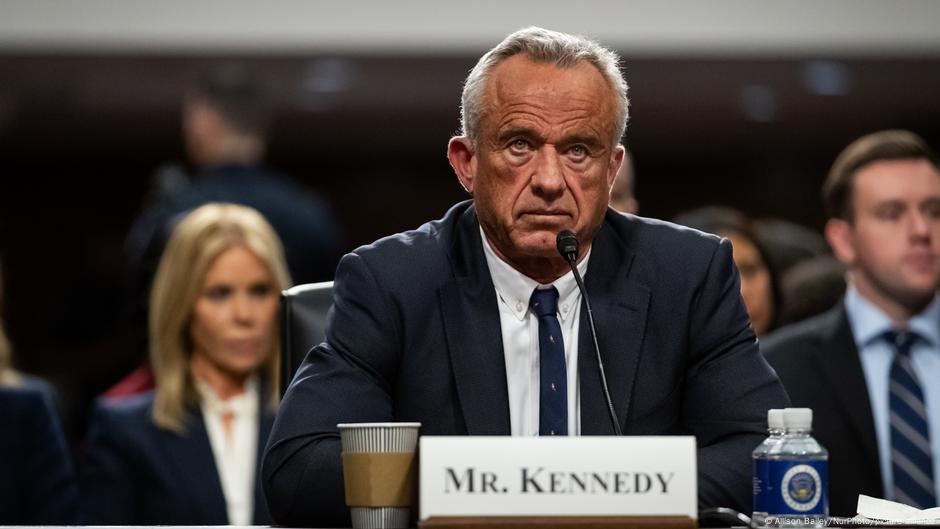
The article discusses the potential of mRNA technology in fighting diseases like cancer and autoimmune conditions, and criticizes the recent cancellation of nearly $500 million in federal funding for mRNA vaccine research by RFK Jr., highlighting concerns from health experts about the impact on medical breakthroughs and future treatments.
The NIH director suggested that the cancellation of $500 million in mRNA vaccine contracts was due to public distrust in the technology, a reason that differs from the official explanation of vaccine inefficacy and safety concerns. Despite widespread use and success of mRNA vaccines against COVID-19, some officials and critics question the platform's viability and antigen quantification, though experts argue these concerns are addressed in vaccine science and that continued research is essential for future pandemic preparedness.
Ab&B Bio-Tech's IPO in Hong Kong saw its stock soar over 169% on debut, driven by strong retail investor demand for its influenza vaccine and other health products, marking a successful entry amid a rally in healthcare stocks.
The Trump administration's decision to cut funding for mRNA vaccine research threatens the US's ability to respond effectively to future pandemics, despite the technology's success in rapidly developing COVID-19 vaccines and its potential to combat evolving pathogens like bird flu.
The Department of Health and Human Services is canceling $500 million in funding for 22 mRNA vaccine projects led by major pharmaceutical companies, citing a shift towards developing broader, safer vaccine strategies. This decision, announced by Robert F. Kennedy Jr., reflects his ongoing skepticism of mRNA technology, despite its proven safety and effectiveness in combating COVID-19 and other diseases. Experts warn that abandoning mRNA research could hinder future pandemic preparedness, although HHS states other mRNA applications remain unaffected and focus is shifting to universal vaccines.
The US government has canceled $500 million worth of contracts for 22 mRNA vaccine projects, citing ineffectiveness against respiratory infections like COVID-19 and the flu, amid ongoing vaccine skepticism led by Health Secretary Robert F. Kennedy Jr., who advocates for alternative vaccine strategies.
The Trump administration is withdrawing $500 million in funding for new mRNA vaccine development to focus on broader, safer vaccine platforms, citing concerns about vaccine effectiveness against respiratory infections like COVID and flu. This move includes canceling contracts with Moderna, Pfizer, and Sanofi Pasteur, raising concerns among experts about potential vulnerabilities and the impact on biodefense capabilities. The decision reflects a shift in vaccine policy under RFK Jr., amid ongoing debates about vaccine efficacy and safety.
The Trump administration ended a significant HIV vaccine research program led by Duke University, citing duplication and cost concerns, marking a setback in AIDS research despite recent scientific advances and discoveries made by the program.
Robert F. Kennedy Jr. canceled a $766 million government contract with Moderna for bird flu vaccine development, citing safety concerns about mRNA technology, despite scientific consensus on its safety and efficacy. He also announced a controversial shift in COVID booster recommendations, reducing guidance for healthy children and pregnant women, which has caused confusion and criticism from health experts and organizations. These actions may undermine public trust in vaccines and could impact future pandemic preparedness.