Tag

Viewing Tips

All articles tagged with #viewing tips

Eta Aquariid Meteor Shower: Dawn-Watching Tips for Tonight
space25 days ago

Eta Aquariid Meteor Shower: Dawn-Watching Tips for Tonight

The Eta Aquariid meteor shower peaks tonight into early Wednesday pre-dawn, with the best views in the last hours before dawn. Viewing is stronger in the Southern Hemisphere (up to about 40 meteors per hour in ideal conditions) and hampered in the Northern Hemisphere by a bright Moon. For best results, seek dark skies away from city lights, lie back to gaze upward, and give your eyes about 45 minutes to adjust. The meteors come from Halley’s Comet, streaking at ~40 miles per second; a future peak isn’t expected until 2061.

Lyrid Meteor Shower Peaks Tonight, Predawn Skies Await
science1 month ago

Lyrid Meteor Shower Peaks Tonight, Predawn Skies Await

The 2026 Lyrid meteor shower peaks tonight (April 21–22) and will run through April 30, with best viewing in the Northern Hemisphere after moonset and before dawn; meteors radiate from Lyra and fireballs may appear, with good activity for about three nights around the peak. The Eta Aquariids, from Halley’s comet debris, peak May 5–6 and remain visible through late May, offering faster meteors (up to ~50 per hour) and are best seen from the Northern Hemisphere as Earth encounters their debris trail.

Bay Area Braces for Dawn Blood Moon Total Eclipse
science3 months ago

Bay Area Braces for Dawn Blood Moon Total Eclipse

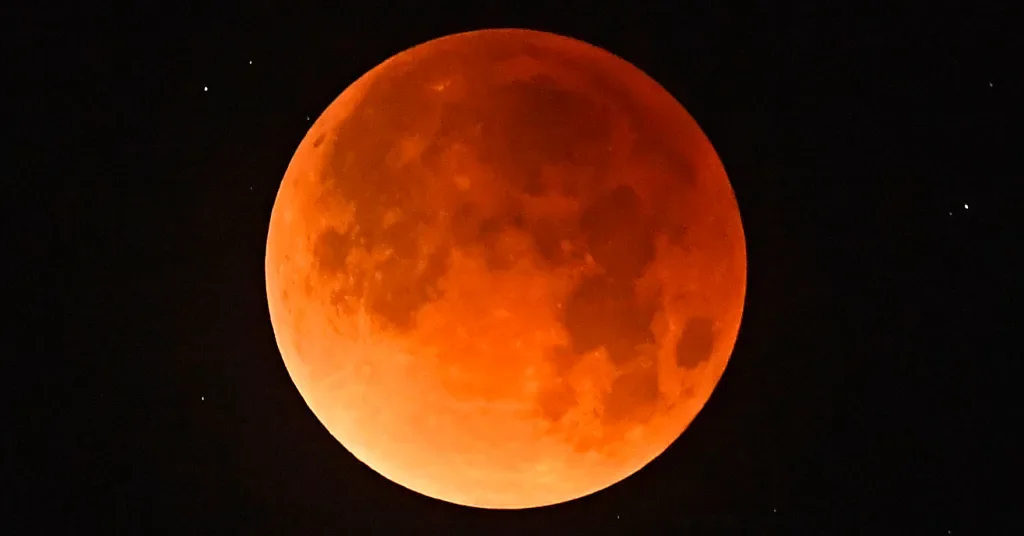
A total lunar eclipse, known as a blood moon, will grace California’s pre-dawn skies with partial viewing starting at 1:50 a.m., total eclipse from 3:05 to 4:03 a.m., ending around 5:17 a.m. The Chabot Space and Science Center in Oakland hosts a public viewing with telescopes from 1 a.m. to 5 a.m.; tickets are $15 adults, $7 kids (free for members). You don’t need special gear—binoculars help, but aren’t required; NASA advises tripod-based long-exposure photos. The Moon’s red hue comes from sunlight filtered by Earth’s atmosphere; partly cloudy skies shouldn’t ruin the view. This is the last similar eclipse visible in the Bay Area until Oct. 8, 2033, and scientists caution against astrology claims about the event.

Valentine Night Lights: Aurora Visible Across 12 U.S. States
science3 months ago

Valentine Night Lights: Aurora Visible Across 12 U.S. States

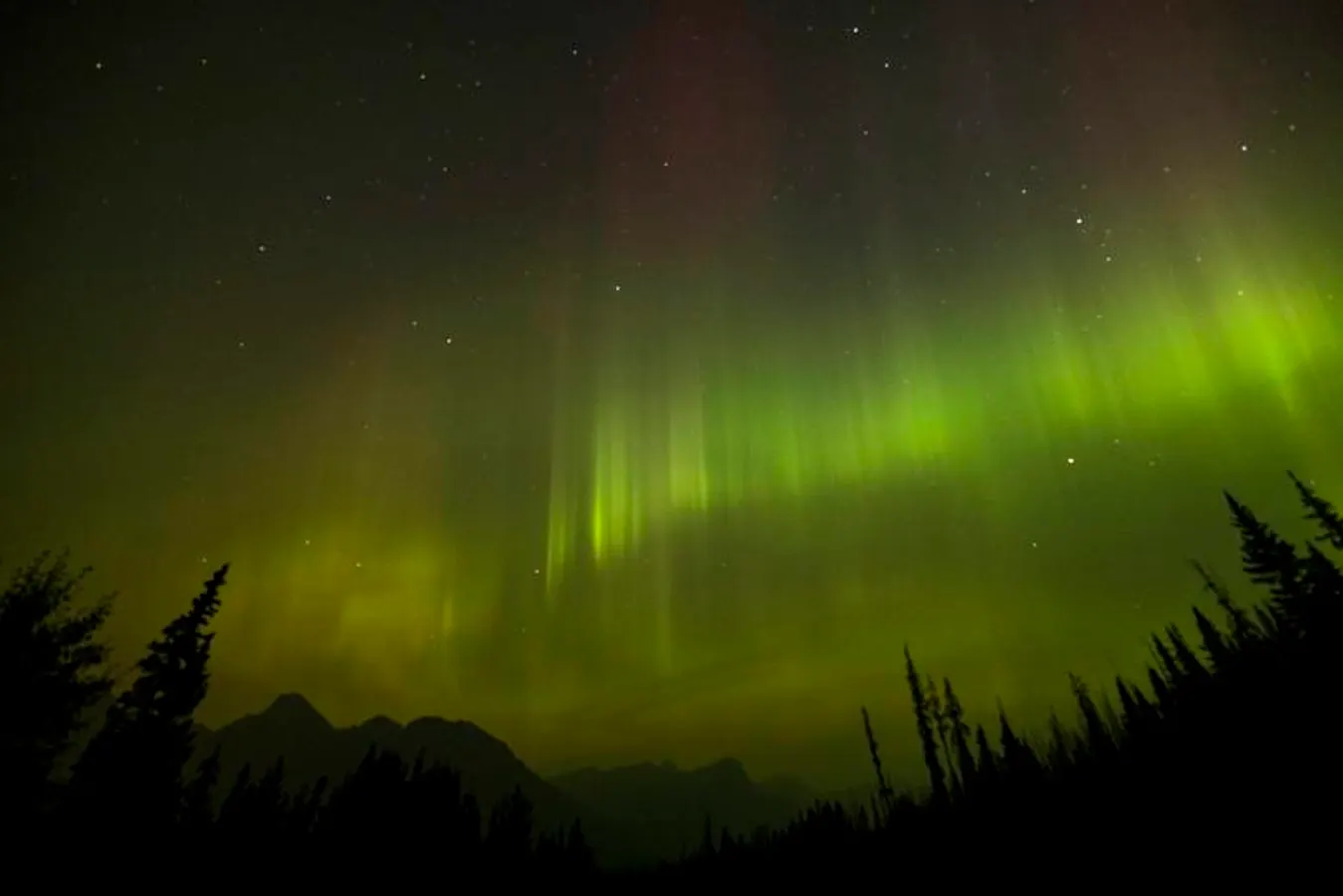
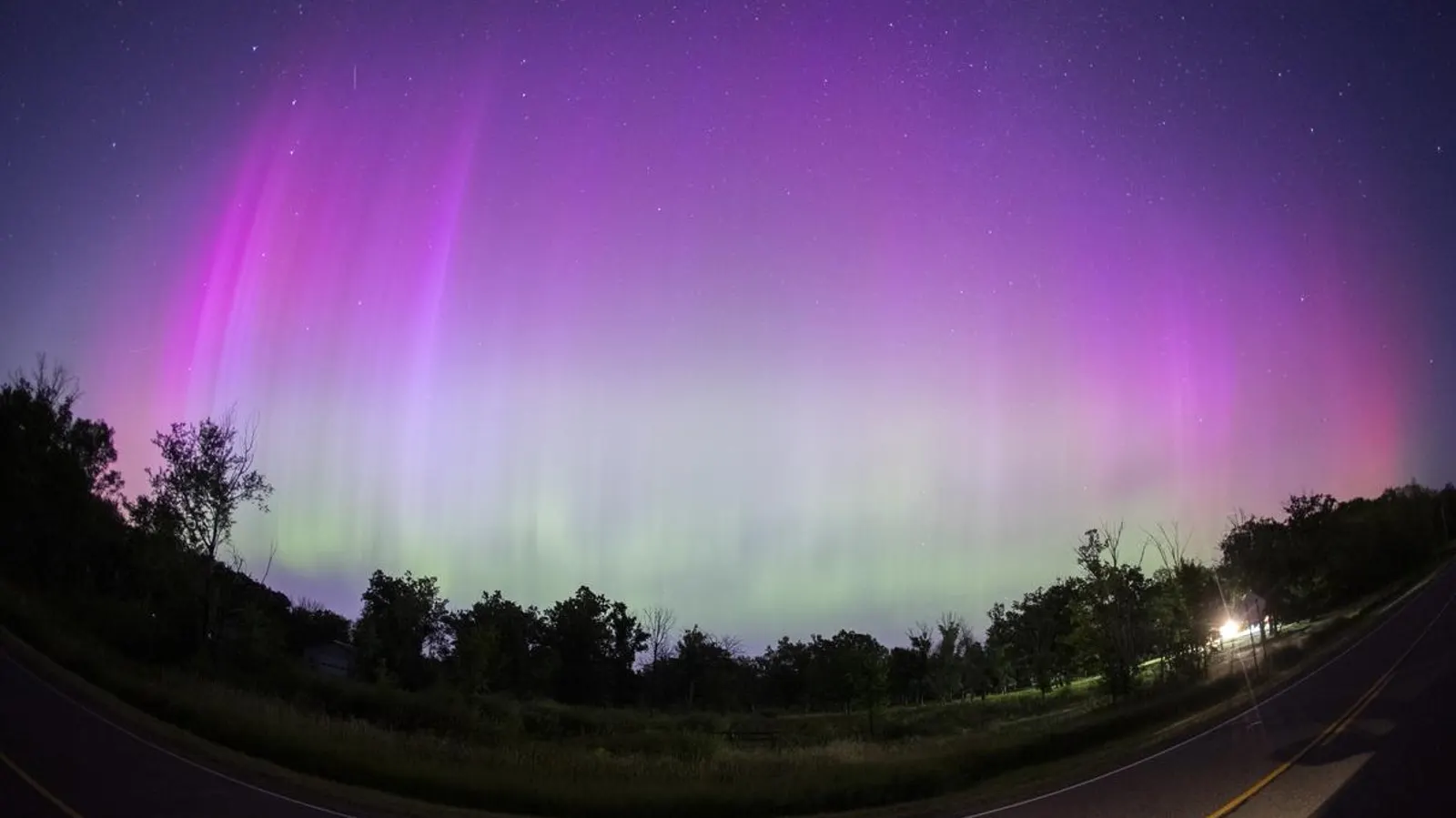
NOAA forecasts a bright aurora borealis display tonight across 12 U.S. states due to intensified solar activity, offering a rare Valentine’s Day sky show. The best viewing window is 10 p.m.–midnight local time, with the possibility of the lights lingering until dawn in northern areas; colors like green, red, and purple are expected, and New York and Michigan could see it despite being typically too far south. To maximize visibility, seek dark skies away from city lights, and check local weather for clear skies. The event is linked to the sun’s approaching solar cycle maximum.

Understanding and Predicting the Northern Lights
science7 months ago

Understanding and Predicting the Northern Lights

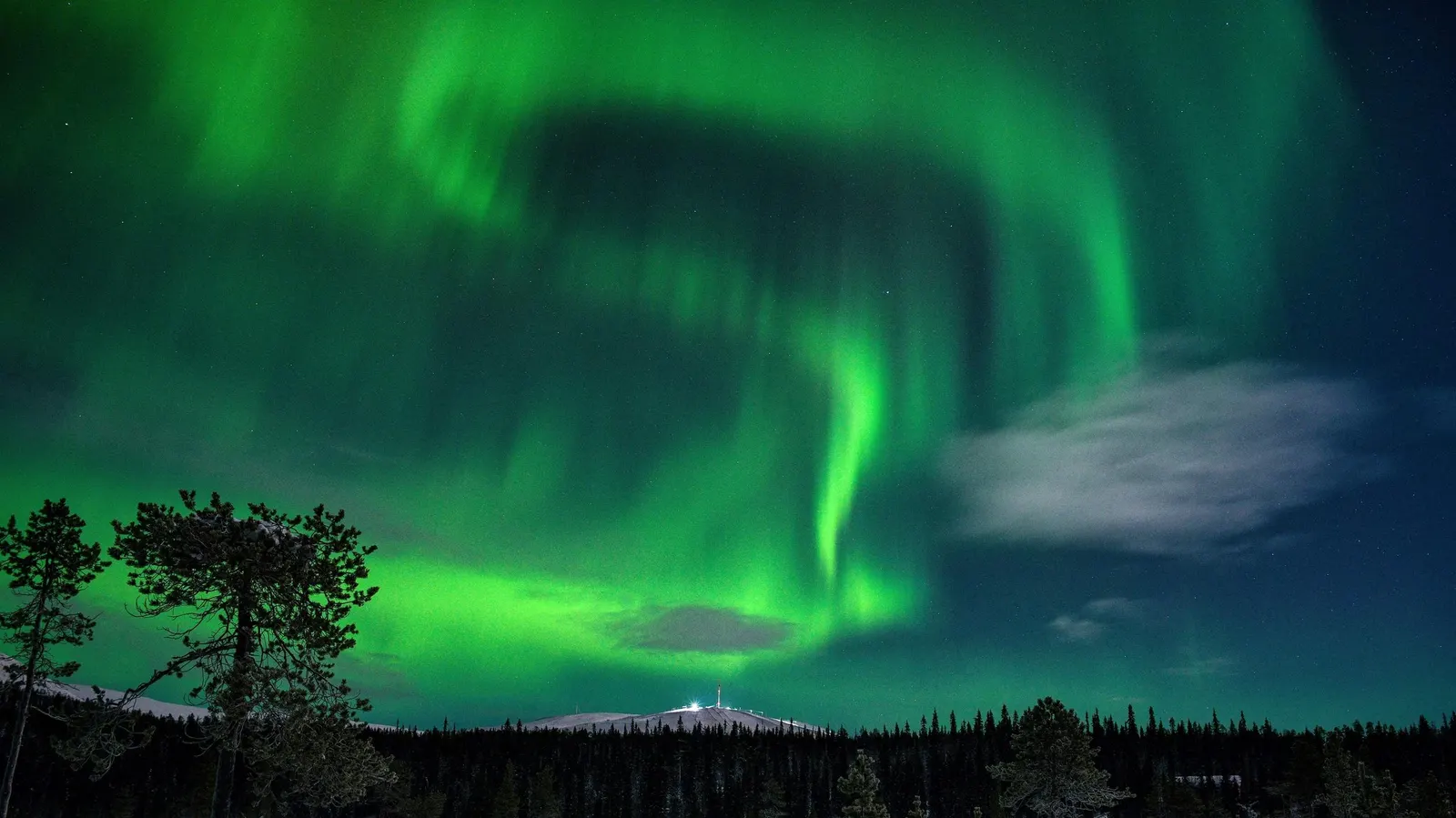
The aurora borealis, or northern lights, are colorful atmospheric phenomena caused by solar particles interacting with Earth's magnetic field, primarily visible in the auroral zone during clear, dark nights, especially around the equinoxes and solar maximum periods. They can also be observed on other planets with magnetic fields, and guided tours are available for optimal viewing. Patience, proper clothing, and photography equipment enhance the experience.

Northern Lights Alert: Where and How to Watch the Aurora Tonight
science1 year ago

Northern Lights Alert: Where and How to Watch the Aurora Tonight

Several northern US states, including Alaska, Montana, North Dakota, Minnesota, Wisconsin, and Michigan, have a chance to see the Northern Lights on Monday night, although weather conditions may limit visibility. The best viewing opportunities are away from city lights, and the display is expected to continue into Tuesday with reduced visibility in most areas except Alaska.

"2024 Solar Eclipse: Your Complete Guide to Viewing in Michigan"
astronomy2 years ago

"2024 Solar Eclipse: Your Complete Guide to Viewing in Michigan"

The Great American Eclipse is set to cross the mainland United States today, with Michigan not falling in the path of totality except for a small section of Monroe County near Toledo. The eclipse will begin in Michigan around 1:55 p.m., with Detroit, Grand Rapids, Lansing, and Marquette experiencing varying degrees of sun coverage. Eclipse glasses or a safe viewer are recommended for viewing, and a ZIP code locator can be used to find the specific timing for each area.

"Ultimate 2024 Solar Eclipse Guide: Timing, Path, Glasses, and Forecast"
astronomy2 years ago

"Ultimate 2024 Solar Eclipse Guide: Timing, Path, Glasses, and Forecast"

The 2024 solar eclipse will occur on Monday, with the path of totality impacting areas in southern Illinois and central Indiana. Special glasses will be needed to view the eclipse, and the forecast for viewing is uncertain due to potential cloud cover. It's crucial to use approved eclipse glasses to avoid irreversible eye damage, and other safe viewing methods include pinhole viewers and live streaming. This eclipse is considered a rare and historic event, and the next total solar eclipse visible in Illinois won't occur until 2099. Many schools in Illinois have announced closures for the event, and experts are urging Americans to witness the spectacle if possible.

"2024 Solar Eclipse: Where to Find Glasses and How to Watch"
science-and-technology2 years ago

"2024 Solar Eclipse: Where to Find Glasses and How to Watch"

On April 8, a partial solar eclipse will be visible in Chicago, with around 94-95% coverage. To safely view it, approved solar eclipse glasses are essential, as regular sunglasses are not safe. The Adler Planetarium warns of the danger of counterfeit glasses and advises checking for the ISO 12312-2 standard. Approved glasses can be obtained from recommended suppliers or at select stores and events. Additionally, creating a pinhole viewer is a safe way to indirectly view the eclipse, while using phones or binoculars without proper filters is not recommended.

"Forecasting the Timing of the Solar Eclipse in Middle Tennessee"
astronomy2 years ago

"Forecasting the Timing of the Solar Eclipse in Middle Tennessee"

The 2024 solar eclipse will be visible in Middle Tennessee and Southern Kentucky, with 90% to 98% totality expected. The eclipse will begin in Nashville around 12:44 p.m., reaching maximum eclipse at 2:03 p.m. The weather forecast indicates the possibility of cloud breaks during the event, with the best chance of clearer skies north of I-40.

"Total Solar Eclipse: Indiana's Timing Revealed"
astronomy2 years ago

"Total Solar Eclipse: Indiana's Timing Revealed"

The National Weather Service office in Indianapolis has released estimated times for the total solar eclipse in Central Indiana on Monday, with the eclipse expected to span just over 2.5 hours and totality lasting for four minutes and six seconds. The eclipse will begin around 1:47 p.m. in Vincennes, 1:49 p.m. in Bloomington, 1:50 p.m. in Indianapolis, and 1:52 p.m. in Muncie. Officials advise using solar filters to view the eclipse, but it is safe to take them off during totality.