Xiaomi, Oppo and Vivo have told suppliers to cut their 2026 smartphone shipment targets—some by as much as 30%—citing rising costs and ongoing component shortages, according to sources cited by Nikkei Asia.
Vivo’s top-tier X300 Ultra is finally shipping outside China, launching a limited European pre-order from April 16–23 at €1,309 with freebies like a pro video rig kit worth €499 plus options such as screen protection or discounted photography gear. The camera-centric flagship packs a 6,600 mAh battery with 100 W wired and 40 W wireless charging, a 6.8-inch 4,500-nit display, 200 MP main sensor, Zeiss optics, and a telephoto system (85 mm) with external extenders; it runs OriginOS 6 on Android 16 with five years of OS upgrades and seven years of security updates. Four European countries (Austria, Germany, Hungary, Switzerland) are listed so far, with more to come.
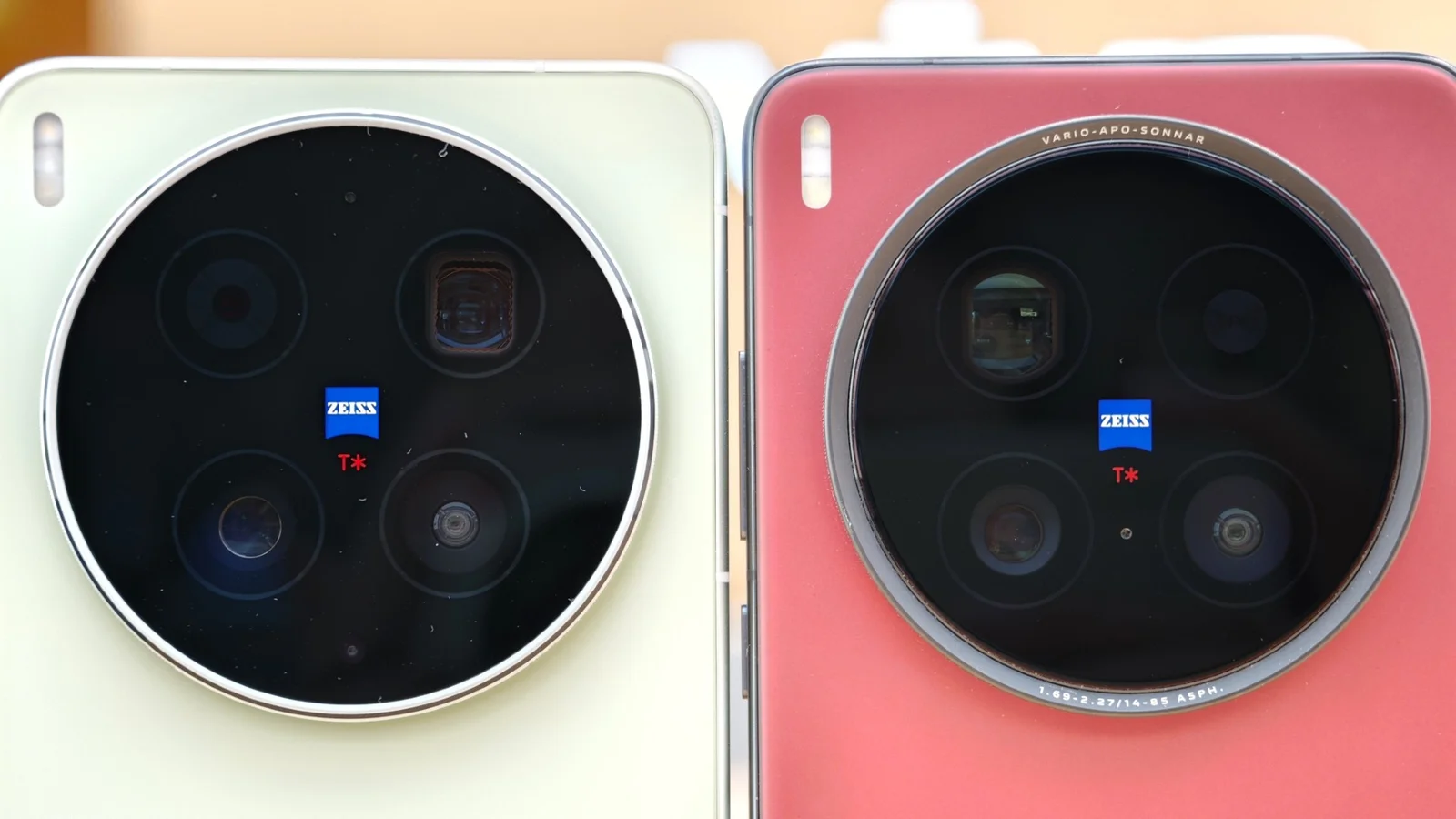
Ahead of its China launch, Vivo X300 Ultra appears in hands-on photos showing a noticeably thicker Zeiss camera module compared with the X200 Ultra. Render estimates suggest the camera bump could be around 17 mm thick in total, while the body sits at about 8.19 mm. The device comes in several colors, with European pricing leaks hinting at a quick international rollout after the official launch in China.
Rising RAM and semiconductor costs push Oppo, OnePlus, Vivo, and iQoo to raise prices on several smartphones in China, effective March 18, with potential global ripple effects though no international price hikes announced yet.
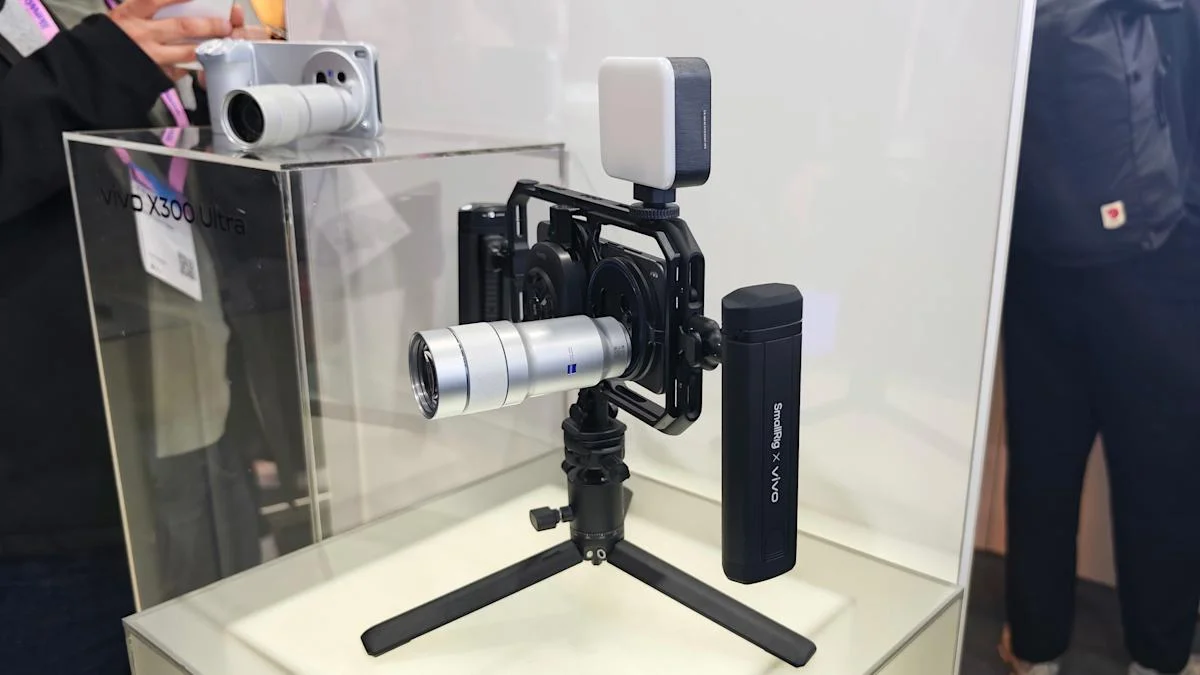
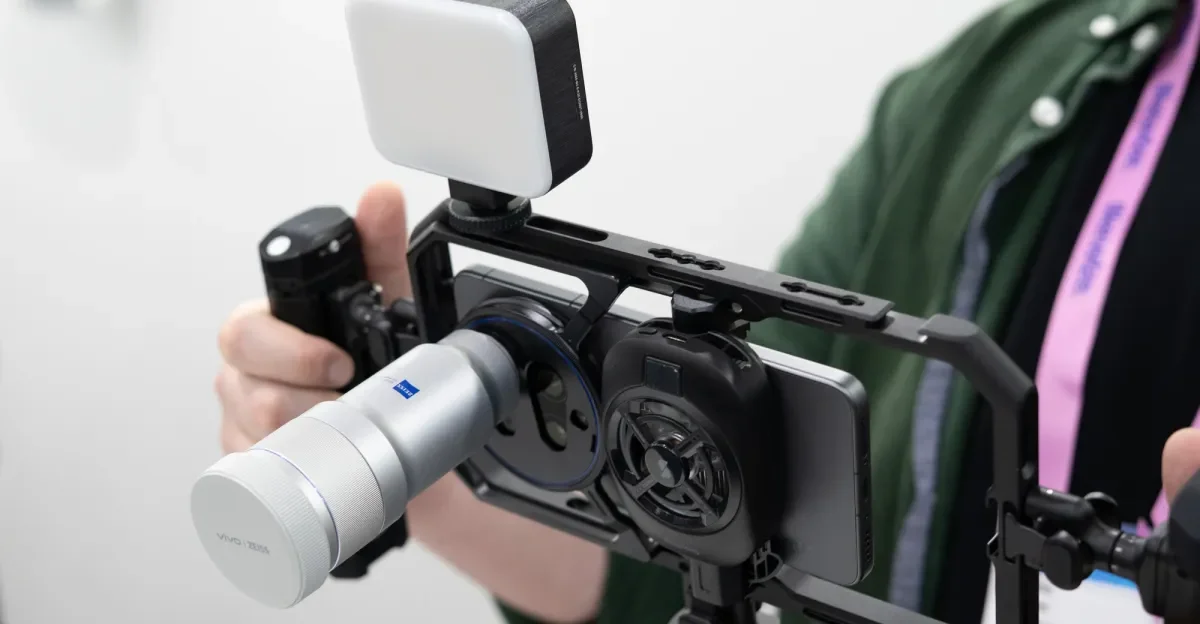
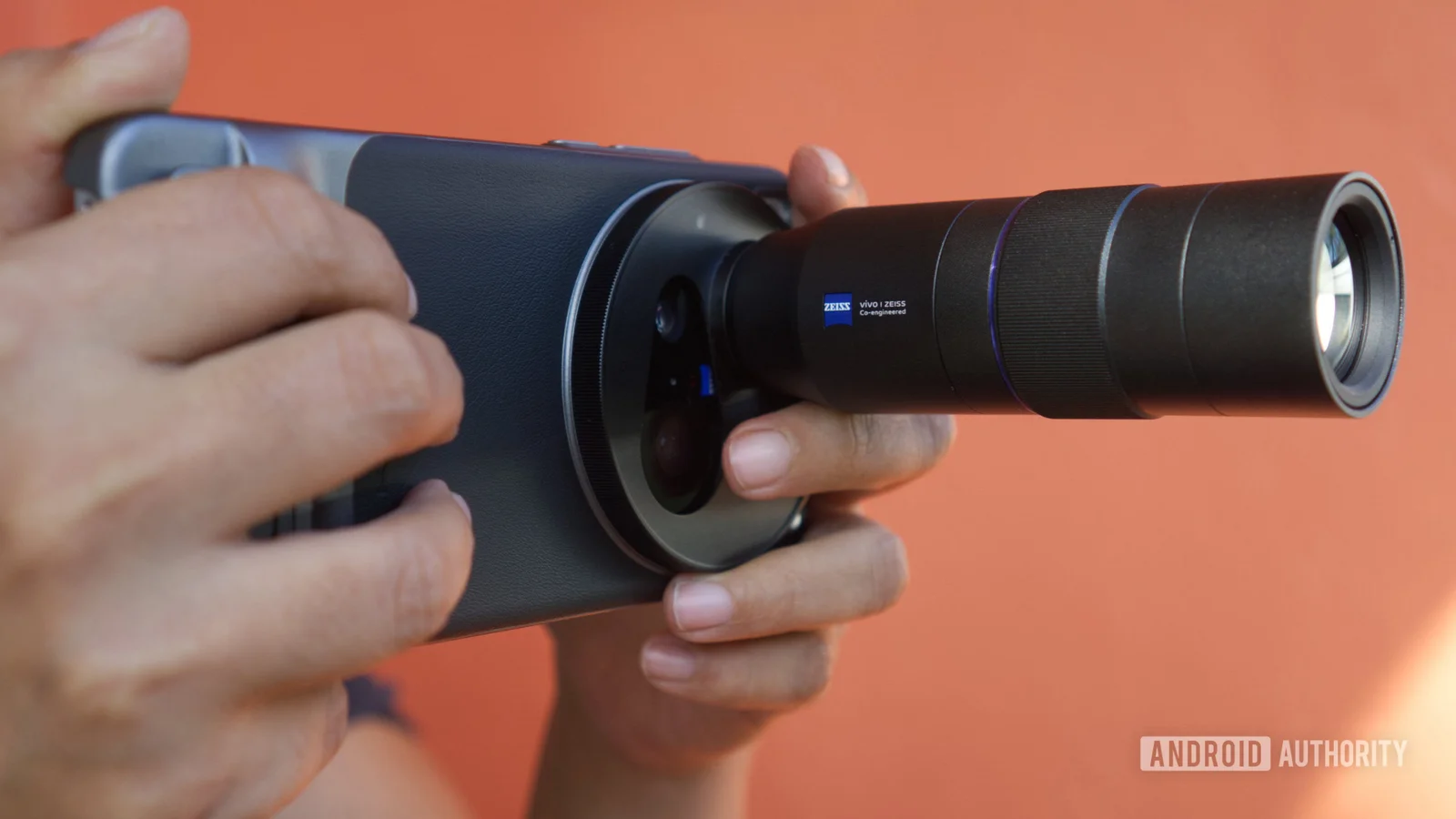
Vivo unveiled the X300 Ultra at Mobile World Congress 2026, signaling a push into international markets with a flagship featuring a 200MP telephoto sensor and a pro-oriented ecosystem that includes a SmallRig camera cage and a 400mm Zeiss Telephoto Extender Gen 2 Ultra. The phone supports high-end video workflows (4K/120fps Dolby Vision, ACES) and an ecosystem that reads connected lenses, offering up to about 8x optical zoom with the extender and strong stabilization, though pricing and US availability were not announced.
Vivo used MWC 2026 to preview its X300 Ultra, a flagship phone featuring a 200‑megapixel telephoto camera and a new Telephoto Extender Gen2 Ultra that extends focal length to 400mm, co‑engineered with Zeiss, plus a redesigned camera grip and a pro‑grade camera cage from SmallRig; with a global launch planned later this year, but the US is unlikely to get it while Europe is expected to be included.
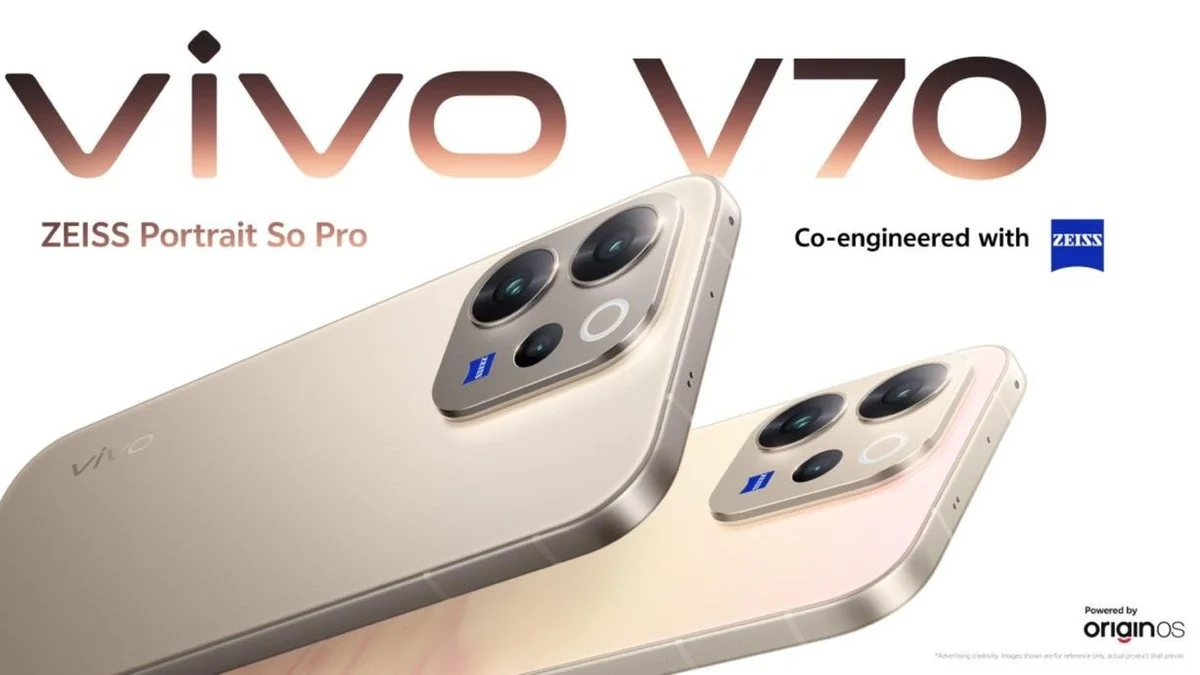
Vivo has unveiled the V70, a camera-focused mid-ranger co-developed with Zeiss. It features a 50 MP main sensor with OIS, a 50 MP selfie cam, an 8 MP ultrawide, and a dedicated periscope telephoto with 10x AI-assisted zoom. The device packs a 6.59-inch OLED display, a 6,500 mAh battery with 90W wired charging, Snapdragon 7 Gen 4, LPDDR5X RAM and UFS 4.1 storage, and OriginOS 6 with AI tools. It also offers IP68/69 dust and water resistance, four OS upgrades and six years of security updates. Availability begins in Southeast Asia, the Middle East and Europe, with pricing yet to be announced.
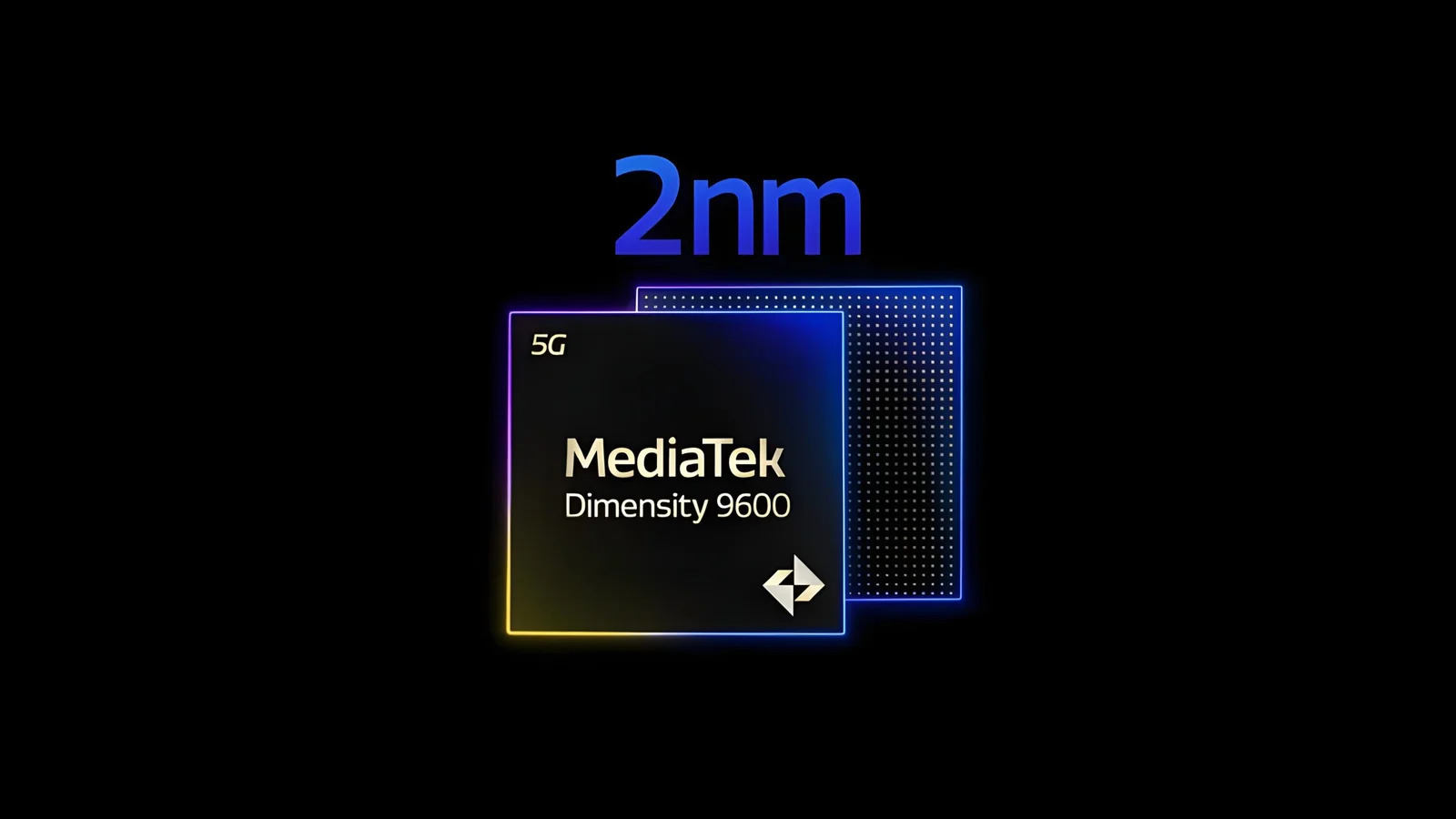
MediaTek’s Dimensity 9600 is rumored to use TSMC’s N2P process and could become a popular choice for upcoming Oppo and Vivo flagships as OEMs seek alternatives to Qualcomm’s high-priced chips, with claims of potential performance and memory-bandwidth advantages, though official details are not yet confirmed.
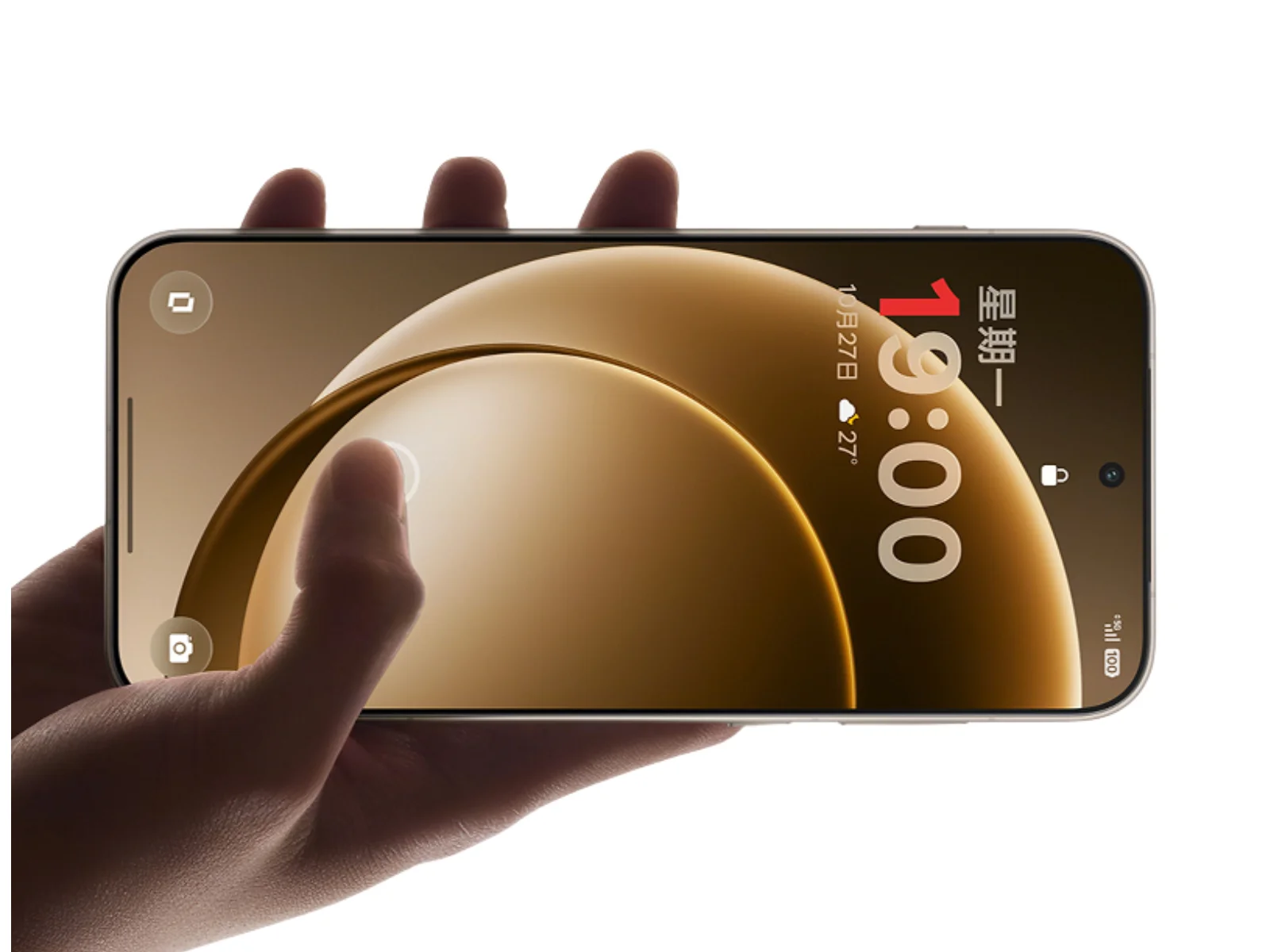
Vivo's OriginOS 6 heavily mimics Apple's Liquid Glass aesthetic introduced in iOS 26, featuring similar transparency effects, icons, and interface elements, raising questions about originality versus industry trend convergence.
Chinese phone brands like Xiaomi and Vivo are exploring innovative camera enhancements, including detachable external lenses and magnetic camera units, which could reduce the number of built-in cameras and improve photographic capabilities. These developments are currently limited to China but may influence global smartphone camera technology in the future.
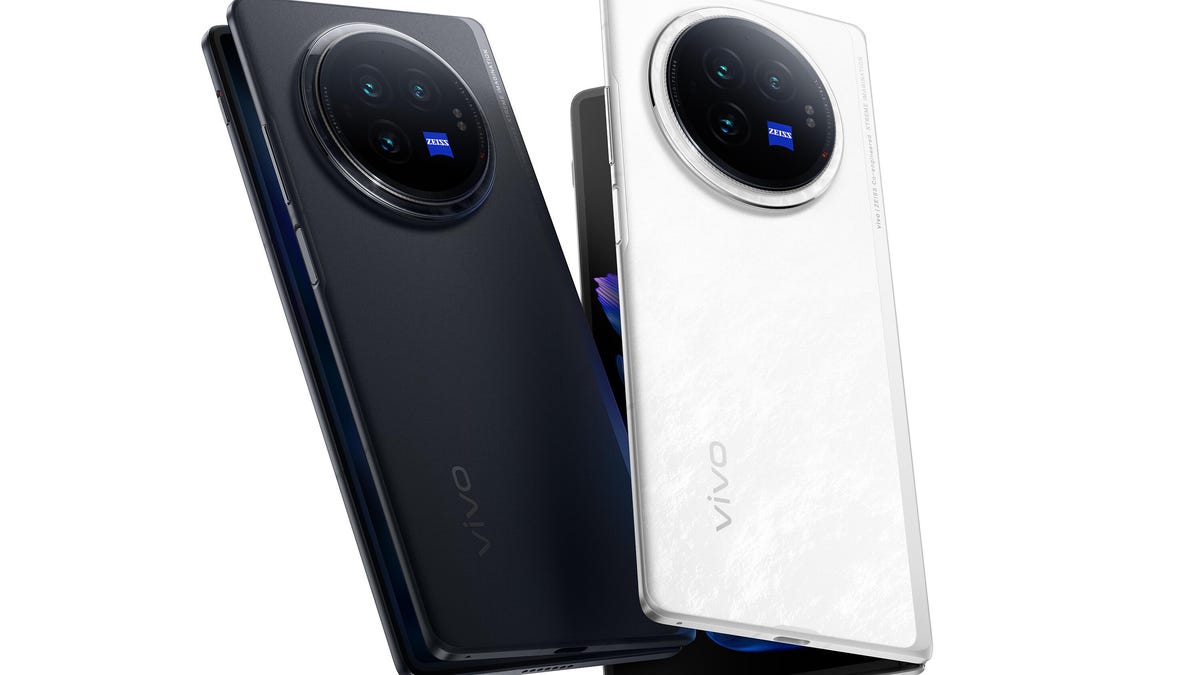
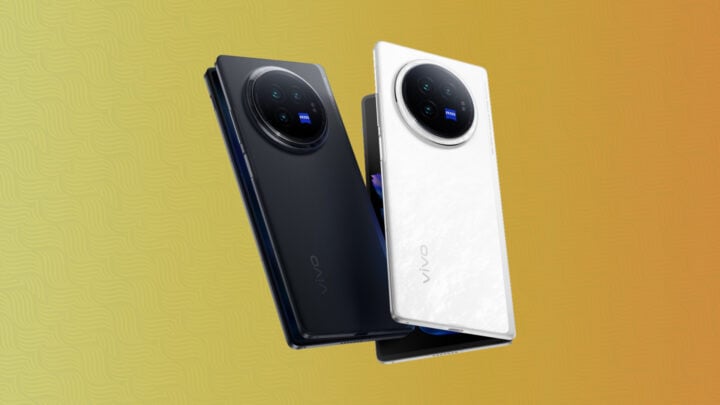
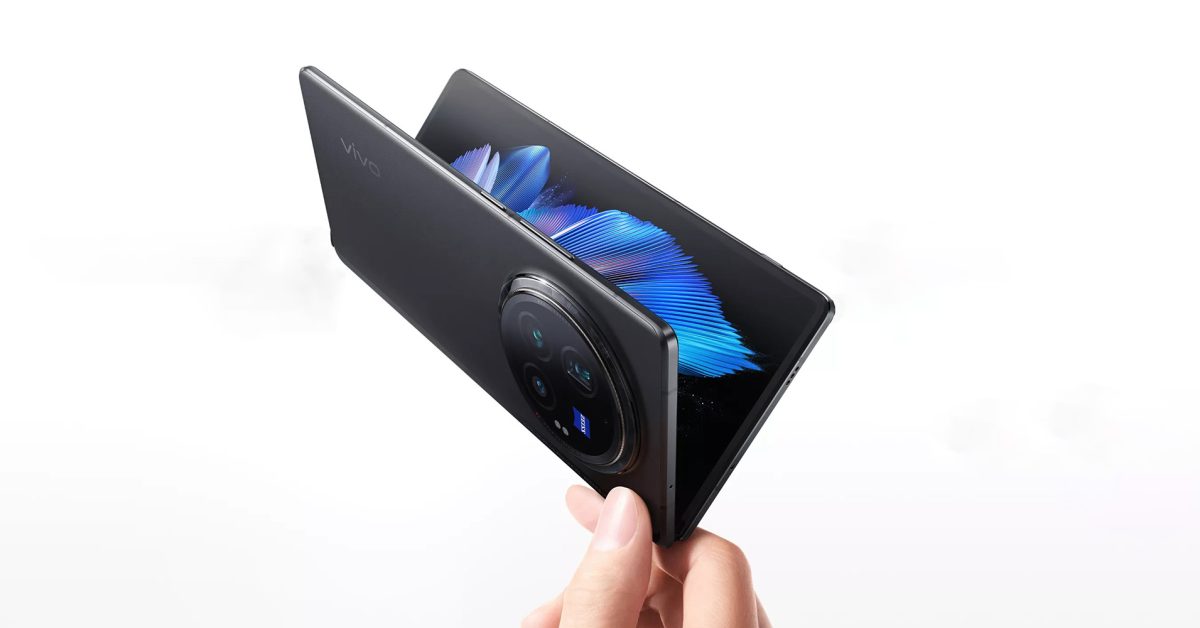
Vivo has unveiled the Vivo X Fold 3, the world's lightest foldable phone that opens like a book, weighing 219 grams and running on Snapdragon 8 Gen 2 chipset. The device features a trio of 50-megapixel cameras on the rear, an official IP rating for water resistance, and a lightweight carbon fiber hinge. Alongside the X Fold 3, Vivo also introduced the higher-end X Fold 3 Pro, which starts at 9,999 yuan (roughly $1,385) and runs on Qualcomm's Snapdragon 8 Gen 3 processor, with a large 5,700 mAh battery and support for 100-watt and 50-watt wireless charging. Both phones are currently available in China only.
Vivo has launched two new foldable phones, the X Fold 3 and X Fold 3 Pro, which are thinner and lighter than the Galaxy Z Fold 5 while featuring bigger batteries. The X Fold 3 Pro boasts a 6.53-inch OLED cover screen, 8.03-inch OLED foldable inner screen, Snapdragon 8 Gen 3 processor, 16GB RAM, and 512GB/1TB internal storage, along with a 5,700mAh battery and 100W fast wired charging. The X Fold 3, the more affordable option, offers similar impressive specifications at a lower price point. These advancements from Vivo may pose a challenge to Samsung's foldable phone dominance, potentially impacting consumer perception of Samsung's offerings.
The Vivo X Fold 3 Pro and X Fold 3 are the latest foldable smartphones from Vivo, featuring Snapdragon 8 Gen 3 and a massive 5,700 mAh battery. The Pro model also boasts a special imaging chip, 50MP wide and ultrawide cameras, and a 64MP telephoto lens at 3x. Both devices are available for pre-order in China, with the Pro starting at ¥9,999 for 16GB/512GB.
Vivo has unveiled its latest foldable phones, the X Fold 3 and X Fold 3 Pro, in China, featuring ultra-thin profiles, significant camera upgrades, and large batteries. The X Fold 3 is the thinnest and lightest foldable available, while the X Fold 3 Pro boasts a 5700mAh battery and IPX8 ingress protection, making it a strong competitor to the Galaxy Z Fold 5. With no details on a global release yet, Vivo's latest foldables are set to challenge Samsung and Honor in the foldable phone market.
Vivo has launched the X Fold 3 and X Fold 3 Pro in China, featuring slim designs, bright screens, and a Snapdragon 8 Gen 3 chipset in the Pro model, marking the first time this chipset has been used in a foldable phone. The Pro model boasts premium specs, including a 5,700mAh battery, 100W wireless charging, and a high-end camera setup, while the standard model comes with the Snapdragon 8 Gen 2 chipset and some other feature differences. The X Fold 3 series is currently available in China, with prices starting at 6,999 yuan for the standard model and 9,999 yuan for the Pro model.