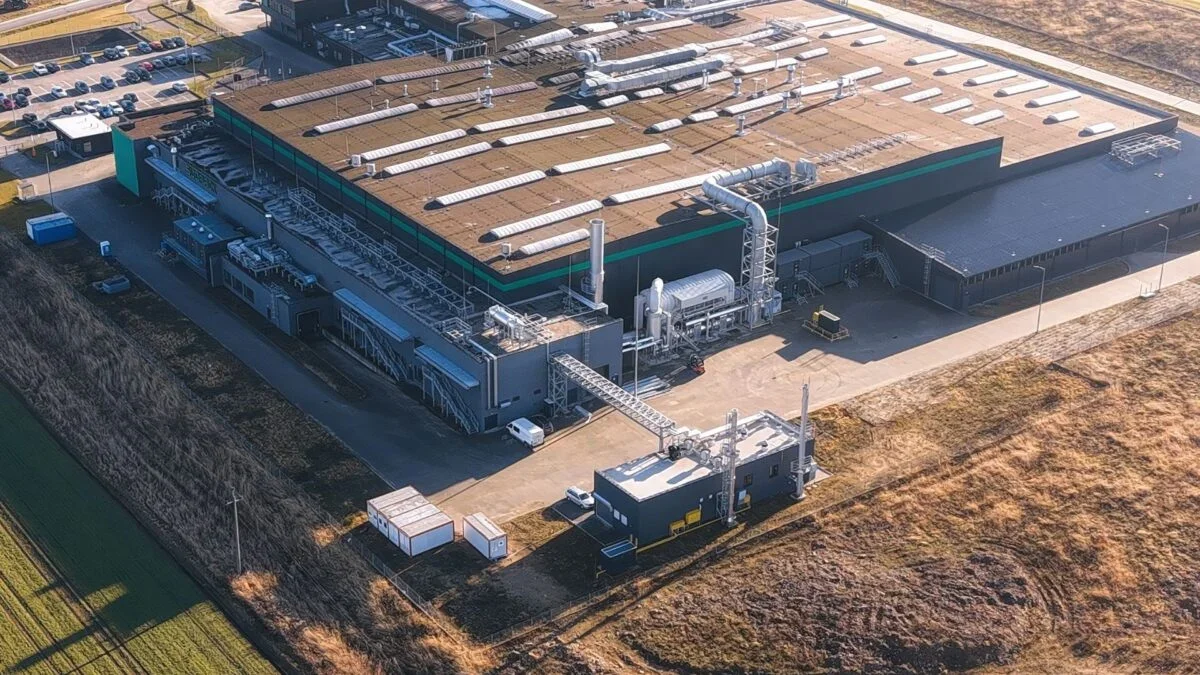
Data centers power the internet and AI, but their massive cooling and water needs are fueling a growing backlash; global electricity use by data centers was about 1.5% in 2024 and could rise by 2030, while newer designs aim to reuse water as tech giants expand capacity.
Texas is seeing hundreds of planned data centers—at least 248 in the works—driven by AI demand; supporters tout jobs and investment, but critics warn about strain on water and the grid, prompting Gov. Abbott to push tighter oversight and lawmakers to study data-center impacts ahead of the 2027 session.

Nvidia says its new AI cooling liquid can operate at 113 F, potentially reducing or eliminating the need for traditional chillers and cutting data-center water use. Adoption hinges on cost and retrofit pace, with older systems lingering for years; even with warmer cooling, the broader AI energy-water footprint depends on electricity sources and continued demand growth.
An analysis finds about two-thirds of 809 planned US AI datacenters are in drought-affected areas, setting the stage for rising water use—up to about 73 billion gallons annually by 2028—sparking local opposition and policy talks even as firms push for water-efficient cooling.
Tech giants are rethinking data-center cooling as water scarcity and local regulations threaten expansion. Evaporative cooling, which uses大量 fresh water, boosts a facility’s water footprint even as it can cut energy use; some companies (Microsoft, OpenAI, Oracle) are moving away from it, while others (like Google) pledge water replenishment, reclaimed water, and site-specific, data-driven cooling designs. SpaceX even highlighted water conditions as a potential constraint on data-center development. Analysts warn that regional water risk, seasonal demand, and the water–power trade-off will shape future designs and could invite greater public and regulatory scrutiny.
Eight proposed data centers in Hood County could strain local water and power supplies, while residents push back and officials grapple with limited authority to pause or block them amid lawsuits and a broader state policy debate; neighboring Hill County has already enacted a one-year pause, signaling a statewide regulatory crunch as Texas races to keep up with hyperscale infrastructure.
Data centers aren’t inherently good or bad for towns: the costs and benefits depend on local energy sources, grid reliability, and policy choices. Hyperscale campuses can raise air pollution and electricity bills in some places, but can also boost job creation and tax revenue, especially where grids are clean and policy is favorable. Brookings finds modest employment gains and longer‑term IT jobs in counties that host centers, while places like Loudoun County show substantial tax revenue. Water use is relatively small with closed‑loop cooling, and smart siting/regulation can tilt outcomes toward net community gains.
Utah’s Box Elder County approved Stratos, a colossal AI datacenter footprint spanning more than 40,000 acres across three sites, requiring about 9GW of power and substantial water use. Critics warn the project would stress drought-stricken water resources and worsen heat and ecological pressures on the Great Salt Lake, while supporters tout job creation and national AI competitiveness. Opponents are pursuing a referendum, and developers plan to refile a water-diversion application, promising a phased development with safeguards as state leaders call for accountability.
A UC Riverside study (not yet peer-reviewed, posted on arXiv) projects peak water demand for U.S. data centers could reach 697 million to 1.45 billion gallons per day by 2030—roughly matching New York City's daily water supply—driven by water-intensive cooling. Building this capacity could cost $10–$58 billion, with much of the financial burden on host communities; the researchers urge requiring peak-demand reporting and forging corporate–community partnerships to fund upgrades, since most operators disclose only annual usage. If water is scarce, data centers may switch to less efficient dry cooling, increasing energy use and stressing grids. The study uses a conservative peak-to-average ratio of 4.5.
Microsoft unveiled a plan to curb water use at U.S. data centers and ensure power costs don’t fall on consumers by paying higher utility rates and working with utilities to expand supply. It will publish per-region water-use data, replenish more water than it uses, train local residents for data-center jobs, and include AI-literacy programs, with Wisconsin rate-structure changes also cited to prevent pass-through of data-center costs to residents.
A report claims that the AI boom in 2025 has resulted in CO2 emissions equivalent to New York City, with AI-related water use surpassing global bottled-water demand, highlighting significant environmental impacts and calling for greater transparency and regulation of tech companies.
Cornell researchers have created a detailed roadmap showing that the rapid growth of AI data centers could significantly increase carbon emissions and water consumption by 2030, but strategic siting, grid decarbonization, and operational efficiencies could reduce these impacts by over 70%. The study emphasizes the importance of location, clean energy, and advanced cooling technologies to mitigate environmental effects and achieve sustainability goals.
A leaked internal document reveals Amazon's strategy to hide the full extent of its datacentres' water consumption, choosing to disclose only a smaller, less comprehensive figure to avoid reputational risks, despite criticism from scientists and comparisons with competitors who publish more transparent data. The company aims to be water positive by 2030 but continues to keep its total water footprint confidential, raising concerns about environmental accountability.
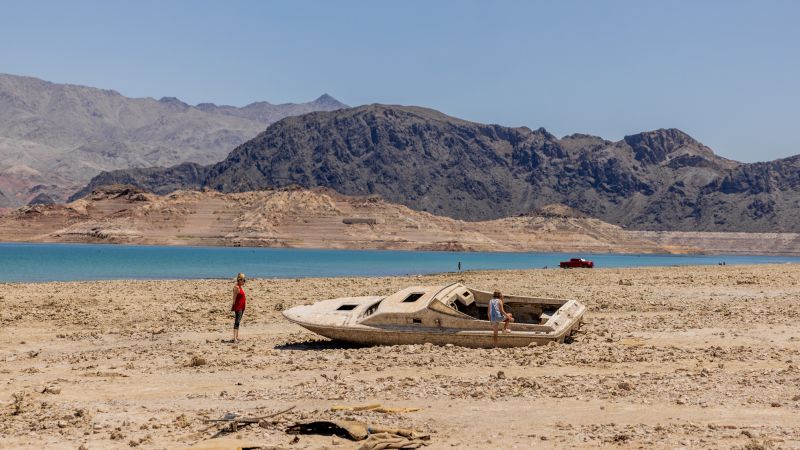
More than half of the world's largest lakes and reservoirs have lost significant amounts of water over the last three decades, with climate change and excessive water use being the primary culprits, according to a new study. The report found that 53% of the lakes and reservoirs had lost significant amounts of water, with a net decline of around 22 billion metric tons a year. The study highlights the need for proper water management as many parts of the world become hotter and drier.
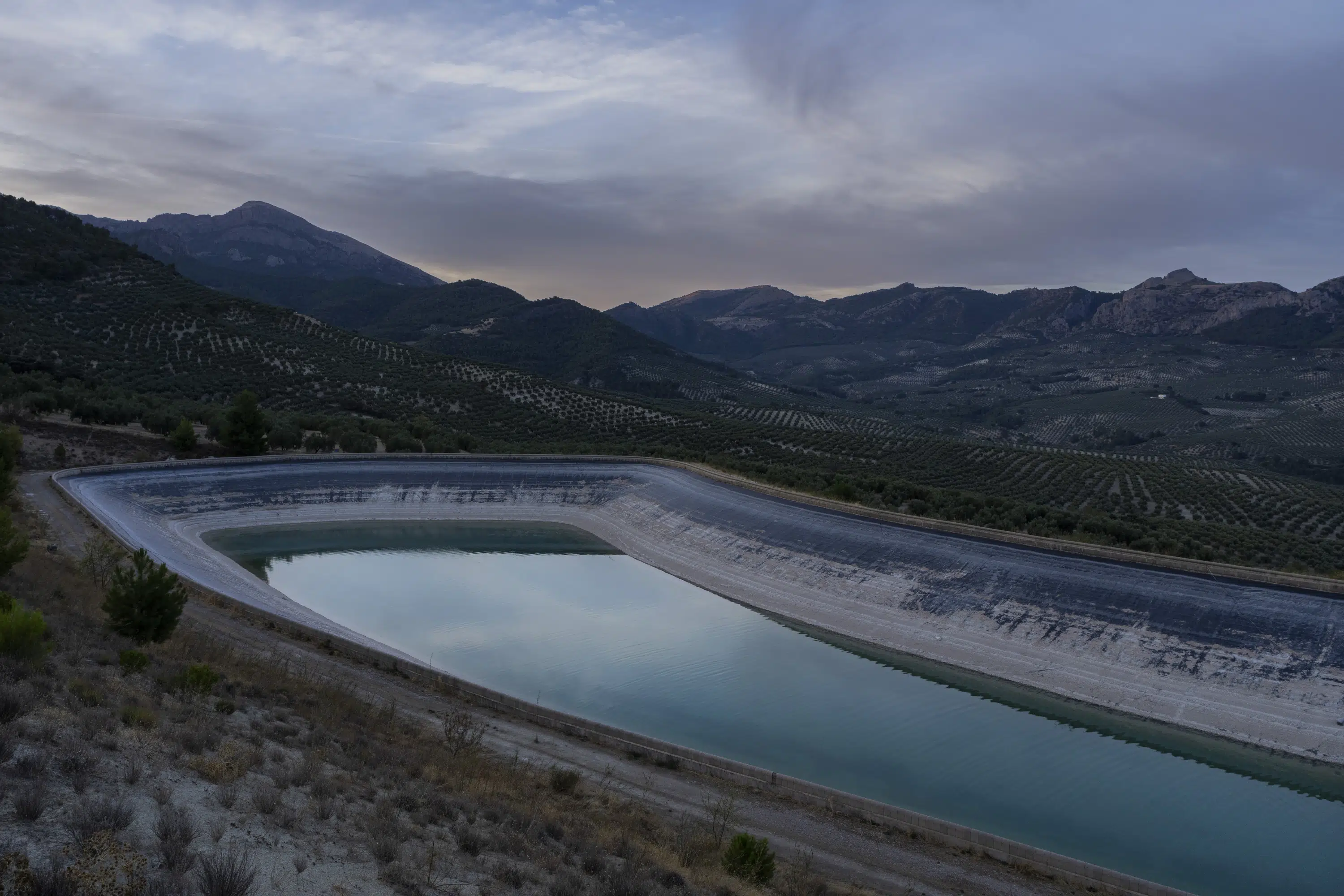
Spain's Civil Guard has arrested 26 people in Andalusia for illegal water use amid a prolonged drought, with 250 infractions identified by fruit farmers including illegal wells and boreholes in the Axarquia area. The damage to public water infrastructure is estimated at €10m ($10.95m). Spain's central government is urging increasingly strict rules on water use in Andalusia, the world's most important region for olive oil production and a key source of fruits and vegetables for the European export market.