
economy-and-politics34.025 min read
Bombardier stock sinks as Trump widens U.S.-Canada trade clash
1 month ago•Source: MarketWatch

The latest economy and politics stories, each synthesized from multiple sources with added background and context.
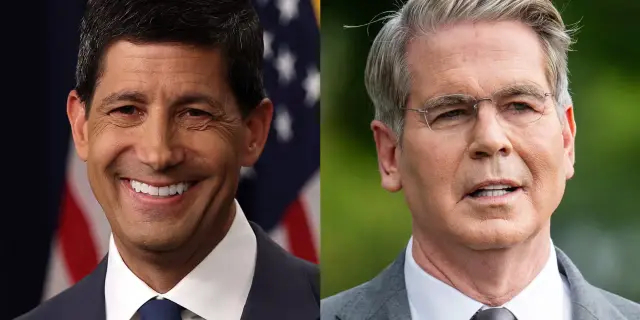
Treasury Secretary Scott Bessent signaled an activist market move to lower long-term debt costs by buying long-term bonds and financing the purchases with short-term T-bills, a plan to twist the yield curve. Analysts say the move undercuts Fed Chair Kevin Warsh's credibility and the Fed's independence, raising concerns about fiscal dominance and potentially higher borrowing costs for taxpayers despite some near-term yield relief.

MarketWatch•6 months ago
MarketWatch•6 months ago

Powell said the U.S. economy faces mixed signals: downside labor-market risks argue for keeping rates low, while upside inflation risks argue against simply staying accommodative. The Fed remains committed to returning inflation to 2%, inflation expectations look stable, and there’s no immediate rate decision due to unresolved effects from the Iran war. The Fed’s March dot plot still indicates one rate cut in 2026, underscoring uncertainty about the policy path amid opposing forces.
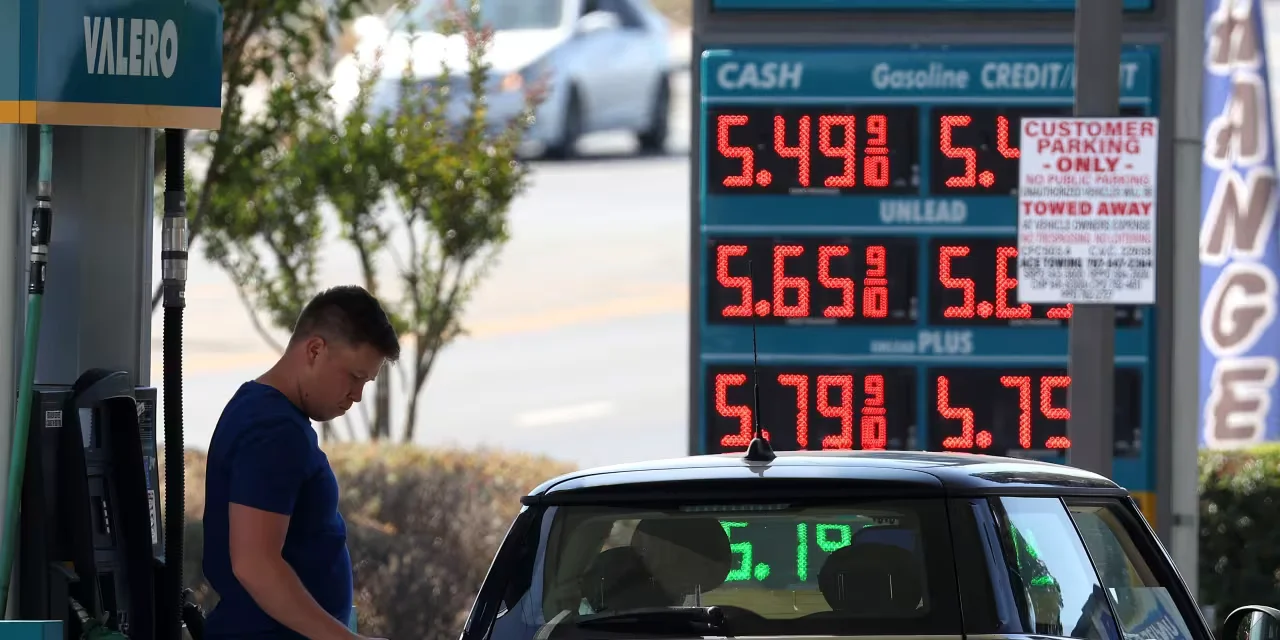
University of Michigan’s March reading shows U.S. consumer sentiment fell to 55.3 as the Iran war, higher gas prices and stock-market volatility spook households, with wealthier consumers posting the sharpest declines. Short-term inflation expectations jumped to 3.8% for the next year (vs 2.4% now), while long-run expectations eased to 3.2%. Economists warn that fading optimism among the affluent could translate into weaker spending, even as markets slid and the 10-year yield rose, signaling rising financial anxiety.
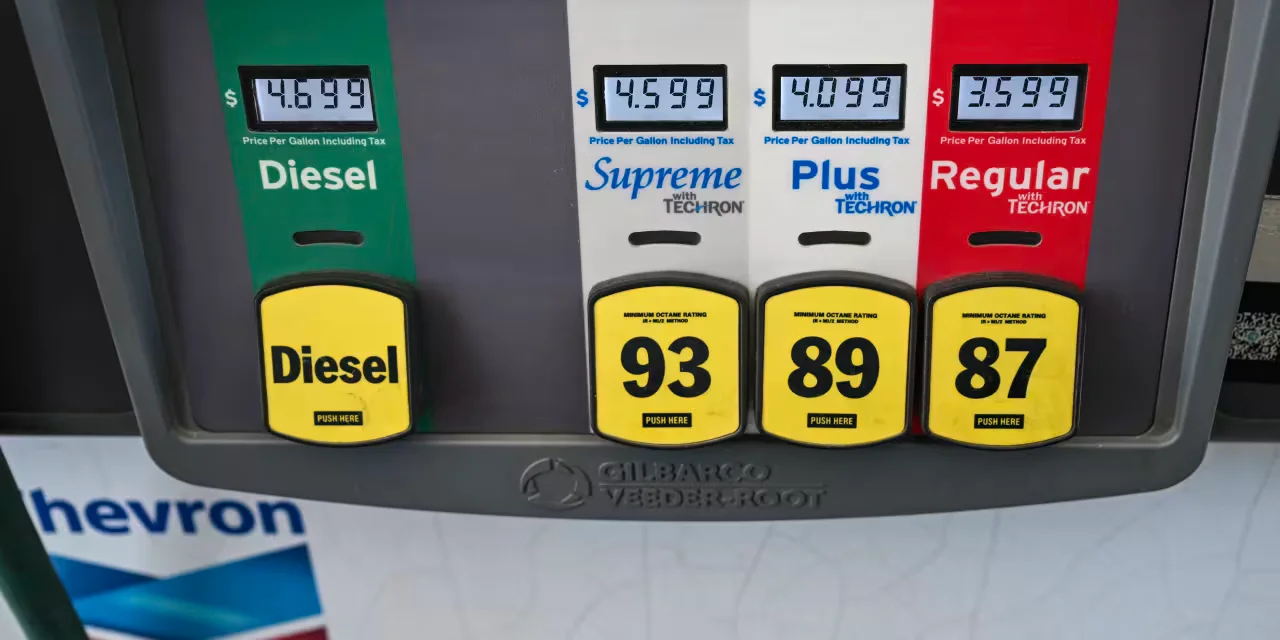
President Trump issued a 60-day waiver of the Jones Act to allow foreign-flagged tankers to carry fuel to U.S. refineries, aiming to ease supply disruptions amid Iran-related tensions. The move is described by the White House as boosting flow of vital resources, and it is the broadest Jones Act waiver in years, but analysts say near-term price effects may be modest. Oil prices rose on geopolitical developments, while Kinder Morgan (KMI), the largest U.S. tanker operator, traded lower as investors reassessed the policy’s impact on shipping costs and contracts.

First-time unemployment claims held at 213,000 in the latest week, marking a third straight week with little change and suggesting a sluggish but generally stable labor market. Continuing claims fell to 1.85 million, and economists had expected a rise to 215,000, easing concerns prompted by February’s payroll weakness.
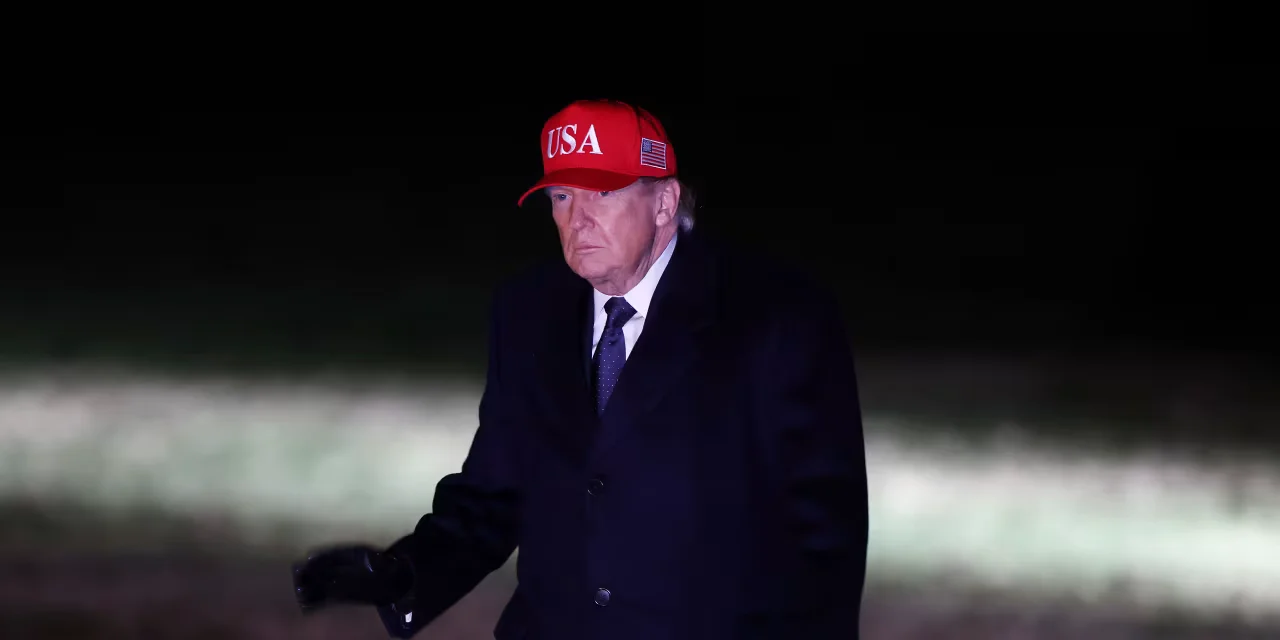
Markets price a rapid, Venezuela II–style end to the Iran conflict that would push oil lower and bolster Trump’s inflation strategy; but if the war lasts longer than a month, oil could rise, inflation could accelerate, and Fed rate cuts could be delayed, complicating his economic messaging.
Investors await January's jobs report and CPI to gauge whether inflation continues to cool while the labor market stays resilient. Economists anticipate about 55,000 new jobs with unemployment near 4.4%, a 0.3% rise in CPI (core also ~0.3%), and a 2.5% year-over-year inflation rate, possible signs the Fed could begin easing later in 2026. The Fed just left rates unchanged amid inflation concerns, but officials warn the path is uncertain, making the January data crucial for policy and markets.

Wholesale prices jumped 0.5% in December, keeping the year-over-year wholesale inflation at 3% and signaling inflation will likely stay above the Fed’s 2% target into early 2026; core prices rose 0.4% for the month, leaving the 12-month core at 3.5%. With President Trump naming Kevin Warsh as his Fed chair pick, the central bank faces the challenge of cooling inflation while keeping policy rates steady.

The U.S. trade deficit remains near record highs despite tariffs, after a brief dip earlier in 2025; November alone showed a jump to $56.8 billion as imports rose and exports fell. Even when removing tariff effects and gold flows, deficits stay large, with 2025 tracking to one of the year’s largest gaps. Economists say tariffs and a cheaper dollar help, but persistent import demand (notably from Mexico and Vietnam) and AI-related equipment needs keep the deficit elevated, even as Q4 looks to be the year’s smallest deficit and could modestly boost GDP.

Americans started 2026 in a foul mood even as the economy shows growth and unemployment remains low, with consumer confidence sinking to a 12-year low (84.5). Persistent inflation around 3% and a softer job market weigh on sentiment, underscoring a disconnect between strong headlines and public mood.
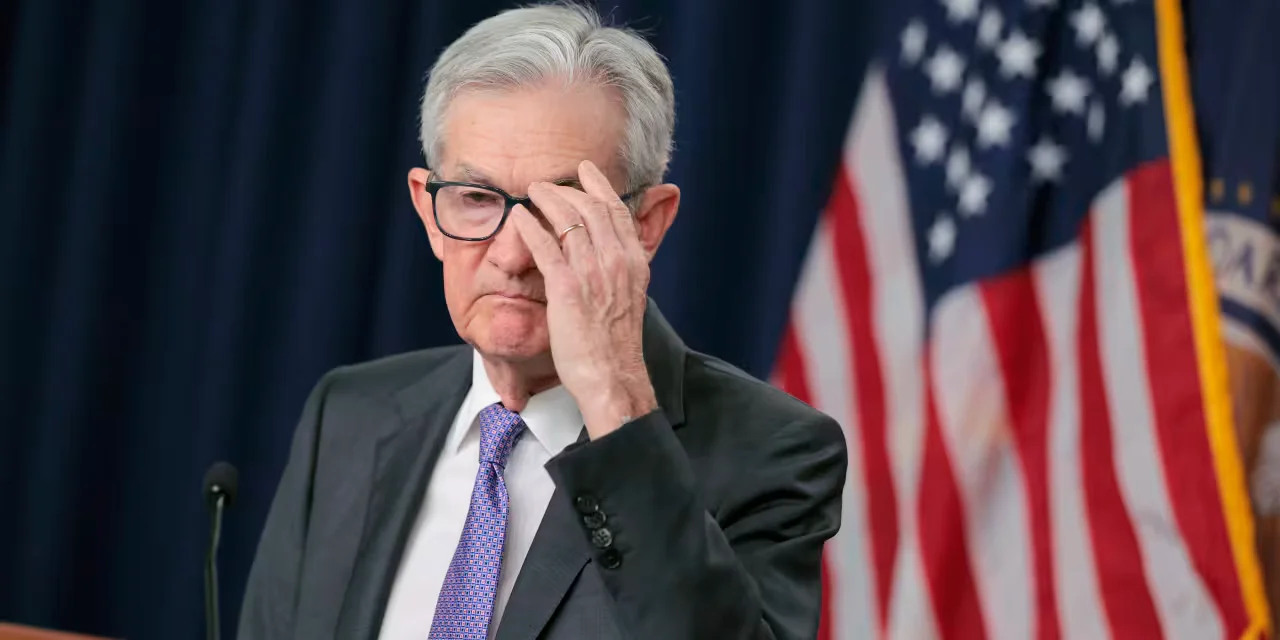
Federal Reserve officials are expected to hold rates this week, while markets price in the first potential cut around July and economists remain divided on whether there will be any cuts this year, with some predicting a June move and others forecasting none, all amid inflation stuck above target and a still-important role for the labor market in the trajectory.