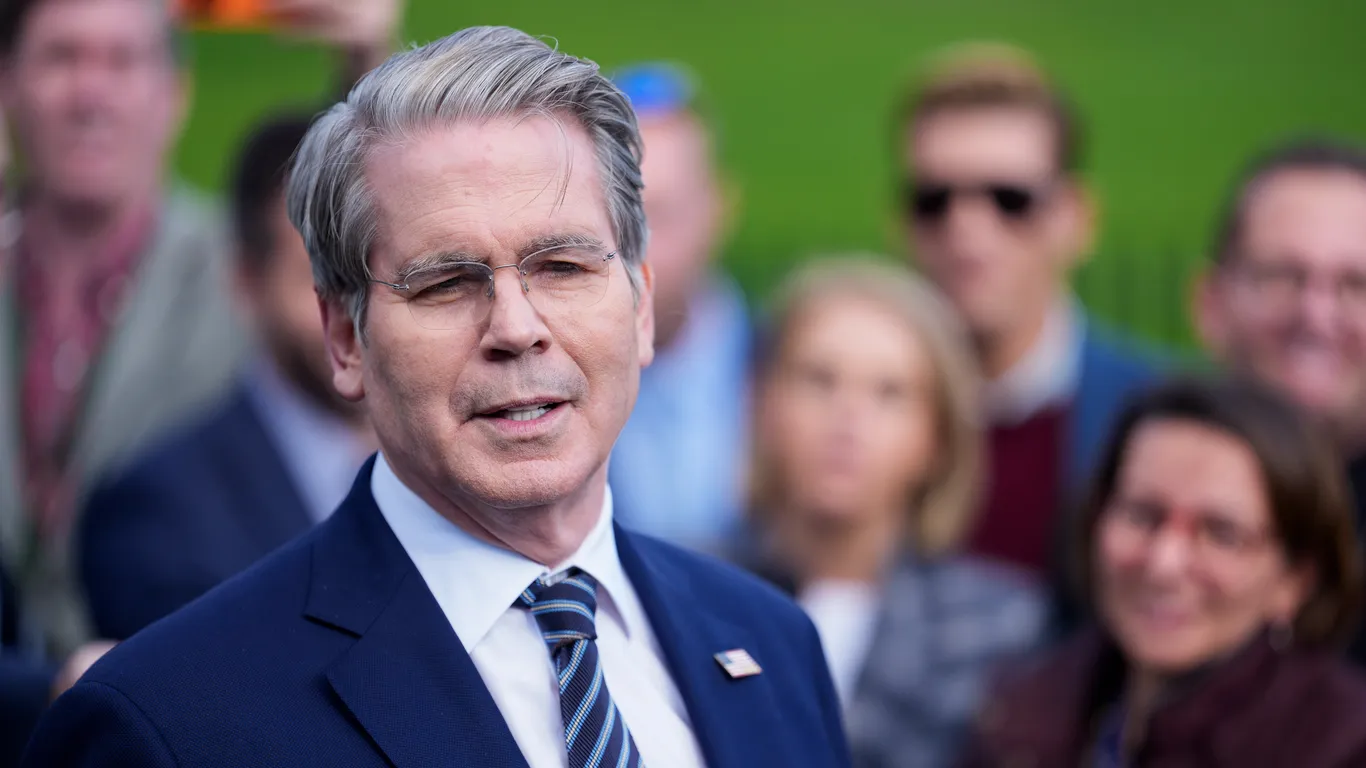
U.S. lawmakers are urging the Treasury to sanction Chinese banks that facilitate Iranian oil trade, despite concerns that such moves could destabilize global finance and jeopardize a fragile U.S.-China trade truce.
Long-term U.S. Treasury yields have surged to multi-decade highs, signaling a return of market discipline after 14 years of Federal Reserve financial repression. Despite Treasury Secretary Scott Bessent’s attempts to suppress yields through joint currency interventions and doubled bond buybacks, yields rebounded within days. The 30-year yield touched 5.34%, and the 10-year approached 4.74%, reflecting investor demands for higher compensation due to persistent deficits and inflation risks. This shift has triggered a rotation away from high-multiple tech stocks toward hard assets like gold and Bitcoin, while raising concerns about the stability of leveraged hedge fund positions in the bond market.
Crypto markets stirred after signs Washington is moving toward a clearer rulebook for digital assets: Bitcoin climbed about 2.5% toward $67,000, Coinbase rose as much as 13%, and Ether traded around $1,950 after Scott Bessent said lawmakers were at the ‘1-yard line’ on the Clarity Act, with analysts noting an improved technical and institutional backdrop and suggesting a breakout could follow if the bill clears Congress before recess.
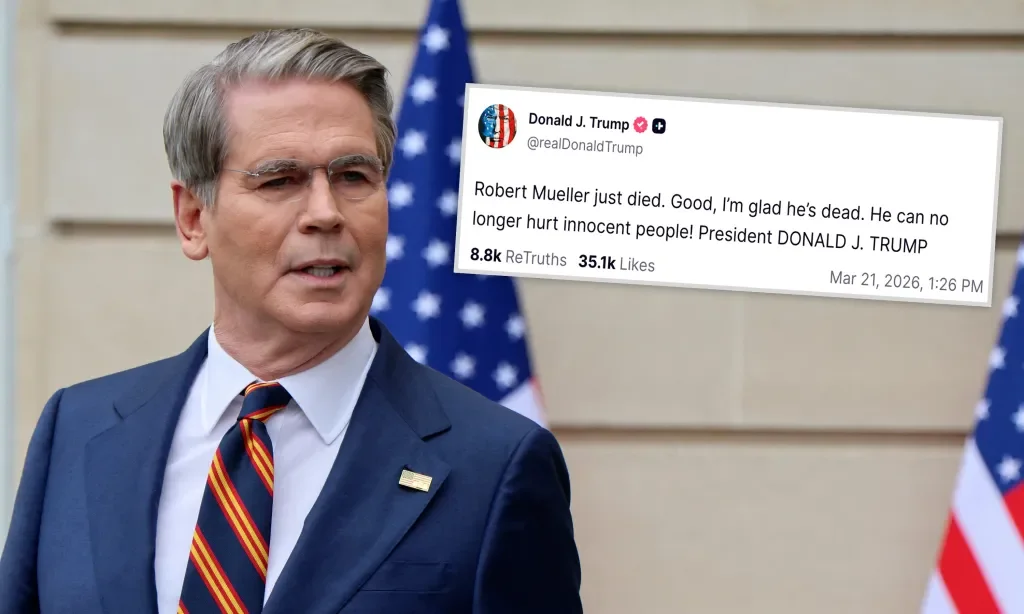
Donald Trump posted on Truth Social that he was glad Robert Mueller had died, triggering sharp backlash from Democrats and many Republicans, while a small group of Trump supporters defended him. Treasury Secretary Scott Bessent defended the president by urging empathy for what Trump and his family have endured, and commentators including Ty Cobb criticized the reaction as petty and undignified, illustrating a split in public and political response.
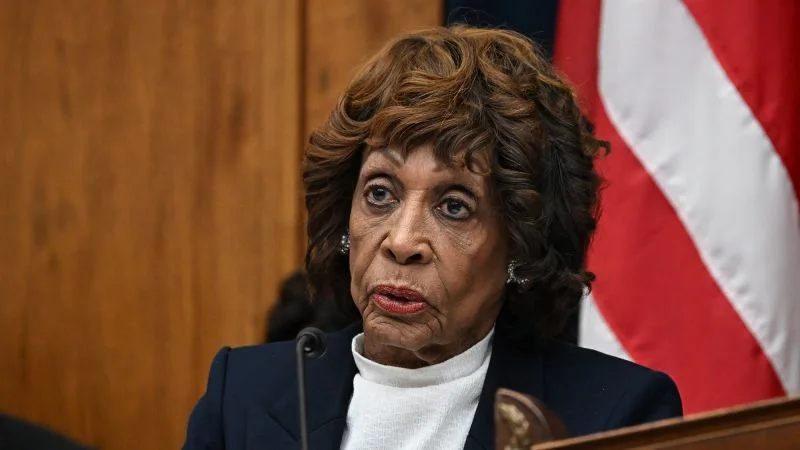
During a House Financial Services hearing, Rep. Maxine Waters pressed Treasury official Scott Bessent as he argued tariffs are not inflationary, while Waters warned tariffs have raised prices on goods and housing costs. Analysts note tariffs can create one-time price increases and financial uncertainty, whereas unemployment tends to spike briefly before easing. The discussion also touches on housing affordability, with lumber prices and immigration cited as factors in supply and demand. The piece frames tariffs’ real-world impact as central to voters’ views on affordability ahead of the 2026 elections.
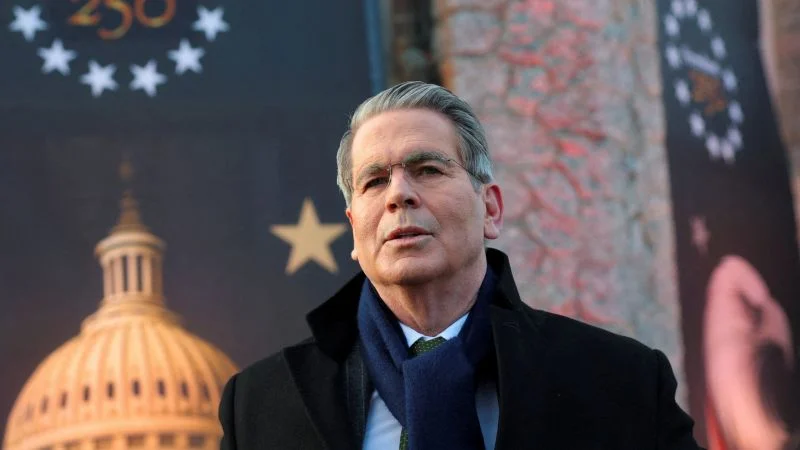
At Davos, Treasury Secretary Scott Bessent acted as the administration’s market whisperer, publicly defending Trump’s Greenland tariff pressure as a national-security lever and urging investors not to overreact, while privately reassuring Wall Street and steering a neutral four-way Fed chair shortlist. His aggressive public stance aimed to show market steadiness even as tariffs fluctuated, helping markets recover after early volatility and underscoring his central role in balancing Trump’s economic agenda with financial-market expectations.
Treasury Secretary Scott Bessent says President Trump may decide on the next Federal Reserve chair as early as next week, with four candidates remaining and Trump having spoken to all of them. He also called Powell's Supreme Court appearance a mistake and stressed Fed independence, while expressing optimism about a nascent productivity boom in the U.S.
Treasury Secretary Scott Bessent criticized Fed Chair Jerome Powell for attending Supreme Court arguments on the Fed's independence, calling the move a mistake that could politicize the central bank; he spoke at Davos and noted that he himself attended a tariff case.
At Davos, Scott Bessent outlines a bold, America-first economic narrative—promoting U.S. growth and global dominance while Trump plans to press domestic priorities and sharply critique European stagnation, with a media strategy centered on MAGA-friendly outlets.
Treasury Secretary Scott Bessent indicated that the US and China are moving towards de-escalating their trade tensions, with China expected to make substantial soybean purchases and avoid an additional 100% tariff, while some export restrictions may remain in place.
Treasury Secretary Scott Bessent, also a soybean farmer, expressed his shared pain with farmers affected by China's halt on U.S. soybean purchases due to the trade war, and discussed a potential deal with China that could include relief for farmers.
US officials, including Bessent, are engaging in talks with China to prevent a new trade war, emphasizing the importance of resolving issues like China's rare earth export restrictions through diplomacy and warning of potential countermeasures if negotiations fail.
A heated confrontation at a private dinner revealed a violent feud between Treasury Secretary Scott Bessent and Federal Housing Finance Agency Director Bill Pulte, involving threats and profanity, amid ongoing disputes over government financial initiatives.
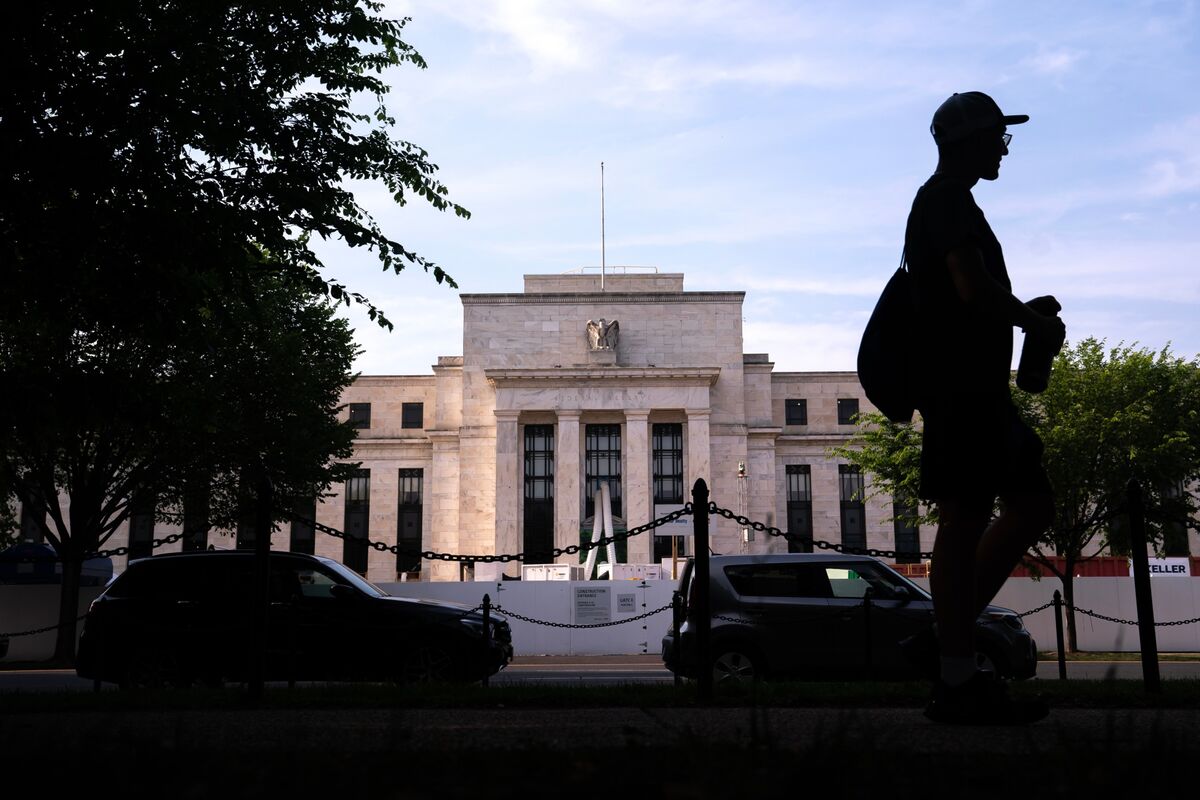
Deutsche Bank strategists dispute Treasury Secretary Scott Bessent's claim that the Fed's interest rate is significantly above model indications, arguing that current rates are within the range suggested by monetary policy rules and that a modest cut could be justified, despite ongoing debates and differing views within the Fed.
Treasury Secretary Scott Bessent advocates for banning individual stock trading by members of Congress, aligning with bipartisan efforts to improve congressional ethics and restore public trust amid ongoing debates and opposition within Congress.