Tag

Cell Division

All articles tagged with #cell division

Lab-made SpudCell: lifelike but not autonomous
science1 month ago

Lab-made SpudCell: lifelike but not autonomous

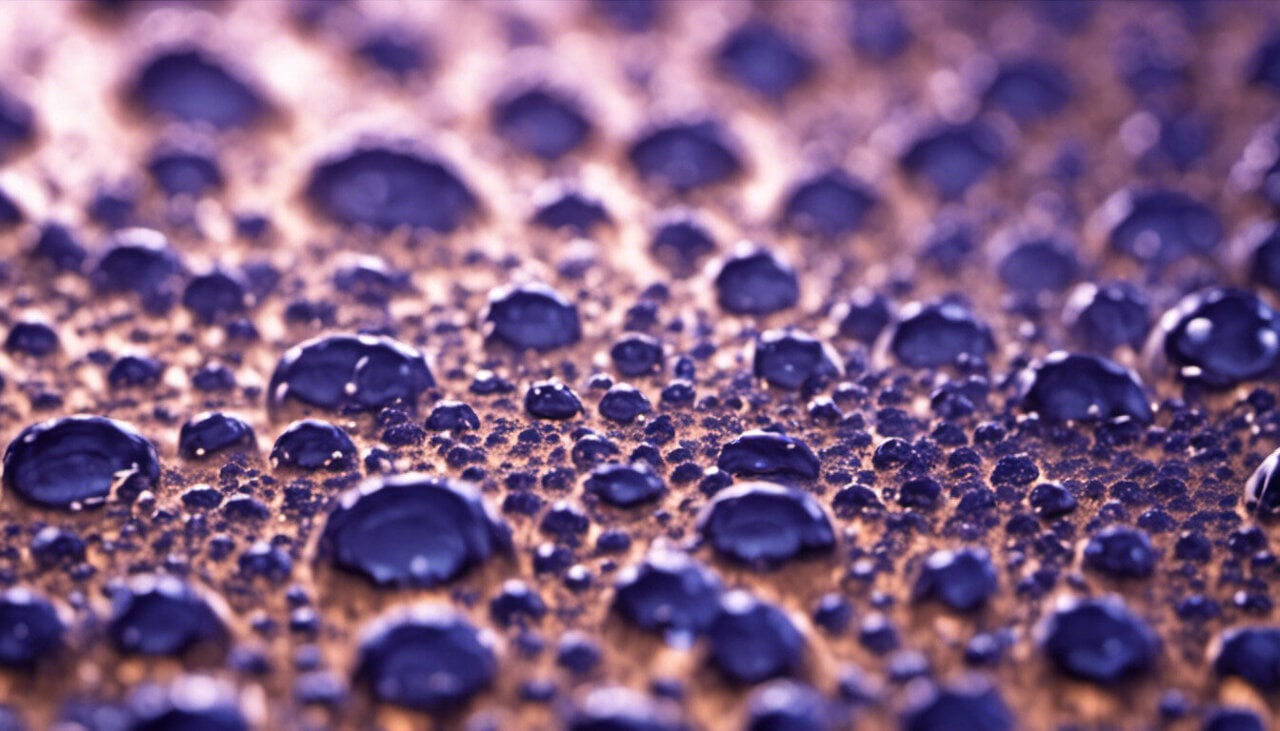
Scientists report SpudCell, a bottom‑up synthetic cell built from 36 purified enzymes and a fatty membrane with a minimal genome, which can feed, grow, and divide in a dish. However, it cannot produce its own energy, lacks full ribosomal machinery, and relies on externally supplied fats, sugars, and enzymes; its genome is distributed on plasmids and cell division can be imperfect. Described as a proof‑of‑principle rather than a living, autonomous organism, the work could someday enable new on‑demand chemical or pharmaceutical production, but peer review is pending and some scientists urge caution about hype and autonomy claims.
When Pulled, the Cell’s Spindle Gets Stronger
science1 month ago

When Pulled, the Cell’s Spindle Gets Stronger

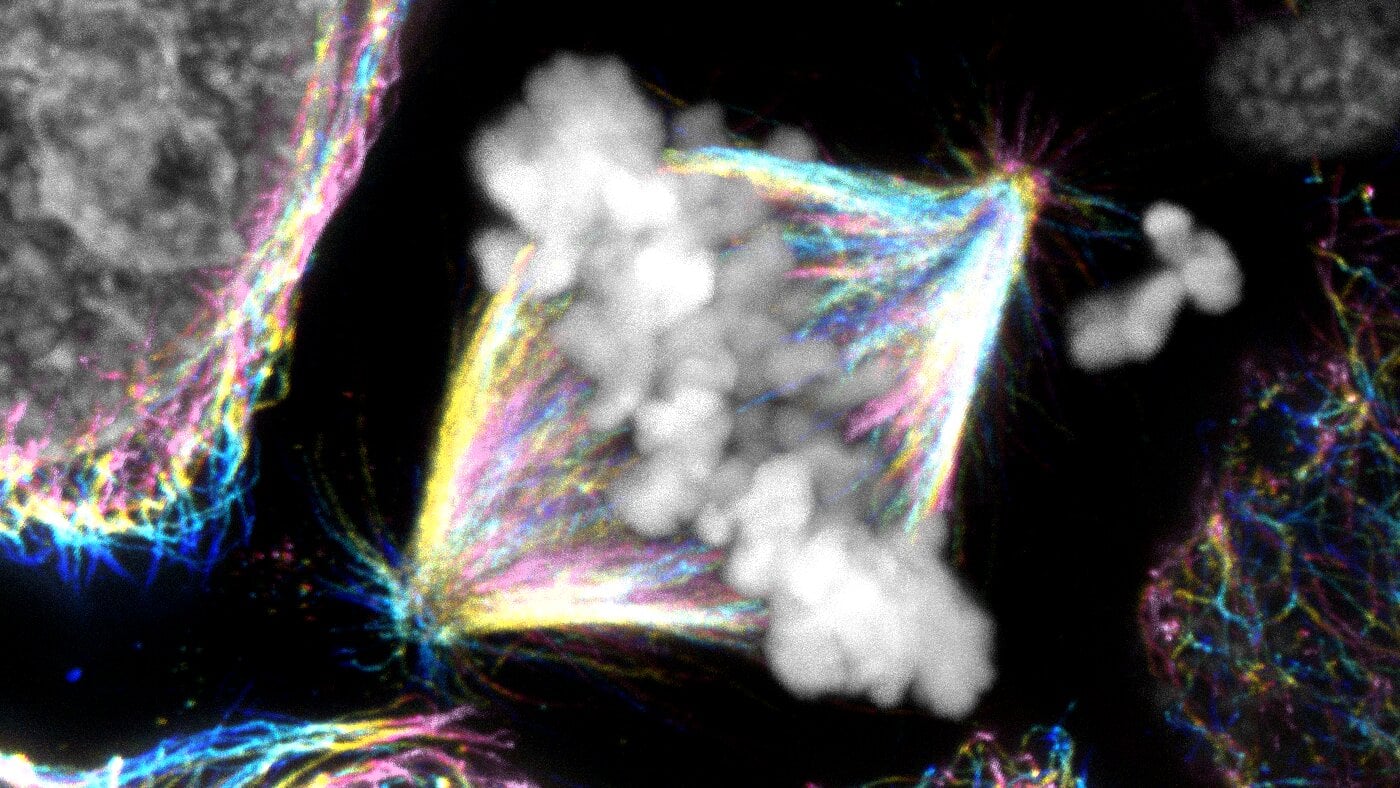
Researchers used microneedles to stress the mammalian mitotic spindle during cell division and found the spindle self-stabilizes under force: damaged midsections are reinforced by more stable microtubule segments, with EB1 tagging marking repair sites. This mechanism helps the spindle withstand the forces of chromosome separation and could inspire resilient designs in engineering.

Digital birth of a bacterial cell: a full-scale virtual division
science5 months ago

Digital birth of a bacterial cell: a full-scale virtual division

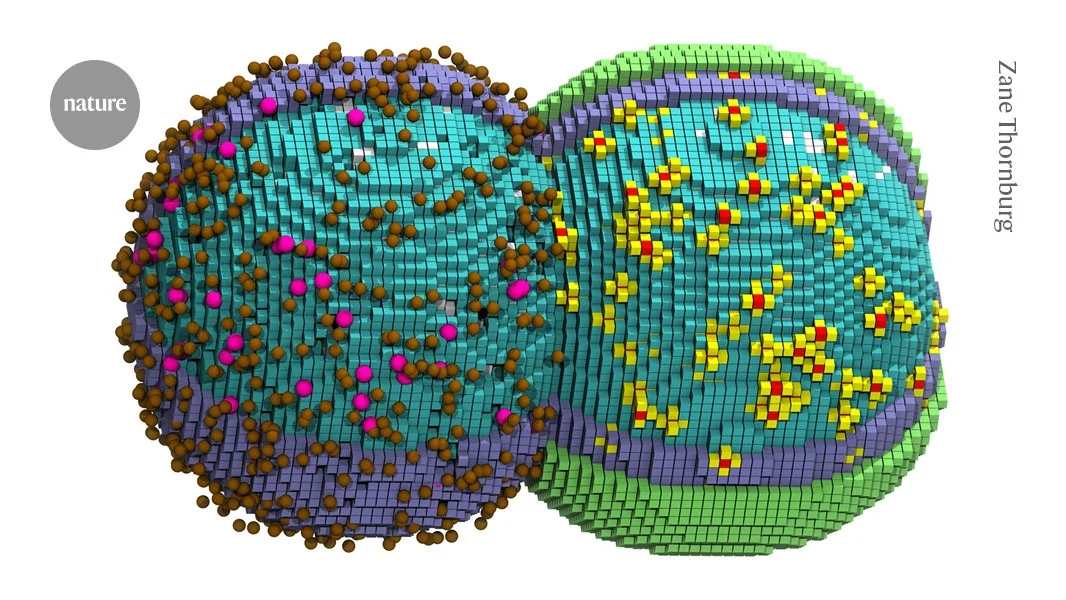
Researchers built a three‑dimensional computer model that simulates nearly every chemical reaction in a minimal bacterial cell (JCVI‑Syn3a), producing a virtual cell that copies its DNA and divides in about 105 minutes. The full simulation ran for six days on a supercomputer and required simplifying assumptions, but it demonstrated coherent, life‑like cellular processes across the cell cycle.

Giant embryonic cells divide via a mechanical ratchet, not a closed actin ring
science5 months ago

Giant embryonic cells divide via a mechanical ratchet, not a closed actin ring

Researchers studying zebrafish embryos found that very large embryonic cells can divide without a fully closed actin contractile ring. Instead, they use a 'mechanical ratchet' system where cytoskeletal fibers and cycles of cytoplasmic stiffness—stabilized by microtubules—drive the contractile band inward step by step across several cell cycles, reshaping textbook views of cytokinesis in large eggs.

Embryo Cell Division Driven by Mechanical Ratchet, Not a Full Contractile Ring
biology7 months ago

Embryo Cell Division Driven by Mechanical Ratchet, Not a Full Contractile Ring

Researchers from the Brugués group at TU Dresden report in Nature a new mechanism for early embryonic cell division in yolk-rich cells: a mechanical ratchet that drives division without a fully closed actin contractile ring. By showing microtubule asters stiffen the cytoplasm during interphase and the cytoplasm becomes more fluid in M-phase, they find the actin band can ingress across multiple cell cycles, anchored by microtubules and re-stabilized when the cytoplasm stiffens again. This challenges textbook models and may apply broadly to yolk-rich embryos across species.

"Cell Memory: Proteins and Division Efficiency"
science2 years ago

"Cell Memory: Proteins and Division Efficiency"

Scientists have discovered a "mitotic stopwatch" mechanism that allows individual cells to remember and respond to problems during cell division. This system involves a complex of proteins, including p53, which forms when mitosis takes longer than usual. The complex, consisting of p53, ubiquitin-specific protease 28, and p53-binding protein 1, helps stabilize p53 and can stop future cell divisions if present at high levels. Defects in this mechanism are frequently found in tumor samples, highlighting its role in tumor suppression. This discovery sheds light on how cells store memories of cell division problems and adds to the complex network of pathways involving p53 in cellular activities.

"Breakthrough: First-Ever Images Capture Cell Building Its Molecular Highway"
science-and-technology2 years ago

"Breakthrough: First-Ever Images Capture Cell Building Its Molecular Highway"

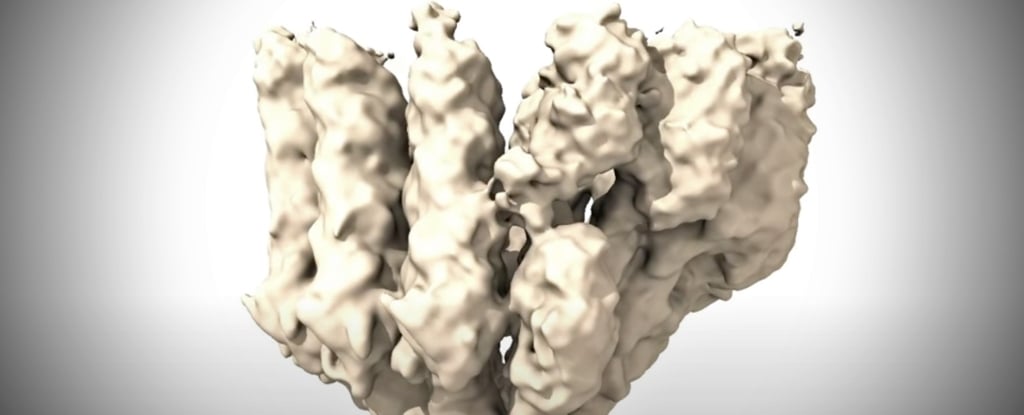
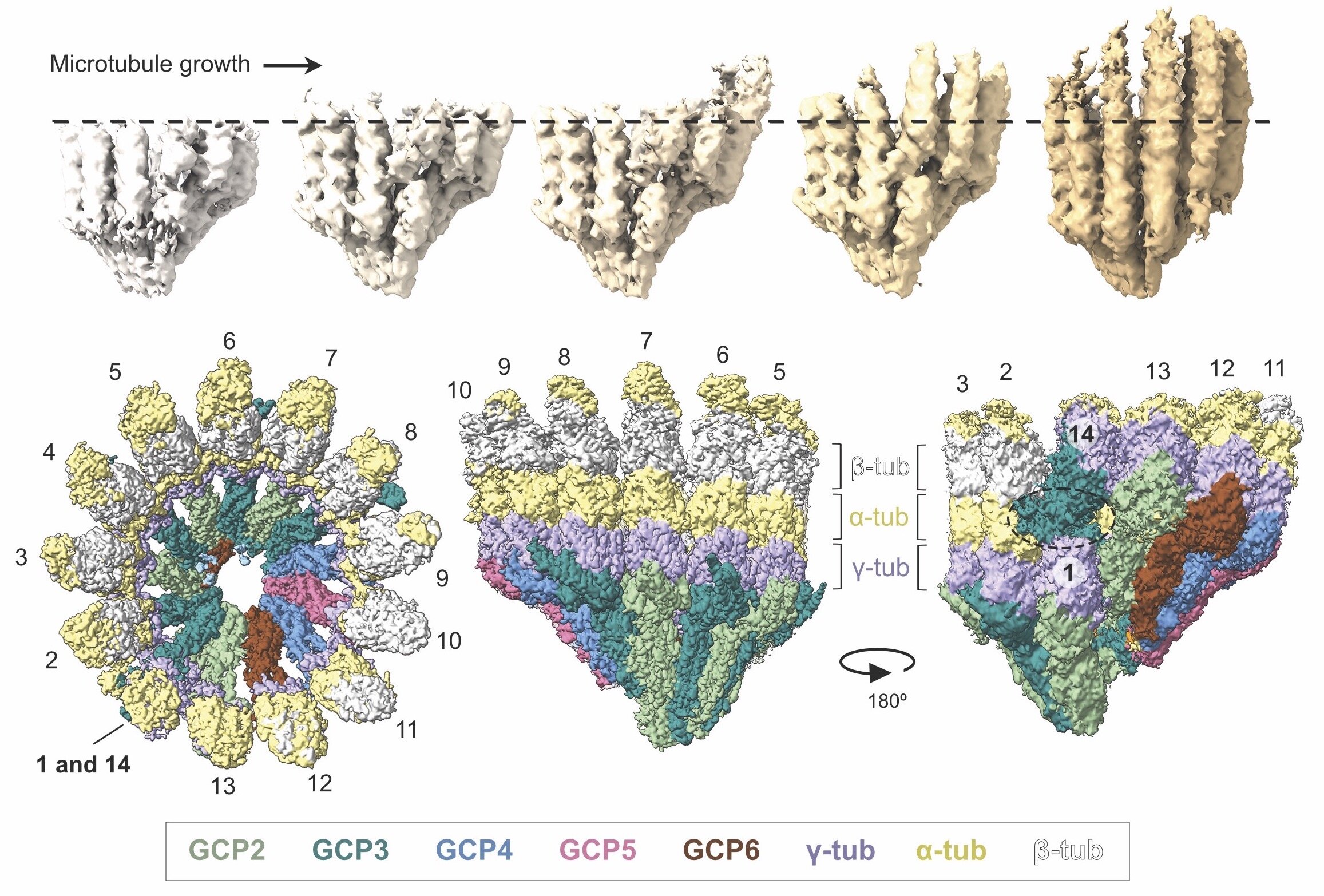
Scientists in Spain have captured the first detailed images of a human cell's microtubule formation process, shedding light on how these structures are built during cell division. The discovery could lead to targeted treatments for cancer and other conditions, as microtubules play a crucial role in cell biology. The high-resolution visuals and atomic-scale film reveal the intricate process of microtubule nucleation and the role of the gamma-tubulin ring complex (γ-TuRC) in guiding their formation. Understanding this process may offer new therapeutic approaches and insights into preventing cancer cells from dividing.

"Capturing the Construction: Unveiling the Molecular Highways of Cell Division"
science2 years ago

"Capturing the Construction: Unveiling the Molecular Highways of Cell Division"

Researchers have captured the first atomic-scale "movie" showing how human cells initiate the construction of microtubules, crucial structures involved in cell division and various cellular functions. The study, published in Science, reveals the process of microtubule nucleation, shedding light on the formation of these tiny tube-shaped structures and their role in pulling apart duplicated genetic material during cell division. The findings provide fundamental insights with potential implications for treating diseases such as cancer and neurodevelopmental disorders, offering a basis for developing more targeted therapeutic approaches.

Revealing the Truth: Common Chemotherapy Drugs' Unexpected Ineffectiveness
health2 years ago

Revealing the Truth: Common Chemotherapy Drugs' Unexpected Ineffectiveness

New research challenges the traditional understanding of how microtubule poisons, a class of cancer drugs, work. Instead of simply halting cancer cell division, these drugs alter the process, sometimes causing new cancer cells to die. The study sheds light on why previous attempts to discover new chemotherapy drugs based on stopping cell division have been disappointing. Researchers now suggest focusing on disrupting the cell division process differently to improve cancer treatments.

Cell Division Remnant: A Potential Culprit in Cancer Spread
health2 years ago

Cell Division Remnant: A Potential Culprit in Cancer Spread

Researchers have discovered that the midbody remnant, previously thought to be a cellular waste product, contains genetic material that can influence the fate of other cells, including promoting the development of cancer. The midbody, formed during cell division, contains RNA and cellular machinery necessary for protein production. These RNA blueprints are not related to cell division but instead play a role in cell communication and activities such as pluripotency and oncogenesis. Midbody remnants can be released into the bloodstream and taken up by other cells, potentially altering their behavior. The findings suggest that targeting midbody RNA could be a promising approach for cancer detection and therapeutics.

Unveiling the Intricacies of Cell Division: A Groundbreaking Revelation
science-and-technology3 years ago

Unveiling the Intricacies of Cell Division: A Groundbreaking Revelation

Researchers have developed a new imaging process called PINE nanoscopy, which uses scattered light instead of fluorescent molecules to observe cellular processes like cell division. By imaging randomly distributed gold nanorods, the system allows for longer observations at a highly detailed resolution. Using this technique, scientists were able to observe the behavior of actin molecules during cell division, discovering that actin expands when the cell contracts and vice versa. This breakthrough could lead to a better understanding of how molecular defects in tissues and organs contribute to disease development.

"Comparing Behaviors: Cells in Confinement and People in Crowds Exhibit Similarities, Study Finds"
science3 years ago

"Comparing Behaviors: Cells in Confinement and People in Crowds Exhibit Similarities, Study Finds"

A study conducted by biophysicists from the University of Chicago has found that living cells in confinement behave similarly to people in crowds. The researchers observed that cells adjust their size while growing alongside other cells in sheets of tissue. The study provides insights into how cells regulate their growth and division, which is crucial for understanding tissue development and growth. The findings may have implications for cancer treatments and tissue engineering.