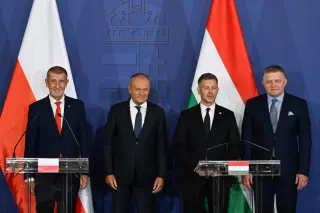
Leaders from Hungary, Poland, the Czech Republic and Slovakia gathered in Budapest to reboot the Visegrad Group (V4), signaling renewed regional cooperation as Hungary prepares to hand the presidency to Slovakia and push a more coordinated stance within Europe.
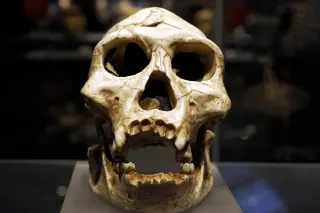
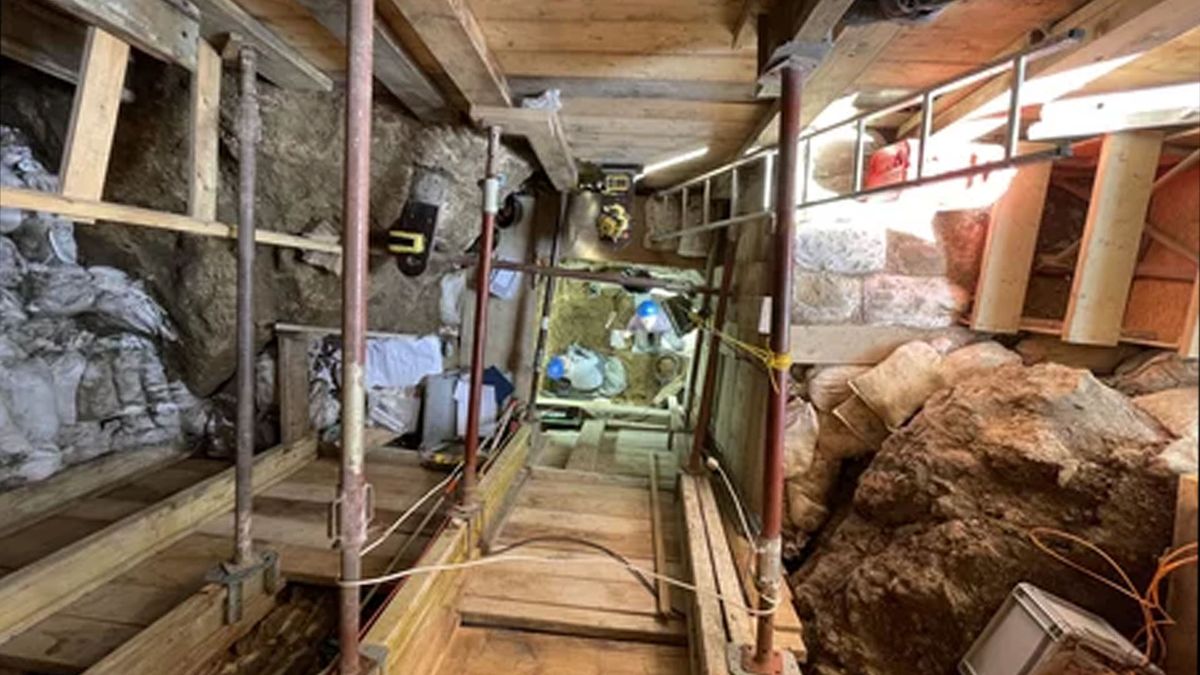
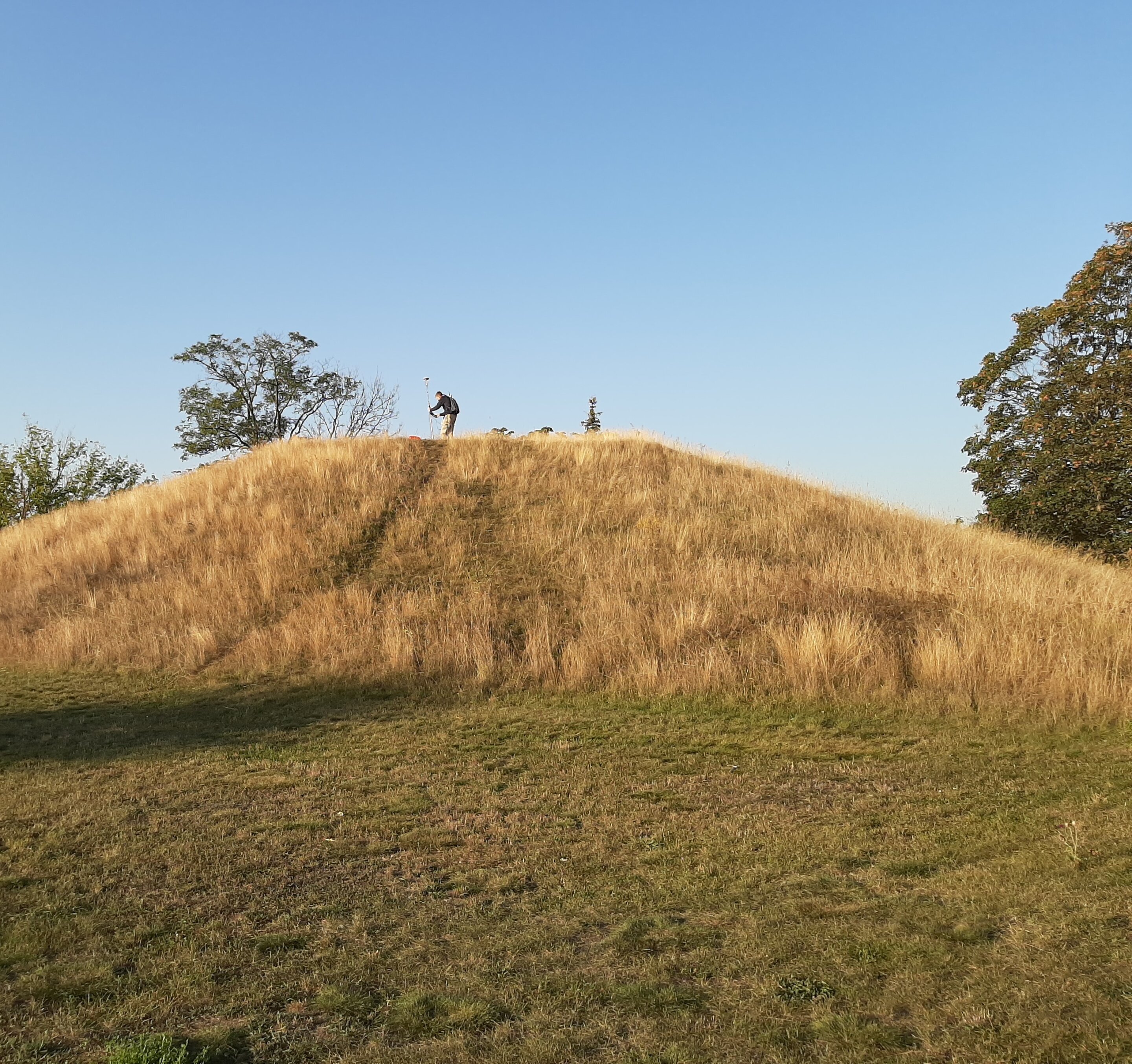
A team analyzed mitochondrial DNA from eight Neanderthal teeth found in Stajnia Cave, Poland, recovering data from at least seven individuals who lived about 100,000 years ago. This offers the first cohesive genetic snapshot of a small Central‑Eastern European Neanderthal group, showing a maternal lineage also found in Neanderthals across Iberia, SE France, and the northern Caucasus—suggesting a once‑widespread lineage later replaced. Some teeth (juveniles and an adult) share mtDNA, implying kinship, and links to Thorin from Mandrin Cave (France) dating ~50,000 years ago emerge, underscoring the region’s role in Neanderthal history and the need to integrate archaeology, radiocarbon dating, and genetics while noting uncertainties near calibration limits.
Authorities in Central Europe have initiated a recall of HiPP baby food following a scare over rat-poison contamination, asking consumers to discard affected products and check packaging for lot information.
U.S. Secretary of State Marco Rubio began a Central European tour, meeting Slovakia’s Robert Fico and visiting Hungary’s Viktor Orbán to deepen cooperation on nuclear energy, energy diversification, and military modernization, while discussing Ukraine peace efforts and migration policy. Slovakia eyes US nuclear reactors and Hungary pursues LNG and broader energy partnerships, both countries skeptical of EU policies like REPowerEU and aligned with Trump’s agenda, as Rubio’s talks also touch on regional security and peace initiatives.
Freezing rain and icy conditions disrupt travel across central and eastern Europe, forcing flight diversions and airport restrictions in Vienna and Prague, with Budapest experiencing halted arrivals/departures. Rail and tram services face cancellations or delays, some trains and routes replaced by buses, and authorities warn of further disruptions as winter weather persists; travelers should check updates before setting off.
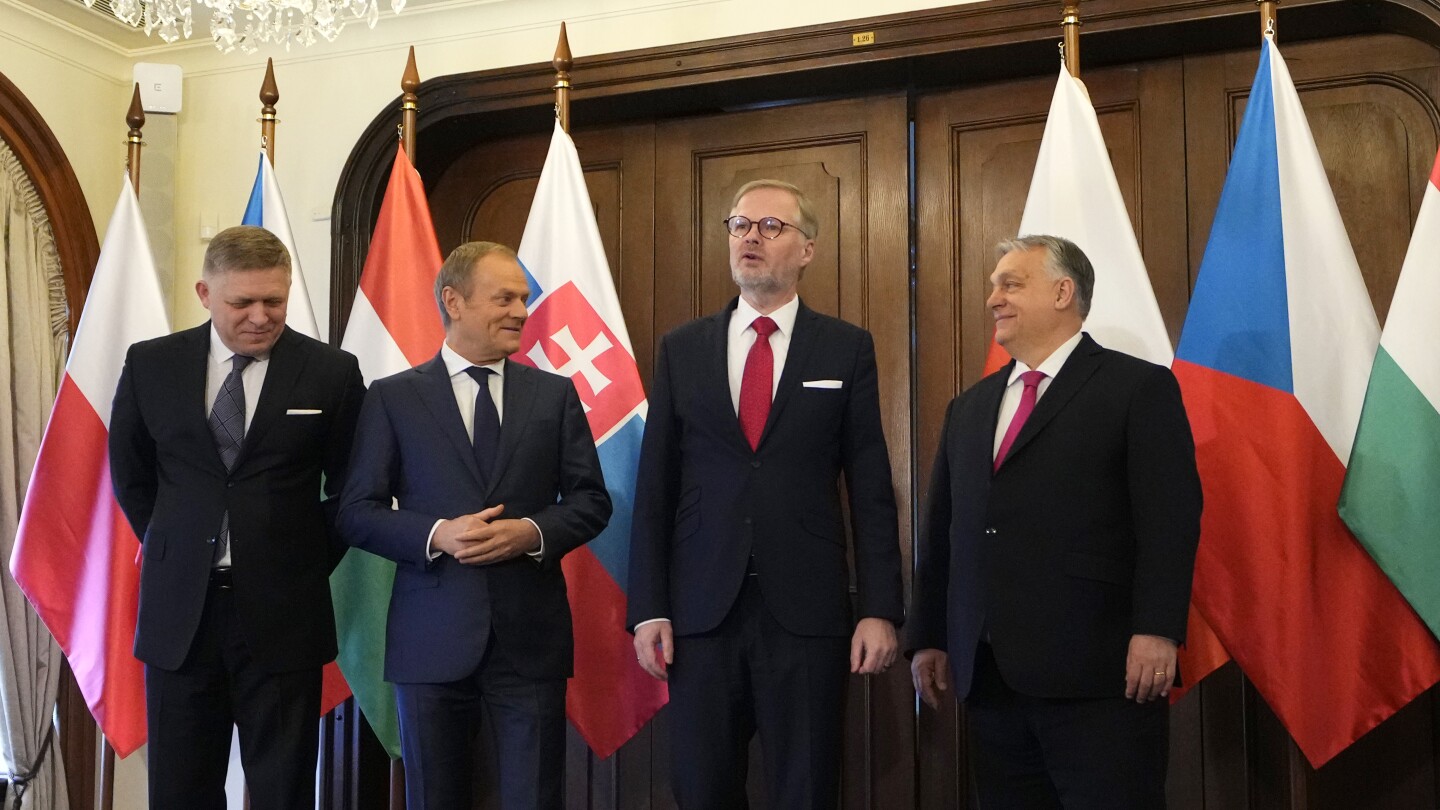
The prime ministers of the Czech Republic, Hungary, Poland, and Slovakia, members of the Visegrad Four, are deeply divided over the Russian war against Ukraine, with the Czech Republic and Poland supporting Ukraine, including arms deliveries, while Hungary and Slovakia have sharply different views. The Czech Republic and Poland have condemned Russia's aggression, while Slovakia and Hungary have refused to provide arms to Ukraine and have differing views on the conflict's resolution. The division was evident at a recent meeting, highlighting the challenges in forming a unified stance within the Visegrad Four on the Ukraine crisis.
The discovery of 13 bone fragments in a German cave dating back 44,000 to 47,500 years ago suggests that modern humans arrived in Central Europe much earlier than previously thought, coexisting with Neanderthals for thousands of years. The findings challenge the idea of a rapid replacement of Neanderthals by modern humans and indicate that multiple waves of human groups may have colonized Europe. The research sheds light on the interactions between Homo sapiens and Neanderthals during the Middle-to-Upper Paleolithic transition and suggests that early modern humans had the technical capabilities to adapt to harsh climates.
A study published in PLOS ONE suggests that climate change had a significant impact on human populations during the Neolithic and Bronze Age in Central Europe. Researchers analyzed archaeological remains and climate data from three regions and found a correlation between climate fluctuations and population trends. Warmer and wetter periods saw population increases, likely due to improved crops and economies, while colder and drier periods often led to population decreases and cultural shifts. The study highlights the importance of understanding the relationship between humans and the environment in the context of changing climates.
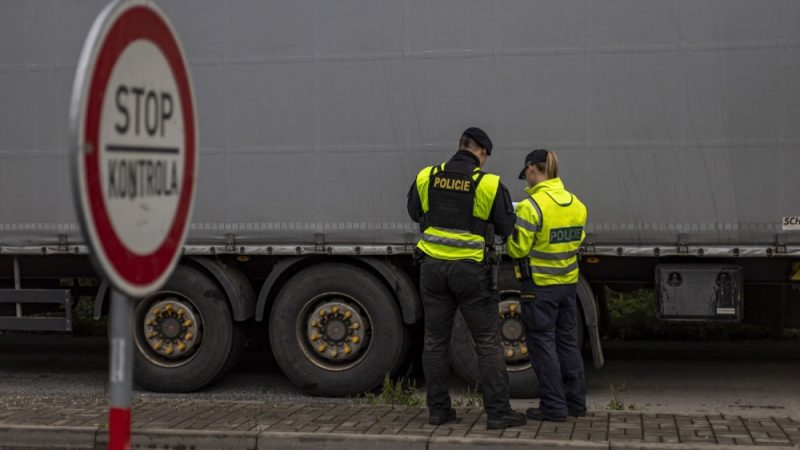
Central European countries, including Czechia and Austria, have introduced border controls with Slovakia following Poland's decision to do so. While Czech Prime Minister Petr Fiala cited the number of migrants as the reason, Czech Interior Minister Vít Rakušan stated that the number of illegal migrants coming from Slovakia to Czechia is significantly lower than in the previous year. The measures have been coordinated among the countries involved, but the Slovak government warns that such actions could lead to a cascade effect and calls for a European solution to migration. Poland's Prime Minister Mateusz Morawiecki plans to veto the approval of the EU's new migration policy at the upcoming European Council.
Russian President Vladimir Putin has stated that the Soviet invasion of central Europe during the Cold War was a "mistake." This admission comes as part of Putin's ongoing efforts to revise historical narratives and downplay Soviet aggression, while also attempting to improve relations with European countries.
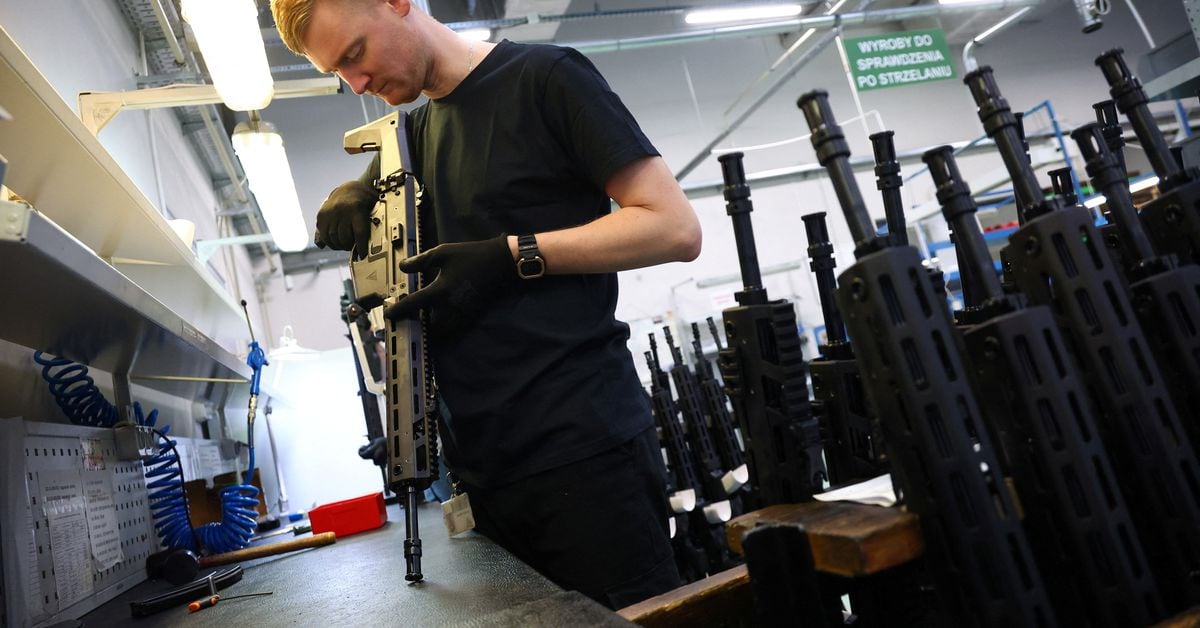
Central Europe's arms manufacturers are facing a labor shortage as the demand for their products surges due to the Ukraine war and increased global defense spending. With some of the tightest labor markets in Europe, companies in Poland and the Czech Republic are implementing various strategies to recruit and train new workers, including building apartments for employees and offering retired workers free meals to share their expertise. The need for younger workers with technical skills is intensifying, and the industry is exploring partnerships with universities and automation to offset the shortage. The arms industry in Central Europe plays a crucial role in supplying military equipment to Ukraine, accounting for a significant portion of its arms imports.
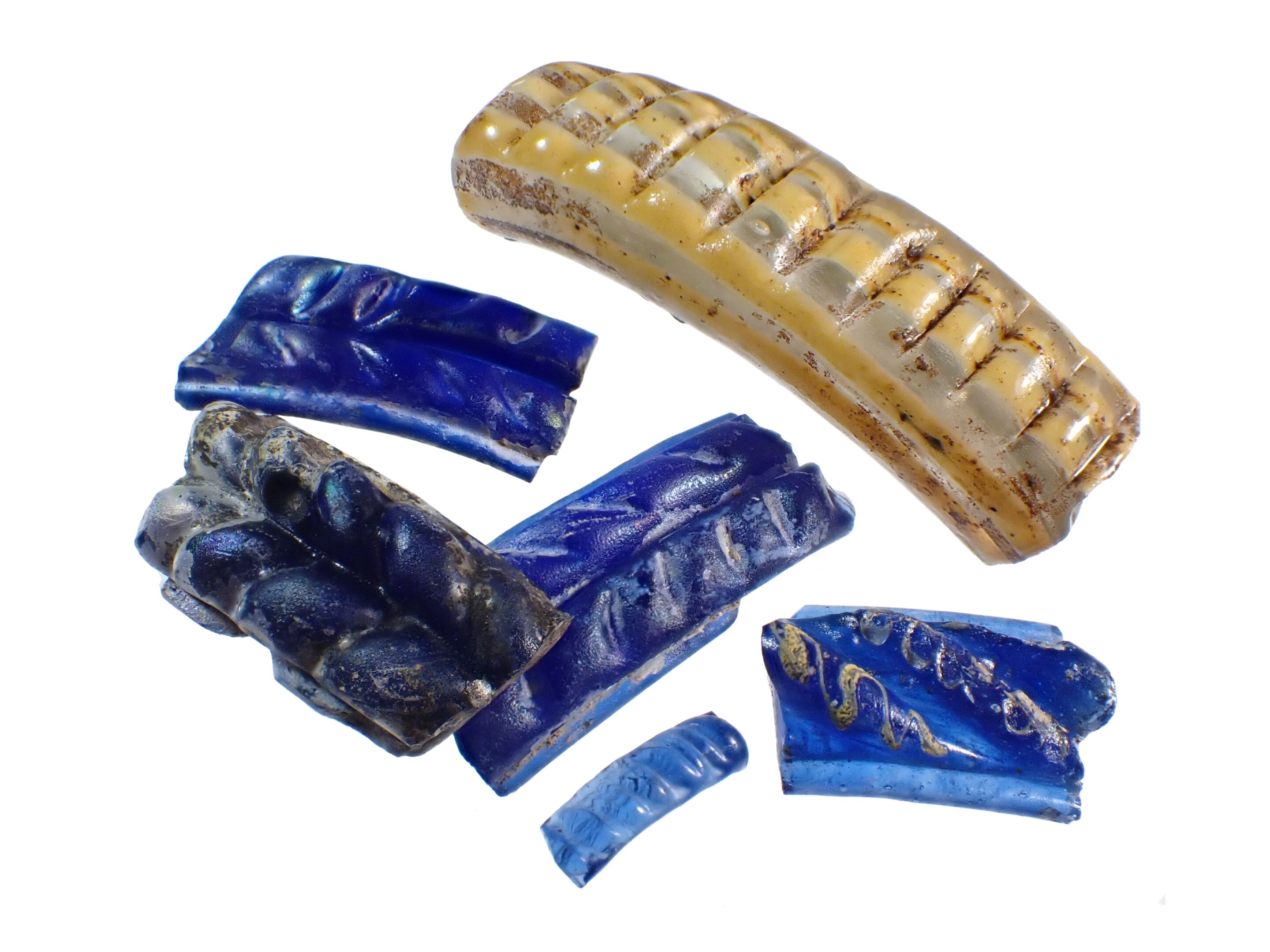
Archaeologists have excavated the Iron Age site of Němčice and confirmed the presence of the earliest glass workshop north of the Alps. The site, known for its gold and silver coins, also yielded numerous glass bracelets and beads. The discovery provides insight into the technology of glass production by the Celts. Additionally, the excavation revealed the presence of likely sacred features, suggesting that Němčice was not only a trade and production center but also a seat of an elite and a ritual center. The findings indicate that Němčice was part of a wider Central European network along the "Amber Road."
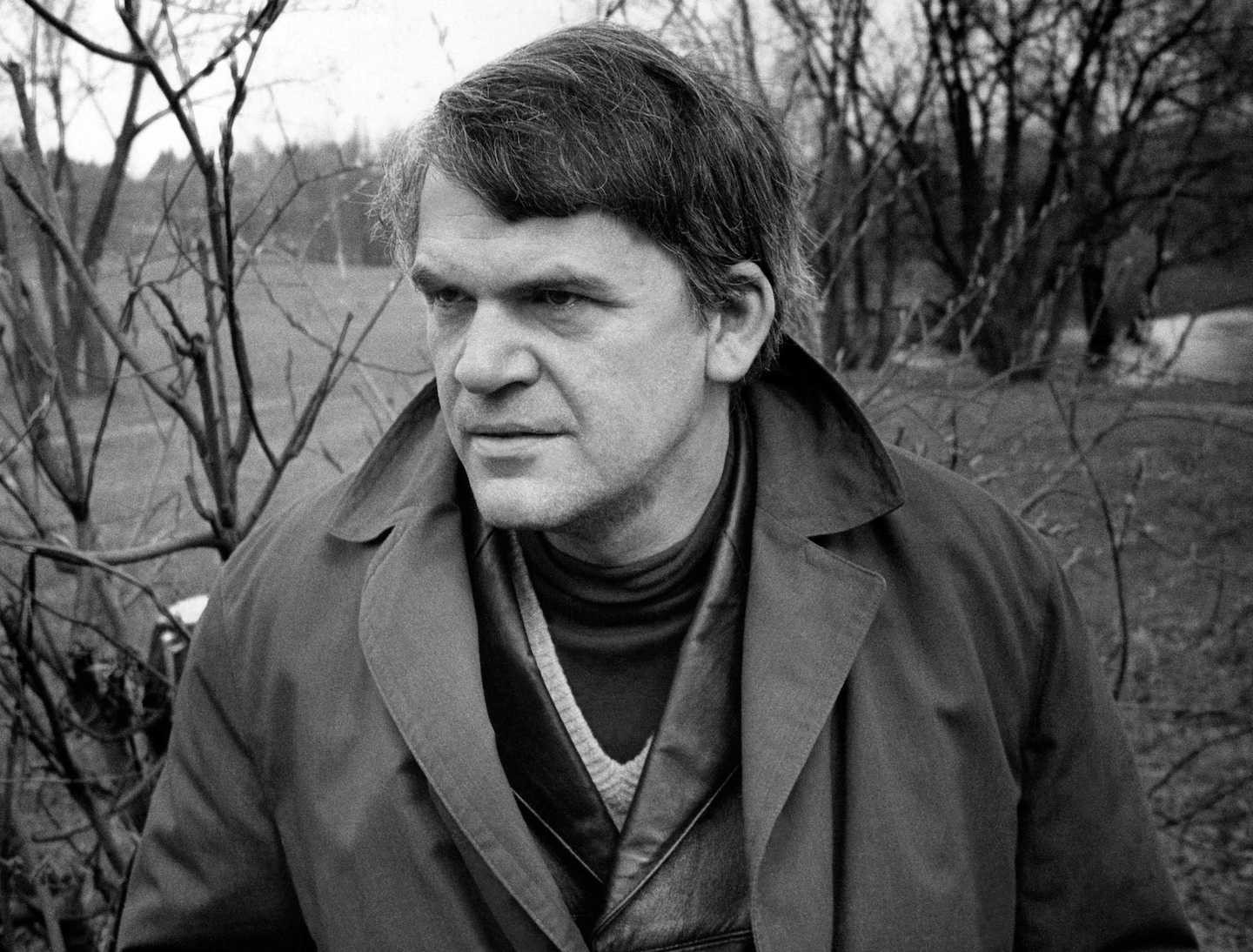
Milan Kundera, the Czech-born writer known for his novels exploring themes of political oppression and the complexities of human existence, has died at the age of 94. Kundera, who lived in France since 1975, penned works such as "The Book of Laughter and Forgetting" and "The Unbearable Lightness of Being," which delved into the turbulent politics of Czechoslovakia in the 1960s and 1970s. His writing mixed philosophical speculation, critiques of totalitarianism, and dreamlike scenes. Kundera's work gained international acclaim, and he was considered a leading intellectual dissident.
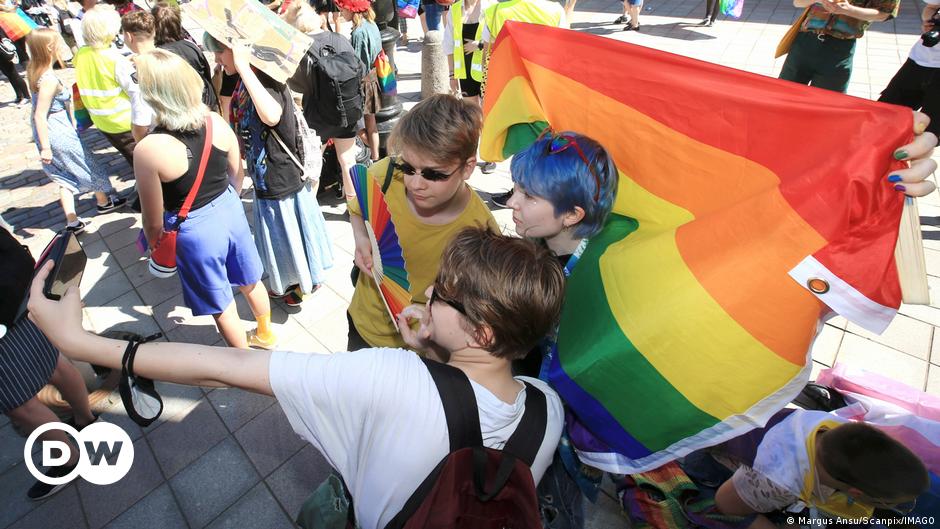
Estonia has become the second Central European country to legalize same-sex marriage, following Slovenia. The law will come into effect on January 1, 2024. The move follows earlier efforts to grant greater rights to LGBTQ+ Estonians, including the introduction of same-sex civil unions in 2014. A recent survey found that 53% of Estonians support marriage equality. Same-sex relations between men were criminalized in Estonia under Soviet occupation and did not become legal again until 1992.