Tag

Mitochondrial Dna

All articles tagged with #mitochondrial dna

Mitochondrial Pearling Evenly Spreads mtDNA to Stabilize Cells
science18 days ago

Mitochondrial Pearling Evenly Spreads mtDNA to Stabilize Cells

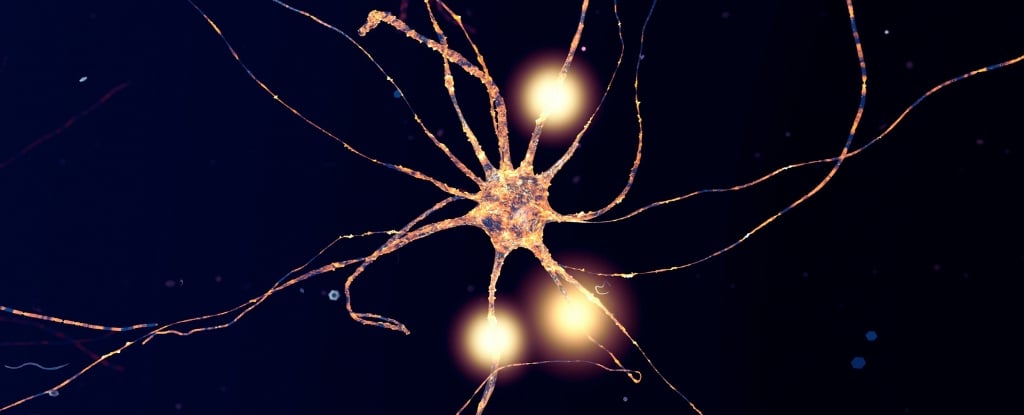
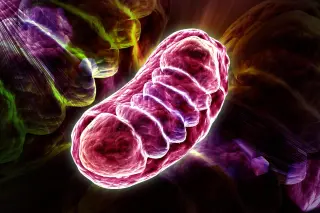
Researchers reveal a process called mitochondrial pearling, where mitochondria transiently form bead-like constrictions to split and redistribute mitochondrial DNA nucleoids along their length, maintaining even spacing. This calcium-triggered, membrane-supported mechanism helps preserve mtDNA organization and could shed light on metabolic and neurodegenerative diseases, with findings published in Science.

Poland’s 100,000-year-old Neanderthal teeth reveal a connected family and wide maternal lineage
science27 days ago

Poland’s 100,000-year-old Neanderthal teeth reveal a connected family and wide maternal lineage

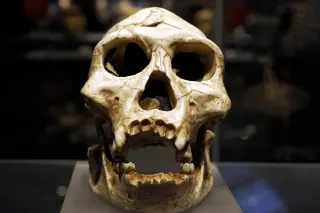
A team analyzed mitochondrial DNA from eight Neanderthal teeth found in Stajnia Cave, Poland, recovering data from at least seven individuals who lived about 100,000 years ago. This offers the first cohesive genetic snapshot of a small Central‑Eastern European Neanderthal group, showing a maternal lineage also found in Neanderthals across Iberia, SE France, and the northern Caucasus—suggesting a once‑widespread lineage later replaced. Some teeth (juveniles and an adult) share mtDNA, implying kinship, and links to Thorin from Mandrin Cave (France) dating ~50,000 years ago emerge, underscoring the region’s role in Neanderthal history and the need to integrate archaeology, radiocarbon dating, and genetics while noting uncertainties near calibration limits.

Poland uncovers a 100,000-year Neanderthal family portrait
science1 month ago

Poland uncovers a 100,000-year Neanderthal family portrait

A new study reconstructs a small Neanderthal group from Stajnia Cave, Poland, using eight teeth to reveal at least seven individuals around 100,000 years old, with mitochondrial lineages linking them to Neanderthals across western Eurasia and pointing to Central-Eastern Europe as a key hub, while also illustrating dating challenges and the value of integrating archaeology with genetics.

Uncovering the Role of Toxic DNA Fragments and Mitochondrial Damage in Parkinson's Disease
health2 years ago

Uncovering the Role of Toxic DNA Fragments and Mitochondrial Damage in Parkinson's Disease

A groundbreaking study has revealed that damaged mitochondrial DNA (mtDNA) can trigger Parkinson's disease by setting off a chain reaction that spreads the condition to other parts of the brain. Researchers found that damaged mtDNA activates proteins involved in the immune system, which are upregulated in the brains of Parkinson's patients. They also identified a protein that plays a key role in spreading damaged mtDNA to other neurons, potentially offering a new target for treatment development. The study suggests that blood tests could detect damaged mtDNA as early biomarkers for Parkinson's disease. The findings shed light on the pathology of the disease and may lead to innovative treatment strategies and monitoring approaches.

health2 years ago

Uncovering the Link Between Mitochondrial DNA Damage and Parkinson's Disease

Researchers from the University of Copenhagen have made a groundbreaking discovery in Parkinson's disease, finding that damage to mitochondria in brain cells leads to disruptions in mitochondrial DNA, causing the disease to spread through the brain. The study suggests that detecting damaged mitochondrial DNA could serve as an early biomarker for disease development and that a blood test could be used for diagnosis and measuring treatment efficacy. This research opens up new possibilities for understanding and treating Parkinson's disease.

Unveiling the Mystery: The Maternal Inheritance of Mitochondrial DNA Explained
science2 years ago

Unveiling the Mystery: The Maternal Inheritance of Mitochondrial DNA Explained

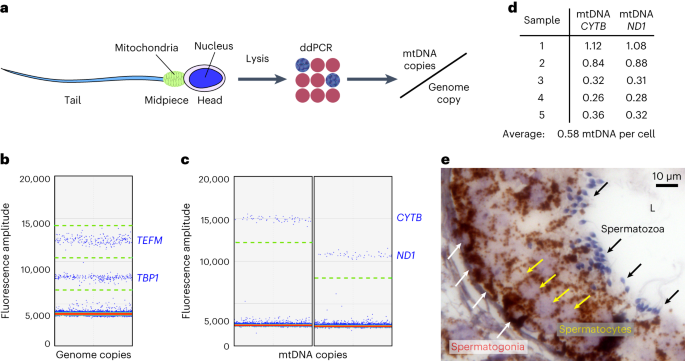
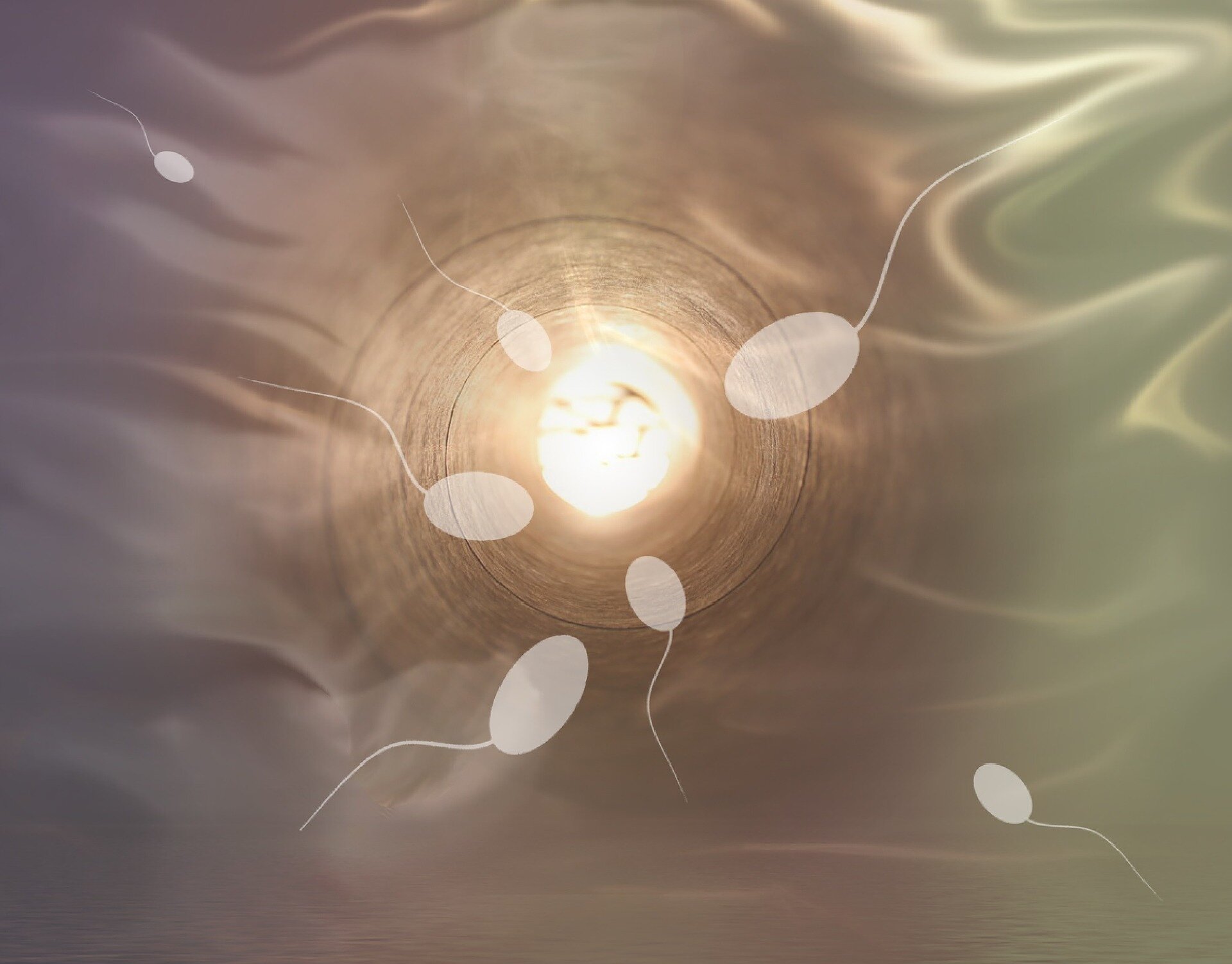
New research published in the journal Nature Genetics sheds light on why mitochondrial DNA (mtDNA) is exclusively inherited from the mother. While it was previously believed that paternal mtDNA was eliminated during fertilization, the study found that mature sperm lack intact mtDNA and a protein essential for mtDNA maintenance. The researchers speculate that this may be due to the high energy usage of sperm during fertilization, which could lead to the accumulation of mtDNA mutations. In contrast, developing eggs primarily draw energy from surrounding cells, maintaining relatively pristine mtDNA. Understanding the role of mtDNA in sperm maturation and fertilization could have implications for treating infertility disorders and improving assisted reproductive technologies.

Mitochondrial DNA: Unraveling Maternal Inheritance and Sperm's Deficiency
science-and-technology2 years ago

Mitochondrial DNA: Unraveling Maternal Inheritance and Sperm's Deficiency

Researchers studying the molecular basis for maternal inheritance of human mitochondrial DNA have provided data availability and code availability for their study. The research findings suggest that the regulation of mitochondrial DNA copy number during spermatogenesis plays a crucial role in the maternal inheritance of mitochondrial DNA. The study highlights the importance of protecting the privacy of research participants while facilitating controlled access to research data for legitimate research purposes.

Mitochondrial DNA missing in mature sperm, study reveals
science2 years ago

Mitochondrial DNA missing in mature sperm, study reveals

A new study has found that mature sperm lack intact mitochondrial DNA (mtDNA), which is exclusively passed down by the mother. While sperm cells do carry a small number of mitochondria, they do not contain mtDNA. This discovery has important implications for human fertility and germ cell therapy, as understanding the role of mtDNA during sperm maturation and fertilization could potentially lead to advancements in treating infertility disorders and increasing the efficiency of assisted reproductive technologies.

Revolutionizing Mitochondrial DNA Editing with a Cutting-Edge Tool.
science-and-technology3 years ago

Revolutionizing Mitochondrial DNA Editing with a Cutting-Edge Tool.

Researchers have developed a new method of editing mitochondrial DNA using MutH, a bacterial nickase, and TALEs. The approach is much more precise and efficient than previous methods and has no off-target effects on mitochondrial DNA. While the technology is still in an early developmental stage, it may one day be used to treat mitochondrial genetic disorders and age-related disorders caused by accumulated mitochondrial damage.