A Finnish study finds that a 30-minute sauna session, including a brief cold shower, causes a temporary surge in white blood cells, potentially enhancing immune surveillance.
A single-cell multiomics study of Long COVID patients found a distinct molecular state in CD14+ monocytes (LC-Mo), especially common in those who had mild-to-moderate initial infection. LC-Mo correlates with fatigue and respiratory symptoms and is linked to elevated cytokine levels, offering a new lead for personalized treatment and deeper understanding of Long COVID.
Endometriosis is described as a systemic immune disorder driven by chronic inflammation, with elevated cytokines such as IL-6 and IL-1beta in the blood and immune cells that fail to clear lesions, producing ripple effects like fatigue, brain fog, and widespread pain beyond pelvic symptoms. A 2025 study linked endometriosis to roughly twice the odds of an autoimmune diagnosis within two years of onset, suggesting shared inflammatory mechanisms rather than a purely reproductive disease; reframing it as a whole-body immune condition could guide development of immune-modulating treatments and empower patients in healthcare settings.
A systematic review of 32 studies (25,325 participants) links pro-inflammatory cytokines (IL-6, TNF-α, IFN-γ) and intermediate monocytes to slower processing speed, memory issues, and reduced mental flexibility after illness, with anti-inflammatory IL-10 and higher CD4+ T cells offering protection; practical steps to calm inflammation—sleep, stress management, anti-inflammatory diet, regular moderate exercise, and consulting a clinician about inflammatory markers—may help mitigate brain fog after viral infections.
Salk Institute researchers found that methionine supplementation in infected mice boosted kidney filtration, lowered circulating cytokines, and improved blood flow, shifting disease trajectories away from inflammation-related damage toward recovery—protecting against wasting, blood-brain barrier disruption, sepsis, and death. The effect did not impair immune response, but human efficacy remains untested and further studies are needed to translate this to clinical use, including for kidney disease or dialysis patients.
Stanford researchers have identified that rare cases of heart inflammation post-mRNA COVID-19 vaccination are driven by immune responses involving cytokines CXCL10 and IFN-gamma, and found that the soy-derived compound genistein may help reduce this inflammation, offering insights into safer vaccine strategies.
Stanford researchers have uncovered a biological mechanism explaining why rare cases of myocarditis occur after mRNA COVID-19 vaccination, identifying two cytokines, CXCL10 and IFN-gamma, as key drivers of heart inflammation, and suggesting that cytokine inhibitors or dietary supplements like genistein could potentially reduce this risk.
Recent studies suggest that COVID-19 may cause lasting brain inflammation, increasing the risk of Alzheimer's disease by promoting cytokine production and amyloid plaque buildup, especially in susceptible populations.
New research from the University of Pittsburgh reveals how house dust mites trigger allergic asthma by activating the immune system in mice. The study, published in Nature Immunology, shows that inhaled dust mites activate T Helper 2 (Th2) cells through a molecular pathway involving the protein BLIMP1, which is not required when allergens are injected. The findings highlight the roles of cytokines IL2 and IL10 in this process, suggesting potential new therapeutic targets for allergic asthma, which is increasingly common and burdensome.
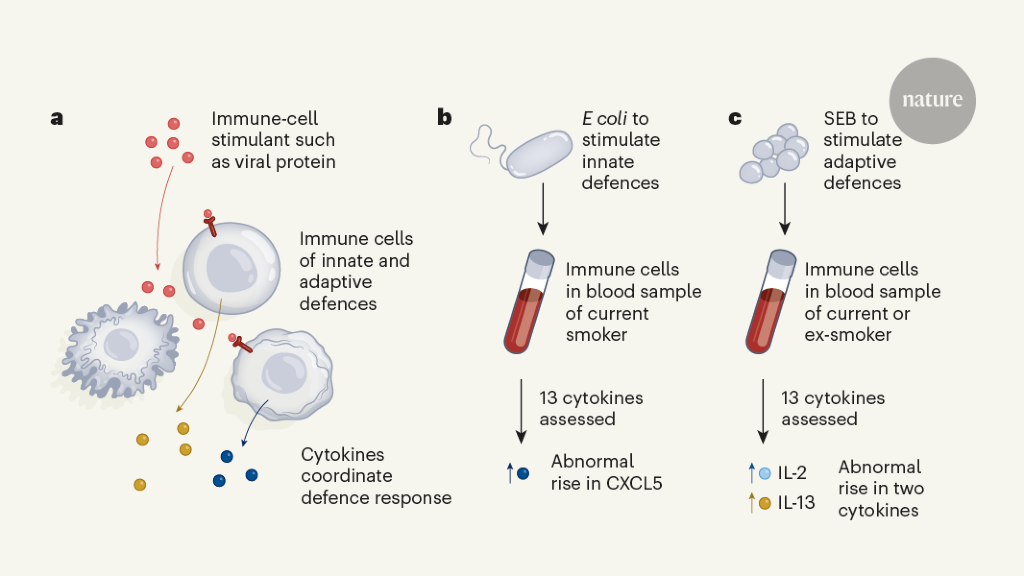
A study of human cells has revealed that smoking can have a long-lasting impact on the immune system, affecting certain immune responses to a similar extent as age or genetics. The research suggests that smoking can alter the immune system in ways that persist even after quitting the habit, shedding light on the environmental factors influencing immune cell behavior.
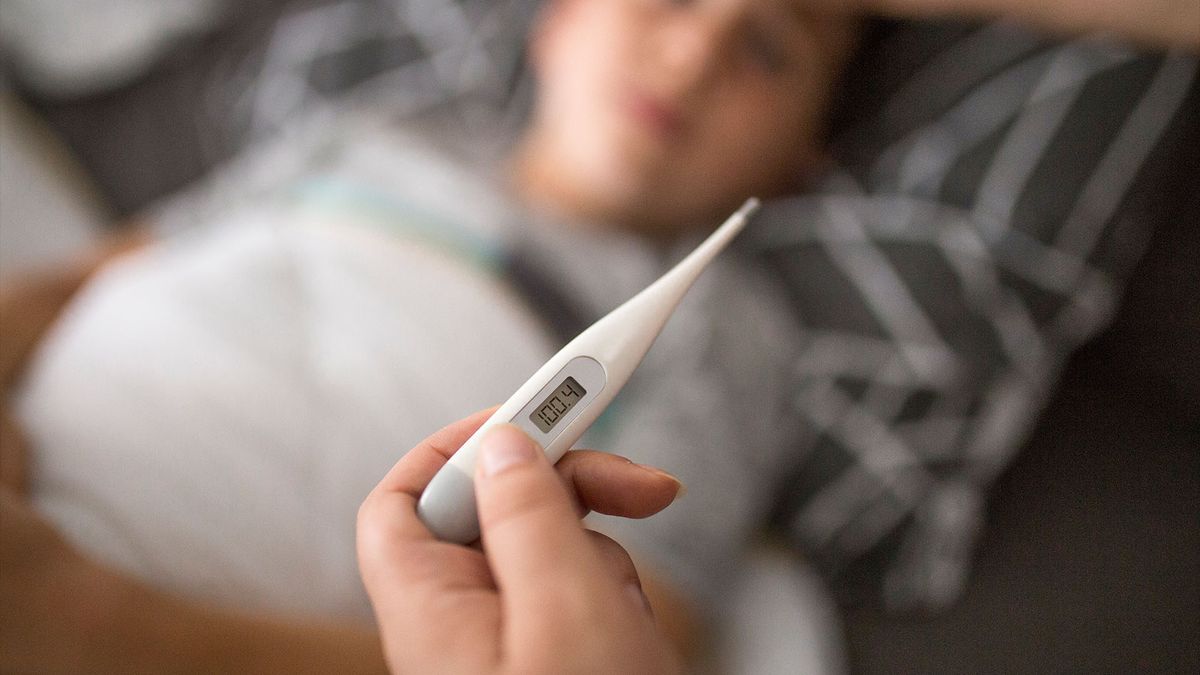
Fevers help the body fight infections by spurring various immune processes. Elevated body temperatures trigger the immune system to fight infections by enhancing immune function and stimulating both the innate and adaptive compartments of the immune system. Fevers also recruit first-responder immune cells, boost dendritic cells' ability to engulf harmful microbes, and may hamper a pathogen's chances of winning the battle. Studies show that intensive-care patients are more likely to recover from an infection if they develop a fever, indicating the beneficial effects of fever in fighting infections.
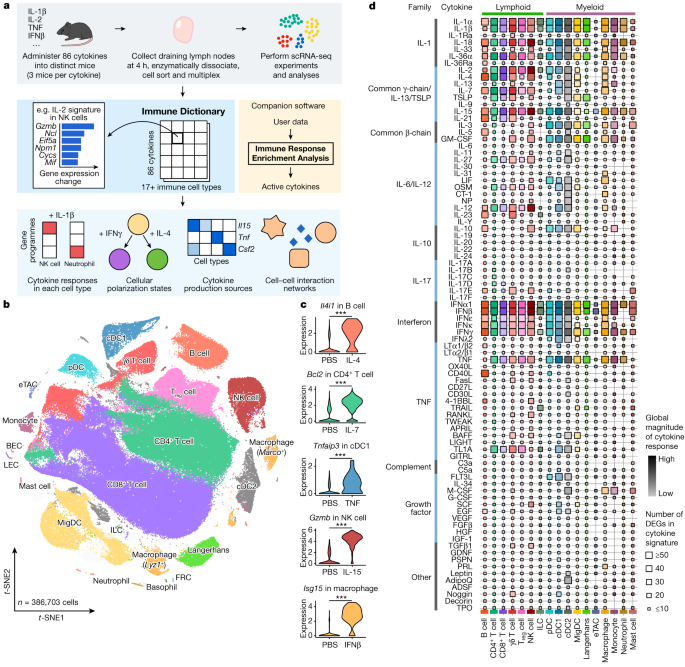
Researchers have created a comprehensive dictionary of immune responses to cytokines at single-cell resolution. Using single-cell transcriptomic analysis, they profiled the responses of more than 17 immune cell types to 86 different cytokines in mouse lymph nodes. The study revealed cell-type-specific gene expression changes and identified distinct polarization states induced by cytokines in each cell type. The findings provide a molecular map of immune responses to cytokines and shed light on the complex interactions between cytokines and immune cells.
A case-control study found that spinal fluid immune profiles were largely normal in individuals with neurologic long COVID symptoms, suggesting that brain inflammation may not be the cause of cognitive symptoms associated with long COVID. The study did not find evidence of abnormal cytokines in cerebrospinal fluid (CSF) or blood-brain barrier dysfunction in participants with post-COVID neuropsychiatric conditions. The findings suggest that interventions aimed at reducing brain inflammation may not be effective in treating long COVID cognitive symptoms. Further research is needed to understand the underlying mechanisms of long COVID.
Scientists at the University of Utah Health have found that levels of a particular set of proteins that are crucial in controlling the growth and activity of immune system cells were almost undetectable among individuals who had long COVID. As a result, the researchers suspect that lungs and other organs are unable to fully heal and fend off other illnesses after being infected with SARS-CoV-2, the virus that causes COVID-19. The finding could eventually lead to new treatments for long COVID.
A study led by the Institute of Psychiatry, Psychology & Neuroscience at King’s College London has identified some of the elements in our immune response that influence our risk for developing psychosis. The study analyzed blood samples from 325 people to assess the levels of 20 proteins that are known to be involved in our immune response. Researchers found an association between the levels of certain proteins – cytokines – involved in inflammation and the risk of developing psychosis. The identification of specific biological markers or signs in the blood that are linked to psychosis could help overcome the challenge of predicting whether someone will or will not go on to experience the symptoms of psychosis.