Tag

Debris Disk

All articles tagged with #debris disk

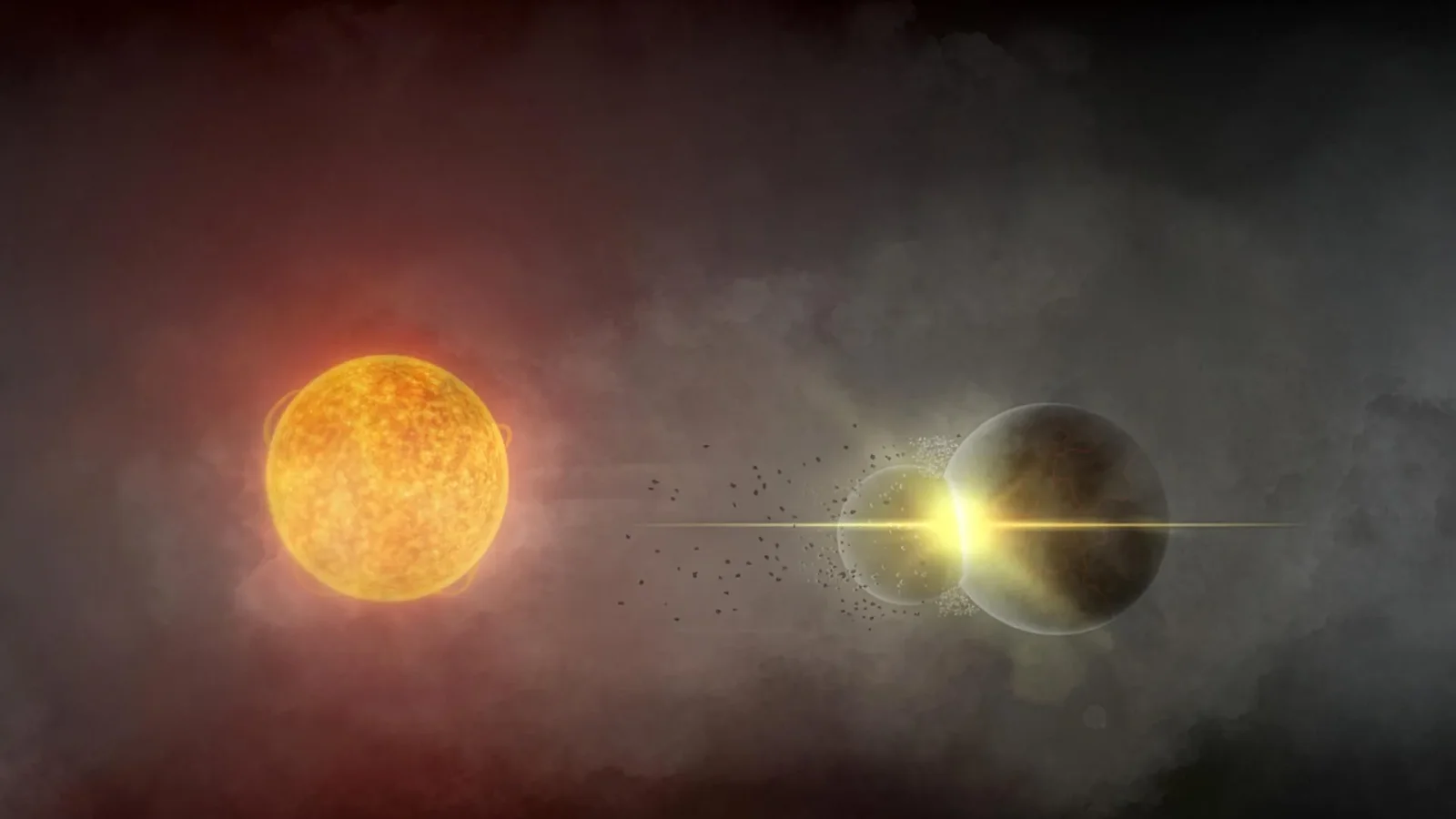
Hubble Confirms 'Cat's Tail' as Wreckage of Dwarf Planet Collision Near Beta Pictoris
science13 days ago

Hubble Confirms 'Cat's Tail' as Wreckage of Dwarf Planet Collision Near Beta Pictoris

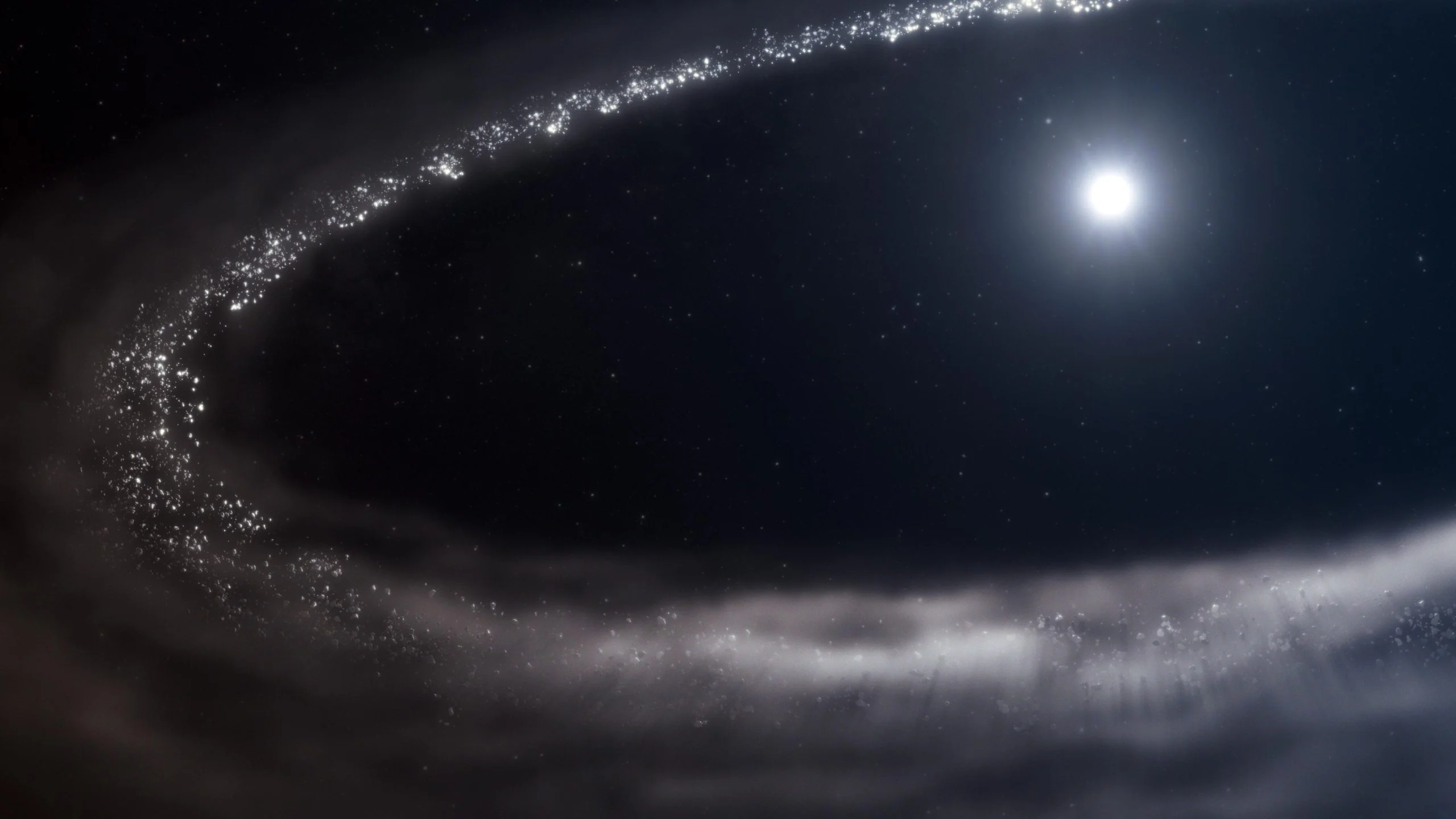
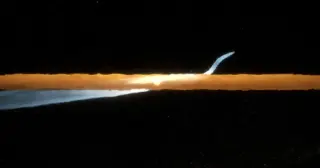
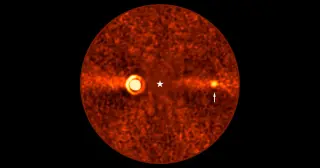
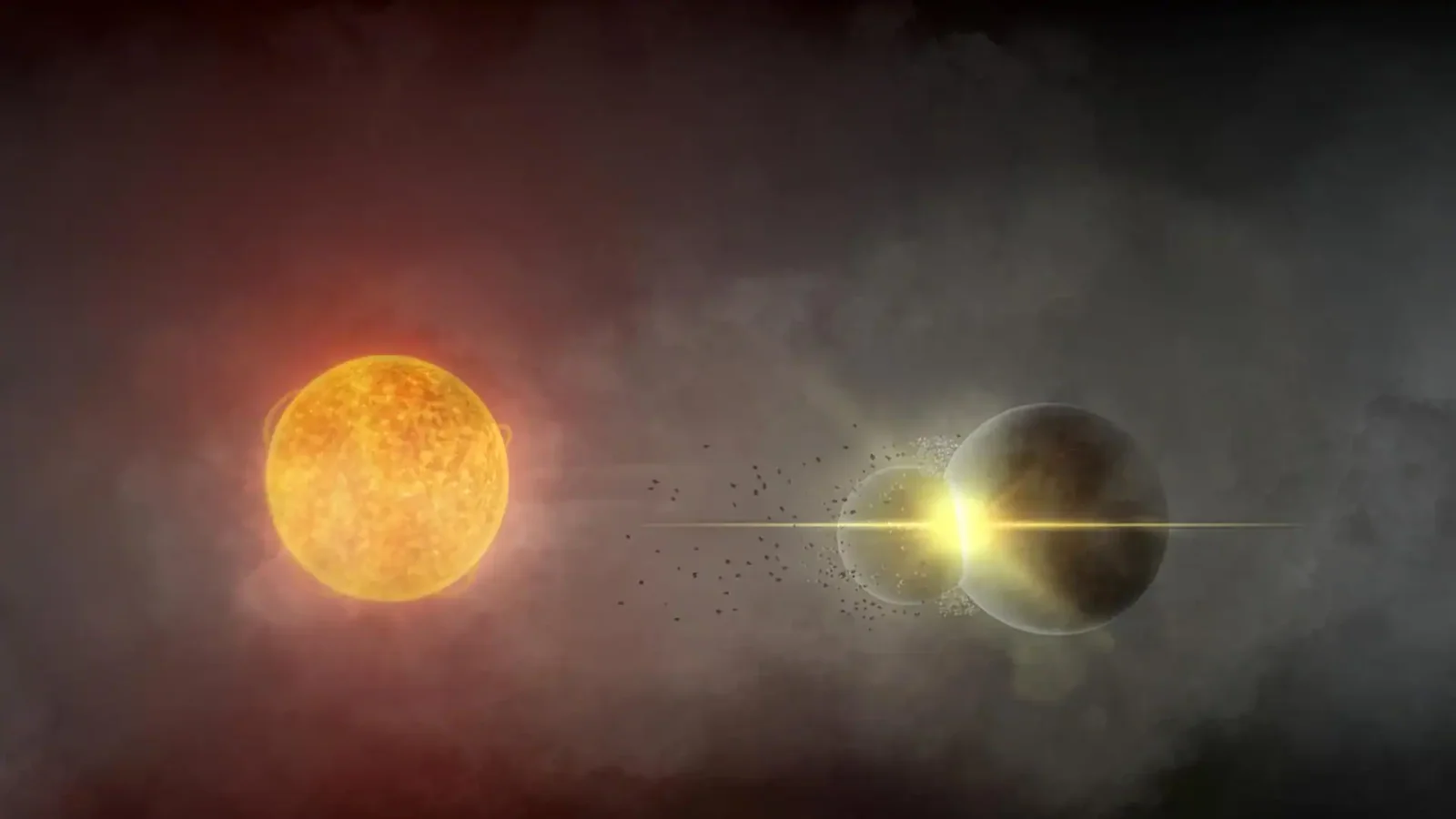
Hubble has confirmed the existence of the 'Cat's Tail,' a massive dust structure in the Beta Pictoris system, by detecting it in visible light for the first time. The structure, previously seen only in infrared by the James Webb Space Telescope, is likely the result of a collision between two dwarf planets. The debris consists of dark, porous carbon grains, and the discovery offers insights into early solar system dynamics.
Hubble Reveals 'Cat's Tail' in Beta Pictoris, Confirming Violent Dwarf Planet Collision
astronomy19 days ago

Hubble Reveals 'Cat's Tail' in Beta Pictoris, Confirming Violent Dwarf Planet Collision

Astronomers have identified the composition and geometry of the 'Cat's Tail,' a massive dust structure in the Beta Pictoris system. New Hubble Space Telescope images, combined with prior James Webb Space Telescope data, show the feature is made of porous, carbon-rich dust resulting from a collision between Pluto-sized bodies. The structure extends 1,000 astronomical units and lies in the same plane as the star, offering insights into early solar system dynamics.
Distant Sun-Like Star Hints at Planet Collision
space8 months ago

Distant Sun-Like Star Hints at Planet Collision

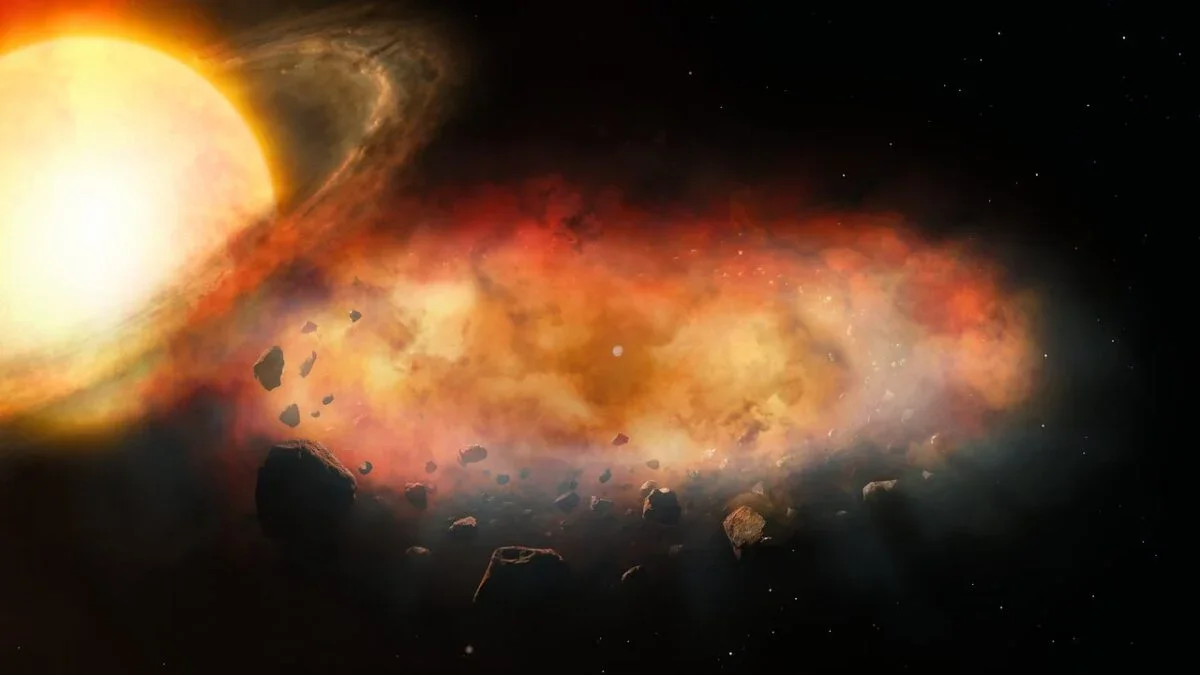
Astronomers analyzing Gaia20ehk, a sun-like star about 11,000 light-years away, observed erratic dimming in visible light with a simultaneous infrared brightening, consistent with a violent collision between two planets that produced hot dust and debris; the event may resemble the Earth–Moon formation, and Rubin Observatory surveys could reveal many more such collisions to illuminate planetary system evolution.

Metallic Disk Around Hidden Companion Dims a Sun-like Star
astronomy10 months ago

Metallic Disk Around Hidden Companion Dims a Sun-like Star

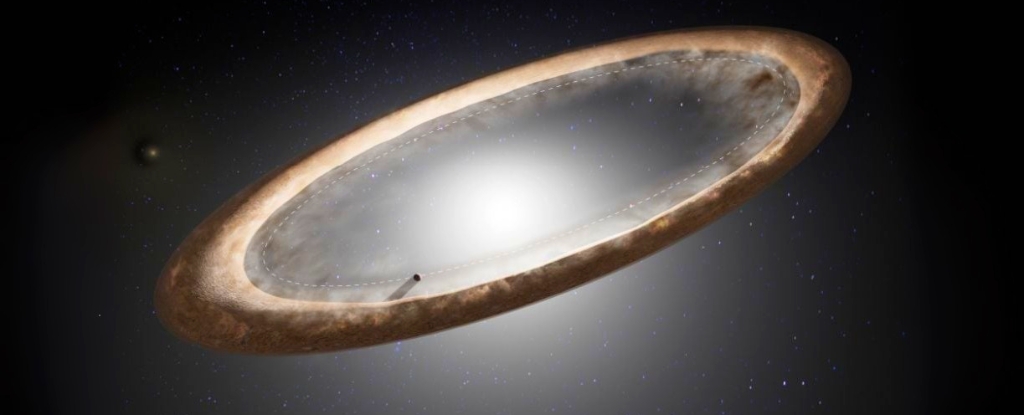
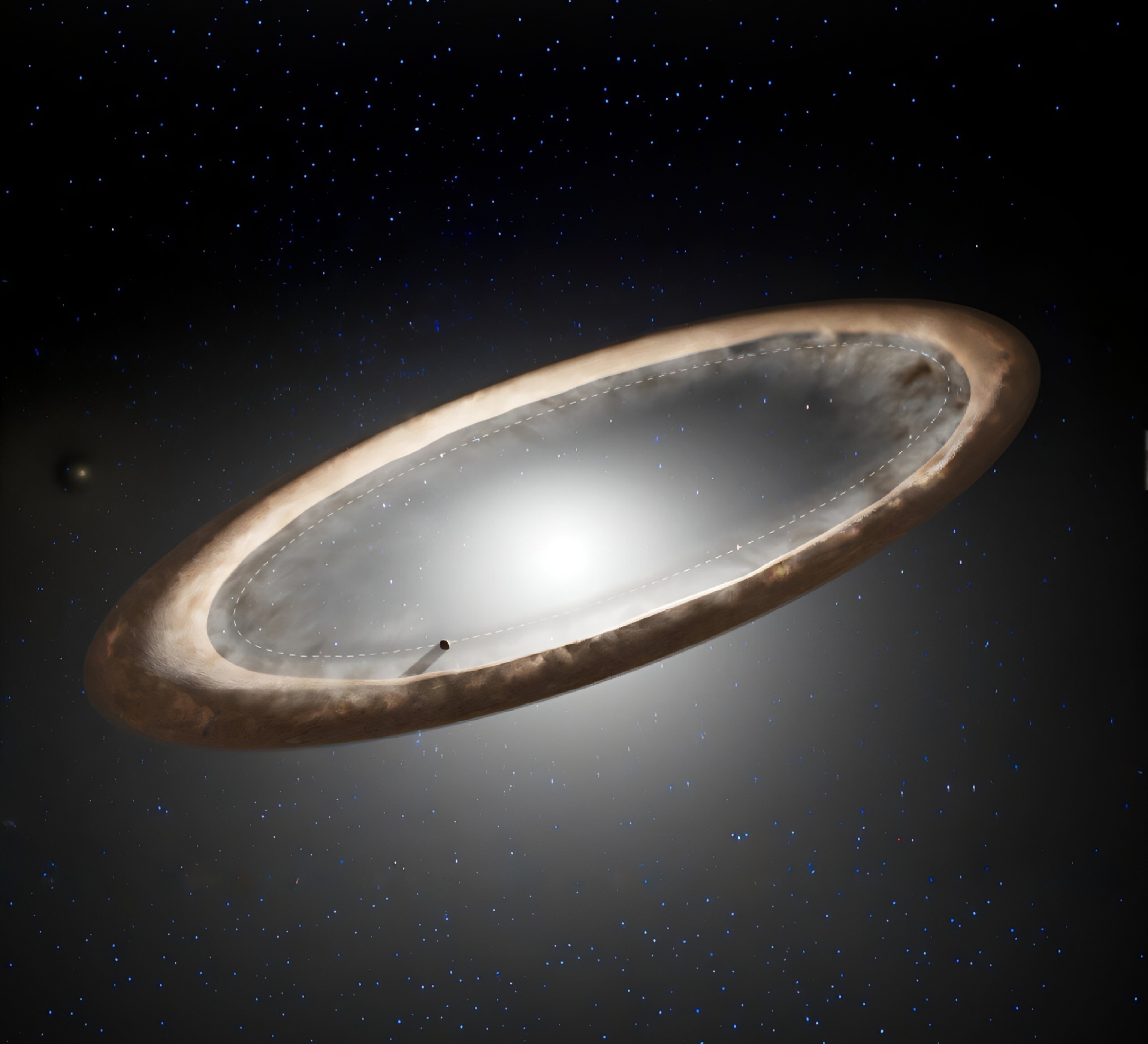
A Sun-like star J0705+0612 dramatically dimmed between September 2024 and May 2025 due to a giant, metal-rich cloud about 1.2 billion miles from the star. The cloud appears bound to a distant companion with a few Jupiter masses—potentially a brown dwarf, giant planet, or low-mass star—carrying a circumsecondary or circumplanetary disk. Gas moves with winds of metals such as calcium and iron, measured with the GHOST spectrograph, indicating a dynamic debris disk around the companion. The star is ~3,000 light-years away, and infrared excess suggests a disk in an older system, implying a late-stage collision may have produced the cloud. This rare observation shows mature planetary systems can experience dramatic, disk-driven obscurations.

"NASA's Webb Spots Dusty 'Cat's Tail' in Beta Pictoris System"
astronomy2 years ago

"NASA's Webb Spots Dusty 'Cat's Tail' in Beta Pictoris System"

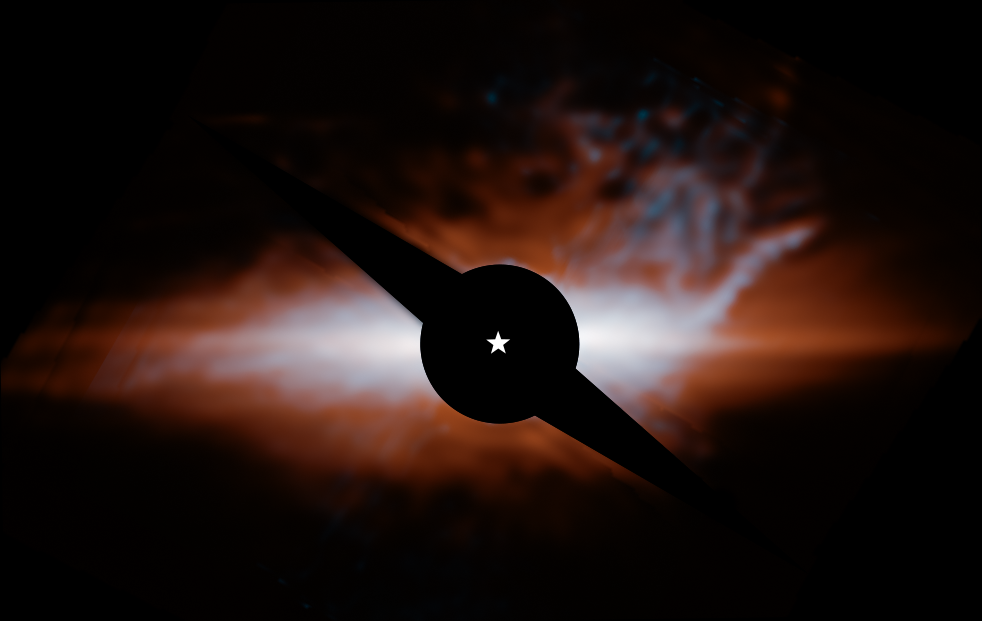
NASA's James Webb Space Telescope has discovered a new, previously unseen structure in the Beta Pictoris system, located 63 light-years away. The structure, shaped like a cat's tail, extends from the secondary debris disk and is composed of highly porous organic refractory material. The team of astronomers also observed differences in temperature between the two disks, indicating different compositions. The team's preferred model suggests that the cat's tail is the result of a recent dust production event, and its unusual curvature is explained as an optical illusion. These findings were presented at the 243rd meeting of the American Astronomical Society and provide new insights into the complex planetary system of Beta Pictoris.

Webb's Gaze: Exploring Dwarf Planets and Debris Discs
astronomy3 years ago

Webb's Gaze: Exploring Dwarf Planets and Debris Discs

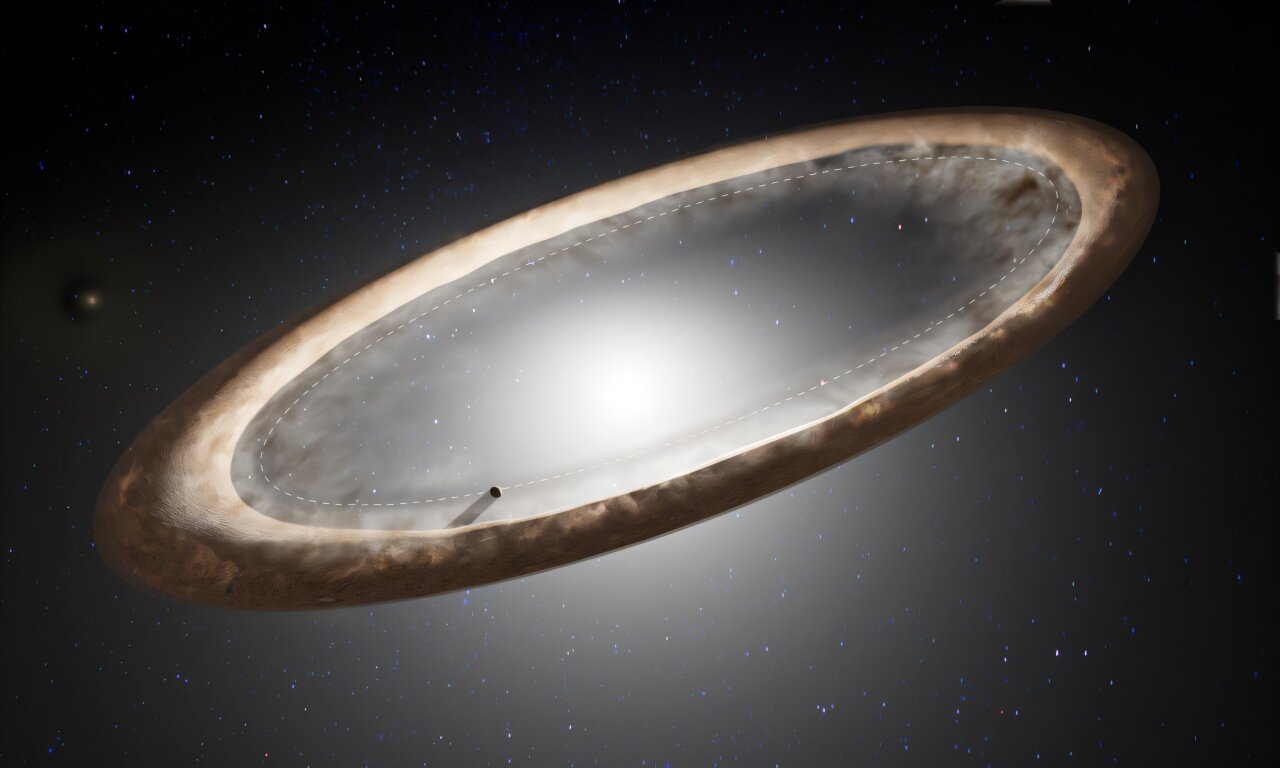
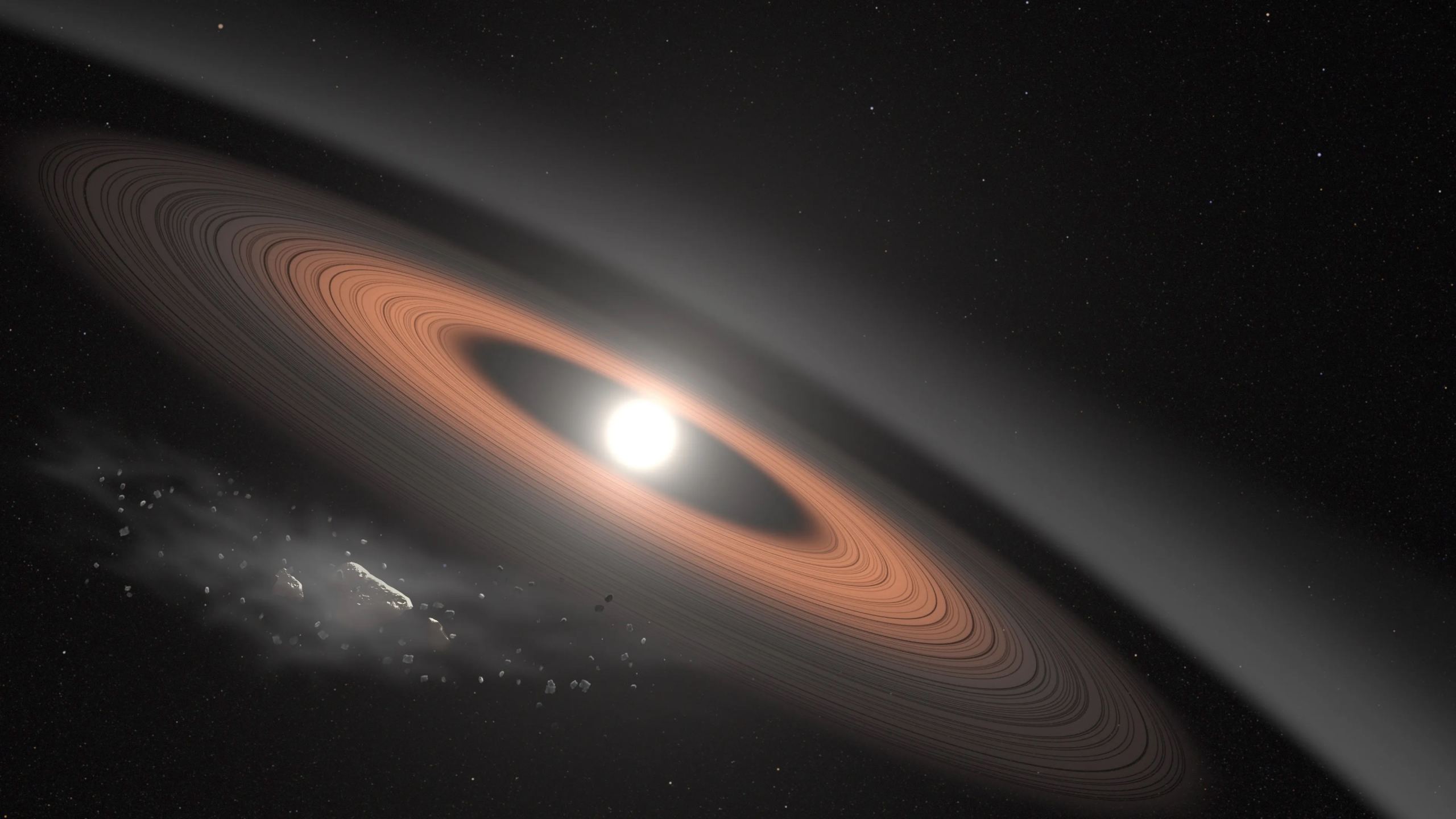
The James Webb Space Telescope (JWST) has observed a debris disk around a white dwarf star, providing insights into the composition and formation of these disks. The observations of the star WD 0145+234 confirm the presence of silicate grains and suggest the presence of carbonates, indicating larger body collisions have contributed to the disk. This finding suggests that white dwarf debris disks may result from similar planetary systems as our own. Further analysis of the data is ongoing to determine the most useful future observations.

"Webb Telescope Uncovers Secrets of Fomalhaut's Planetary System and Debris Disk"
astronomy3 years ago

"Webb Telescope Uncovers Secrets of Fomalhaut's Planetary System and Debris Disk"

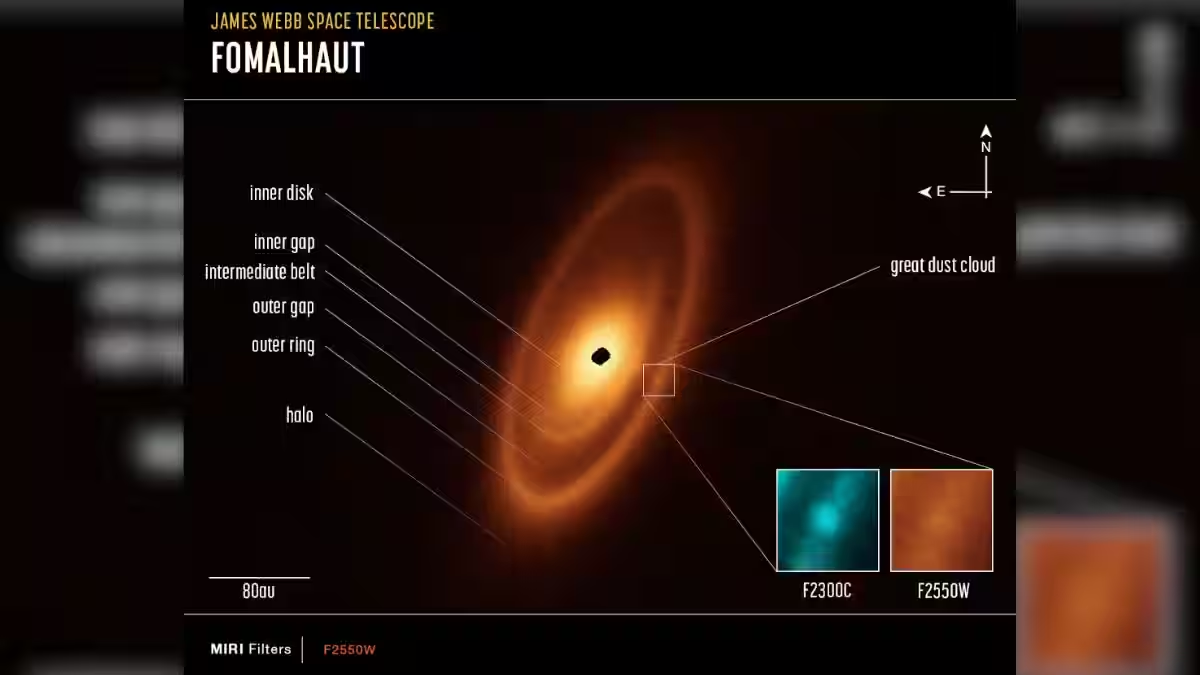
NASA's James Webb Space Telescope captured a sharp infrared image of Fomalhaut's debris disk, revealing details never seen before, including a large dust cloud in the outer ring that is possible evidence for colliding bodies, and an inner dust disk and gap likely shaped and maintained by embedded but unseen planets. The debris belts stretch across a gargantuan amount of space, nearly 14 billion miles (23 billion km) from Fomalhaut. The telescope used its Mid-Infrared Instrument (MIRI) to capture the image.